What Customization Can an Adult Diaper ODM Manufacturing Facility Supply?
The majority of customers ask the wrong initial inquiry.
They ask, “Can you print my brand name?” Fine. Any kind of disposable grown-up baby diaper manufacturing facility with a midway skilled packaging supplier can print a logo design. The better inquiry is uglier and better: can this grown-up baby diaper ODM factory rebuild the item around my market, my channel, my claims, my price ceiling, my repeat orders, and my legal exposure?
That is the genuine test.
I have seen way too many exclusive label adult baby diapers stop working for one uninteresting factor: the purchaser dealt with customization like decor. But in adult urinary incontinence products ODM work, personalization is not design; it is engineering, procurement self-control, documents control, and, frankly, a willingness to say no when a buyer desires “overnight, breathable, ultra-thin, inexpensive, fragrance-free, 3,000 ml absorbency, costs feeling” in the same SKU at bargain-bin cost. Who exactly is intended to believe that?
The Hard Truth: ODM Customization Begins Prior To the Baby Diaper Exists
A grown-up diaper ODM manufacturing facility does not just “make grown-up baby diapers.” A severe one builds a product quick, evaluates the economics, picks the structure, readjusts the costs of materials, samples the SKU, and afterwards locks the production standard so the second container does not silently wander from the first.
That sounds completely dry. It matters.
In the USA, incontinence protective garments rest inside a regulated item group. The U.S. eCFR defines a safety garment for incontinence as a gadget made with absorbing padding and a fluid barrier, planned to safeguard an incontinent patient’s garment from excreta. That sentence ought to frighten lazy branding groups. If your cases, materials, and performance information do not align, you are not simply offering a soft product; you are offering a documented assurance.
And demand is not academic. Eurostat reported that, on January 1, 2025, 22.0% of the EU populace was aged 65 or over. Reuters additionally reported in July 2024 that Japan’s adult diaper market was anticipated to grow 16% over 5 years to ¥ 98.9 billion by 2027, while the baby diaper market was forecast to shrink 8% to ¥ 84.6 billion. That is why the grown-up diaper OEM maker discussion has moved from “Can you provide stock diapers?” to “Can you construct a defensible personal tag program?”
For customers comparing suppliers, the beginning point should be a structured adult baby diapers OEM/ODM services process, not a WhatsApp quote with three product photos and a FOB rate.
Table of Contents
What Can In Fact Be Customized?
Absorbency Core: SAP, Fluff Pulp, ADL, and Rewet Control
The absorbency core is where great ODM projects are won or destroyed.
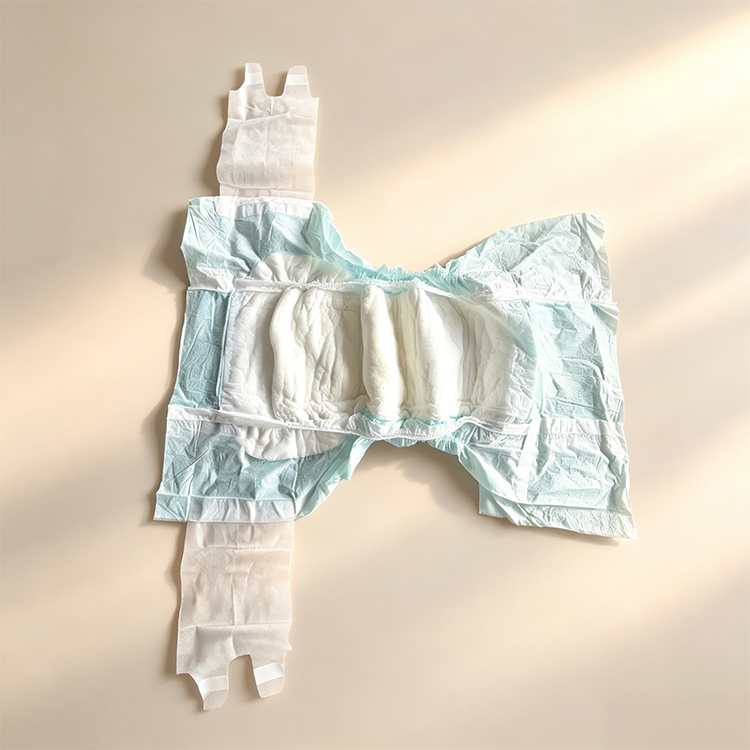
A custom-made grown-up diapers manufacturer can readjust the incredibly absorptive polymer, fluff pulp, procurement distribution layer, cells wrap, core length, core size, and directing pattern. In plain English: it can make the baby diaper soak up quicker, hold much more, feel drier, spread out liquid much better, or expense less. Normally not at one time.
Below is the component providers do not like saying out loud: adding SAP is not magic. Way too much SAP can create gel barring, slower acquisition, rigidity, and an even worse customer feel. Excessive fluff pulp can develop mass and transportation inefficiency. A thin costs pull-up for drug store retail needs a different core logic than a heavy-care brief for an assisted living home night shift.
For heavy-care programs, I would certainly press customers to evaluate actual item groups such as adult diapers with tabs for hefty absorbency before accepting an example. If the market is over night care, bariatric care, or institutional supply, the product must be developed around ability and leakage control initially. Not beauty.
Topsheet, Backsheet, and Skin Contact Products
Product modification makes a decision whether individuals endure the item for 6 hours, eight hours, or twelve unpleasant hours.
Printing before the SKU architecture is taken care of
No buyer ought to authorize topsheet products without rewet information. Full stop.
The FDA’s urinary incontinence device advice keeps in mind that urinary system incontinence prevalence can range from 5% to 50% of the grown-up united state population depending upon interpretation, and that occurrence enhances with age. That should inform you something: the individual base is broad, sensitive, and not flexible. One “conventional” material stack will certainly not offer every channel.
Fit Modification: Dimensions, Waistline Variety, Elastics, and Actual Bodies
Sizing is where affordable ODM assuming ends up being expensive.
Grown-up baby diapers are not infant diapers scaled up. Adults stroll, rest, sleep, transfer from bed to chair, represent work, and in some cases depend on caregivers who need rapid modifications under negative lighting at 3:20 a.m. The healthy system needs to match the usage situation.
A qualified grown-up baby diaper ODM manufacturing facility can personalize:
M, L, XL, 2XL, 3XL, and bariatric midsection varies
Product size and width
Front and back midsection elastics
Leg cuff elevation
Tape touchdown area
Side panel go for pull-ups
Gender-specific shaping for males’s and ladies’s arrays
Slim daytime design versus bulky over night structure
This is where a brand can divide adult briefs, pull-up underclothing, pads, and underpads right into a meaningful product household. The adult urinary incontinence products magazine works below since it shows the classification spread: briefs, pull-ups, pads, wipes, booster pads, and associated care items should not be forced into one generic product packaging tale.
But below is my unpopular point of view: lots of exclusive label adult diapers are over-assorted and under-tested. Customers produce six dimensions, 4 absorbency levels, two packaging designs, and three network versions before they have confirmed one hero SKU. That is not method. That is supply danger in a shiny bag.
Packaging Personalization Is Not Just Artwork
Packaging is where the brand name either makes count on or creates returns.
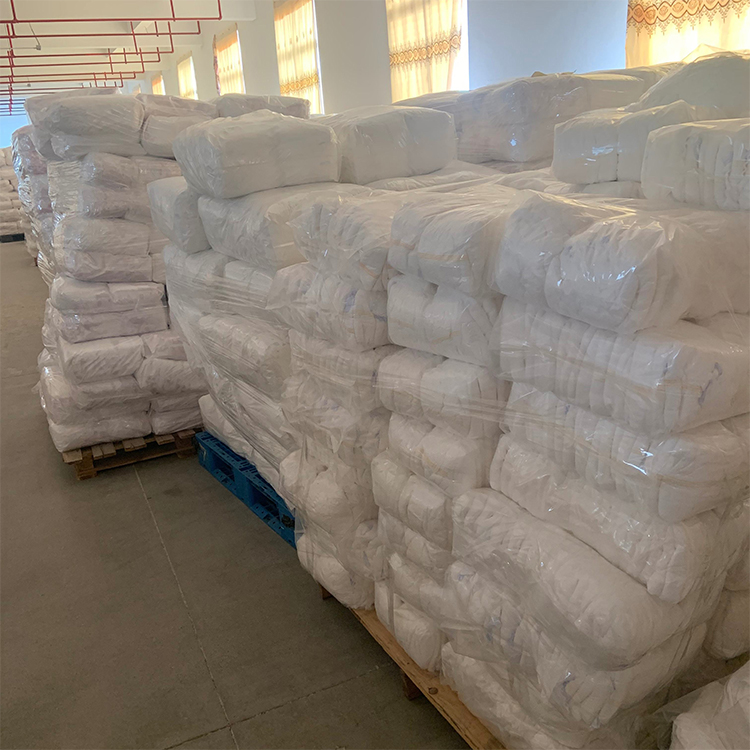
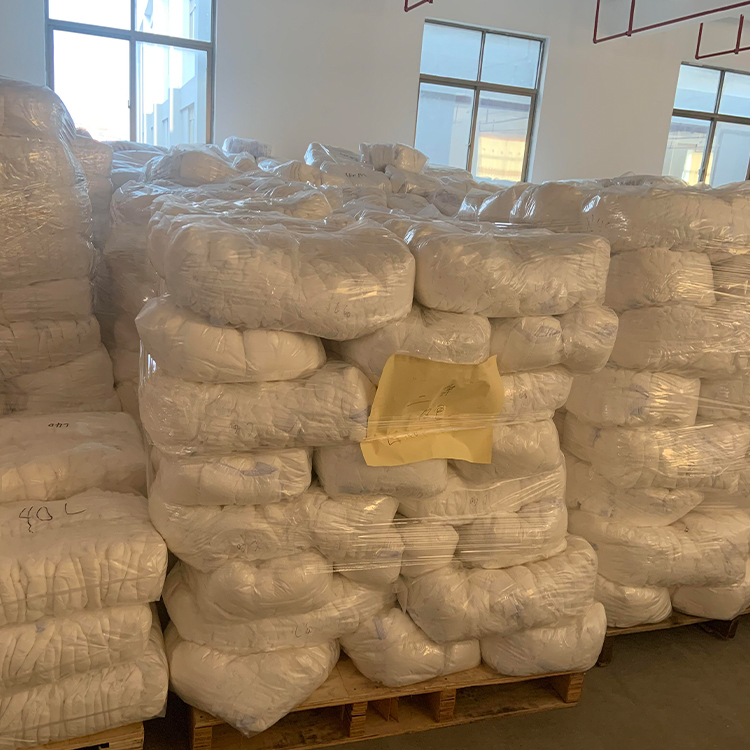
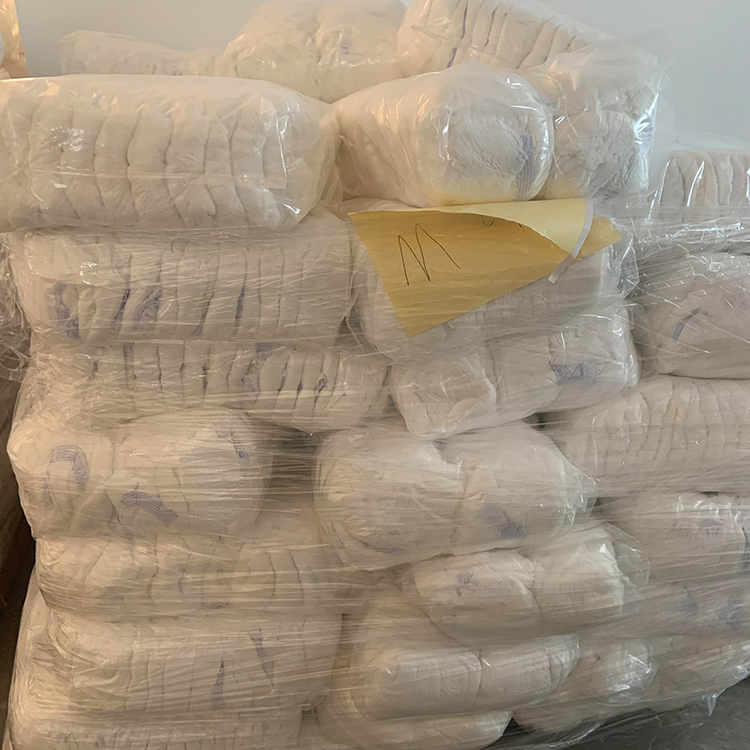
A factory can tailor bag product, take care of type, pack matter, carton quantity, barcode positioning, pallet labeling, claim power structure, language versions, shade coding, and private label style. For e-commerce, product packaging should endure compression, storage facility handling, and consumer assumption gaps. For pharmacy retail, it needs to be discreet yet clear. For institutional supply, nobody appreciates way of life copy if the instance mark and reorder code are confusing.
I would certainly divide product packaging modification into 4 layers.
Retail Layer
This includes the front panel, insurance claims, absorbency ladder, size symbol, gender hint, product photo or illustration, pack matter, and barcode. Premium packs usually need calmer layout. Worth packs need price-per-unit reasoning and quick acknowledgment.
Conformity Layer
This includes designated usage, manufacturer/importer details, cautions, set coding, language demands, and insurance claim self-control. Do not let a designer create “clinical quality 12-hour overall security” unless the proof data can protect it.
Logistics Layer
This includes carton dimension, pallet count, container loading, instance code, and storehouse readability. A stunning bag inside a weak carton is still a poor product.
Channel Layer
This consists of Amazon/e-commerce images, drug store rack framework, supplier magazine naming, nursing home reorder sheets, and tender documentation. One package can not serve every network equally well.
For a much deeper product packaging course, I would send out viewers to the brand name’s own guide on costs versus value packaging for incontinence products, since product packaging decisions must comply with channel business economics, not individual taste.
Documentation Modification: The Boring Component That Saves Offers
Some purchasers dislike documentation till a store, importer, health center team, or industry asks for it.
Then all of a sudden paperwork comes to be immediate.
An adult diaper ODM manufacturing facility ought to support documentation around test reports, product affirmations, high quality systems, labeling, set traceability, and market-specific conformity data. For U.S. and EU purchasers, this is not optional home window clothing. It influences onboarding rate, tender qualification, personalizeds concerns, and purchaser self-confidence.
A supplier’s adult baby diaper test reports and accreditations page must not be treated as a nice added. It must belong to supplier certification. Absorption, rewet, leakage, breathability, microbial testing where called for, REACH/SVHC material transparency, ISO-related documentation, and FDA-aligned documents all belong in the discussion prior to purchase orders range.
Right here is the guideline I use: if a distributor discusses “premium top quality” for 5 mins yet can not clarify its test record bundle in thirty seconds, I downgrade the vendor.
Maybe harsh. Fair.
OEM vs ODM: Customers Still Puzzle These Two
OEM implies the factory produces according to the buyer’s specified spec. ODM implies the factory aids develop or adjust the product layout, framework, materials, and product packaging based on market goals.
Both can work.
Yet they carry different threat profiles. OEM is better when the purchaser already has a mature specification, benchmark sample, and screening criterion. ODM is better when the buyer understands the marketplace however needs manufacturing, engineering, and product packaging support to create the SKU.
Design
Best For
Buyer Controls
Manufacturing facility Contributes
Key Threat
OEM adult diapers
Mature brand names with existing specs
BOM, measurements, product packaging, declares
Manufacturing and quality control
Distributor drift from original specification
ODM grown-up diapers
New exclusive tag launches, suppliers, sellers
Market goal, channel, rate target
Item style, materials, testing, packaging support
Weak quick creates weak product
White label adult diapers
Fast launch with very little modifications
Logo design, bag style, pack count
Existing product system
Low distinction
Complete private label ODM
Brand name owners constructing classification method
Positioning, variety, target individual
Item household, SKU ladder, documents
Higher sampling time and MOQ stress
The best grown-up diaper ODM manufacturing facility is not the one that claims of course fastest. It is the one that challenges your short prior to production begins.
The Personalization Menu Serious Customers Should Request
If I were bookkeeping a disposable grown-up diaper manufacturing facility for an exclusive label grown-up diapers launch, I would request this menu prior to going over cost.
Request for midsection variety by dimension, product size, crotch size, leg cuff design, elastic tension, refastening strength, and fit notes for seated, standing, and bed-care usage.
Product packaging and Branding
Request for retail bag design, private tag logo design placement, shade coding, multilingual packaging, barcode arrangement, carton marks, inner bag count, master container quantity, and pallet strategy.
Examining and Compliance
Request absorption testing, rewet testing, leakage screening, breathability screening, material affirmations, set traceability, sample authorization documents, and delivery inspection procedure.
Commercial Arrangement
Ask for MOQ, sample time, bulk preparation, payment terms, container loading, SKU combination options, and reorder stability.
This is where the wholesale adult diapers for suppliers and importers web page fits normally. Supplier customers need greater than a cheap quote; they need reorder logic, documents, SKU preparation, and a manufacturing facility that understands mass supply risk.
What an Adult Baby Diaper ODM Manufacturing Facility Can not Magically Take Care Of
Allow’s be blunt.
A factory can not deal with a baffled brand name technique. It can not make a bargain SKU really feel costs, absorb like an over night item, ship like a light-weight pull-up, and expense like a healthcare facility tender item. It can not turn bad claim writing right into compliant packaging. It can not save a customer who changes the brief after every example round.
An ODM factory can aid you make trade-offs. It can not remove trade-offs.
That matters because adult incontinence products ODM is a margin company with genuine restraints: SAP prices, nonwoven GSM, PE movie top quality, container stamina, container usage, labor, line rate, examination expense, and denied material prices. A great vendor will certainly show you where price can be eliminated without damaging the user experience. A bad one will eliminate expense quietly and wish you do not discover up until grievances arrive.
FAQs
What modification can an adult baby diaper ODM factory supply?
A grown-up diaper ODM factory can customize absorbency, dimension, fit, products, product packaging, branding, moisture signs, leakage guards, tape systems, documentation, and SKU structure to match a customer’s target audience, sales channel, price degree, and compliance requirements. The greatest factories likewise aid with sampling, testing, and repeat-order requirements control.
Past that interpretation, the actual value is decision control. You are denying “a baby diaper.” You are purchasing a set of secured selections: SAP ratio, fluff pulp weight, topsheet softness, rewet efficiency, backsheet feeling, pack matter, and insurance claim language.
Can a grown-up baby diaper ODM manufacturing facility make private label grown-up diapers?
A competent grown-up baby diaper ODM factory can make private label adult baby diapers by integrating tailored product requirements, well-known packaging, buyer-owned artwork, container labeling, barcode configuration, and market-specific documentation into a finished SKU prepared for representatives, retail racks, e-commerce channels, or institutional supply programs.
The weak variation is logo printing. The strong version is category structure. That means briefs, pull-ups, pads, underpads, and wipes should share a clear architecture rather than appearing like five arbitrary items from 5 arbitrary factories.
What is the difference in between an adult baby diaper OEM producer and an ODM manufacturing facility?
A grown-up diaper OEM producer mostly creates adult diapers according to the purchaser’s existing specs, while a grown-up diaper ODM factory assists layout or modify the product structure, materials, absorbency, product packaging, and paperwork based on the buyer’s market requirements. OEM follows the spec; ODM assists develop the specification.
In practice, lots of factories supply both. The question is not what they call themselves. The concern is whether they can show control over examples, BOM, production specifications, test data, packaging files, and batch uniformity.
Just how should I choose the most effective grown-up baby diaper ODM factory?
The most effective grown-up diaper ODM manufacturing facility should supply clear sampling timelines, adjustable product specs, stable quality control, recorded examination records, personal label packaging assistance, export-ready interaction, and sincere guidance on cost-performance trade-offs. Purchasers must assess evidence, not promises, before committing to MOQ or long-term supply.
My guidance is basic: request the proof file early. If the manufacturing facility stays clear of documentation, can not discuss rewet testing, or provides vague responses concerning material changes in between sample and automation, step meticulously.
Can absorbency degrees be personalized for different markets?
Absorbency degrees can be customized by changing the core structure, SAP quantity, fluff pulp ratio, purchase layer, product dimension, and leakage-control functions to serve light, modest, heavy, over night, bariatric, or institutional-care demands. A major ODM project should match absorbency to individual habits, not simply heading milliliter insurance claims.
High absorbency offers well theoretically, but dryness, leakage control, comfort, and density determine repeat purchase. A 3,000 ml insurance claim means little if the product really feels wet, clumps severely, or leakages when the customer is seated.
What product packaging options can a custom-made grown-up diapers producer deal?
A personalized grown-up baby diapers manufacturer can use retail bags, mass institutional packs, private tag artwork, multilingual labeling, absorbency shade systems, barcode placement, carton marks, pallet labels, ecommerce packaging, and channel-specific insurance claim layouts. Packaging must make the product less complicated to pick, confirm, shop, reorder, and depend on.
Bad product packaging develops consumer complication. Excellent product packaging decreases shame, stops wrong-size purchases, sustains compliance testimonial, and aids representatives reorder the best SKU without calling three individuals to decode a carton.
Your Next Action: Quit Asking for a Diaper Quote and Start Requesting For a Build Plan
If you are sourcing private tag grown-up diapers, do not start with “Send price.” Begin with the customer, network, absorbency target, size variety, packaging strategy, documentation needs, and first-order quantity.
Then ask the factory what it would certainly change.