
Practical how-tos and care tips for caregivers and purchasers: product selection, fitting guidance, hygiene best practices, and disposal recommendations.

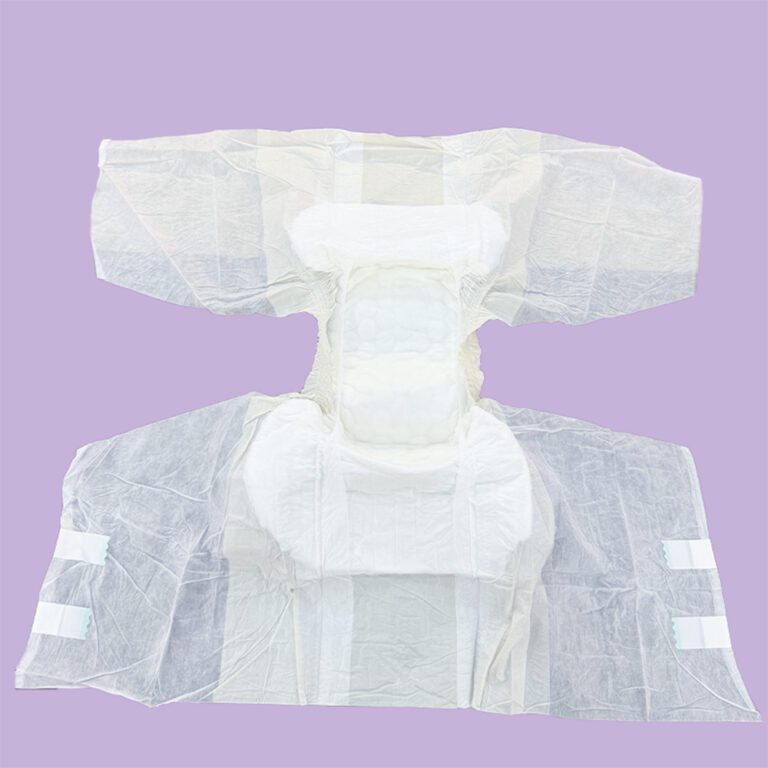
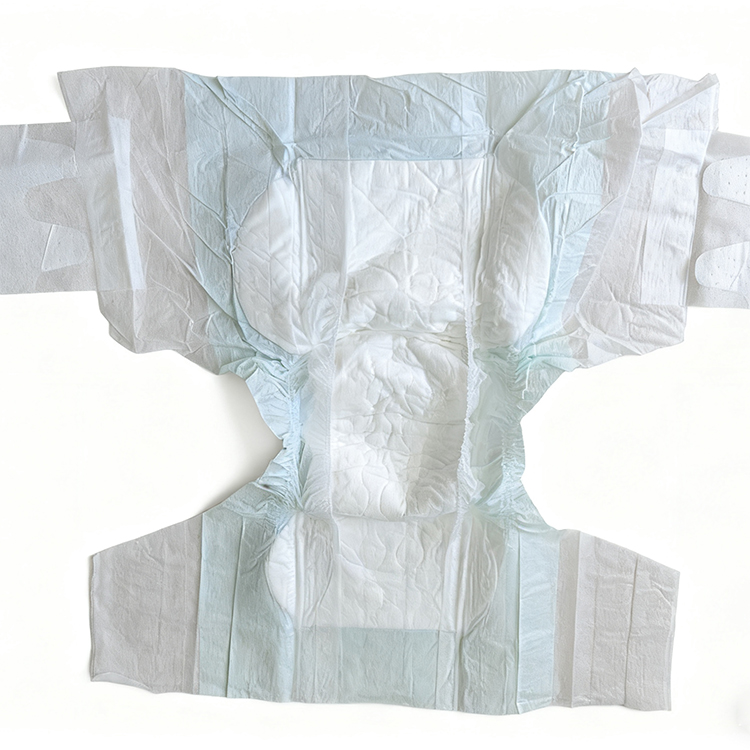
Accurate adult diaper sizing requires more than checking a trouser size. This guide explains how to measure waist, hip, and front-to-back rise, interpret an adult diaper size chart, identify poor fit, and test adjacent sizes before committing to a case or institutional order.

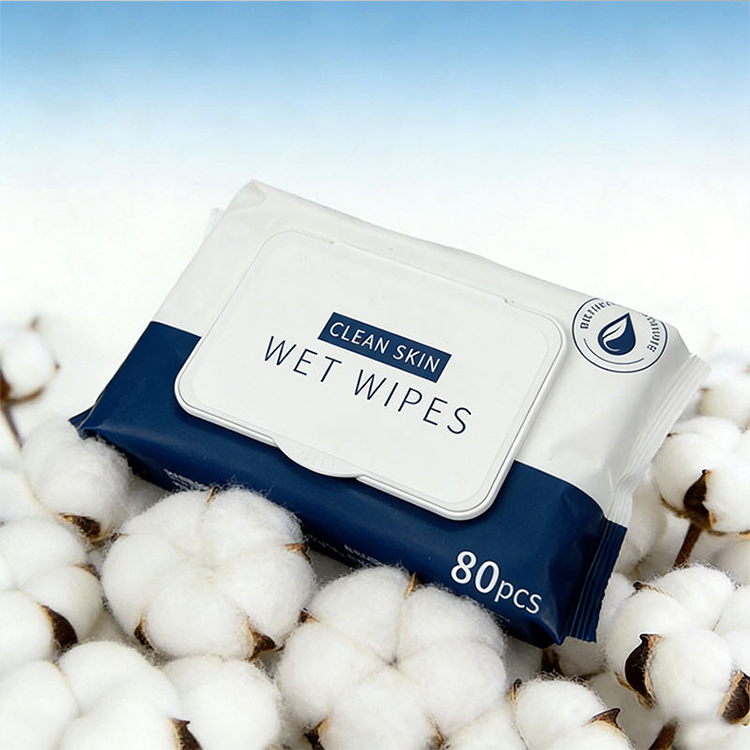
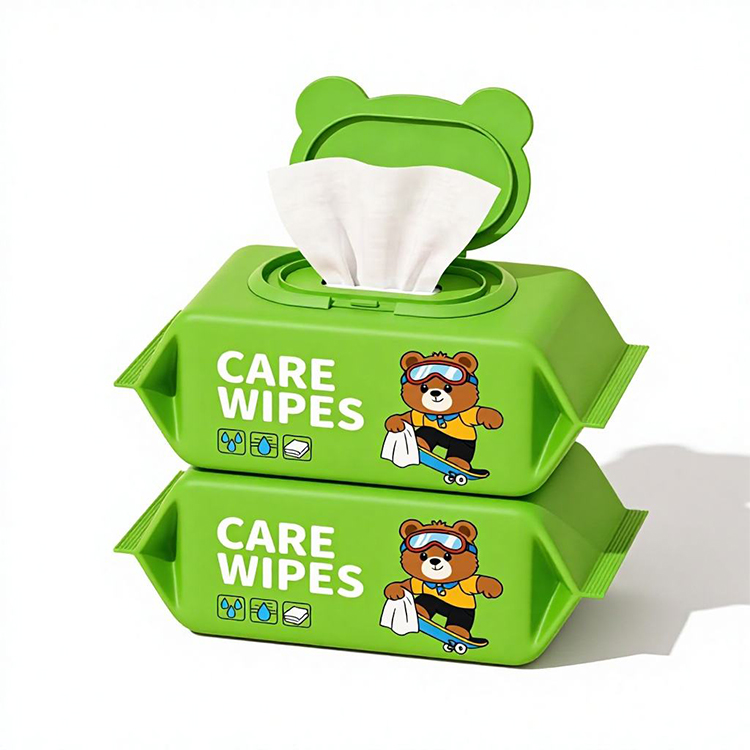
A routine urine-only incontinence change may require just two to four large adult wipes, while bowel incontinence can require four to eight or more. Sheet size, stool consistency, mobility, skin condition, and caregiver technique matter more than any fixed number.

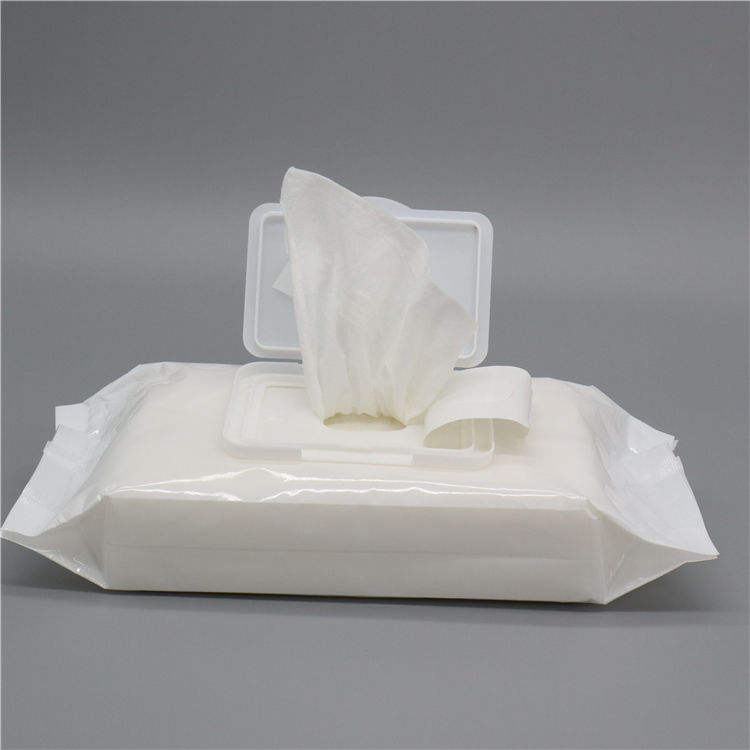
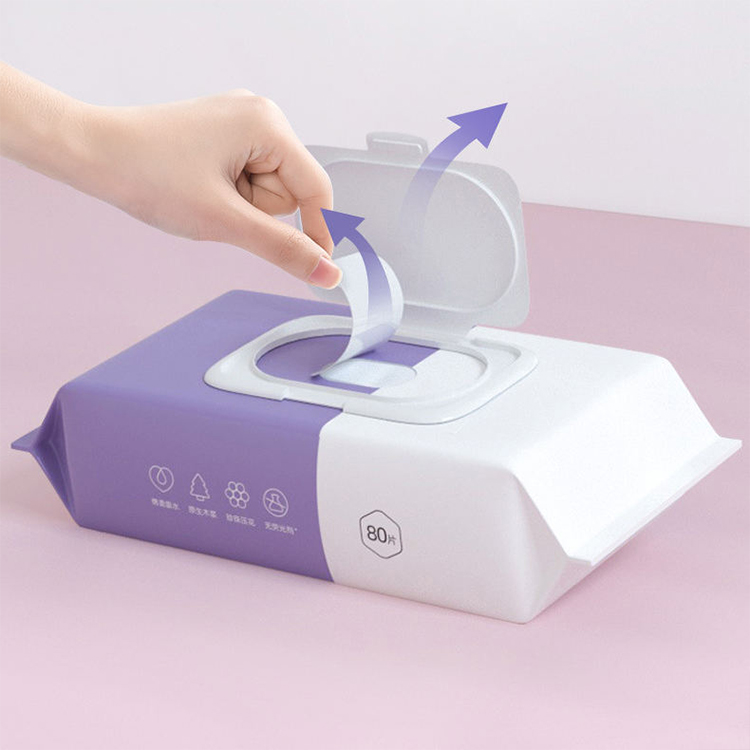
Adult wipes commonly dry out because of weak seals, prolonged air exposure, heat, or uneven lotion distribution. This guide explains how caregivers can protect an opened pack, when a secondary container helps, why adding water is unsafe, and what buyers should test before approving packaging.

A liner should manage small, predictable bladder leaks without disrupting the user’s day. When leakage volume, flow rate, posture, or change frequency exceeds that job, moving up to a properly fitted pad is usually more sensible than tolerating repeated failures.

Adult wipes and baby wipes may look similar, but they are engineered for different users, cleanup areas, and care routines. This guide explains where baby wipes are adequate, where they fail, and what caregivers and private-label buyers should inspect before choosing a product.

Sensitive skin care is not solved by putting “hypoallergenic” on a wipe pack. This guide examines the formula, sheet construction, cleansing technique, regulatory claims, and quality controls that separate genuinely gentle adult wipes from ordinary wet wipes.

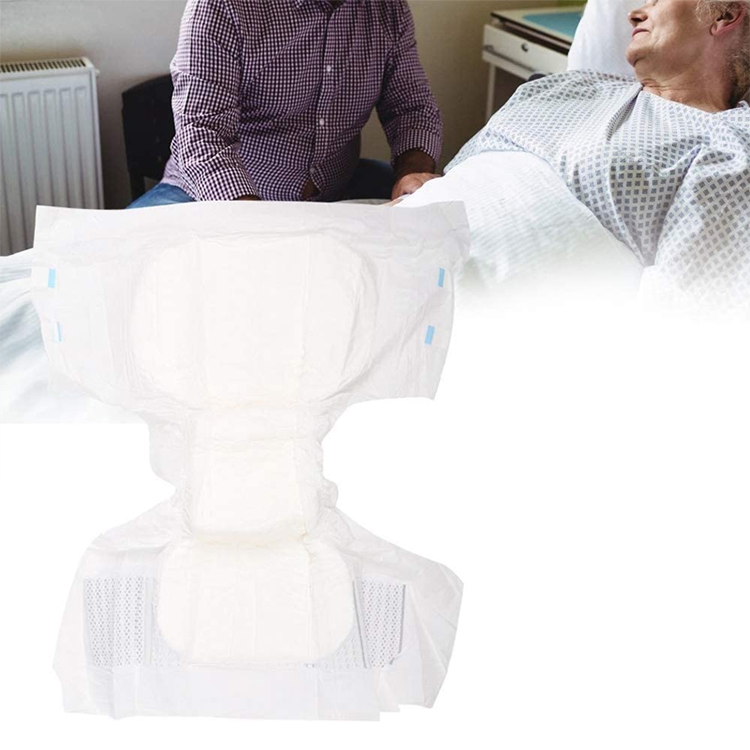
Tape strength is not a cosmetic feature in adult diapers with tabs. It determines whether caregivers can fit, inspect, reposition, and reseal a brief without causing leaks, wasted products, or avoidable handling.

Male guards concentrate absorbency where men typically leak, while women’s pads use a longer central protection zone. Here is how geometry, fluid intake, fit, and real-world movement determine which format works.

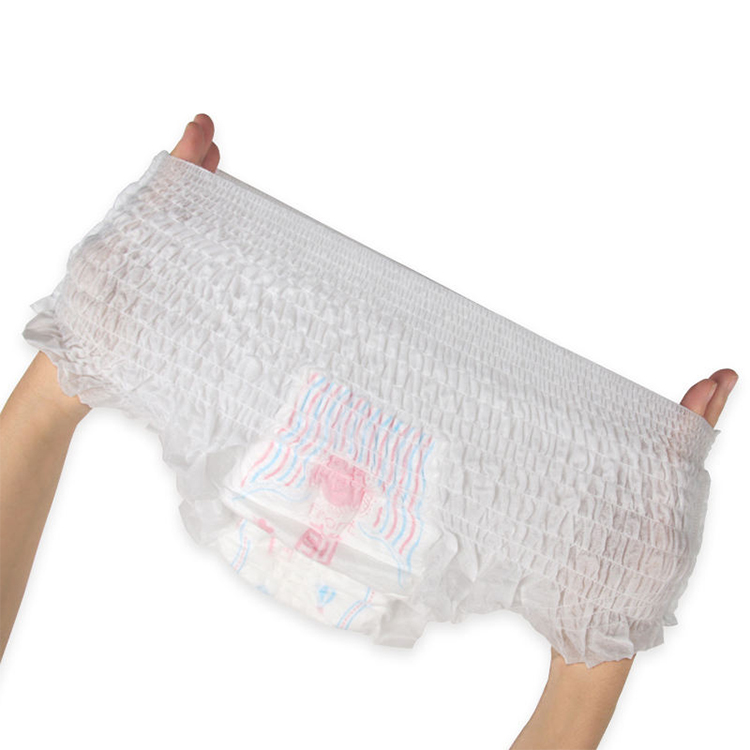
Incontinence underwear usually performs best during active daytime use, but selected overnight products can work for moderate leakage. Here is where pull-ons succeed, where they fail, and when a tab-style brief is the more honest choice.

High-Absorbency Underpads are not "extra bed linen." They are surface-protection tools that influence labor time, infection-control habits, skin-risk administration, family perception, and purchase waste. Here is where they in fact belong.
Professional Adult Incontinence Products Manufacturer | OEM / ODM Since 2010
Premium adult diapers, incontinence pads, underpads, and OEM/ODM solutions tailored to your market.