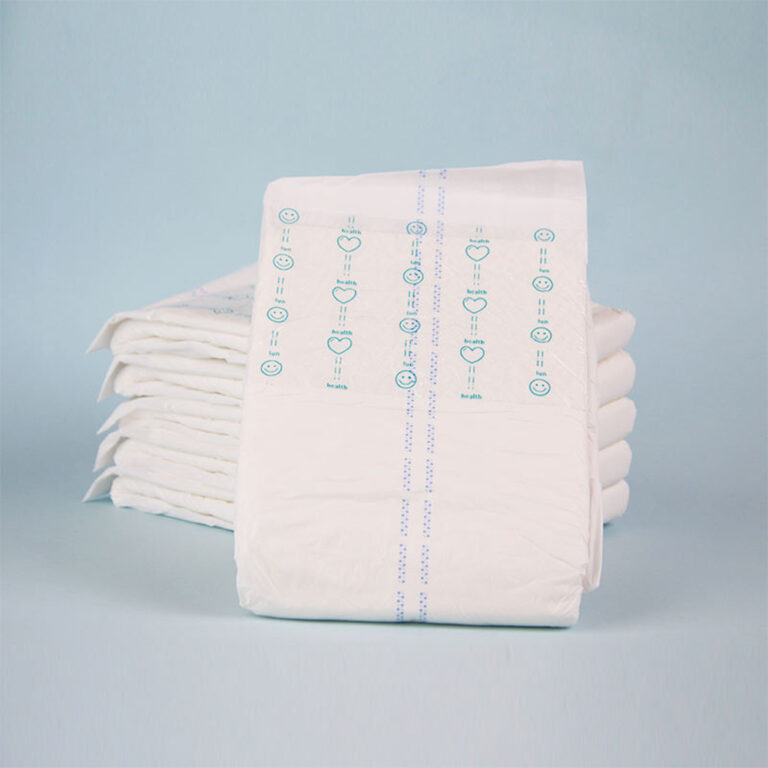


Adult diaper leakage is rarely a one-product loss. In hospitals, nursing homes, rehabilitation centers, and assisted-living facilities, every failure can trigger extra labor, linen processing, cleansing, skin monitoring, documentation, waste, and resident complaints.

Aging in place is changing who selects, purchases, stores, and uses adult incontinence products. We examine the demographic evidence, product-design consequences, and commercial decisions manufacturers and private-label buyers can no longer postpone.

Accurate adult diaper sizing requires more than checking a trouser size. This guide explains how to measure waist, hip, and front-to-back rise, interpret an adult diaper size chart, identify poor fit, and test adjacent sizes before committing to a case or institutional order.

Adult diaper MOQ is not a single factory number. It changes when buyers alter product dimensions, absorbent materials, pack counts, printed film, language versions, or carton specifications. This guide explains which decisions raise minimums fastest, where hidden per-SKU limits appear, and how to reduce launch risk without settling for a weak product.

Standardizing underpad sizes does not mean forcing every ward to use one pad. It means defining approved dimensions, absorbent zones, tolerances, and applications so purchasing teams can compare suppliers, consolidate demand, prevent substitutions, and measure real cost per protected care episode.

Absorbency gets the headlines, but closure geometry determines whether a premium ABDL diaper remains fitted after sitting, sleeping, movement, and repeated adjustments. This guide explains what extra-wide tape panels actually do—and how buyers can distinguish functional engineering from oversized decoration.

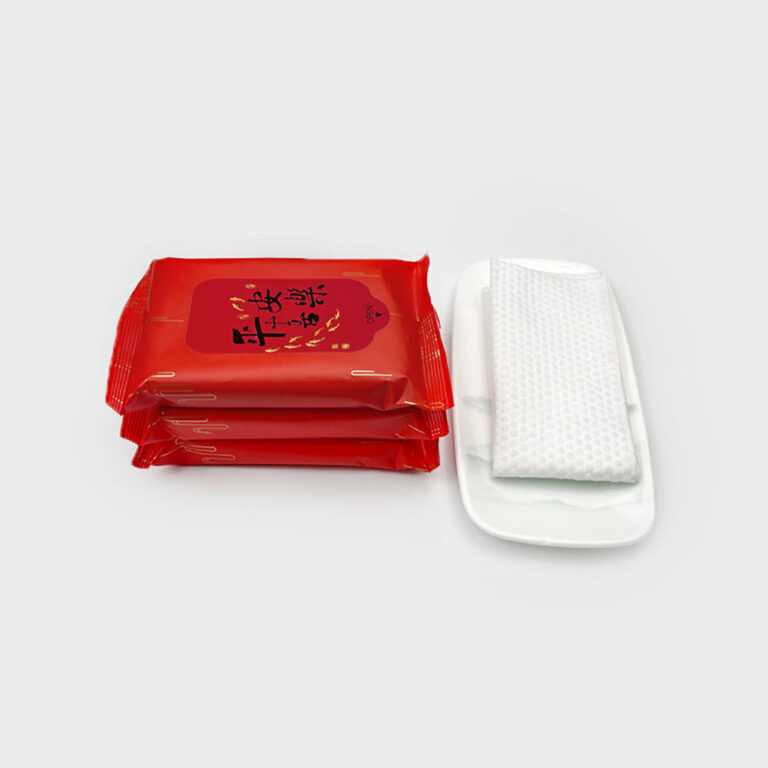
A routine urine-only incontinence change may require just two to four large adult wipes, while bowel incontinence can require four to eight or more. Sheet size, stool consistency, mobility, skin condition, and caregiver technique matter more than any fixed number.

Disposable underpads should not be changed according to one rigid timetable. They should be inspected frequently and replaced whenever they become wet, soiled, contaminated, damaged, bunched, or unable to maintain a dry contact surface.

Thinner adult diapers can reduce material use, carton volume, and freight emissions—but only when the redesign increases verified load efficiency without raising leakage, rewet, change frequency, or returns. This analysis shows buyers how to separate a defensible low-carbon product from a compressed brief with a polished sustainability claim.

Adult diapers do not reduce operating costs merely because they are disposable. Savings appear when the right brief prevents leakage, avoids unnecessary bedding changes, reduces caregiver handling, and works with underpads, cleansing products, scheduled toileting, and documented care protocols.
Professional Adult Incontinence Products Manufacturer | OEM / ODM Since 2010
Premium adult diapers, incontinence pads, underpads, and OEM/ODM solutions tailored to your market.