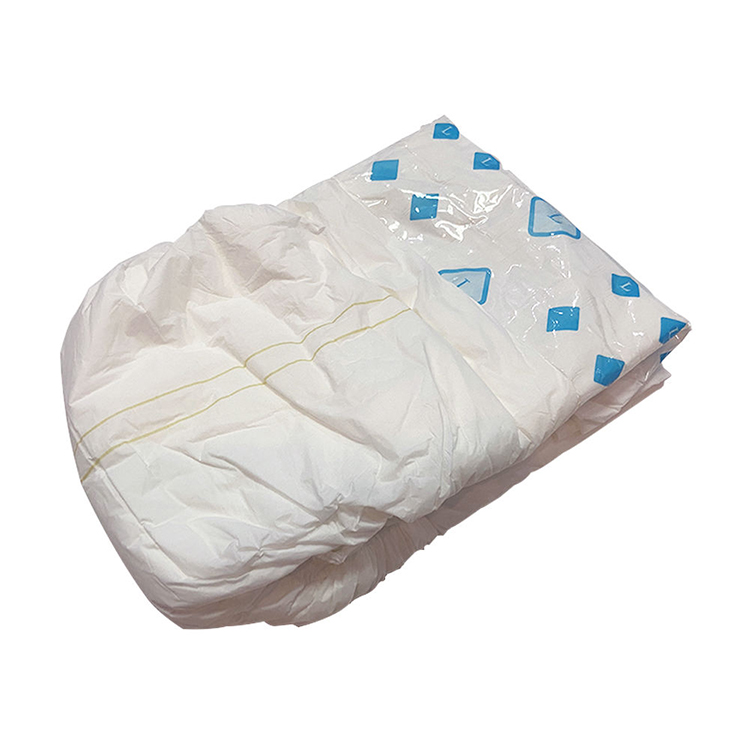


Aging populations are not simply increasing sales of adult diapers. They are changing which products buyers need, how ranges are segmented, what caregivers expect, and how manufacturers must plan capacity, compliance, and product performance.

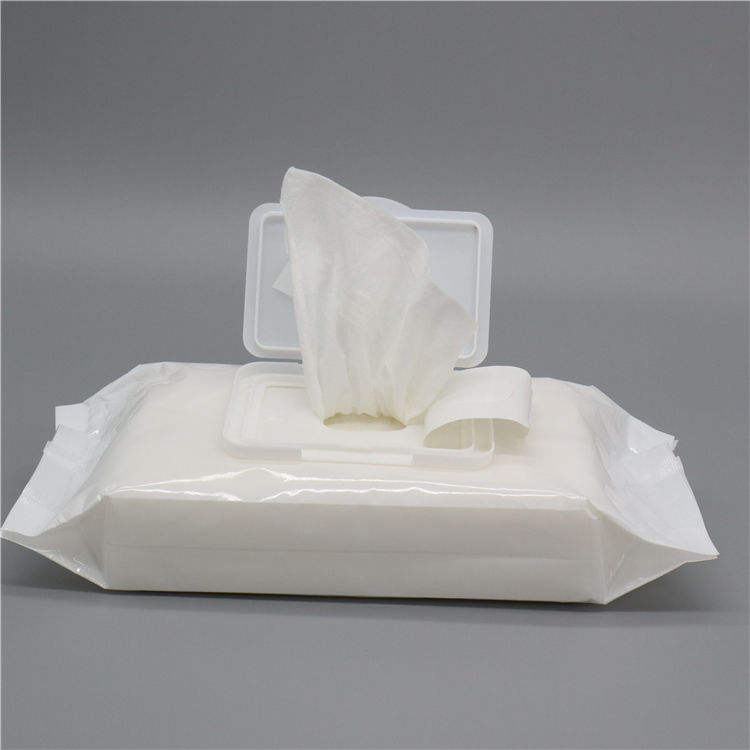
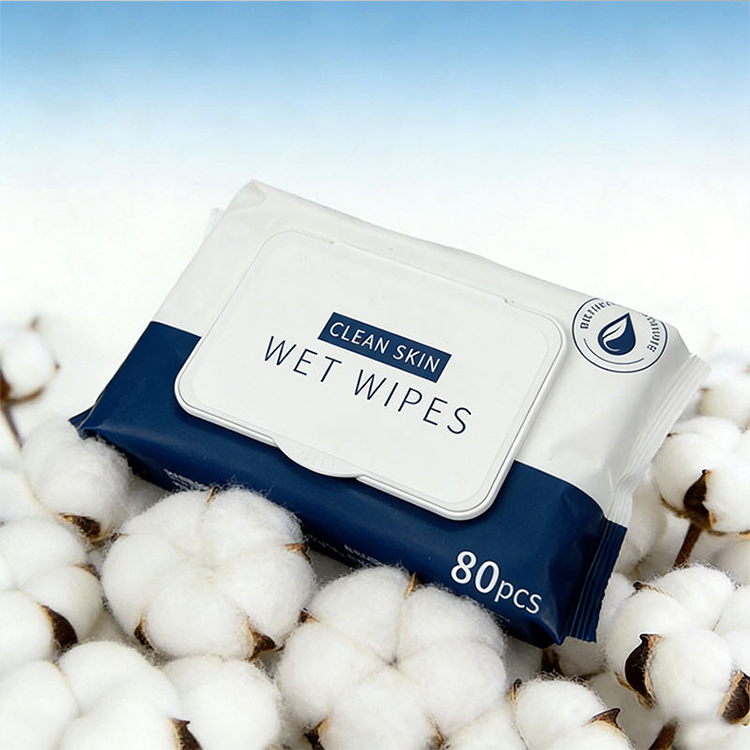
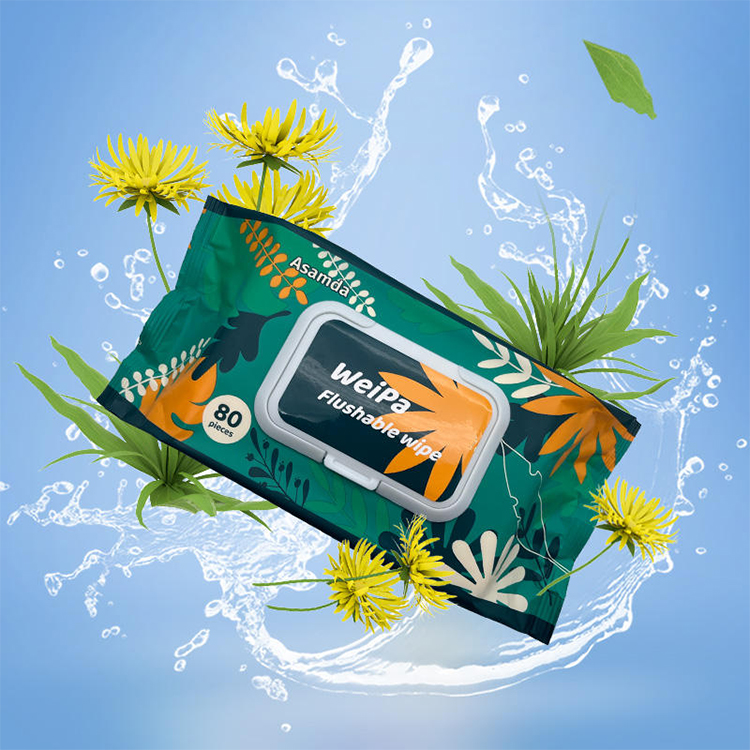
Adult wipes and baby wipes may look similar, but they are engineered for different users, cleanup areas, and care routines. This guide explains where baby wipes are adequate, where they fail, and what caregivers and private-label buyers should inspect before choosing a product.

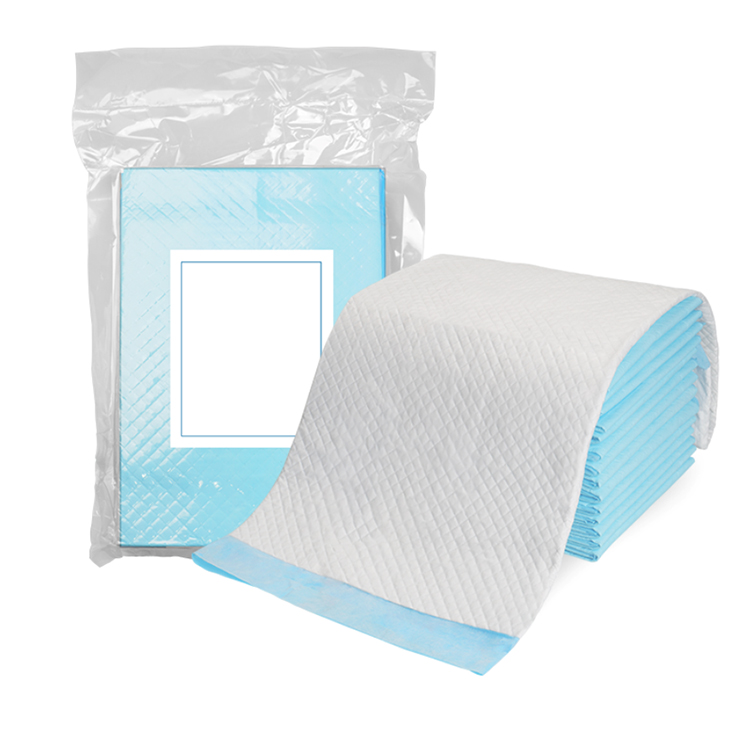
Repeat purchases do not come from offering the largest possible pad catalogue. They come from giving customers a clear path from leakage level and anatomy to a product they can trust, recognize, and reorder without starting the selection process again.

Sensitive skin care is not solved by putting “hypoallergenic” on a wipe pack. This guide examines the formula, sheet construction, cleansing technique, regulatory claims, and quality controls that separate genuinely gentle adult wipes from ordinary wet wipes.

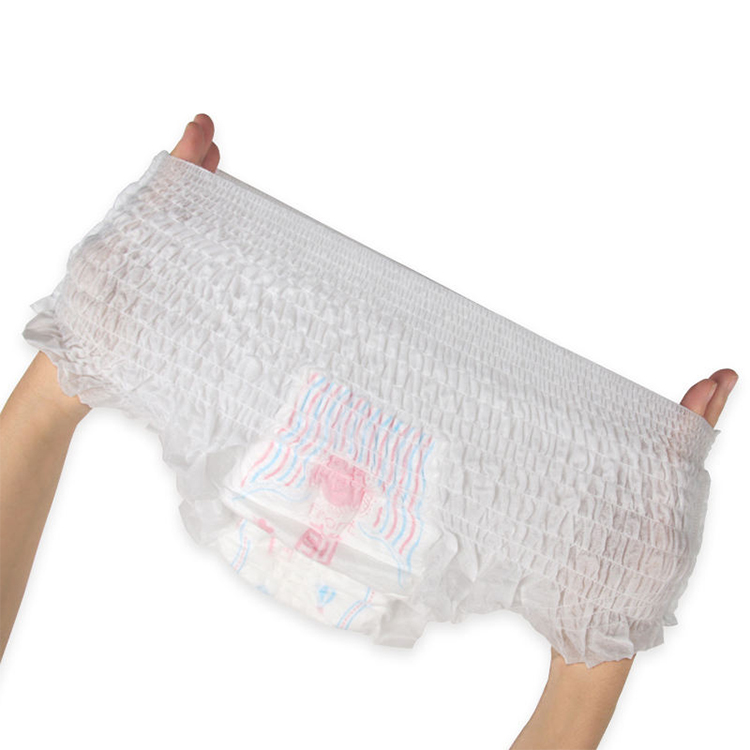
Effective men’s incontinence underwear is not a unisex pull-up in darker packaging. This guide explains how manufacturers and private-label buyers can translate real male use cases into core placement, fit architecture, material choices, testing protocols, and measurable product specifications.

OEM incontinence pad customization is not a packaging exercise. This guide explains how professional buyers should define performance, materials, fit, testing, labeling and production controls before approving a private-label product.

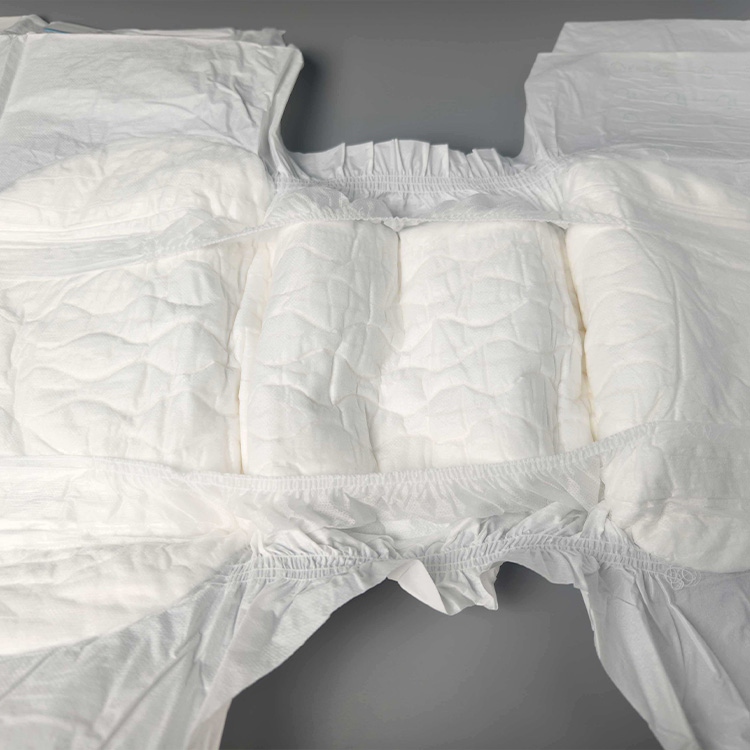
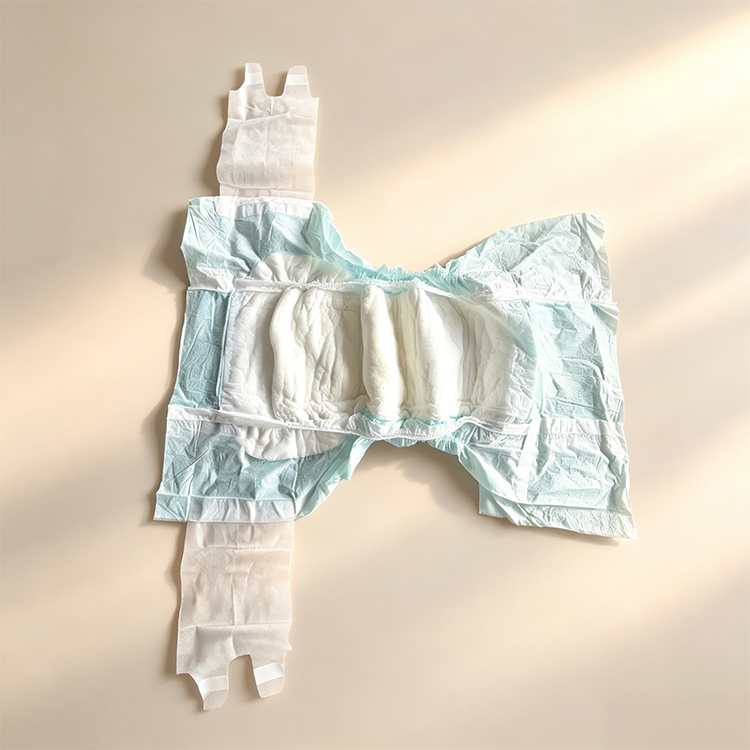
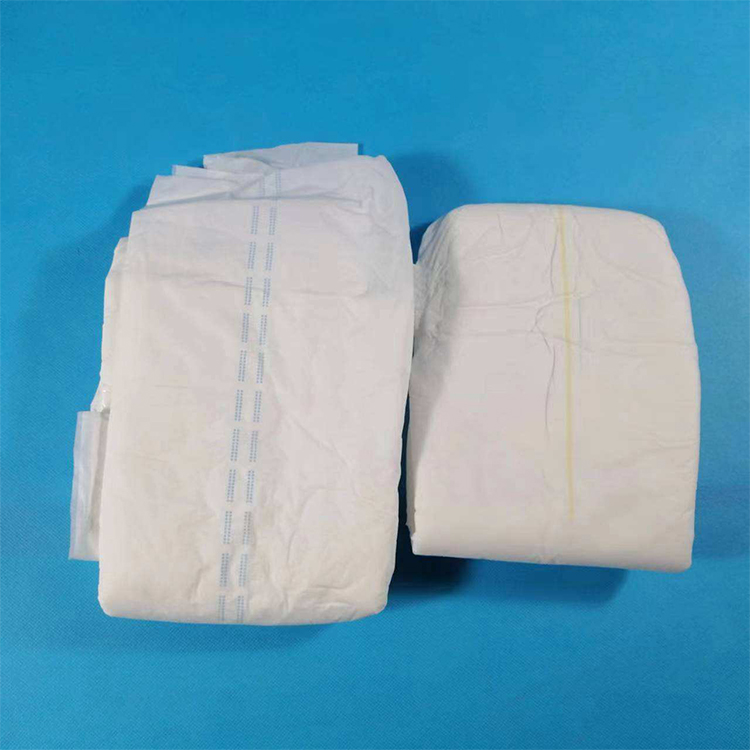
Tape strength is not a cosmetic feature in adult diapers with tabs. It determines whether caregivers can fit, inspect, reposition, and reseal a brief without causing leaks, wasted products, or avoidable handling.

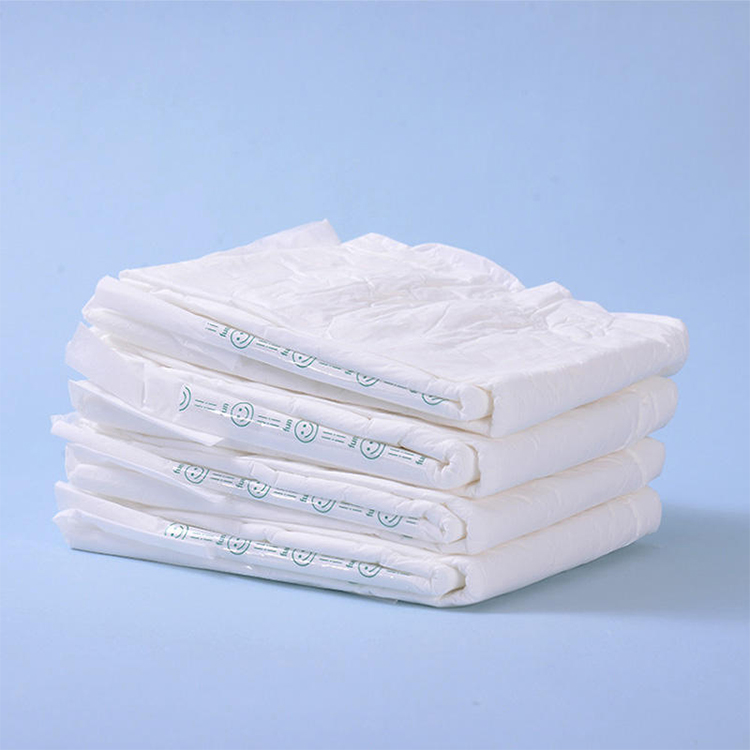
An adult diaper QC report should do more than show product photos and a pass stamp. It must identify the lot, explain the sampling plan, record measurable performance results, classify defects, verify packaging, disclose failures, and document who authorized shipment release. Here is the buyer-grade version.

Male guards concentrate absorbency where men typically leak, while women’s pads use a longer central protection zone. Here is how geometry, fluid intake, fit, and real-world movement determine which format works.

Incontinence underwear usually performs best during active daytime use, but selected overnight products can work for moderate leakage. Here is where pull-ons succeed, where they fail, and when a tab-style brief is the more honest choice.
Professional Adult Incontinence Products Manufacturer | OEM / ODM Since 2010
Premium adult diapers, incontinence pads, underpads, and OEM/ODM solutions tailored to your market.