How Many Adult Wipes Are Typically Needed for a Full Incontinence Change?
For a routine urine-only incontinence change, caregivers typically need 2–4 large adult wipes. A change involving a formed bowel movement usually requires 4–8 wipes, while loose stool, widespread contamination, larger body size, deep skin folds, or limited mobility may push consumption to 8–12 wipes or more.
That is the useful answer.
It is not a medical rule, however, because no credible nursing guideline assigns one fixed wipe count to every adult diaper change; the real target is complete, low-friction cleansing with no visible urine, fecal matter, cleanser residue, or trapped moisture left against the skin. Why would we pretend one number fits every body and every episode?
The Practical Wipe Count Most Caregivers Actually Need
When people ask how many wipes per diaper change they need, they often expect one clean number. Three. Five. Maybe six.
Real care is messier.
My working benchmark is three adult wipes for an ordinary urine-only change and six for a bowel change. I would use those figures for household stock planning, nursing-home consumption estimates, private-label pack development, or distributor forecasting—but never as a limit that forces a caregiver to stop before the skin is clean.
A “full incontinence change” normally includes removing the used brief, cleaning the perineal area and surrounding skin, checking for redness or damage, allowing the area to dry, applying a prescribed skin protectant when required, and fitting a clean absorbent product. Surface cleaning, gloves, disposal bags, linens, and hand hygiene are separate requirements.
The distinction matters because the adult wipes used on skin should not be counted as general-purpose bed or furniture cleaning wipes. A caregiver who uses five wipes on the person and another four on the mattress did not complete a “nine-wipe skin cleanse.” They completed two different jobs with products that should be specified separately.
Adult Wipes Needed by Type of Incontinence Change
The following ranges are practical planning estimates rather than clinical limits. They assume large, adequately moistened adult incontinence wipes—not small baby wipes that tear, dry out, or provide poor hand coverage.
Change scenario
Typical adult wipe count
Why the count changes
Light urine leakage with little skin contact
1–2 wipes
Small affected area and limited residue
Full urine-saturated adult brief change
2–4 wipes
Perineal area, buttocks, folds, and final clean pass
Urine with a minor stool smear
3–5 wipes
Fecal residue requires separate clean surfaces
Formed bowel movement
4–8 wipes
More material removal and repeated clean passes
Loose or liquid stool
6–10+ wipes
Wider spread, greater skin-fold contamination, more final checks
Heavy leakage affecting thighs or lower back
6–12+ wipes
Cleansing extends beyond the brief-covered area
Full-body or linen contamination
8–15+ wipes
A bedside wash or additional cleansing method may be more efficient
The hard truth is simple: wipe count rises fastest with fecal incontinence, not urine volume alone. Loose stool spreads into creases, contains digestive enzymes, and demands more careful removal without aggressive rubbing.
A study of 381 incontinent nursing-home residents monitored over one month found a 30% incidence of incontinence-associated dermatitis of any category, while 6% developed category 2 skin damage. Reduced mobility, friction and shear, and existing redness were associated with higher risk. That is exactly why I reject bargain wipes that require repeated scrubbing or tear halfway through a change. The PubMed study on skin erosion risk is not a wipe-count study, but it shows what bad moisture and friction control can become.
Why Sheet Size Changes the Answer More Than Pack Count
A pack labeled “80 wipes” tells me almost nothing.
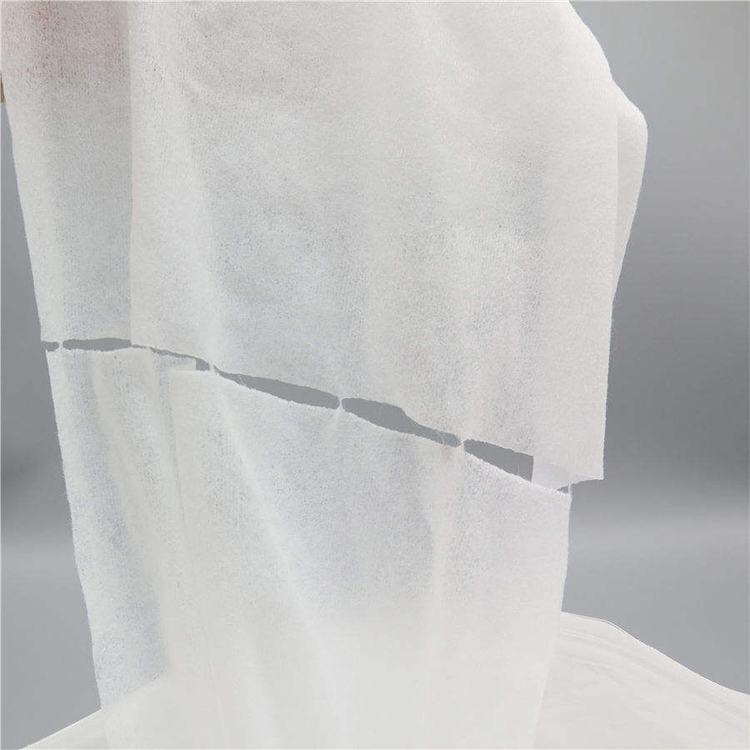
I want to know the unfolded sheet dimensions, basis weight or GSM, wet tensile strength, lotion load, dispensing reliability, and whether the material maintains enough structure when pushed into a skin fold. A weak 15 × 18 cm wipe and a durable 20 × 30 cm wipe are not interchangeable units, even when procurement software counts both as “one piece.”
Count the coverage.
When one large sheet can remove initial contamination, fold to expose a clean surface, and complete another controlled pass without stretching apart, the caregiver may finish a urine-only change with two or three wipes; when a small sheet bunches in the hand, transfers soil back onto the skin, or arrives half-dry from a weak closure, the same change may burn through six.
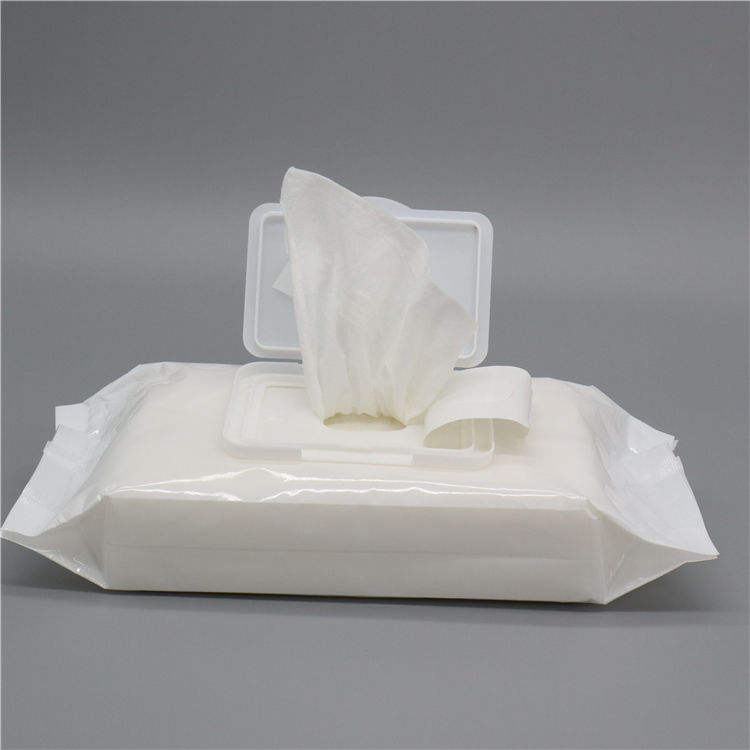
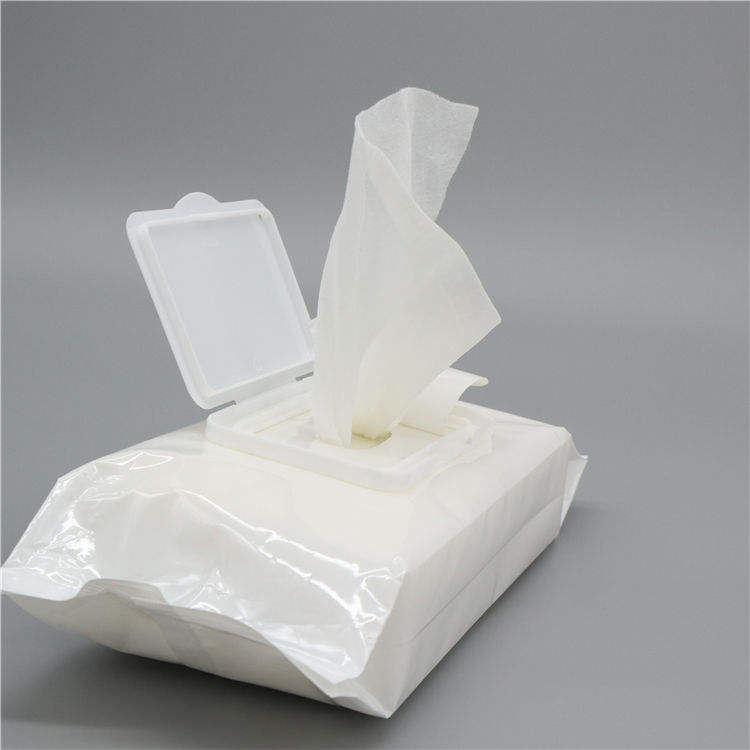
That is why the site’s pH-balanced, alcohol-free adult body wipes should be evaluated by usable sheet performance, not the biggest number printed on the front of the pack. The product page identifies large-size options, nonwoven sheet choices, multiple pack formats, and custom counts, all of which can affect actual consumption per change.
The Baby-Wipe Comparison Is Usually False Economy
Baby wipes can appear cheaper per sheet. But adults have larger cleansing areas, deeper folds, heavier episodes, different mobility limitations, and a greater chance that the caregiver is working with one hand while repositioning the person with the other.
So the cheaper unit may create the higher cost per completed change.
If five small wipes are required where three adult wipes would work, a 25% lower unit price does not save money. It increases dispensing time, packaging waste, exposure to air, and the number of hand movements required during a physically demanding task.
I would therefore measure wipes per completed change, not price per wipe.
Urine-Only Changes and Bowel Changes Should Not Share One Budget
A urine-only change is usually a controlled cleansing job. The affected skin area may be broad, but urine itself can often be removed with fewer large wipes when the brief has contained the episode correctly.
Bowel incontinence is different.
Fecal material must be removed from the skin thoroughly and gently, especially around folds and the perianal area. A caregiver also needs a genuinely clean final pass rather than stopping because the last wipe looks “clean enough.”
The 2025 NIH-indexed review of incontinence-associated dermatitis in older adults describes prolonged and repeated exposure to urine or feces as a cause of IAD and recommends mild cleansing, regular absorbent-product changes, and protective skin care. The guidance focuses on skin outcome, not rationing wipes to a preset number.
A separate Cochrane review of IAD prevention and treatment reported that two included trials found traditional soap-and-water routines performed poorly compared with certain purpose-designed cleansing approaches, although the overall evidence base was limited. My reading is blunt: more rubbing with a rough cloth is not a professional substitute for a suitable no-rinse cleansing product.
How to Clean an Adult During a Diaper Change Without Wasting Wipes
Efficiency should come from preparation and technique—not under-cleaning.
Prepare Before Opening the Brief
Place the clean brief, gloves, adult wipes, disposal bag, skin protectant if prescribed, and a protective underpad within reach before beginning. Once the soiled product is open, searching a cupboard for another pack is both inefficient and undignified.
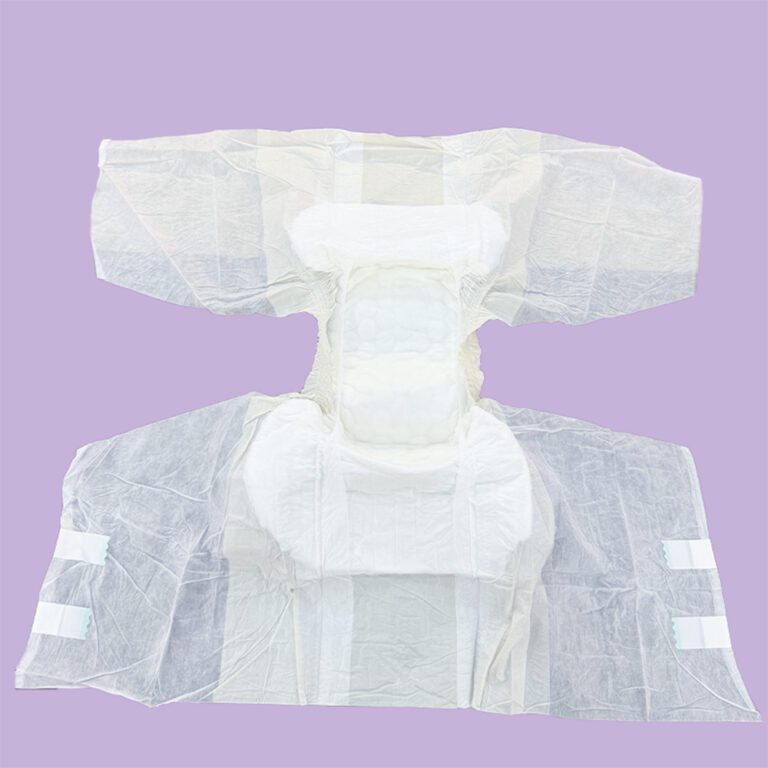
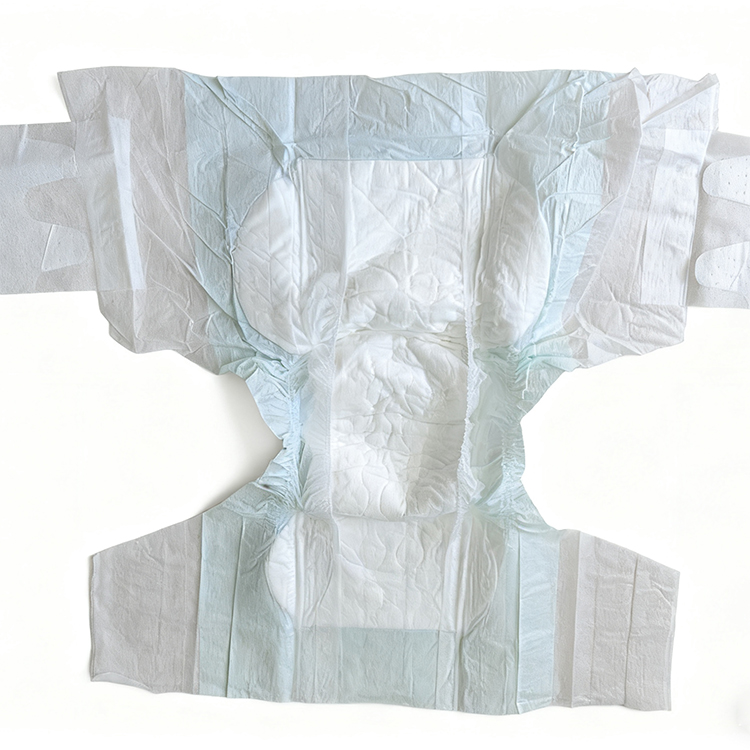
For bed-level care, adult diapers with tabs can be opened and adjusted while the person is lying down, which generally gives the caregiver better access than trying to pull absorbent underwear down over the legs.
Use the Old Brief for Initial Containment
When appropriate, the cleaner inner portion of the used brief can help contain bulk stool during removal before the wipe cleansing stage begins. That is not a replacement for cleaning the skin. It simply prevents the first two wipes from becoming expensive shovels.
Work From Cleaner Areas Toward Dirtier Areas
Use controlled passes and avoid moving contamination back across already-cleaned skin. In female perineal care, front-to-back cleansing helps reduce transfer toward the urinary opening.
Each new wipe—or each newly exposed clean surface of a folded wipe—should move the process forward. Endless back-and-forth scrubbing is not efficiency. It is friction.
Inspect, Do Not Guess
Check the buttocks, groin, perineum, upper thighs, lower back, and relevant skin folds. Redness, broken skin, bleeding, unusual discharge, persistent rash, pain, or suspected infection should be escalated according to the person’s care plan or reviewed by a qualified healthcare professional.
MedlinePlus guidance on skin care and incontinence warns that prolonged moisture can contribute to redness, peeling, irritation, yeast infection, and pressure-related skin problems. That makes the final skin check part of the change—not an optional extra.
Let the Skin Dry Before Refitting
The goal is clean, dry skin with as little rubbing as possible. Trapping excess lotion, urine, or cleansing moisture beneath a fresh brief defeats half the work that just happened.
A disposable or washable underpad for beds and care surfaces can also reduce the spread of leakage, simplify repositioning, and prevent the caregiver from using skin wipes to clean a mattress.
The Formula Matters When Wipes Are Used Several Times a Day
Frequent wiping means repeated exposure to fiber, water, surfactants, preservatives, moisturizers, and possibly fragrance ingredients.
That does not make preservatives inherently bad; wipes need microbial control during storage and use. But it does mean procurement teams should stop treating formula review as decorative paperwork.
The U.S. FDA’s disposable-wipes guidance explains that wipes may contain polyester, polypropylene, cotton, wood pulp, or rayon, together with cleansing agents, moisturizers, and preservatives that control bacterial and mold growth. It also states that “unscented” wipes may still contain masking fragrance, whereas a product presented as fragrance-free should not contain added fragrance ingredients.
My default for frequent incontinence care is fragrance-free, alcohol-free, adequately lubricated, and pH-balanced. Not because every scented wipe causes a reaction. Because added fragrance is one variable that institutional and sensitive-skin buyers rarely need.
For a closer procurement comparison, see fragranced versus fragrance-free adult wipes. The distinction becomes especially important when the same person may be cleaned four, six, or eight times in 24 hours.
How Many Wipes Should a Care Facility Order?
Start with observed changes, not sales forecasts copied from another facility.
A basic monthly model is:
Daily wipes = urine-only changes × average urine wipe count + bowel changes × average bowel wipe count
Here are three planning examples:
Care profile
Daily calculation
Approximate monthly use
Four urine-only changes at 3 wipes each
4 × 3 = 12
360 wipes
Four urine changes plus one bowel change
4 × 3 + 1 × 6 = 18
540 wipes
Five mixed or high-dependency changes at 7 wipes each
5 × 7 = 35
1,050 wipes
These numbers are starting assumptions. A serious seven-to-fourteen-day trial should record actual wipes per change, type of episode, staff feedback, dispensing failures, torn sheets, dried sheets, skin observations, and unfinished packs discarded after contamination.
And this is where manufacturers often mislead themselves. They celebrate a lower sheet cost while ignoring that poor wet strength adds two wipes to every bowel change.
For 100 residents receiving one bowel-related change daily, two unnecessary wipes per change become 6,000 extra wipes every 30 days. The unit-price saving can disappear before anyone reaches the second line of the spreadsheet.
What B2B Buyers Should Test Before Approving Adult Incontinence Wipes
I would not approve a private-label wipe from a specification sheet alone.
Test it in realistic care simulations and record:
Average wipes used for urine-only and bowel changes
Unfolded sheet size and usable hand coverage
Wet tensile strength when pulled and folded
Lotion distribution from the first sheet to the last
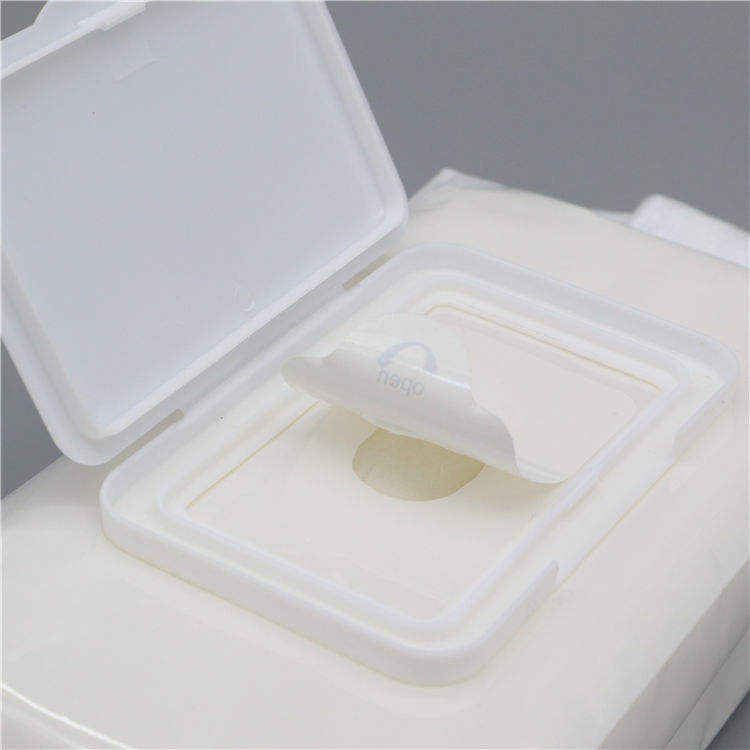
One-handed dispensing and lid resealing
Skin feel after repeated use
Formula pH target and ingredient documentation
Fragrance-free versus unscented wording
Pack dry-out after repeated opening
Compatibility with barrier creams and absorbent briefs
Clear disposal instructions
Microbiological, stability, and packaging test documentation
The best wipes for incontinence care are not necessarily the softest sample in the conference room. They are the wipes that remain soft, wet, strong, easy to dispense, and predictable during the fifth difficult change of the day.
FAQs
How many adult wipes are normally needed for one full incontinence change?
A routine full urine-only incontinence change generally requires two to four large adult wipes, while a bowel-related change normally requires four to eight; loose stool, larger cleansing areas, deep skin folds, restricted mobility, or heavy leakage can increase the requirement to eight, ten, or more wipes.
These figures should be used for stock planning rather than as a limit. Continue cleansing until the skin is visibly clean and appropriately dry.
How many wipes per diaper change should caregivers budget for?
Caregivers should budget about three large wipes for a standard urine-only adult diaper change and approximately six wipes for a typical bowel change, then add reserve stock for loose stool, heavy leakage, bariatric care, fragile skin, dispensing failures, and situations where contamination reaches the thighs, back, clothing, or bedding.
A facility should replace these assumptions with its own measured average after a controlled use trial.
Are adult incontinence wipes better than baby wipes?
Adult incontinence wipes are generally better suited to full adult changes because they are commonly larger, stronger, and designed to cover broader skin areas, reducing the number of sheets and hand movements required; baby wipes may work for minor cleanup, but their smaller size can increase consumption and make bowel care less efficient.
Buyers should compare cost per completed change rather than cost per individual sheet.
What are the best wipes for incontinence care?
The best wipes for incontinence care are large, soft, strong, adequately moistened cleansing sheets with dependable dispensing, low-friction performance, clear ingredient documentation, and a formula appropriate for repeated skin contact; fragrance-free, alcohol-free, pH-balanced options are often the most defensible starting point for sensitive or institutional users.
No wipe should replace clinical assessment when the person has broken skin, persistent redness, bleeding, pain, or signs of infection.
Should caregivers use a fixed number of wipes for every change?
Caregivers should not use a fixed wipe limit because the correct quantity depends on whether the episode involves urine, formed stool, loose stool, skin folds, restricted mobility, body size, leakage beyond the brief, and wipe dimensions; the proper endpoint is clean, dry skin achieved without excessive rubbing or repeated contamination.
A numeric range is useful for purchasing. It should never become a reason to leave residue on the skin.
Can one adult wipe be folded and used more than once?
One adult wipe may be folded to expose unused clean surfaces during the same cleansing sequence when the product remains intact and the technique does not move contamination back onto clean skin; once every usable surface is soiled, or the wipe tears, dries, or becomes heavily contaminated, it should be discarded immediately.
A fresh wipe should be used for the final clean pass rather than stretching one dirty sheet beyond sensible use.
Why do bowel changes require more adult wipes?
Bowel changes require more adult wipes because fecal material can spread across the buttocks, perianal area, groin, thighs, and skin folds, while loose stool is harder to contain and may expose skin to digestive enzymes; caregivers therefore need more clean wiping surfaces and more careful final inspection than with urine alone.
The increased count is not waste. It reflects a different contamination load and a higher skin-protection burden.
Build a More Predictable Incontinence Care Kit
Stop estimating wipe demand by pack price alone.
Record the actual number of adult wipes used during urine-only changes, formed-stool changes, and loose-stool episodes for at least seven days. Then compare sheet size, wet strength, formula, closure performance, staff time, and cost per completed change.
The right wipe is not the one that looks cheapest in a carton.
It is the one caregivers need fewer of, trust more, and can use without turning routine hygiene into repeated friction, wasted time, or avoidable skin risk.