Fragranced vs Fragrance-Free Adult Wipes: How Buyers Should Decide
The first mistake happens early
Scent sells fast.
But in adult care, especially when wipes are used for perineal cleanup, body cleansing between showers, post-change freshening, and repeated incontinence routines, the prettier smell is often the least important variable, while skin tolerance, wet strength, closure integrity, wipe size, and complaint rates are the numbers that come back later and bite the buyer. Why do so many teams still buy the perfume story first?
I do not buy it. I have seen too many sourcing conversations drift into lavender, aloe, chamomile, “spa feel,” and other retail fluff while nobody in the room asks the plain question: how many times a day will this wipe touch compromised skin, and what happens on day 10, not day one?
That question is not niche. The 2024 NIDDK Urologic Diseases in America Annual Data Report found claims-based urinary incontinence prevalence among Medicare fee-for-service adults age 65+ rose from 5.6% in 2012 to 6.1% in 2021, and hit 10.6% for adults age 85+ in 2021, which tells you the wipe category sits inside a very real, aging-care demand curve, not some cute add-on aisle.
On this site, the internal structure already points in the right direction: the adult wipes category, the pH-balanced adult body wipes page, and the sharper buyer guide on wipes vs baby wipes for adult care all frame adult cleansing wipes as skin-care workflow, not air-freshener theater. The site also makes clear that the line can be built around fragrance-free or lightly scented formulas, alcohol-free positioning, and multiple pack formats.
Table of Contents
What the label actually means
“Unscented” is not your safe harbor
Labels get slippery.
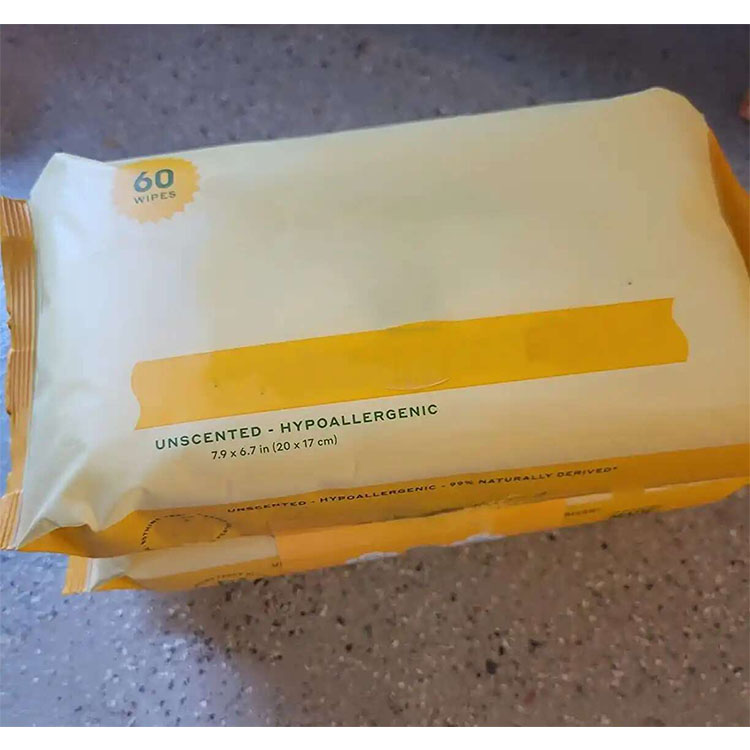
The FDA’s 2024 guidance on disposable wipes says wipes may be labeled scented, unscented, or fragrance-free, but those terms are not governed by a specific FDA regulation; in practice, “unscented” usually means no noticeable smell, yet the product may still contain masking fragrance, while “fragrance-free” products should not contain added fragrance ingredients. Who benefits from that confusion besides lazy marketers?
That is the hard split I want buyers to understand. If your brief says “unscented adult wipes,” you do not automatically have the same thing as fragrance-free adult wipes. And if you are buying for older adults, sensitive skin, recurrent changes, or institutional settings where one complaint can roll uphill into family calls, returns, or staff pushback, that distinction matters a lot more than the front-panel scent name.
The FDA is also blunt on fragrance sensitivity: fragrance ingredients can trigger allergies or sensitivities in some users, and consumers worried about that risk are advised to choose fragrance-free products and check the ingredient list carefully. I think that is the professional default, honestly. Not glamorous. Still right.
My default rule
Default to fragrance-free.
When the wipe is touching fragile skin multiple times per day, when the user is incontinent, immobile, older, or already sitting in a routine that may include barrier creams, pads, pull-ups, or tape briefs, stripping out added fragrance is the cleanest way to remove one irritant variable from the system. Why make your sampling phase harder than it needs to be?
That does not mean fragrance is always wrong. It means fragrance has to earn its keep.
When fragranced adult wipes still make sense
I would approve fragranced adult wet wipes in a narrower set of cases: self-directed adult users, lower-frequency daily hygiene, travel or on-the-go cleansing, retail shelves where the customer actively wants a mild sensory cue, and product lines where the buyer has already tested tolerance with the intended audience.
But here is my unpopular opinion: most buyers overestimate the commercial value of scent and underestimate the financial drag of irritation, complaint tickets, and reformulation. Odor anxiety is real. Perfume is not the same thing as odor control.
The comparison table buyers actually need
Decision Factor
Fragrance-Free Adult Wipes
Fragranced Adult Wipes
My Take
Sensitive skin / frequent perineal use
Lower added-fragrance risk
Higher risk of scent-triggered complaints
Fragrance-free wins by default
Institutional care
Easier to defend in policy and procurement
Harder to standardize across mixed sensitivities
Choose fragrance-free
Retail shelf appeal
Less sensory drama
Often stronger first-impression appeal
Fragranced can work in DTC or pharmacy
“Unscented” label clarity
Usually cleaner when truly fragrance-free
Can confuse if paired with masking scent language
Demand exact ingredient disclosure
Repeat-use routines
Better for long-use testing
Needs tougher tolerance screening
Test fragranced harder, longer
Odor perception
Cleaner but less perfumed
Can feel fresher after use
Do not confuse perfume with hygiene
Claim risk
Simpler positioning
More room for overclaiming or vague wording
Keep the label boring and accurate
Global private label
Easier across mixed markets
Scent preference varies by region fast
Fragrance-free scales better
A wipe does not fix bad containment. If urine sits, if the topsheet stays wet, if changes are late, if disposal is sloppy, the fragrance just floats over the problem for fifteen minutes and then quits. So the smarter internal-link path is to pair wipes with the rest of the system: bladder control underwear for adults for active users, adult diapers with tabs for heavier care when staff need better access and seal control, and disposable underpads for bed and furniture protection when the real pain point is surface cleanup, not just skin contact.
And yes, I would also pull in incontinence pads for mobile, lighter-leak segments, because “best adult wipes for sensitive skin” is not a complete answer if the absorbent product underneath is still wrong.
Where buyers quietly lose money
The legal mess is a clue
Perfume is cheap.
The expensive part comes later, when the category slips from convenience into safety, contamination, disposal, labeling, or deception fights, and then somebody in finance asks why procurement saved pennies while legal and customer service started bleeding dollars. Was that tiny front-end win worth it?
A good reminder came in March 2024, when Bloomberg Law reported that Kimberly-Clark won final approval of a settlement worth between $10 million and $17.5 million over recalled lots of Cottonelle Flushable Wipes contaminated with bacteria. Different use case, yes. Same lesson: wipes are not a trivial category, and sloppy risk thinking gets expensive. (彭博法律新闻)
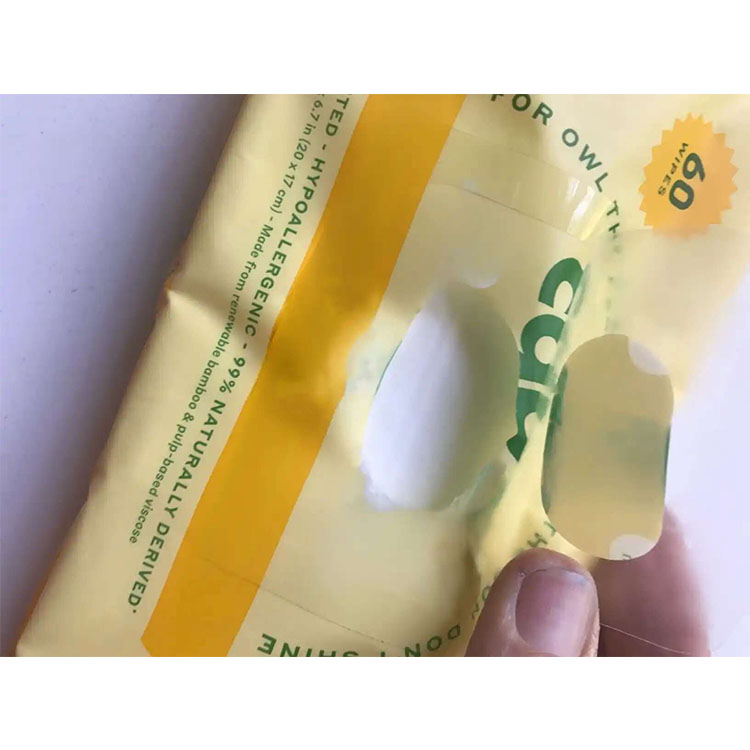
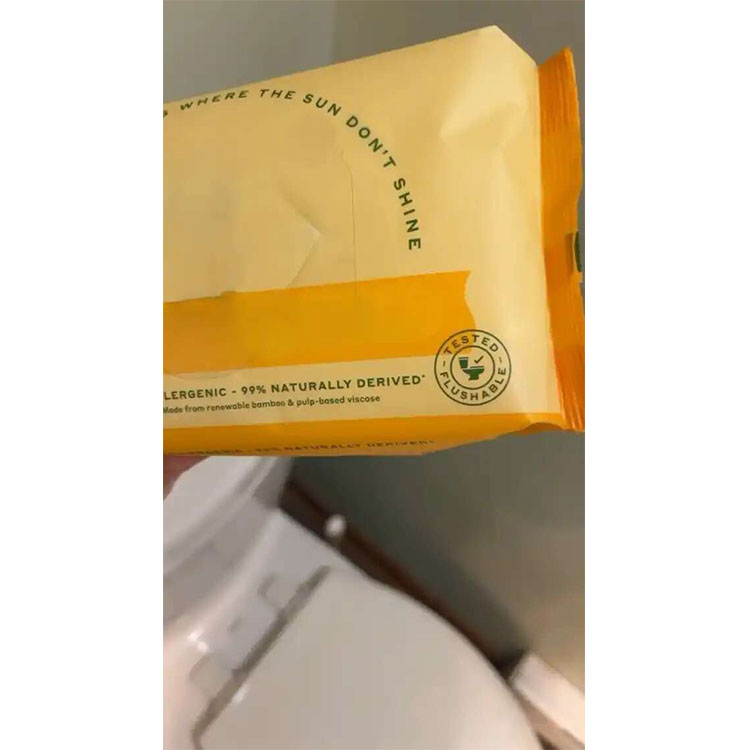
The FDA makes the operational side plain too: keep packs tightly closed, discard used wipes immediately to reduce cross-contamination, and remember that wipes have been recalled for bacteria or mold contamination. I have watched buyers obsess over fragrance notes while ignoring closure quality and storage stability, and that is backwards. The pack seal can matter more than the perfume.
My sampling protocol, not the fake one
I do not trust the standard “feels soft in hand” sample review. Never have.
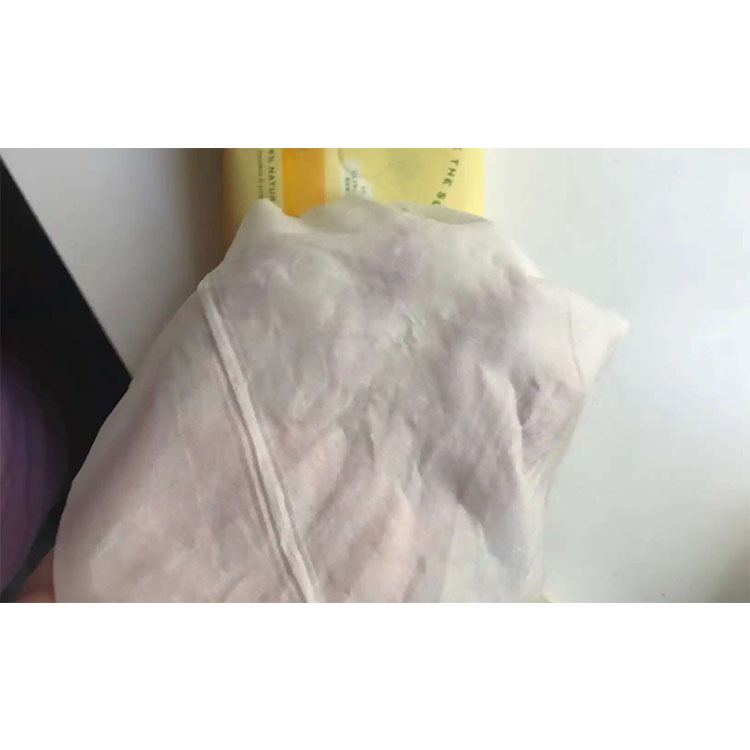
I want a seven-to-fourteen-day trial with real use, real frequency, and real abuse. Open-close cycles. Hot car exposure. Dry-out checks. Two-wipe versus three-wipe change scenarios. Compatibility with zinc oxide and dimethicone barriers. Redness logs. User comments. Caregiver comments. If the fragranced version and the fragrance-free version both survive that, then we can talk economics.
And I want the math ugly and honest:
wipes used per change
complaint rate per 100 users
dry-out after repeated opening
sting or redness reports
residue on skin
residue on absorbent topsheets
reorder confidence
That is how to choose adult wipes. Everything else is mood boarding.
My hard-rule buyer framework
Choose fragrance-free adult wipes when the buyer is risk-averse
My answer is simple.
If the end user is older, fragile, immobile, incontinent, post-procedure, high-frequency-use, or unknown to you at scale, fragrance-free adult wipes are the safer commercial decision because they lower one avoidable source of skin trouble, simplify your positioning, and make sampling easier to interpret. Why pretend this needs more drama?
That is why the site’s current product logic works: adult wipes are positioned around large-size, extra-soft, alcohol-free, balanced-pH cleansing for incontinence and body care, while the broader OEM/ODM services page is built for repeatable supply, spec control, and private-label execution rather than one-off retail gimmicks.
Choose fragranced adult wipes only when the channel can justify it
I would greenlight fragranced adult cleansing wipes when all four of these are true: the users want the scent, use frequency is moderate rather than relentless, the formula has already passed tolerance testing with the intended market, and the commercial upside is real enough to justify the extra variable.
That usually means retail, pharmacy, travel, wellness-adjacent, or self-purchase channels. Not nursing homes. Not hospitals. Not mixed-sensitivity institutional contracts. And not any buyer who still cannot explain the difference between fragrance-free and unscented adult wipes.
If you sell both, split them by channel, not by mood
This is the grown-up answer.
Build the fragrance-free SKU as your institutional and sensitive-skin backbone, and use a lightly fragranced version only for retail or consumer-facing segments where you can defend the choice with testing, complaint monitoring, and clear ingredient disclosure. Why turn one line into a universal answer when your channels do not behave the same?
FAQs
What is the difference between fragrance-free and unscented adult wipes?
Fragrance-free adult wipes are cleansing wipes formulated without added fragrance ingredients, while unscented adult wipes may still use masking fragrance to hide base-ingredient odor, so buyers who care about lower sensitivity risk, clearer labels, and fewer complaints should treat the two terms as different, not interchangeable. The FDA’s current wipes guidance is very clear on that point, and I would write it into the buying spec instead of assuming suppliers mean the same thing by both labels.
Are fragrance-free adult wipes better for sensitive skin?
Fragrance-free adult wipes are usually the safer starting point for sensitive skin because repeated perineal cleansing exposes compromised skin to more friction, moisture, preservatives, and possible contact allergens, and removing added fragrance cuts one variable out of a routine that may already include zinc oxide, dimethicone, and frequent changes. That does not mean every fragranced wipe will fail, but I would never make fragranced the default for sensitive-skin or high-frequency incontinence care.
When should buyers choose fragranced adult wipes?
Fragranced adult wipes make sense when the buyer is serving self-directed users who actively prefer a mild scent, have no history of fragrance sensitivity, use the wipes at lower frequency, and value a cleaner post-use sensory feel more than the lowest possible irritation risk. In plain English: retail, travel, and some home-use segments can justify it; institutional care usually cannot.
How should B2B buyers test adult wipes before bulk purchase?
The best way to test adult wipes before a bulk order is to run a controlled seven-to-fourteen-day use trial that measures wipe count per change, redness, sting reports, odor complaints, closure performance, dry-out, and compatibility with briefs, pull-ups, pads, barrier creams, and disposal routines. I would also test fragranced and fragrance-free versions side by side, because that is where the hidden complaint gap usually shows up.
Do fragranced adult wipes control odor better?
Fragranced adult wipes do not solve odor at the source; they mainly overlay a scent on top of urine and skin oils, which means real odor control still comes from fast cleanup, dry topsheets, better absorbency, scheduled changes, and disposal discipline rather than perfume alone. That is why I treat scent as a finishing detail, not the primary buying logic.
Your next move
Open the spec sheet.
If it does not state fragrance-free vs unscented language, full ingredient disclosure expectations, alcohol status, pH positioning, sheet size, wet strength, pack format, closure type, and disposal wording, then you do not have a buying standard yet. You have a wish.