Wipes vs Baby Wipes: Key Differences for Adult Care
Adult skin breaks.
I’ve watched too many buyers, caregivers, and even facility managers treat wipes as a commodity line-item, then act surprised when the “cheap” option turns into angry perineal skin, longer change times, more barrier cream, and a quiet spike in linen, laundry, and complaints that never make it into the incident log.
So why are we still grabbing baby wipes?
Here’s the hard truth: adult care isn’t “bigger baby care.” It’s urine chemistry plus friction plus repetition. Urine brings urea (CO(NH₂)₂) and bacteria that can convert it toward ammonia (NH₃), nudging skin pH upward, weakening the barrier, and setting the stage for incontinence-associated dermatitis (IAD). Clinical guidance aimed at IAD prevention keeps repeating the same theme: use no-rinse, pH-neutral cleansers or incontinence wipes, and stop scrubbing with traditional soap.
And the need is not small. A 2024 NIDDK “Urologic Diseases in America” report pegs claims-based urinary incontinence prevalence among people 65+ at roughly 6–8% annually (2012–2021), which the authors explicitly frame as likely undercounting because people underreport and don’t seek care. A separate 2024 NIH/PMC review notes that nearly three-quarters of nursing home residents report urinary incontinence—numbers that match what frontline staff already know but administrators still love to “round down.”
Now, the wipes question.
Table of Contents
What “adult wipes” are actually built to do (and baby wipes usually aren’t)
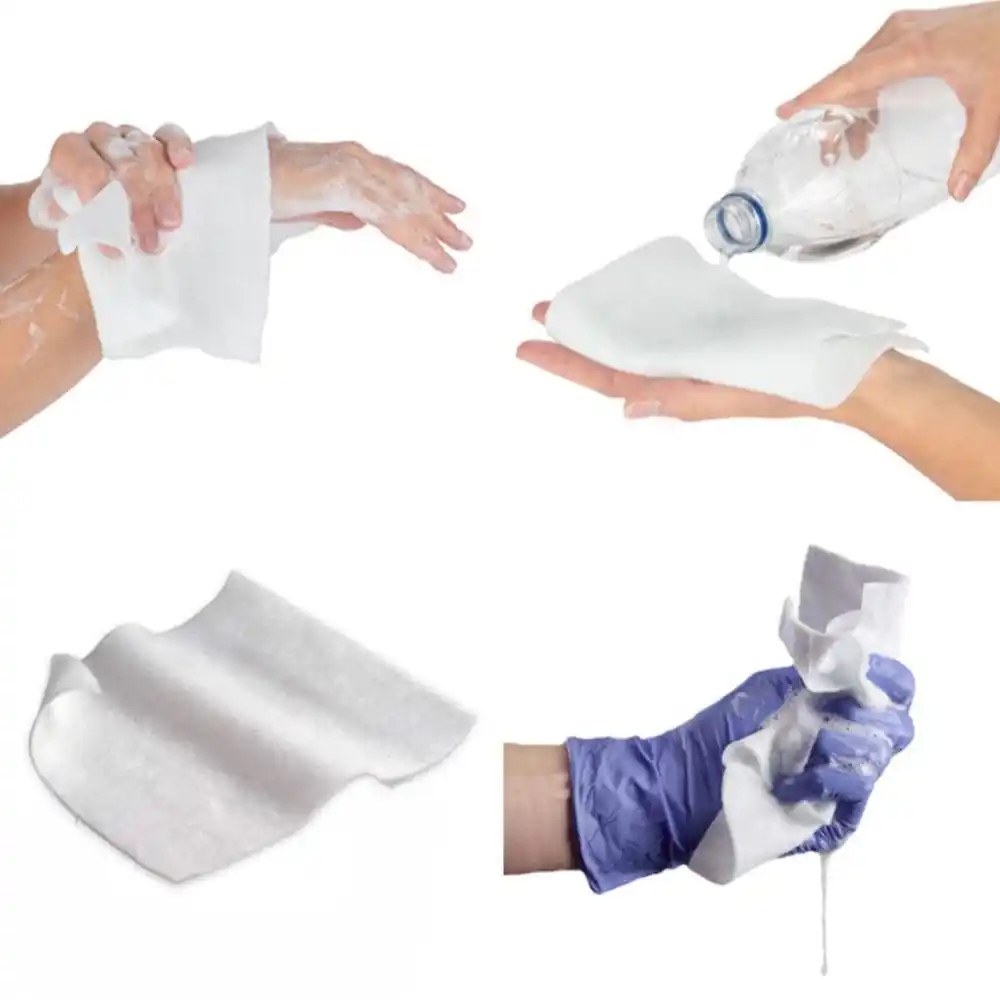
Baby wipes are optimized for infant skin, shorter exposure windows, and a diapering cadence that’s intense but not the same as adult care (transfers, shear, prolonged sitting, heavier output, odor control that actually needs to work). Adult cleansing wipes—especially incontinence wipes and perineal cleansing wipes—are usually engineered around speed, coverage, and barrier support.
Three differences decide outcomes fast:
Surface area + tensile strength Small wipe + big job = more passes. More passes = more friction. More friction = more breakdown. That’s the part people skip because it isn’t on a spec sheet.
If you’re sourcing or stocking, look at the adult category that’s explicitly positioned as personal cleansing wipes for adults (not “sensitive baby”). For a concrete example of the positioning and claims buyers expect, compare a dedicated adult SKU like pH-balanced adult body wipes for incontinence care against generic baby wipe copy.
Cleanser + residue profile A lot of baby wipes are “lotioned” by default. In adult care, lotion can be a feature or a trap: it can help barrier support, or it can leave a film that interacts badly with zinc oxide pastes, adhesive products, or breathable diaper liners. The result looks like “mystery rash,” and then everyone blames the brief.
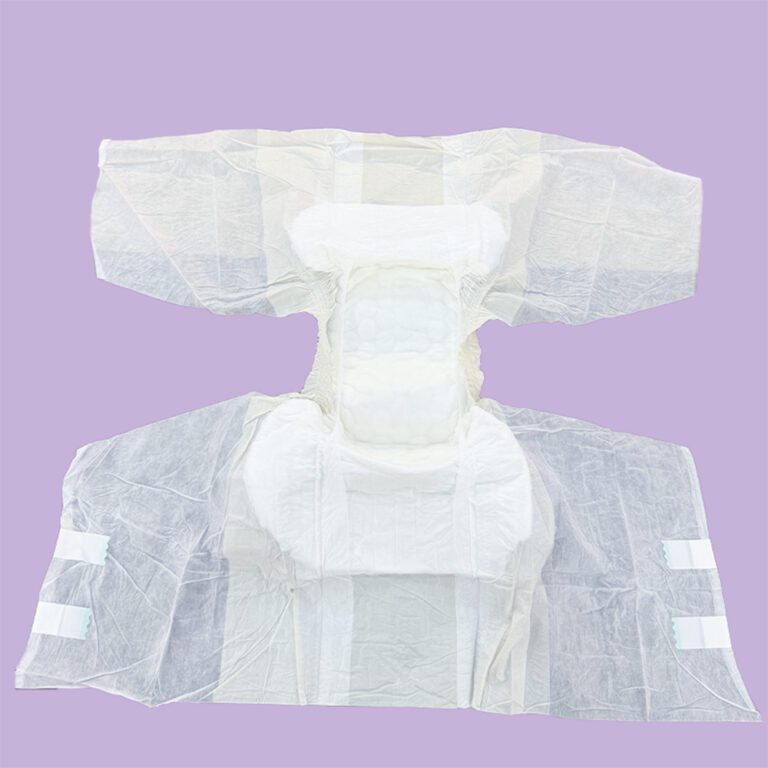
If your routine includes pull-ups or pads, residue matters even more because the product sits tighter against skin. Pairing matters: if you’re using pull-ups, you want wipes that don’t gum up the topsheet—see bladder control underwear pull-ups for adults and plan the wipe alongside the absorbent product, not after the fact.
Microbial risk and preservative reality Wipes are wet. Wet means microbial growth is always trying to happen. The FDA’s consumer guidance on disposable wipes explicitly points out that wipes have been recalled for bacterial or mold contamination, and tells consumers to stay alert to safety notices. In adult care—where skin may be broken, immune status may be fragile, and wipes can be used on mucosal-adjacent areas—this is not trivia.
If you’re buying for elder care, avoid “cute” packaging that sacrifices closure integrity. A wipe pack that dries out or gets contaminated is just a slow-motion failure.
The buyer-side angle nobody likes to say out loud
Wipes are also a liability category.
If a supplier tries to sell you on “flushable,” you’re stepping into a legal and infrastructure mess that’s already burned big brands. One court document from a 2024 final-approval hearing describes a settlement requiring Kimberly-Clark to pay at least $6,000,000 (up to $13,500,000) in “new dollars” for claims tied to recalled Cottonelle Flushable Wipes, on top of prior refund spending. That’s not “marketing drama.” That’s “this product category can end up in court.”
Comparison table: adult wipes vs baby wipes (adult care lens)
Factor
Baby wipes
Adult wipes (incontinence/perineal)
What it means in real adult care
Primary design target
Infant diaper changes
Frequent urine/stool cleanups, odor, barrier support
Adult care is repetition + friction; materials need to hold up
Typical wipe size
Smaller
Larger
Bigger cloth = fewer passes = less shear on fragile skin
Cleanser goal
Gentle cleaning + “soft feel”
No-rinse cleaning + skin-barrier support
Soap-and-water routines are slower; no-rinse is the point
Residue/lotion
Often lotion-forward
Often balanced: cleanser + light emollient/protectant
Too much film can interact with creams/brief liners
Odor control
Not always prioritized
More commonly prioritized
Adult urine odor is a staffing and dignity issue, not a vanity issue
Closure + contamination risk
Varies widely
Often built for clinical-style repeat access
FDA notes wipes can be recalled for contamination; packaging matters
Best use case
Quick cleanup, travel, light duty
IAD risk, heavy output, bedbound care
Choose based on skin risk and change frequency, not price per pack
Disposal
People flush them anyway
People flush them anyway
Don’t. Ever. See “flushable” litigation and settlements.
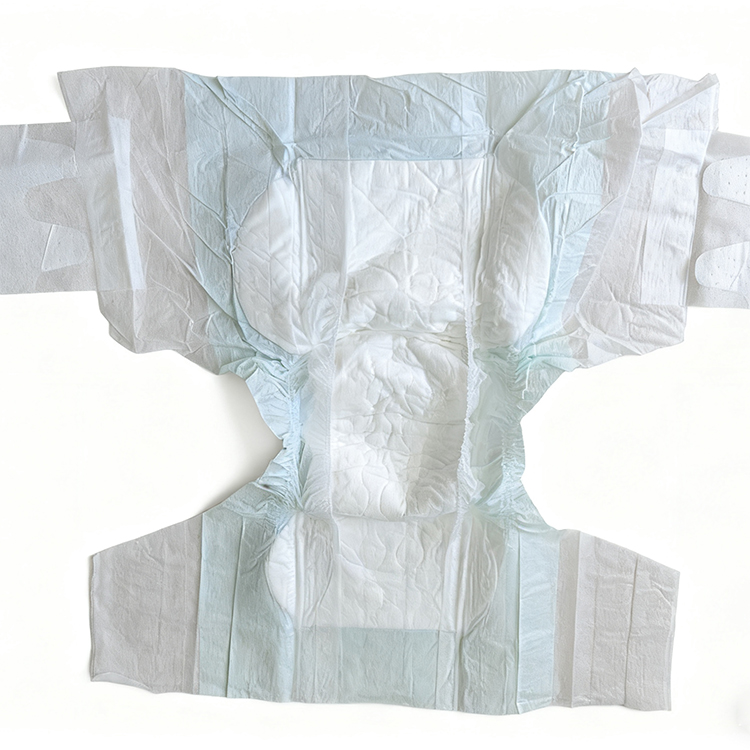
If you want a product-map view across pads, briefs, wipes, and underpads, start from incontinence pads and liners for light-to-heavy leakage and work outward so the wipe doesn’t become the bandaid for the wrong absorbency choice.
FAQ
Can adults use baby wipes for incontinence? Adults can use baby wipes in a pinch, but for incontinence care they’re a stopgap: baby wipes are formulated for infant skin and routine diaper changes, not for repeated urine exposure, adult friction, and odor control, so they often leave residue and don’t protect against IAD. If you’re doing multiple changes per day, switch to true adult care wipes for elderly users or purpose-built incontinence wipes, and track skin outcomes for two weeks like it’s a mini-trial.
What are incontinence wipes? Incontinence wipes are large, no-rinse, skin-safe cleansing wipes designed to remove urine and stool quickly, reduce odor, and support the skin barrier during frequent changes, typically using pH-neutral cleansers plus emollients (like glycerin) and protectants (often dimethicone) to lower irritation risk. They’re meant to replace soap-and-water in fast workflows, not “supplement” it.
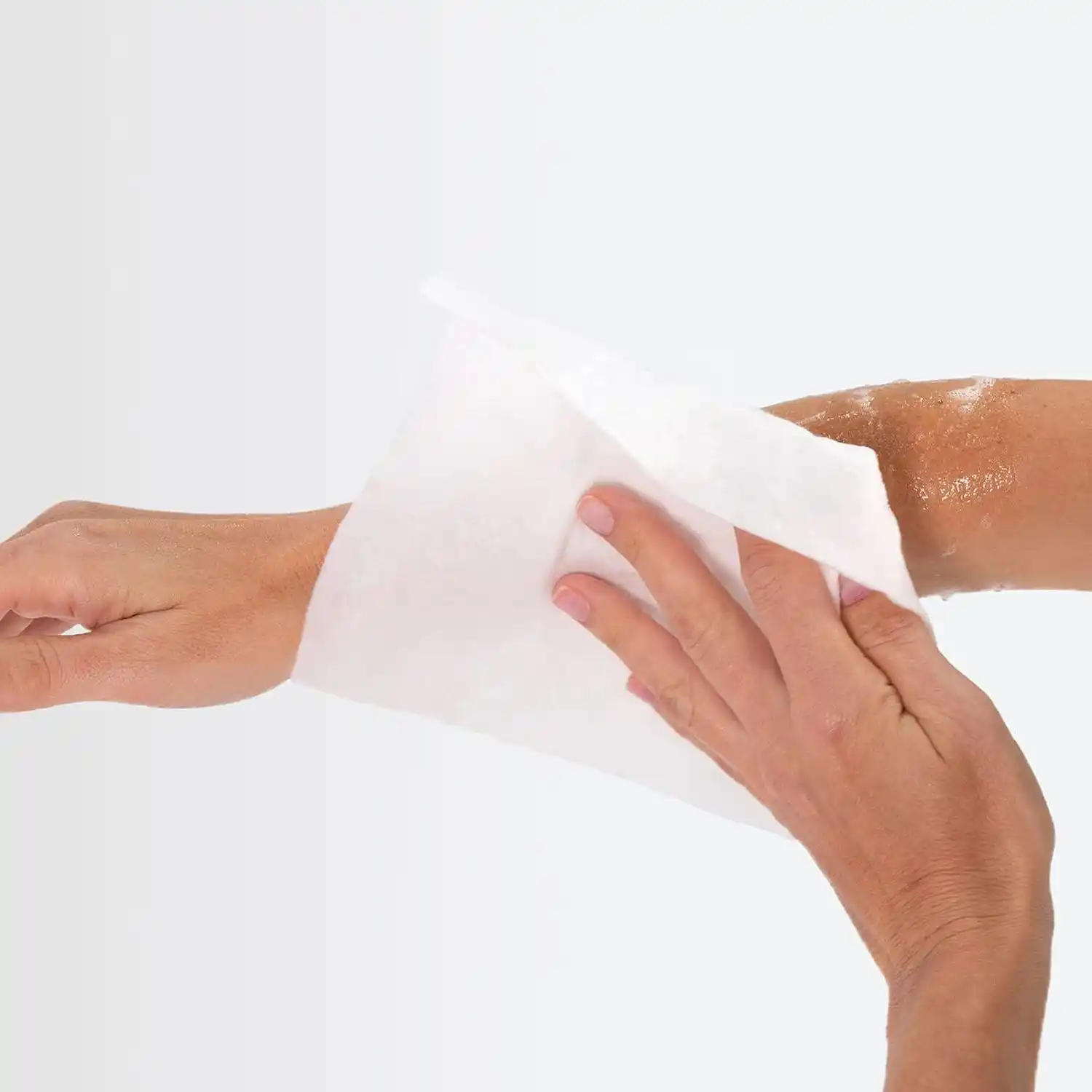
Are no-rinse bathing wipes the same as adult cleansing wipes? No-rinse bathing wipes are a subset of adult cleansing wipes: they’re pre-moistened cloths meant to replace soap-and-water baths for bedbound or mobility-limited adults, combining mild surfactants and moisturizers so the skin can air-dry without rinsing, which cuts friction and temperature swings during care. If your facility still does full soap washes for every change, you’re manufacturing irritation.
Should you flush adult wipes or baby wipes? “Flushable” is a marketing claim, not a guarantee: adult wipes and baby wipes are nonwoven fabrics that can stay intact long enough to clog household plumbing and municipal pumps, so the safest rule in adult care is simple—bag them and trash them, even if the pack whispers otherwise. Also, the category has a litigation history for a reason.
What ingredients should sensitive adults avoid? For sensitive adult perineal skin, avoid wipes with added fragrance, high-alcohol content (ethanol/isopropyl alcohol), harsh preservatives that trigger contact dermatitis in some people (for example methylisothiazolinone), and strong essential oils, because repeated exposure during multiple daily changes can convert ‘mild irritation’ into persistent inflammation. If you see redness patterns that “follow the wipe,” believe your eyes, not the marketing.
How do I choose the best wipes for adult incontinence? The best wipes for adult incontinence are the ones that match output and skin risk: choose a larger, thicker wipe that’s pH-neutral, alcohol-free, and leaves a light barrier film, then test it against your real workflow—two wipes per change, three changes a day, seven days—so cost and irritation show up fast. And yes, the boring part matters: closure quality, pull count per pack, and whether staff actually uses them correctly.