Incontinence Underwear vs Briefs: SKU Strategy for Different Channels
SKU is destiny.
If you treat “pull-ups vs briefs” as a comfort debate, you’ll build a bloated catalog, blow up your forecast, and then blame Amazon reviews or “weak demand,” when the actual problem is that each channel has different failure modes—returns, chargebacks, substitution, contract ceilings—and you shipped the wrong format into the wrong economic system. So what are you actually selling: absorbency, or a purchasing workflow?
Here’s the hard truth I see in the numbers: the customer base is getting older everywhere, fast, and “older” isn’t a niche—U.S. Census data shows the 65+ population rose 9.4% from 2020 to 2023, reaching about 59.2 million. That’s volume. That’s repeat purchase. That’s also brutal price sensitivity in consumer channels and brutal compliance requirements in institutional ones.
Now add underreporting. NIDDK’s 2024 Urologic Diseases in America report pegs claims-based urinary incontinence prevalence among people 65+ at ~6–8% annually (2012–2021), explicitly noting that this likely reflects underreporting—not low incidence. That matters because “not reported” doesn’t mean “not bought”; it means people shop like CPG, not like patients.
And then the policy knife: Original Medicare doesn’t cover adult diapers or incontinence supplies. Translation: huge swaths of demand behave like out-of-pocket retail demand unless you’re in a Medicaid/managed-care pipeline.
So, channels.
Table of Contents
The product difference that actually matters (not vibes)
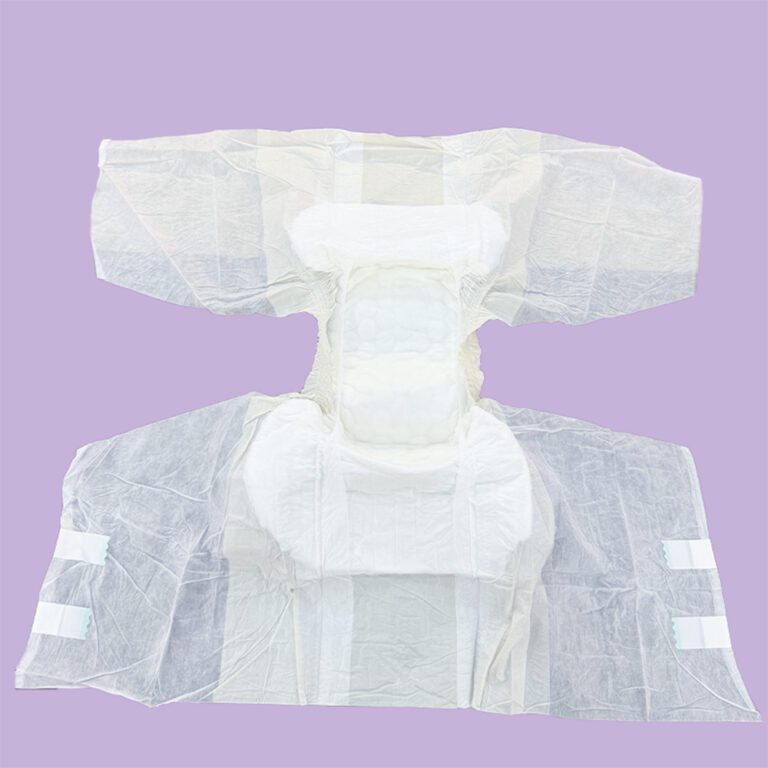
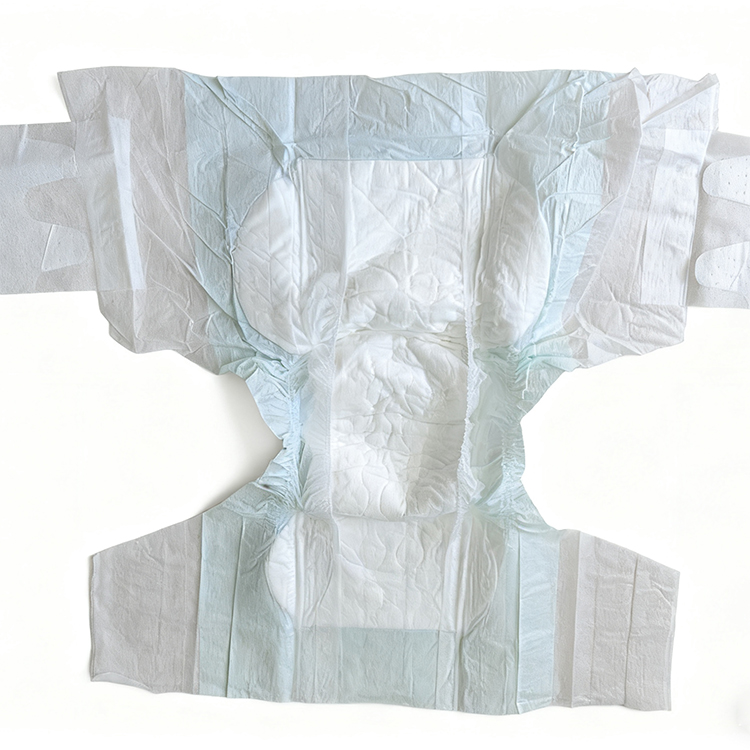
Pull-ups (protective underwear) optimize for independence: step-in/step-out, discreet silhouette, “underwear” mental model. Tab-style briefs optimize for care workflow: open-flat application, refastenable tabs, fast checks, and better seal management under heavy output and bed care. If you want the practical breakdown, the site’s own caregiver-focused explainer is solid: tab-style briefs vs pull-up underwear for heavy & bedridden care.
And materials? Same physics either way: fluff pulp + SAP (often sodium polyacrylate, (C3H3NaO2)n) + acquisition/distribution layers + nonwoven topsheet + backsheet film. The “format” is really the user + channel’s tolerance for change-time, leakage risk, and packaging claims.
The SKU strategy most brands get wrong
Too many SKUs. Then too many pack counts. Then “why is inventory dead?”
SKU rationalization isn’t minimalism. It’s a weapon. You keep a tight core platform (sizes × absorbency tiers × format), then you let channels vary only what they actually force you to vary: GTIN/UPC, pack count, case pack, claims language, and sometimes graphics.
If you’re building on adult-diaper.com’s portfolio, start by mapping format families from the catalog page—pull-ups, tab briefs, underpads, booster pads—so your assortment speaks “channel,” not “factory.” View the full products catalog.
Channel-by-channel: what to lead with, what to cut
1 Amazon + marketplaces (returns are your tax)
Three words: reduce confusion.
Marketplaces punish mismatch between expectation and reality. Pull-ups tend to win here for light-to-moderate bladder leakage because they match the “underwear” visual promise and are easy to size without caregiver nuance. Use one clean pull-up line as the entry point—something like this spec page: bladder control pull-up underwear for adults.
Briefs can sell online, but only when you’re brutally explicit: “tab-style,” “refastenable,” “bedridden/heavy,” and you show the open-flat application in images. Otherwise shoppers buy them like underwear, hate them, return them.
My opinion: keep fewer online briefs SKUs than you want. Online is not the place to test your entire absorbency ladder.
2 Pharmacy + grocery + mass retail (planograms hate nuance)
Retail assortment planning is an exercise in subtraction. Shelf space wants a size curve and two absorbency messages. That’s it.
Retail tends to like pull-ons for the main bay (privacy, simpler education) and tab briefs either in a “maximum/overnight” segment or not at all, depending on retailer identity. If you try to put four absorbency tiers on shelf, you’ll get de-listed for slow movement.
This is where you lean on “quiet” product cues (cloth-like, discreet, odor control) and keep pack counts consistent so the shelf looks sane. If you need caregiver education content to support retail sell-through, point them to Usage & Care Guides rather than dumping a PDF nobody reads.
3 Club / value channel (pack economics first, always)
Club shoppers buy math. Per-unit pricing, bigger packs, fewer SKUs. Pull-ups tend to dominate because they’re understood quickly, but you can run a single tab-brief SKU if you position it as heavy/overnight, caregiver-ready, no-nonsense.
Don’t bring your full size ladder. Pick the 2–3 sizes that cover the majority of waist ranges and accept that edge sizes are online-only.
This is where briefs earn their keep. Care workflows, check-and-reseal, and better leakage control under heavy output matter because time is cost.
Also: this channel is shaped by reimbursement rules and supplier contracts, not brand love. Medicare doesn’t cover adult diapers under Original Medicare, which pushes many consumers toward retail behavior, but Medicaid and managed-care arrangements can route volume through contracted suppliers.
Your SKU plan here should be conservative and standardized: predictable case packs, clear labeling, fewer “cute” variants. Briefs + underpads + boosters is a real bundle strategy—see the operational logic in pairing briefs with underpads to reduce linen changes.
5 Nursing homes / institutional (workflow is the product)
If the buyer is paid to prevent bed changes, briefs win. Period.
Facilities care about: leak rate, skin complaints, and reorder stability. Pull-ups exist here too, but they’re usually reserved for residents who are ambulatory and insist on independence.
If you’re building a private-label line for this channel, the structure should start with tabs, then add pull-ons as a secondary line. The OEM/ODM angle is obvious here: stable spec + stable packaging + stable lead times. Private label OEM/ODM services is the right internal hub for that.
6 International distributors (compliance + language + pack architecture)
Distributors want margin protection and fewer headaches: consistent carton markings, predictable case packs, and localized packaging claims. Pull-ups can be your “mass” line; briefs can be your “care” line. Keep the core platform the same so you’re not running micro-batches all year.
You also need to watch category-wide pricing pressure. Reuters’ October 24, 2024 report on Essity is instructive: they emphasized “price discipline,” raised prices in health/medical, and still saw consumer goods segment prices fall—exactly the private-label squeeze you’re fighting in retail channels.
A practical SKU blueprint (steal this)
Build one “truth” (the product platform), then enforce channel fences.
Example architecture (not a fantasy, this is how you stay alive):
What’s the difference between pull-ups and briefs in adult incontinence products? Pull-ups are pull-on disposable incontinence underwear built for ambulatory users who can dress themselves, while briefs are open-tab products designed for caregiver changes and heavier leakage; that functional split determines your size curve, absorbency tiers, and which channels can sell without drowning in returns. After that, it’s workflow: pull-ups optimize dignity and speed for independent users; briefs optimize checkability and seal control.
What is a channel-specific SKU strategy (and why do brands need it)? A channel-specific SKU strategy is the practice of keeping the absorbency core and fit platform consistent while changing GTINs, pack counts, claims language, and price fences per channel so you meet each retailer’s rules and avoid self-cannibalization across marketplaces, brick-and-mortar, and institutional buyers. You’re not “making more products.” You’re making fewer mistakes.
What does SKU rationalization mean for incontinence brands? SKU rationalization is the disciplined reduction of near-duplicate sizes, absorbency levels, and pack counts so each remaining SKU has a clear job—either driving trial, margin, or reorder reliability—without bloating inventory, confusing shoppers, or triggering chargebacks from retailers that hate slow-moving variants. If two SKUs don’t sell to different people for different reasons, one of them is dead weight.
What is retail assortment planning for pull-ups vs briefs? Retail assortment planning is the process of allocating limited shelf or search real estate to the smallest set of SKUs that covers the biggest demand curves—typically size (S–XL/2XL), absorbency (day vs overnight), and fit (pull-on vs tab)—while aligning with planograms, promo cadence, and case-pack economics. Retail doesn’t reward completeness. It rewards clarity.
How does Medicare/Medicaid affect channel mix for adult diapers? In the U.S., Medicare non-coverage means most incontinence purchases behave like consumer packaged goods, with price sensitivity and private-label pressure, while Medicaid and managed-care rules in some states push volume through contracted suppliers, shaping whether you lead with briefs, pull-ups, or hybrid bundles in each channel. Medicare.gov is blunt about Original Medicare: not covered.