
In-depth analysis and trends from the adult care and healthcare disposables sector — market dynamics, regulatory changes, and opportunities for partners and buyers.

Adult diaper leakage is rarely a one-product loss. In hospitals, nursing homes, rehabilitation centers, and assisted-living facilities, every failure can trigger extra labor, linen processing, cleansing, skin monitoring, documentation, waste, and resident complaints.

Aging in place is changing who selects, purchases, stores, and uses adult incontinence products. We examine the demographic evidence, product-design consequences, and commercial decisions manufacturers and private-label buyers can no longer postpone.

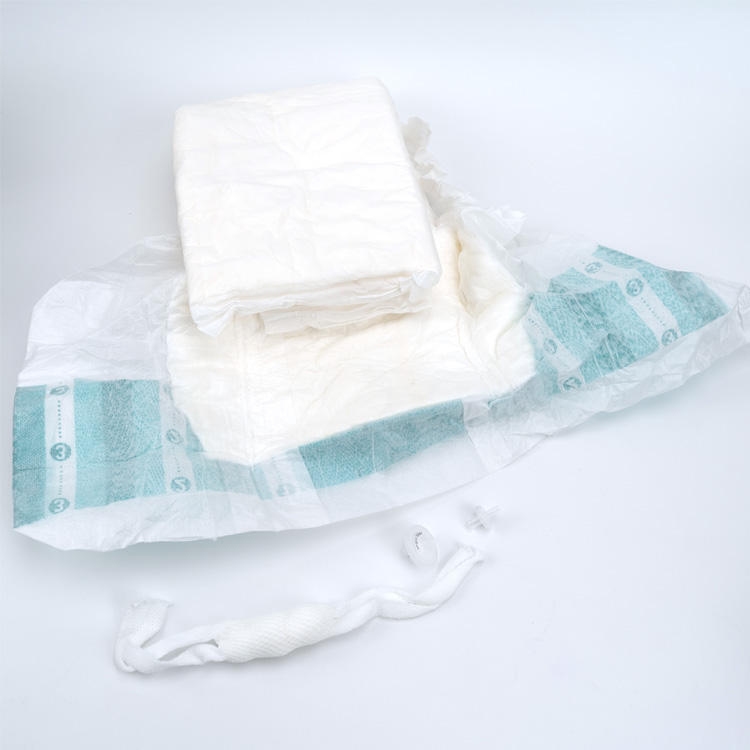
Standardizing underpad sizes does not mean forcing every ward to use one pad. It means defining approved dimensions, absorbent zones, tolerances, and applications so purchasing teams can compare suppliers, consolidate demand, prevent substitutions, and measure real cost per protected care episode.

Thinner adult diapers can reduce material use, carton volume, and freight emissions—but only when the redesign increases verified load efficiency without raising leakage, rewet, change frequency, or returns. This analysis shows buyers how to separate a defensible low-carbon product from a compressed brief with a polished sustainability claim.

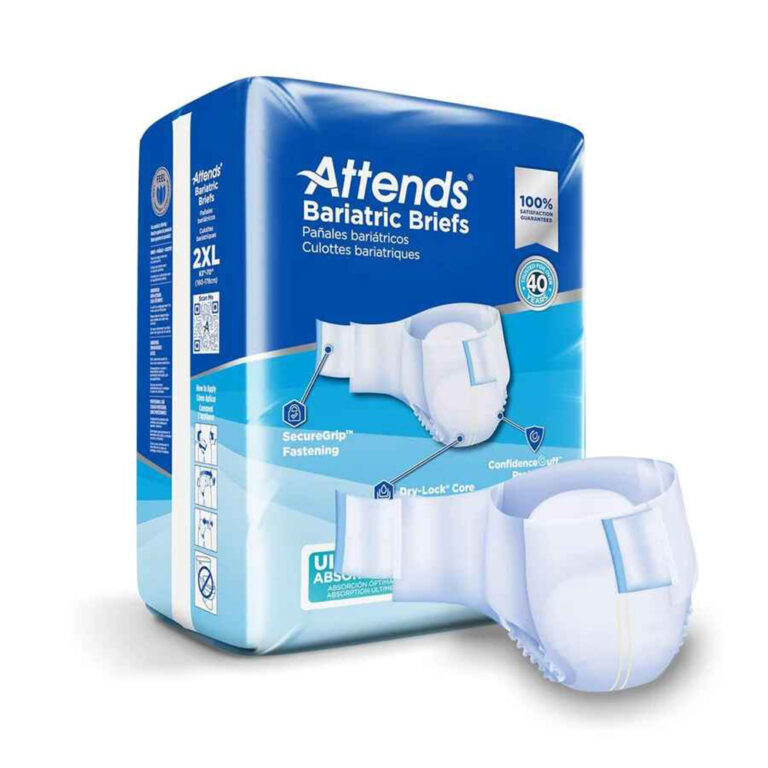
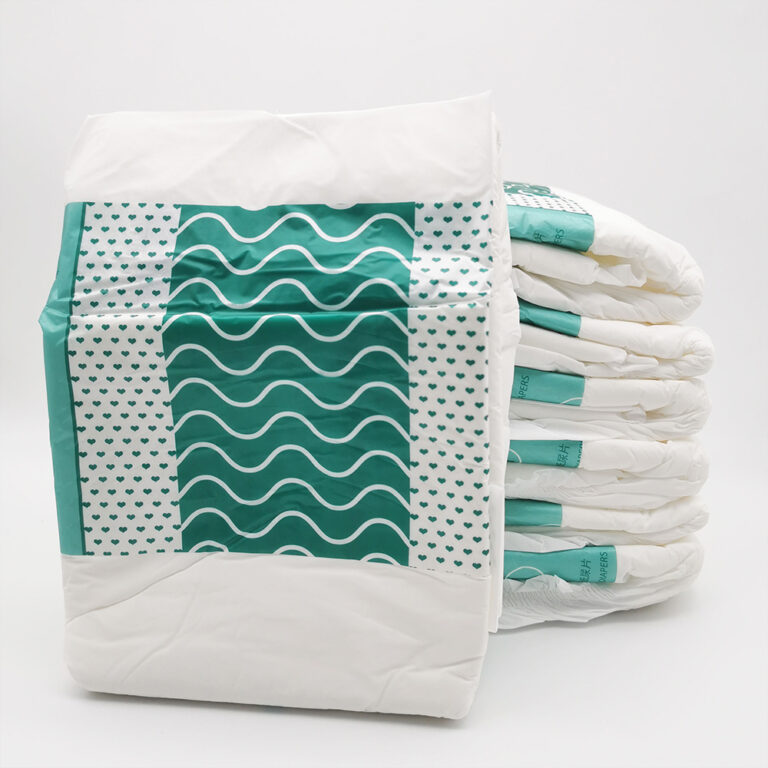
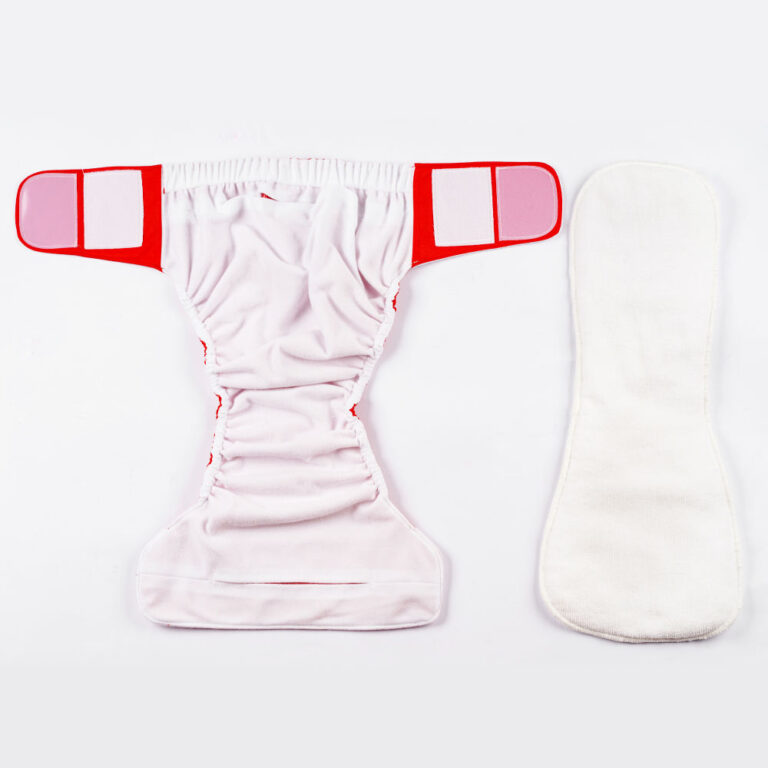
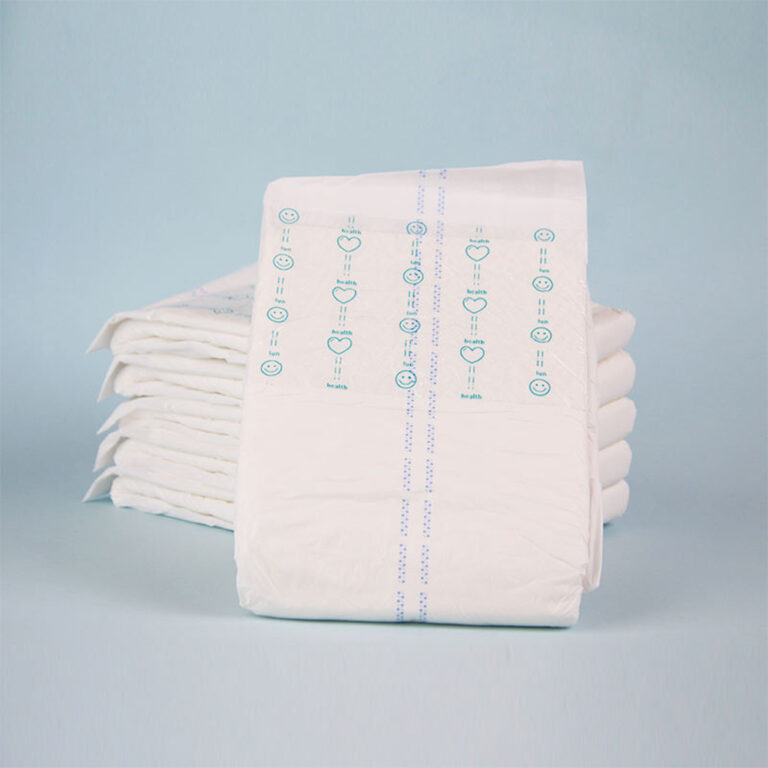
Adult diapers do not reduce operating costs merely because they are disposable. Savings appear when the right brief prevents leakage, avoids unnecessary bedding changes, reduces caregiver handling, and works with underpads, cleansing products, scheduled toileting, and documented care protocols.

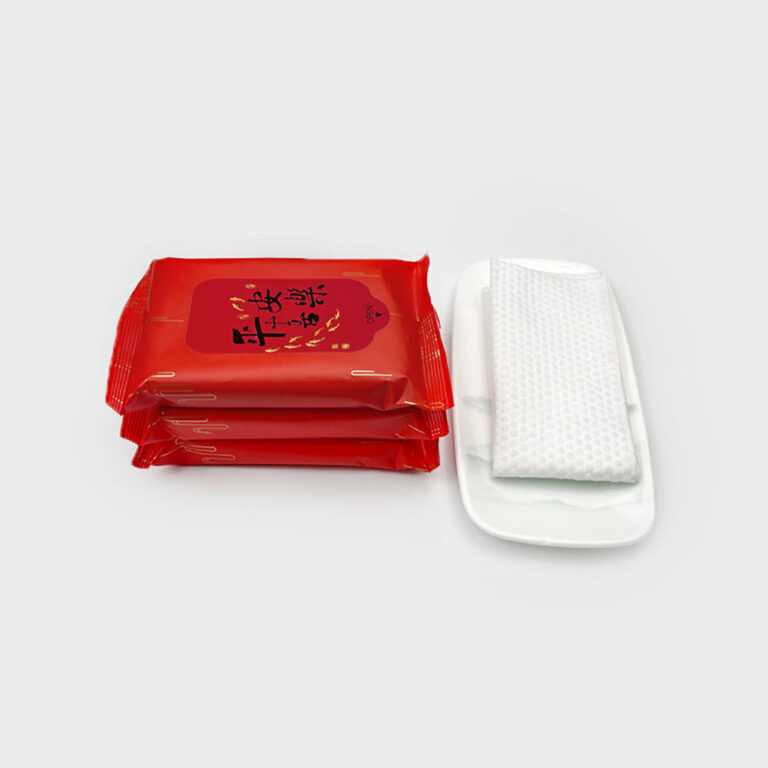
Adult wipes are not merely a convenience item. They are a usage-rate product whose reorder cycle is built into recurring hygiene routines, making pack performance, skin tolerance, and cost per clean more important than shelf-price theater.

Adult incontinence products should not be organized by absorbency alone. Mobility determines how a product is applied, removed, adjusted, checked, and used safely. Here is a practical portfolio model for active adults, assisted users, wheelchair users, and people receiving bed-level care.

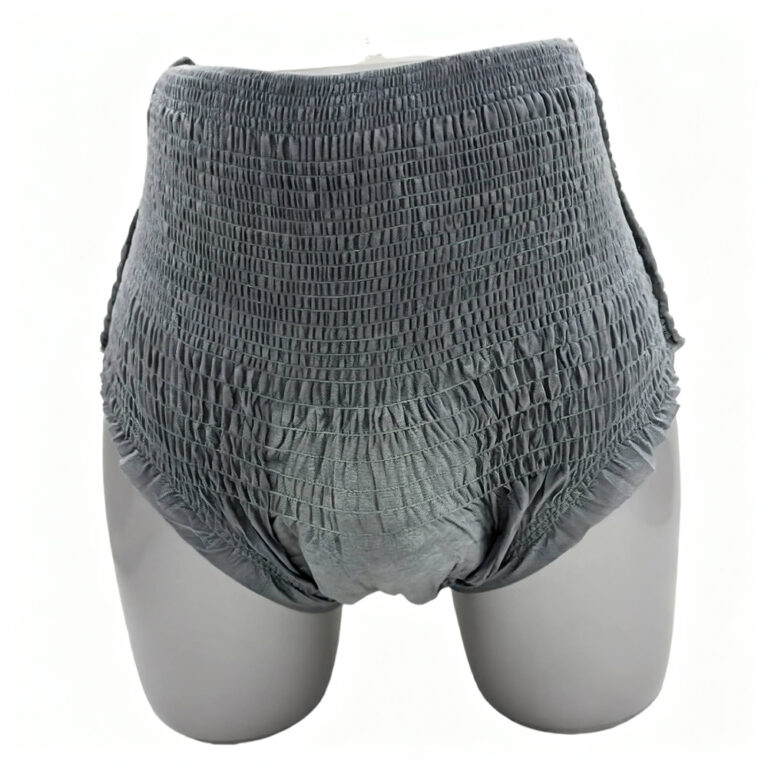
Long-haul travel exposes the weaknesses of ordinary adult incontinence underwear. Travelers now expect adult pull-ups to remain quiet, dry, stable, and discreet through hours of sitting, sleeping, walking, and delayed restroom access.

Raw material shortages force adult diaper manufacturers to make fast decisions, but an untested SAP, fluff pulp, nonwoven, film, or adhesive substitution can create months of leakage complaints. This guide explains how to qualify alternatives through risk ranking, laboratory comparison, pilot production, traceability, and controlled release.

Aging populations are not simply increasing sales of adult diapers. They are changing which products buyers need, how ranges are segmented, what caregivers expect, and how manufacturers must plan capacity, compliance, and product performance.
Professional Adult Incontinence Products Manufacturer | OEM / ODM Since 2010
Premium adult diapers, incontinence pads, underpads, and OEM/ODM solutions tailored to your market.