

The cheapest incontinence product isn't always the one with the lowest price per piece. For first-time buyers, small packs reduce the cost of choosing incorrectly while making it easier to evaluate fit, absorbency, and comfort before committing to bulk purchases.

An effective adult diaper PRD must define more than materials and absorption capacity. This guide explains the technical specifications, testing requirements, and supplier approval criteria that protect product quality and prevent costly manufacturing mistakes.

Dual-core adult diapers may improve fluid distribution and repeated absorption, but more layers do not automatically mean better performance. Here is what buyers should actually compare.

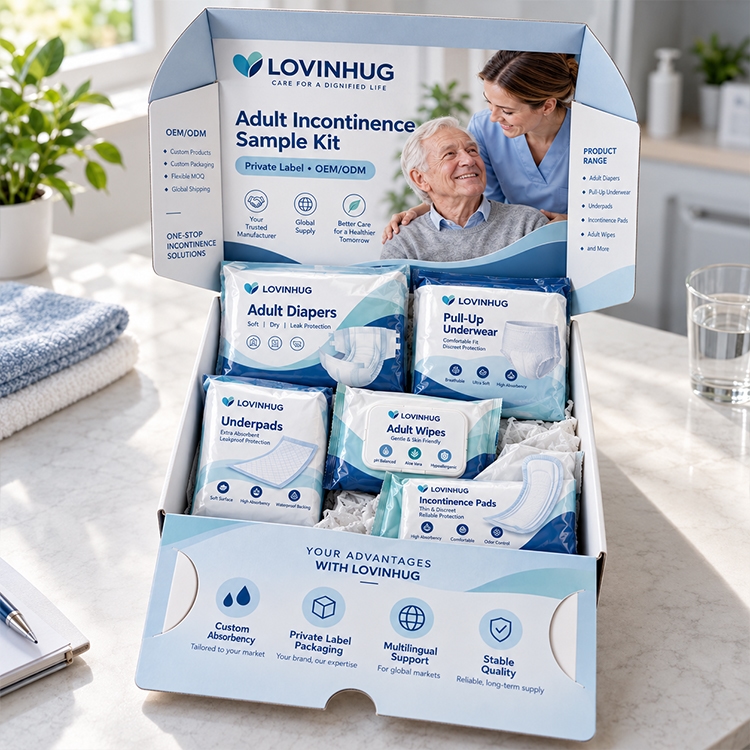
A distributor sample kit should do more than show product quality. It should let a buyer compare fit, absorbency, rewet, materials, packaging, pricing structure, and channel suitability without chasing the supplier for missing information.

A fast adult diaper is not automatically a dry adult diaper. This guide examines how the acquisition distribution layer, or adult diaper ADL, controls intake speed, horizontal fluid movement, repeated-dose performance, rewet, and the usable capacity of the absorbent core.

Adult diaper leakage is rarely a one-product loss. In hospitals, nursing homes, rehabilitation centers, and assisted-living facilities, every failure can trigger extra labor, linen processing, cleansing, skin monitoring, documentation, waste, and resident complaints.

Aging in place is changing who selects, purchases, stores, and uses adult incontinence products. We examine the demographic evidence, product-design consequences, and commercial decisions manufacturers and private-label buyers can no longer postpone.

Accurate adult diaper sizing requires more than checking a trouser size. This guide explains how to measure waist, hip, and front-to-back rise, interpret an adult diaper size chart, identify poor fit, and test adjacent sizes before committing to a case or institutional order.

Adult diaper MOQ is not a single factory number. It changes when buyers alter product dimensions, absorbent materials, pack counts, printed film, language versions, or carton specifications. This guide explains which decisions raise minimums fastest, where hidden per-SKU limits appear, and how to reduce launch risk without settling for a weak product.

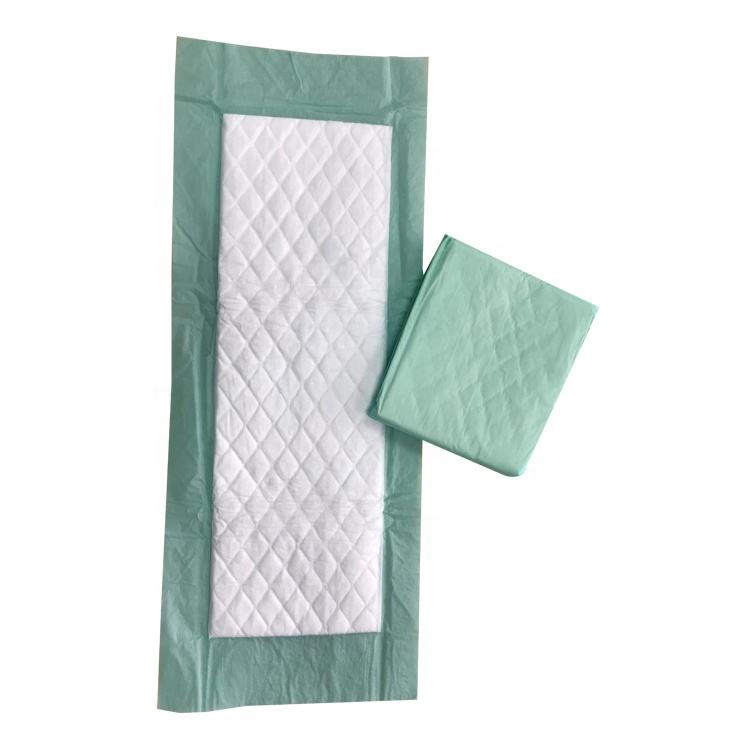
Standardizing underpad sizes does not mean forcing every ward to use one pad. It means defining approved dimensions, absorbent zones, tolerances, and applications so purchasing teams can compare suppliers, consolidate demand, prevent substitutions, and measure real cost per protected care episode.
Professional Adult Incontinence Products Manufacturer | OEM / ODM Since 2010
Premium adult diapers, incontinence pads, underpads, and OEM/ODM solutions tailored to your market.