How to Pair Briefs with Underpads to Reduce Linen Changes
If you’ve ever watched a CNA do a full bed reset at 2 a.m., you already know the truth: linen changes don’t “just happen.” They happen because fluid went somewhere it shouldn’t, then everything snowballs—extra laundry, extra skin risk, extra stress.
The fix isn’t magic. It’s layering. You pair an open-style brief (tabs) with the right underpad, and you set it up so a small leak becomes a quick swap—not a full-sheet disaster.
I’ll walk you through the exact pairing logic, plus real care-setting use cases. And yeah, I’ll keep it practical.
Internal quick links (for sourcing teams & private label):
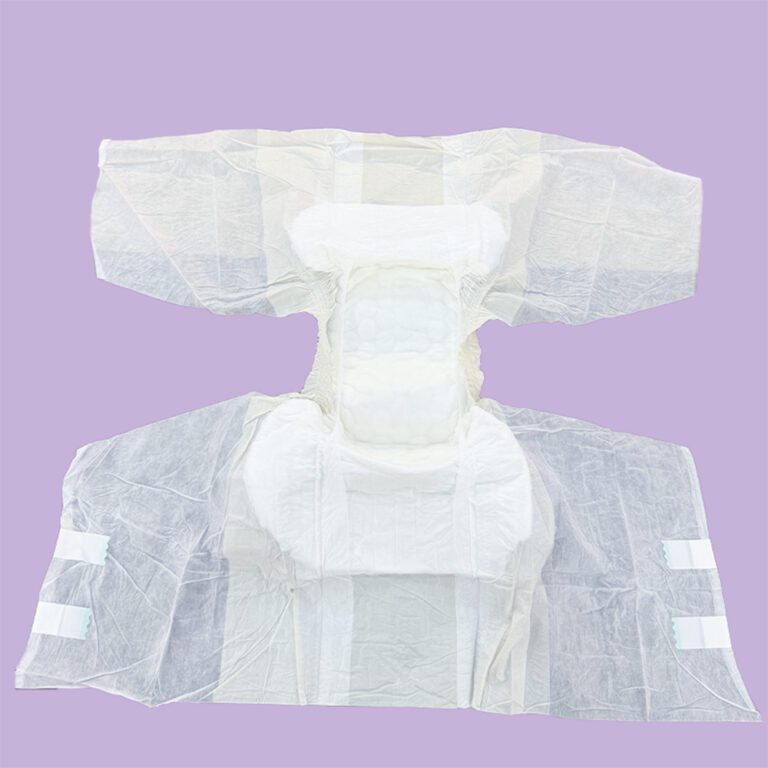
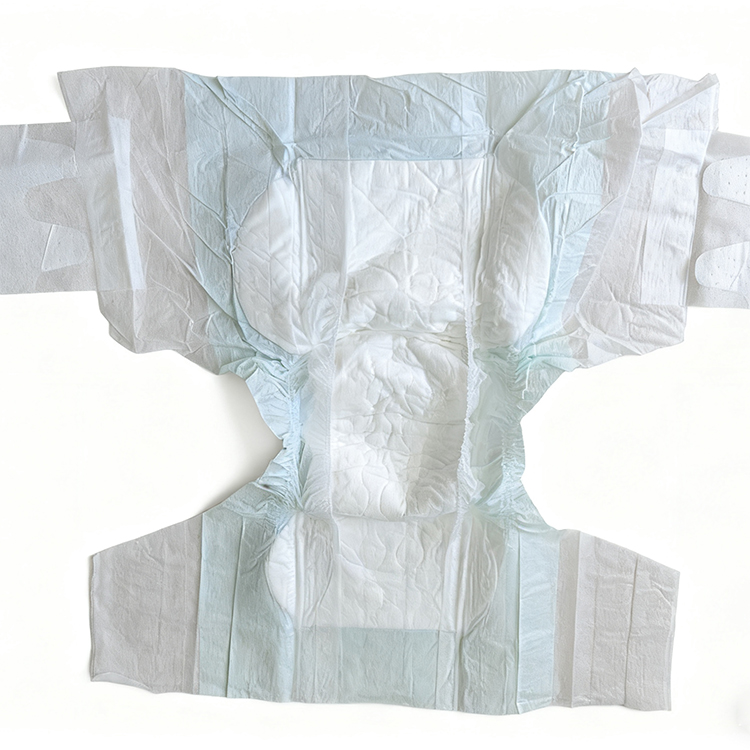
Adult Diapers with Tabs (Briefs): Fit and Leak Control
Tab-style briefs aren’t just “old school.” In hospitals, nursing homes, and home-care routes, they win because you can apply and adjust while someone is lying down, sitting, or standing.
Here’s the big thing: fit is leakage control. Not “capacity.” Fit.
Fit matters: stop leaks at the leg cuffs and waist
Pull the brief snug at the waist. Don’t crank it so tight you leave marks.
Smooth the inner leak guards so they stand up, not folded over.
Check leg openings for gaps. Gaps = side leaks. Side leaks = linen turns.
Buyer talk you’ll hear: “We need fewer leak complaints.” Care-floor talk you’ll hear: “This one actually seals.”
If you’re building a consistent brief line for your customers (facility, distributor, or private label), start with Adult Diapers with Tabs and match the sizing logic across your Adult Diapers range so staff don’t get confused mid-change.
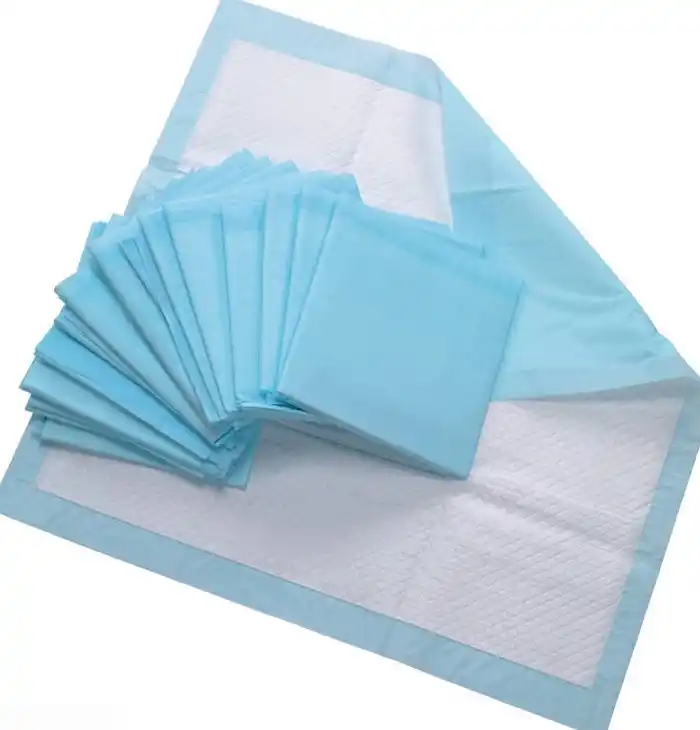
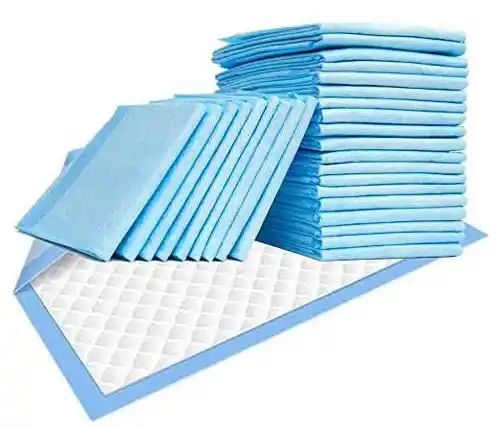
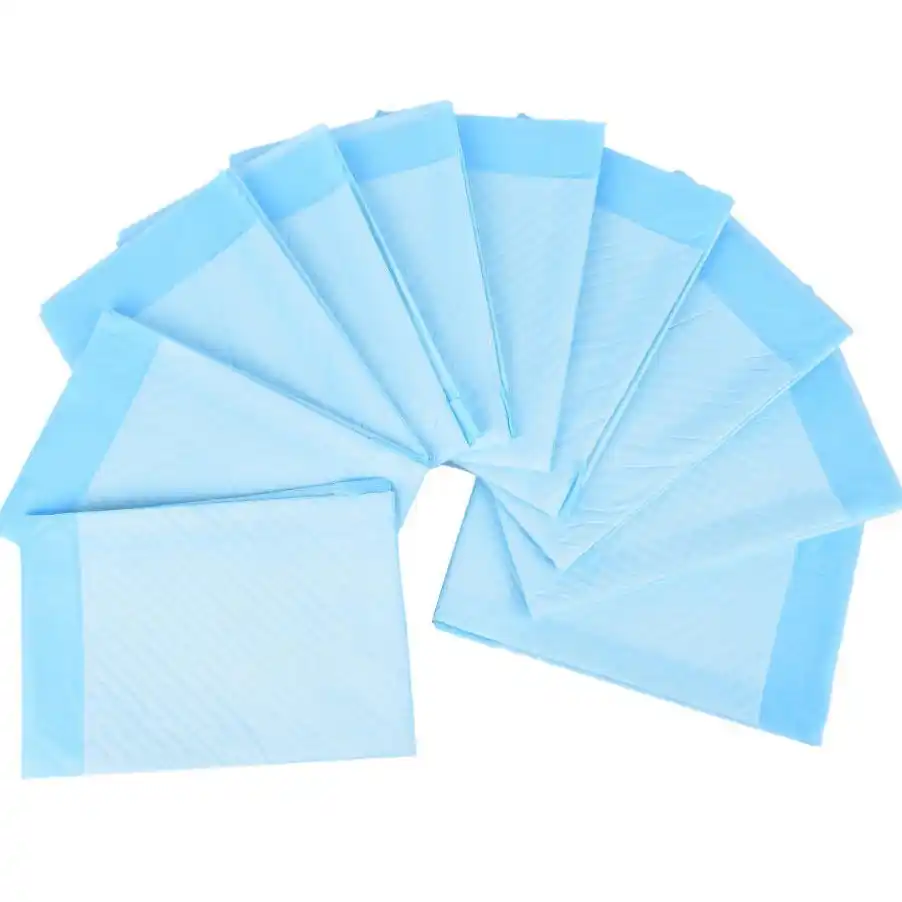
Underpads: the bedding protection layer that cuts linen changes
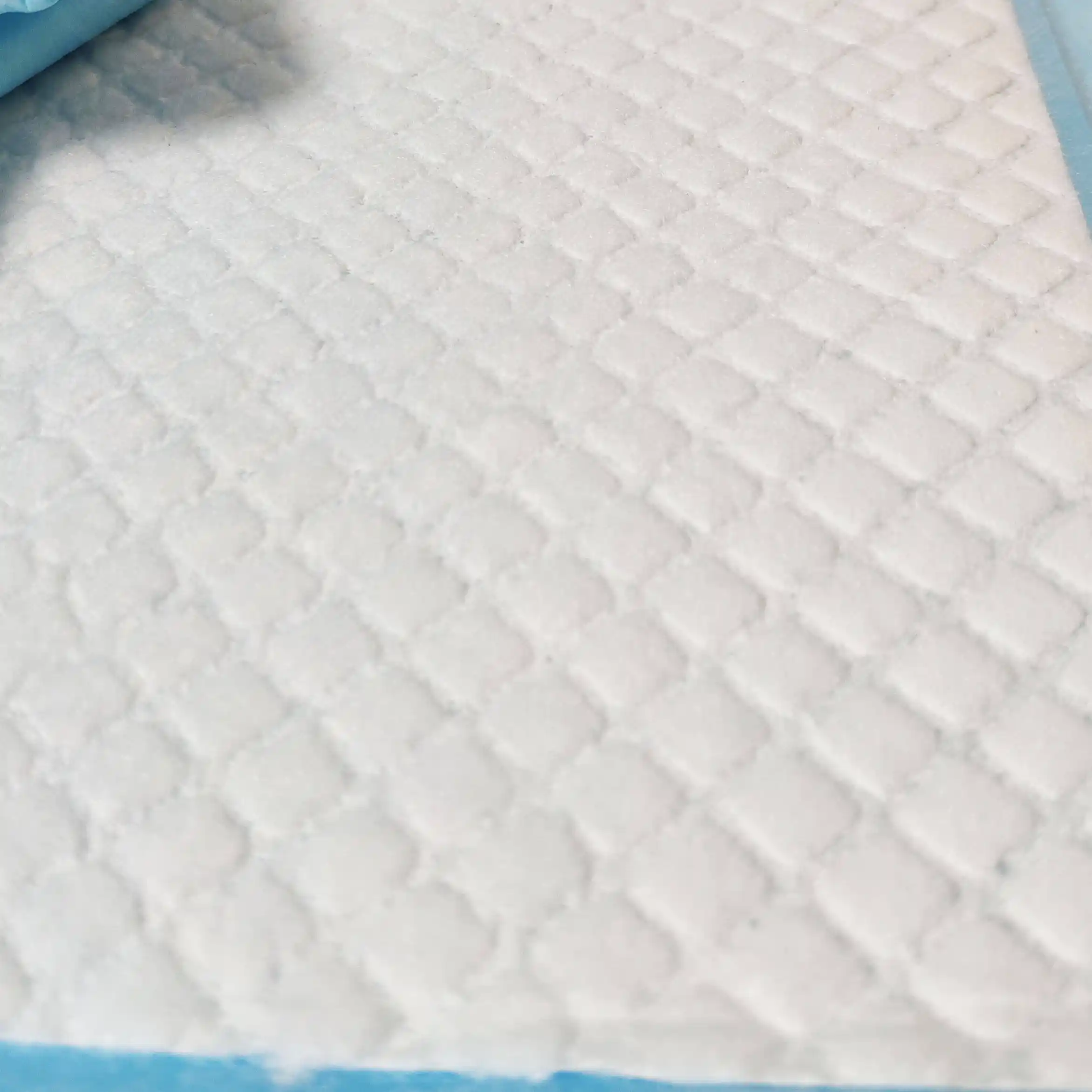
Underpads look simple: topsheet, absorbent core, waterproof backsheet. But the real performance lives in two dirty little details buyers often miss:
Intake speed (strike-through time): how fast liquid goes down.
Retention (rewet / wet-back): whether it stays locked when someone turns, sits, or transfers.
In facility slang, slow intake creates the “river effect.” Liquid runs sideways, finds an edge, and boom—bed is done.
Underpads are made to be changed fast
That’s the whole point. You’re not trying to “never change anything.” You’re trying to change the smallest thing when accidents happen.
If you sell into nursing homes, home-care agencies, or a hospital channel, you’ll want a mix of disposable and reusable options from your Underpads lineup.
Mattress protector + underpad + brief: the layering strategy
Think of this like a 3-layer system:
Brief (tabs): catches most output, keeps it close to the core.
Underpad (on top of the sheet): catches misses, protects linens.
Mattress protector (under the sheet): protects the mattress if everything else fails.
Why this works: you create redundancy. When a leak happens, you usually replace the underpad and move on. Staff doesn’t have to strip the whole bed. Less chaos.
A tiny tip that’s weirdly effective: rotate the underpad into a “diamond” orientation (corner up toward the head). It often gives better hip coverage for side sleepers.
Flow-through booster pads: extend wear time without leaks
Let’s talk inserts, because people do this wrong all the time.
A flow-through booster (also called a doubler/insert) is designed to absorb fast and pass extra fluid into the brief’s core. That “pass-through” behavior matters.
Why flow-through matters
It reduces early pooling.
It spreads load so the brief core can do its job.
It lowers the chance of sudden overflow that hits the bed.
If you’re sourcing for a private label system, some brands position these as a companion SKU near Incontinence Pads (different products, similar shopper need: “extra confidence”).
Don’t double briefs: common mistake that increases leaks
Facilities and families both try this: “Let’s put two briefs on. More absorbency, right?” Nah. Often it makes leakage worse.
Why?
The outer diaper’s waterproof layer can block absorption paths.
Bulk creates gaps at the legs.
Heat and moisture go up. Skin gets angry faster.
So yeah… don’t do it. Use one well-fit tab brief + the right underpad. It work better, even if people hate hearing it.
Washable underpads vs disposable underpads: choosing the right mix
You don’t have to pick one forever. Most buyers do a portfolio mix:
Disposable underpads
Best for:
High-turnover rooms
Infection control heavy units
Quick cleanup workflows
Washable underpads
Best for:
Long-term home care routines
Places that hate underpads shifting around
Users who sit a lot (less bunching, more stable)
If you want to spec this cleanly for your brand or tender, your sourcing team should treat underpads like a “performance SKU,” not a commodity. (That’s where people get burned.)
Skin care workflow: fewer linen turns also means fewer rashes
Leaks don’t just dirty sheets. They mess with skin integrity. And once skin breaks down, everything gets harder—more checks, more changes, more product burn.
Keep the routine simple:
Change the brief when needed (don’t stretch it forever).
Clean gently and fully.
Protect with barrier cream if the skin is sensitive.
For speed, most care teams prefer large adult wipes because it cuts change time. If you’re building a full “care bundle” for facilities or private label, Adult Wipes fit naturally beside briefs + underpads. Buyers like one vendor, one carton plan, less mess.
Real-world scenarios: where pairing actually saves beds
Nursing home night shift (turning rounds + long gaps)
Night shift has fewer hands and longer intervals. That’s when poor underpad retention shows up as wet-back during repositioning.
Setup that usually works:
Tabs brief for fit + easy checks
Underpad with strong retention (less wet-back)
Mattress protector underneath, just in case
Home care + wheelchair transfers (pressure spikes)
Transfers are pressure spikes. Pressure spikes expose weak retention fast.
Setup that usually works:
Tabs brief with snug leg seal
Underpad sized for chair/bed crossover
Keep wipes within arm reach (or you’ll lose time hunting)
Hospital/clinic exam tables (fast turnover)
Clinics care about speed and clean removal. Underpads with slow intake create pooling, then staff has to wipe the table down anyway.
Setup that usually works:
Underpad with fast strike-through
Thin, stable build that doesn’t tear on removal
Evidence map: practical claims, actions, and sources
Claim (argument title)
What you do on the floor
Why it reduces linen changes
Source type
Underpads are the bedding protection layer
Place underpad on top of sheet, centered under hips
You swap the pad, not the whole bed set
Caregiver best practice + underpad performance guidance (intake/retention)
Mattress protector + underpad + brief
Build 3-layer setup
Redundancy stops “one leak = full bed reset”
Long-term care workflow standard
Flow-through booster pads
Use pass-through insert inside brief
Prevents early overflow and side run
Continence education org guidance (booster pad behavior)
Don’t double briefs
Use one brief, fit it right
Less bulk = better seal + better absorption path
Brand education + facility training feedback
Washable vs disposable underpads
Match pad type to unit needs
Right pad reduces shifting, edge leaks, and rework
Procurement practice + product engineering basics
Fit matters
Seal leg cuffs, adjust tabs, avoid gaps
Better seal = fewer linen turns
Caregiver fitting guidance
Skin care workflow
Clean fast, protect skin, change on time
Healthy skin lowers re-leaks and repeat changes
Elder care hygiene best practice
Wicking topsheet + strong retention
Choose pads with fast intake + low wet-back
Less pooling + less rewet during turns
Underpad performance framework (intake vs retention)
Build a “brief + underpad system” for wholesale and private label (LOVINHUG)
If you’re selling B2B—nursing homes, home-care providers, distributors, importers, or an ecom brand—you’ll notice something: customers don’t want random SKUs. They want a system that behaves predictably.
That’s where LOVINHUG fits naturally. We support OEM/ODM, bulk, and private label only through a China-based factory setup (ISO & FDA positioning, flexible MOQ, and fast delivery windows depending on the program). You can build a matched lineup: