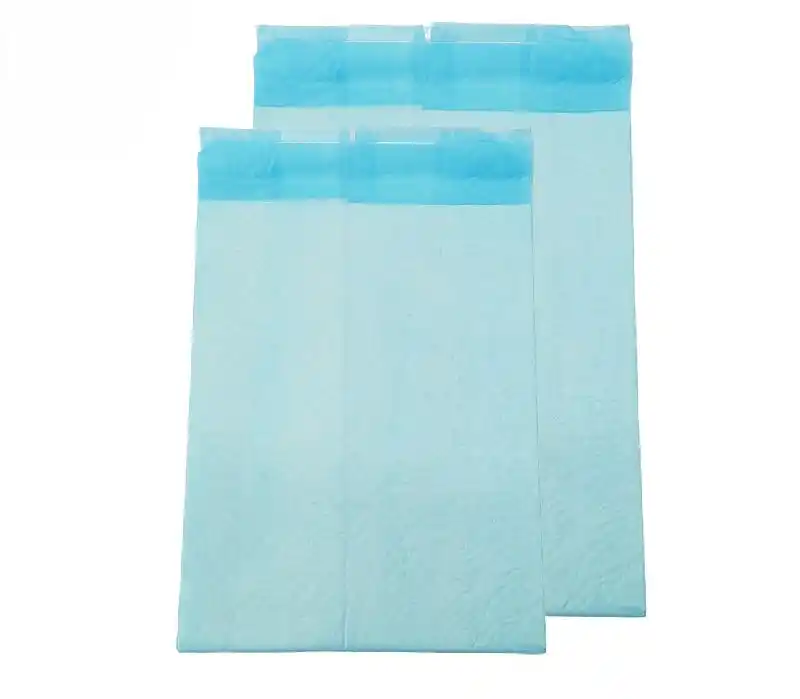
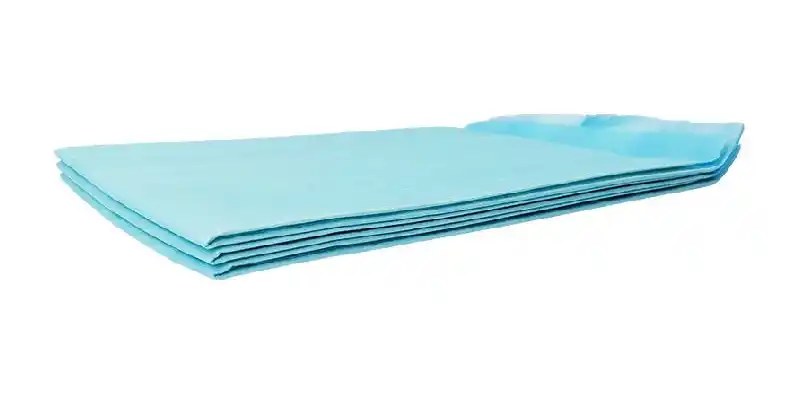
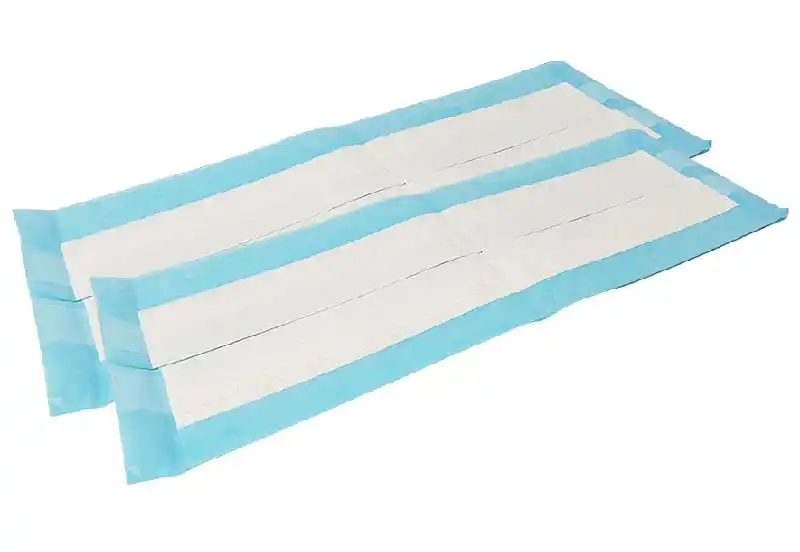
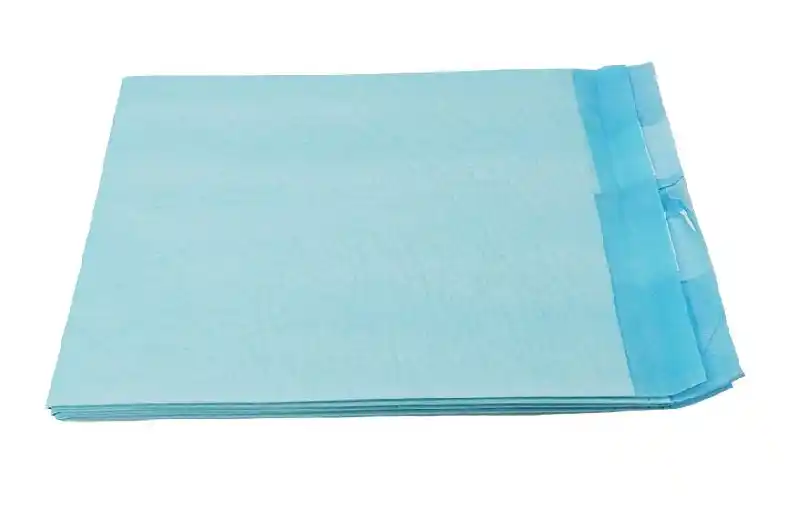
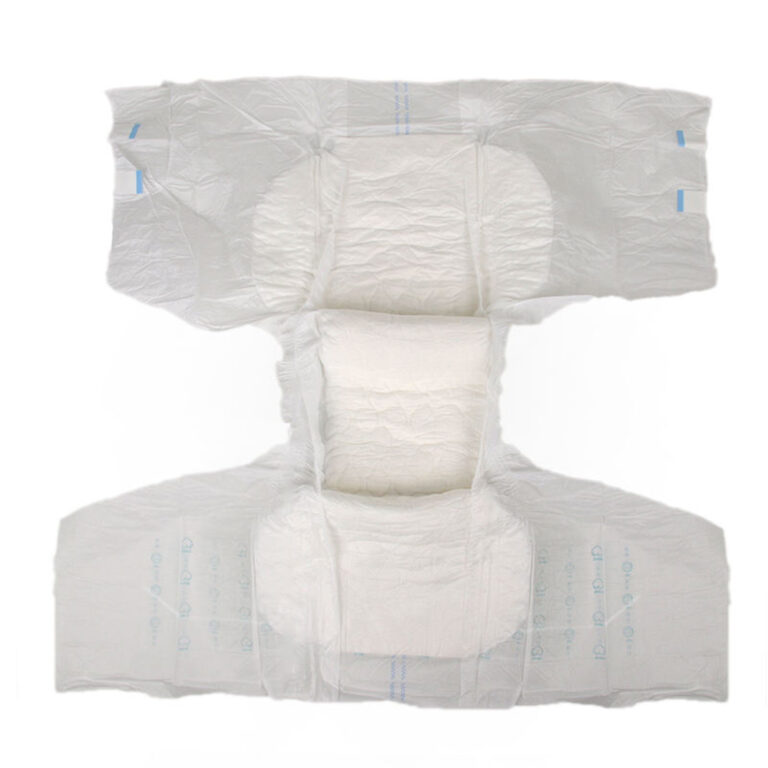
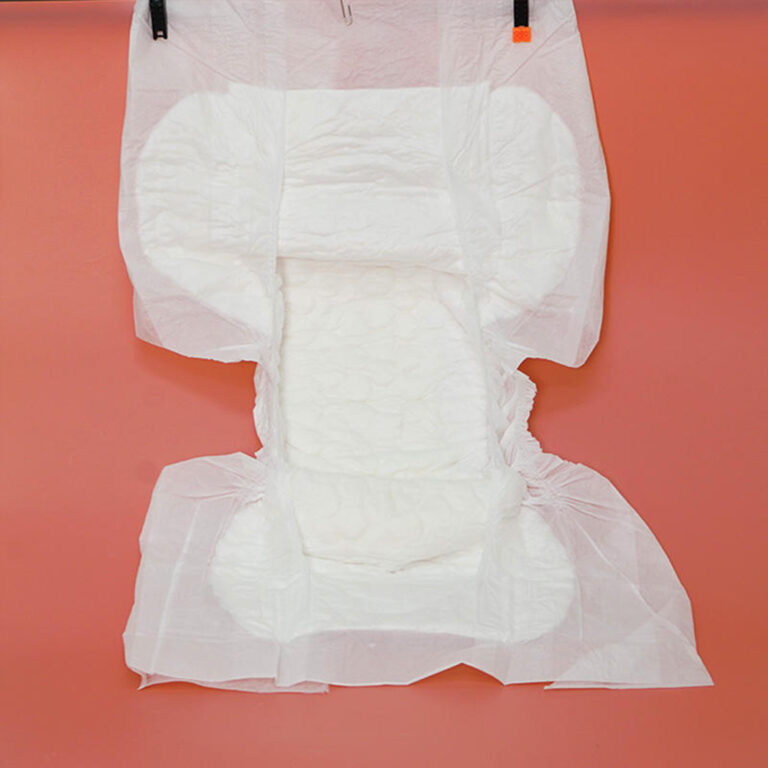
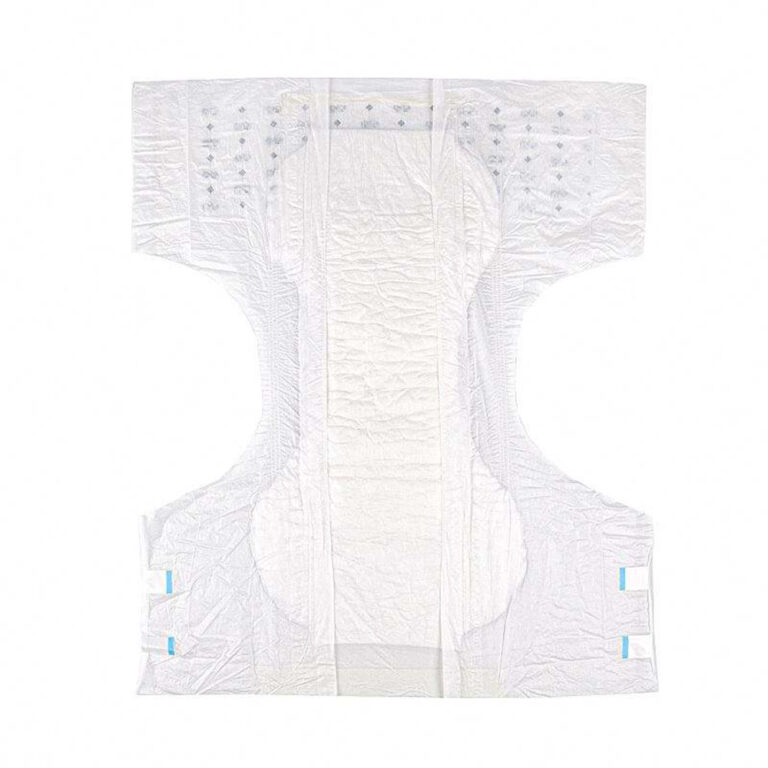
How to Write an Underpad OEM Spec: Size, Layers, Backing, Packs
If you’re buying underpads in bulk for nursing homes, hospitals, home care, or a private label shop, your OEM spec isn’t “paperwork.” It’s your safety rail.
A loose spec turns into the same ugly loop: leakage complaints → claim photos → “factory says ok” → you eat the headache. A tight spec does the opposite. It locks the build, keeps QC honest, and makes re-orders boring (boring is good).
This guide stays practical and buyer-first. I’ll also mention LOVINHUG (our manufacturing team behind Adult-Diaper.com) where it fits naturally in the OEM/ODM workflow.
Underpad OEM spec basics for B2B buyers
An underpad OEM spec is a build command. Not a catalog page.
When you write it right, it does three things:
It nails the use case (bed, chair, wheelchair, exam table).
It turns “performance” into measurable inputs (size, layers, backing, packs).
It prevents the “same-same” argument that kills time and trust.
If you’re already sourcing other adult care SKUs—like Adult Diapers or Incontinence Pads—you’ll notice underpads cause a special kind of trouble: they look simple, but tiny details (core placement, backing slip, case pack) can ruin the user experience fast.
Underpad use case and target market
Argument 1: Start with the use case, then lock size and absorbency
Don’t begin with materials. Start with where and how the pad gets used.
Here are common B2B settings that change your spec:
Nursing home beds: long wear windows, frequent turns, linen protection is priority.
Size problems usually aren’t “wrong dimensions.” They’re wrong coverage.
So don’t only write “60×90 cm” and call it a day. Add:
Finished size (L × W)
Effective absorbent zone size (core area)
Core position (centered? shifted toward one side?)
Edge seal width (how much non-absorb border you allow)
Corner shape (rounded corners reduce curl-up in real life)
Tolerance (± mm/in — pick one standard)
Industry slang you’ll hear: core drift. That’s when the absorbent zone walks off-center during production or converting. If you never specified core placement, you can’t really complain later. So yeah, specify it.
Argument 3: Put placement language into the spec to reduce leakage complaints
This is small but powerful. Add one “how to place” line:
“Place under hips with absorbent zone centered; keep sealed edges flat.”
Why? Because even a good pad leaks if it sits too low on the bed. And when caregivers rush, they’ll place it wrong. Give them a simple line they can follow and re-use on packaging.
Underpad layers specification
Argument 4: Define each layer’s job, don’t just say “X layers”
“4-layer underpad” sounds nice in a meeting. It means almost nothing on a production line.
Write layers by function + material:
Topsheet (contact layer): soft nonwoven, hydrophilic, fast strike-through, low lint
ADL (acquisition/distribution layer): spreads liquid, reduces pooling (optional but common)
Absorbent core: fluff pulp + SAP blend, wrapped to avoid clumping
Tissue/wrap layer: keeps core stable, reduces SAP migration
Backing layer: waterproof film or breathable film, sealed edges
Use both buyer language and factory language. Example:
“Topsheet: soft hydrophilic nonwoven; Core: fluff + SAP, anti gel-block design; Backing: PE film, leak barrier, embossed anti-slip.”
Not fancy. Just clear.
Argument 5: More layers can fail if fluid can’t move
Thicker doesn’t always mean better. I’ve seen “thick” pads fail because liquid sits on top and runs sideways. That’s a flow-path issue.
So add performance intent, like:
Fast intake (no puddles on surface)
Low rewet (surface feels drier)
Side leak resistance (edge sealing and core spread)
Keep it plain. Your buyers don’t need a lab thesis. They need a pad that behaves.
Underpad backing specification
Argument 6: Backing must define material, breathability, and anti-slip
Backing is where many specs go vague, then reality hits.
Call out:
Backing type: PE film / PP film / breathable film
Breathable or not: yes/no (don’t “maybe” it)
Anti-slip requirement: emboss pattern, coating, or friction target (at least define “must not slide on chair”)
Edge sealing: must be sealed, no pinholes, no delamination
If you sell chair pads for caregivers, backing slip is a silent killer. One slide and the caregiver says, “this brand is trash,” even if the core is great.
Underpad packs and case pack specification
Argument 7: Packs aren’t logistics trivia, they prevent billing fights
This is the classic distributor nightmare:
You ordered “one carton.” You got “one carton.” Then you notice the pcs/bag changed and your SKU math is broken. Now ops and finance are arguing like it’s a sport.
So define:
Pieces per bag
Bags per case
Case label rules: SKU, barcode, lot code, production date, language
Packaging style: printed bag / plain bag, handle or no handle
Carton strength note: “export ready” (simple phrase, but it signals expectations)
Factory phrase: case pack locked. Put it in the spec. It helps.
Lot traceability: lot code format, retain samples, record keeping
Incoming material control: SAP, fluff, film, nonwoven (the core stuff)
Pre-shipment inspection (PSI): random sampling, carton drop check if needed
Little warning: if you skip revision control, specs drift over time. Then V2 shows up and nobody can explain why. Not fun.
Underpad OEM/ODM workflow with LOVINHUG
If you’re building a private label line, you want a supplier that can do more than “make pads.” You want someone who can turn your spec into repeatable output and handle the messy parts: sampling, artwork lock, QC checkpoints, export packing.
That’s where LOVINHUG comes in. On Adult-Diaper.com, we focus on OEM/ODM for distributors, importers, care institutions, and private label teams. You can see the process view here: