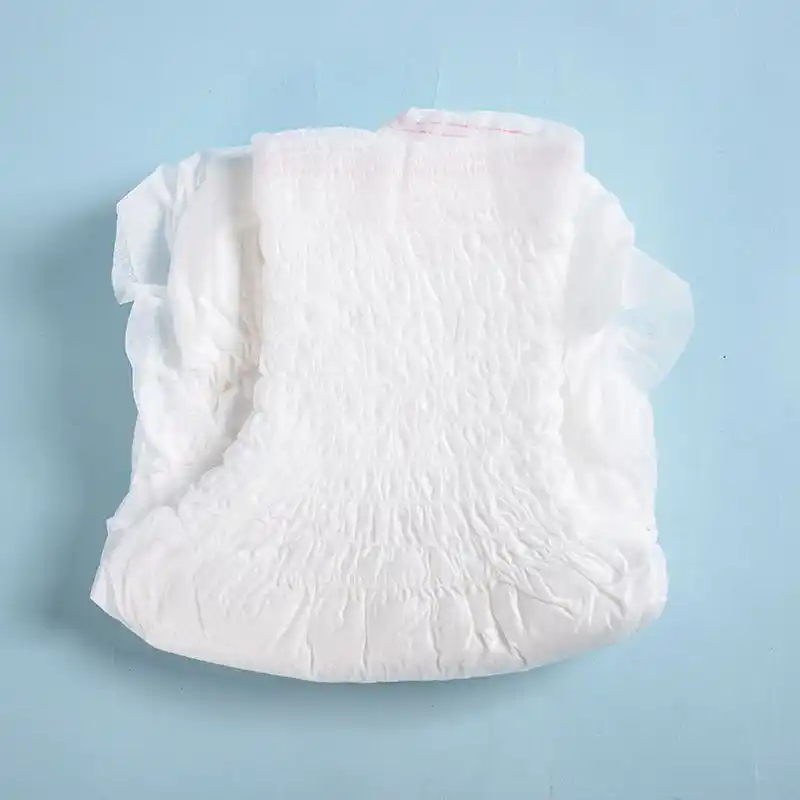
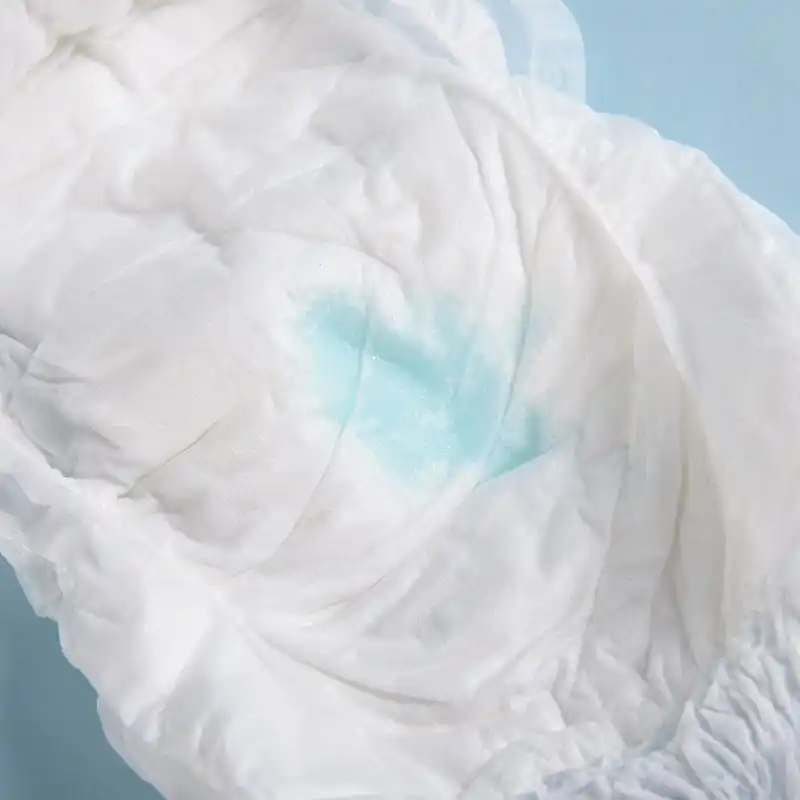
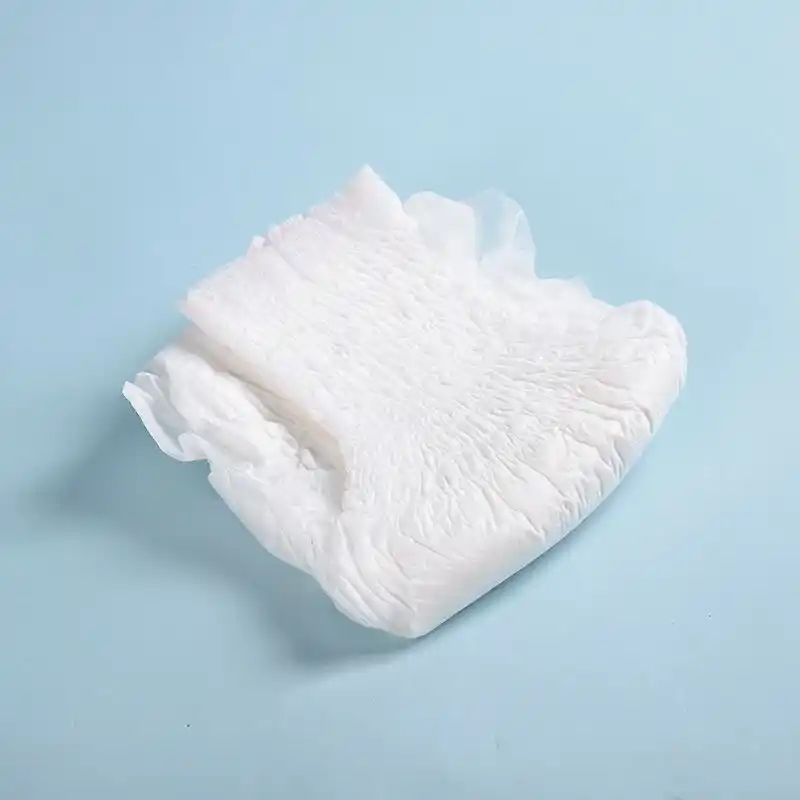
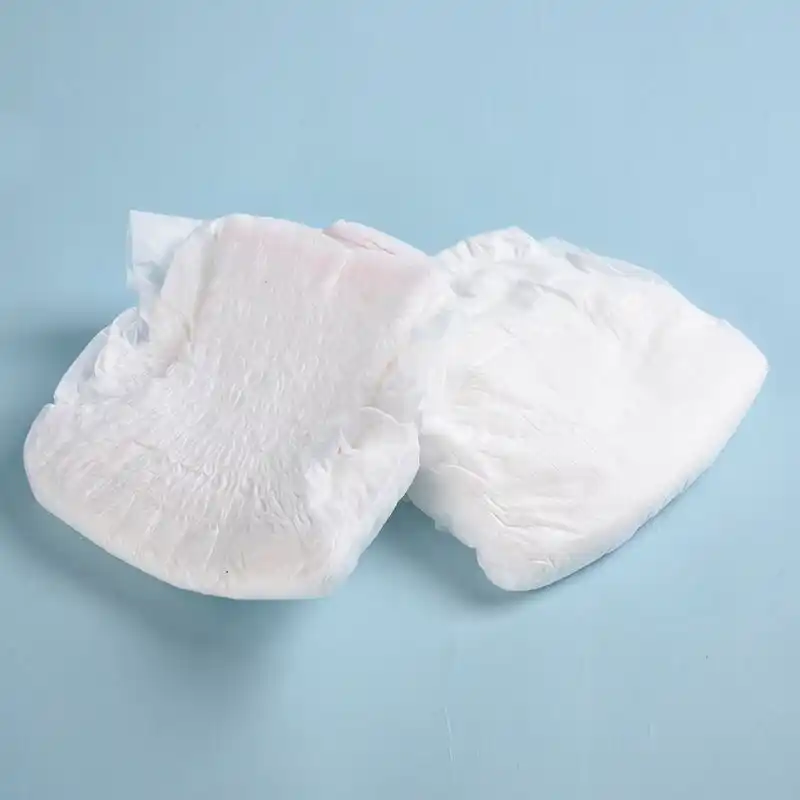
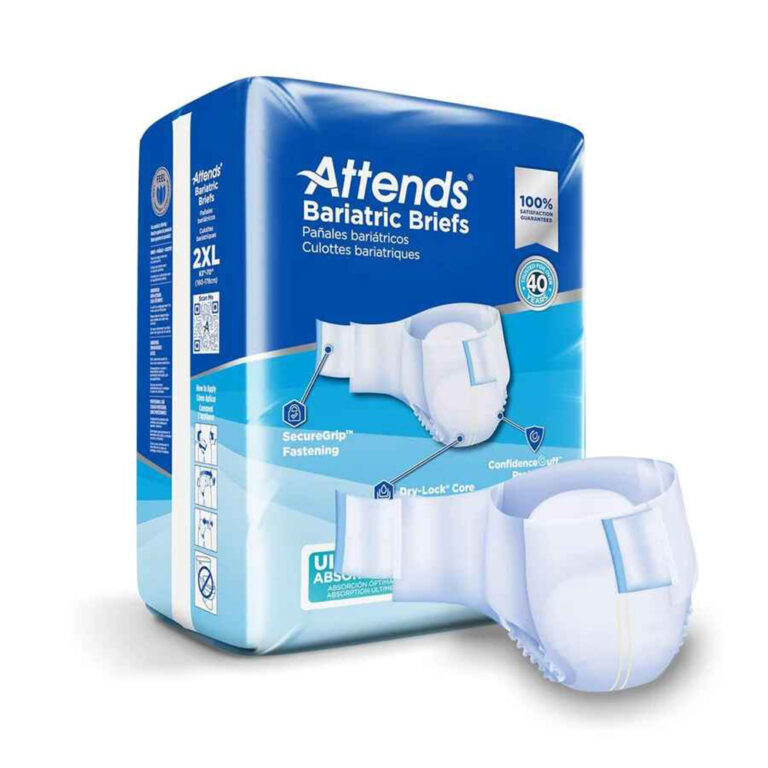
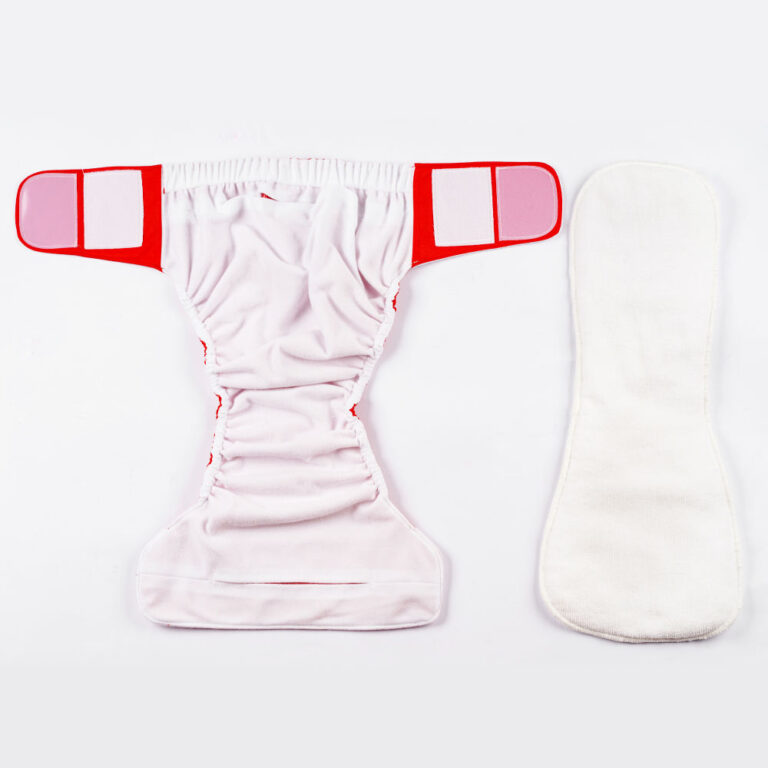
People hear “thin core” and instantly think “less protection.” That’s fair. Nobody wants a quiet pull-up that leaks the second you sit down.
But here’s the real deal: a discreet pull-up can still perform when the build focuses on fluid speed, lock-in, and fit instead of just stacking bulk. And if you’re sourcing for care facilities, distributors, or a private-label line, you don’t need hype. You need a spec that holds up on night shift.
On Adult-Diaper.com (a China-based OEM/ODM manufacturer setup), pull-ups are positioned as soft, quiet, and absorbent, with bulk supply + private label + flexible packing for B2B buyers. If you’re building a line under LOVINHUG, that “thin but reliable” story matters, because it sells to both active users and care teams who hate leak callbacks.
Quick links for buyers (so you can cross-check product + OEM flow):
Evidence table: thin-core pull-ups that still perform (buyer keywords + on-site source)
Argument title (use in your article)
Buyer “black talk” terms
What it solves in real life
On-site source you can cite
Thin isn’t “less material”—it’s better absorption
SAP loading, core wrap, retention
Less bulky feel without panic leaks
OEM/ODM positioning + pull-up product positioning
Fast intake beats “more thickness”
strike-through, acquisition, ADL
Stops the sideways “run” before it hits the leg gap
Intake speed is called out as a key performance lever
Thin core stays low-bulk, then swells on demand
swelling profile, gel-lock, core density
Looks discreet under jeans; still handles a real void
Pull-ups described as discreet + absorbent; you spec the absorbency level
Fit decides discreet + leak rate
leg elastics, waist range, seal
Fewer waistband prints, fewer side leaks
Pull-ups framed as underwear-like; tabs win when seal control matters
Leak guards stop side leaks without bulk
cuffs, guard height, geometry
Side-sleeper “one hip wet” problem drops
Side leaks + cuffs called out in tab-vs-pull-up decision logic
Breathable + odor control = discreet comfort
microclimate, IAD risk, rewet
Less skin drama, less smell anxiety
Rewet and skin routine emphasized; wipes support sensitive skin care
Bulk vs absorbency is a real trade
care workflow, check-and-reseal
Pick pull-ups for mobility, tabs for heavy + bedridden
Pull-up vs tab-style use cases explained clearly
Thin isn’t “less material”—it’s better absorption
A thin pull-up works when the core does two jobs:
pull fluid in fast
hold it when the user sits, walks, or turns
That’s not magic. It’s materials + structure. In OEM language, you tune SAP loading, fluff ratio, and core wrap so the product doesn’t feel like a brick but still locks in. If you’re building a LOVINHUG private-label range, this is where you stop arguing about “soft vs strong” like it’s a personality test. It’s just engineering choices.
Real-world scene: A home-care client walks to the kitchen, coughs, and gets a quick release. A thick core might still leak if intake is slow. A thin core with the right intake layer can handle it cleaner. Sounds simple, but it saves a lot of embarassing moments, honestly.
Fast intake beats “more thickness”
Facilities have a brutal nickname for slow intake: the “river effect.” Fluid hits the topsheet, doesn’t drop fast enough, then runs sideways until it finds a gap. That’s how you get “why is the bed wet again?” even when the product is “high absorbency.”
So when you sell thin-core pull-ups, you don’t lead with “thin.” You lead with intake speed:
faster strike-through
better acquisition/distribution
less surface pooling
If your buyer is a nursing home, they’ll care because it impacts change-time KPI and laundry load. No one wants a product that makes rounds harder.
Thin core stays low-bulk, then swells on demand
People want discreet. They also want safe. That’s the tension.
A good thin core stays low-profile when dry, then swells after it absorbs. That’s why you can have a pull-up that looks closer to regular underwear but still covers light-to-heavy needs depending on the absorbency spec you choose.
Everyday scenes where this matters:
commute + meetings: less “diaper outline” under chinos
retail/e-com customers: fewer returns because it feels less bulky
post-surgery mobility: they can step in/out without tape drama
And yes, sometimes the user will say “it feels thin, is it safe?” Your answer is: thin isn’t the point. Performance is the point. Thin is just the bonus.
Fit decides discreet + leak rate
Here’s the uncomfortable truth: a perfect core can still leak if the fit is off.
Pull-ups sell because they look and feel close to regular underwear, and users can step in, pull up, and go. But fit gets tricky in two places:
leg openings (where side leaks start)
waist stability (rolling down, sliding, or printing)
This is where tabs sometimes win, because caregivers can micro-adjust the seal, check, and re-seal. So don’t oversell pull-ups for bedridden care. You’ll just buy complaints later. Kinda obvious, but brands still mess this up.
Leak guards stop side leaks without bulk
If you’re writing for buyers, use the right keywords: leak guards, cuffs, leg cuff seal, guard height, geometry. Those words signal “we understand leakage paths.”
Side sleepers leak different. Fluid pools and pushes toward the leg opening. Tabs let staff “dial in” cuffs. For pull-ups, you manage the same problem with:
better cuff design
stable elastics
faster intake so fluid doesn’t travel
Scene: rehab patient turns in bed, then stands up. If the product rewets or shifts, you get the classic “one hip wet” complaint. That complaint kills reviews fast, even if absorbency on paper looks fine.
Breathable + odor control = discreet comfort
Discreet isn’t only visual. Smell gives people away quicker than thickness ever will.
Also, skin issues are a quiet budget killer in facilities. The more moisture sits on skin, the more you see irritation and angry calls from families. That’s why Adult-Diaper.com keeps bringing up rewet reduction and routines that actually work during busy care hours.
And wipes aren’t just “nice to have.” In real care workflows, wipes help staff clean fast between showers, and the site emphasizes pH-balanced, alcohol-free options for sensitive skin.
I’ll say it blunt: if you sell pull-ups without a hygiene add-on plan, you’re leaving money and outcomes on the table.
Bulk vs absorbency is a real trade (pull-ups vs tabs by scenario)
If you’re arguing that thin pull-ups solve everything, you’re gonna lose credibility. Adult-Diaper.com’s own guidance is clear: pull-ups work best when the user can step in/out, and tab-style briefs win for heavy output, frequent checks, and bedridden changes.
So here’s the clean B2B way to position it (no drama, no weird claims):
Scenario keyword
Best pick
Why buyers choose it
Active user, independent toileting
Pull-ups
faster solo changes; underwear-like use
Bedridden care, night rounds
Tabs
check-and-reseal + seal control
Side-sleeper leakage complaints
Tabs (often)
cuff seal control reduces leg-gap leaks
“Keep the bed clean” programs
Tabs + underpads
protect linen; reduce full bed changes
Sensitive skin, odor anxiety
Pull-ups + wipes
reduce rewet risk + better hygiene routine
Where LOVINHUG fits (without making it awkward)
If you’re a distributor, importer, nursing home supplier, or an e-com private label, you don’t want random SKUs. You want a lineup that stays stable month after month.
That’s basically the Adult-Diaper.com pitch: a specialized factory in China supporting OEM (your spec) and ODM (co-develop) across pull-ups, tabs, pads, underpads, and wipes. They also highlight factory-direct QC + custom packaging and delivery windows that fit bulk programs.
So if you’re building LOVINHUG:
position thin-core pull-ups as the mobility-first SKU
pair tabs as the containment + workflow SKU
add underpads and wipes as the leak + skin complaint reducers