Underpads for Hospitals & Nursing Homes: Procurement Checklist
If you buy underpads for a hospital or nursing home, you already know the pain: one “small” leak turns into bed strip + wipe-down + a cranky resident + a photo in your inbox. And procurement gets blamed, even when the pad looked fine on paper.
My take is simple: stop buying underpads like they’re just “absorbency.” In real wards, performance is about intake speed (strike-through), wet-back (rewet), fit/coverage, backing grip, and pack discipline—plus whether your supplier can keep specs stable across reorders. Adult-Diaper.com basically says the same thing: underpads look simple, but the “real performance” hides in intake speed and rewet.
Here’s a practical checklist you can actually use in tenders and reorders. I’ll also drop in how LOVINHUG fits naturally for bulk OEM/ODM programs (custom + wholesale, not retail one-offs).
Underpads for hospitals and nursing homes: what you’re really buying
In facilities, underpads exist for one job: let staff change the smallest thing fast instead of stripping the whole bed. Adult-Diaper.com literally calls this out—underpads are made to be changed quickly, not to “never change anything.”
And they’re not just mattress protection. Underpads affect skin microclimate (heat + moisture next to skin). If the pad traps humidity or stays damp, you’ll see more skin complaints and extra checks per shift. That lines up with clinical literature: wet skin gets more friction and shear, and prolonged moisture exposure drives MASD/IAD risk.
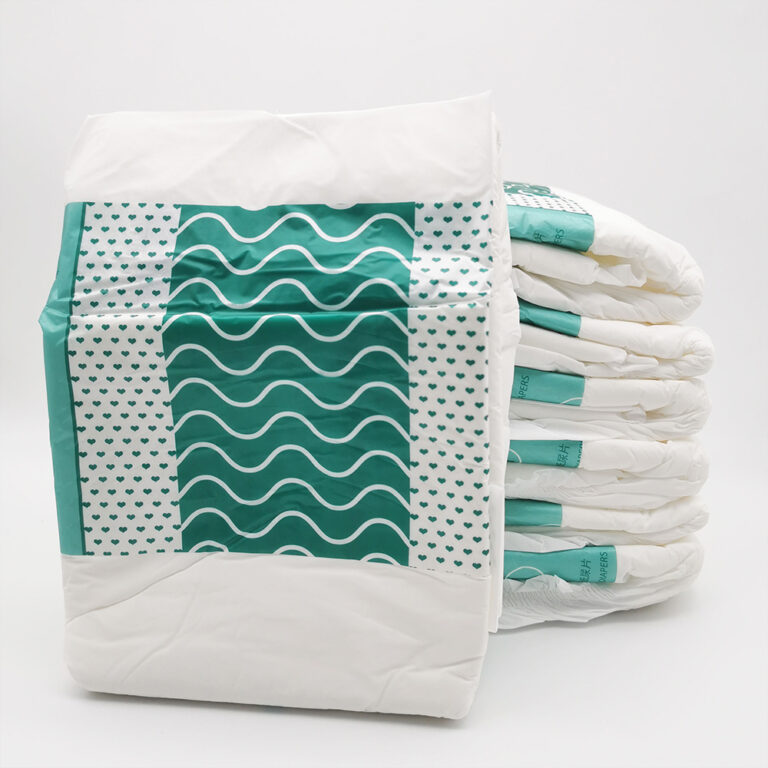
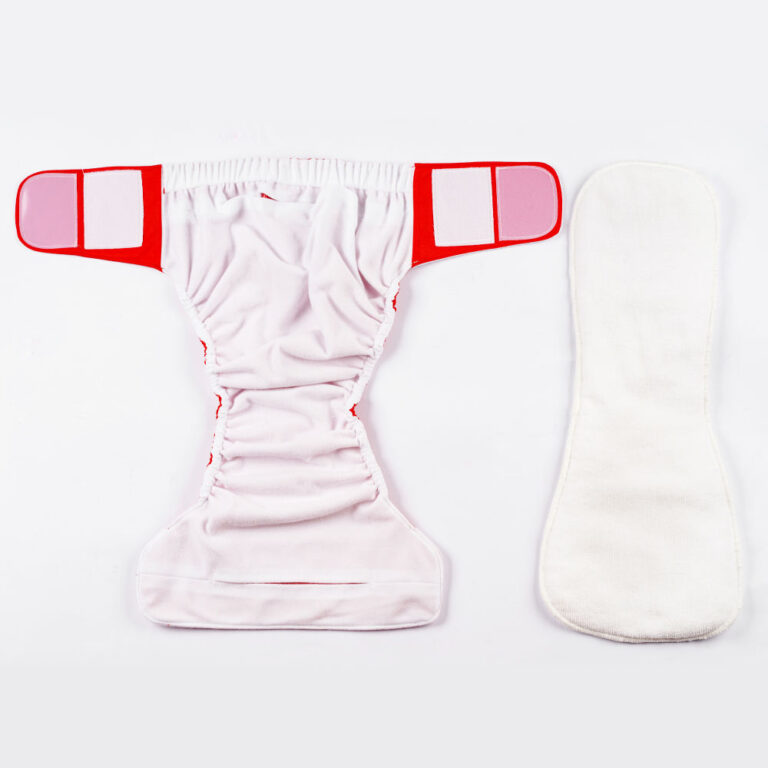
If you want the product pages for context while you read:
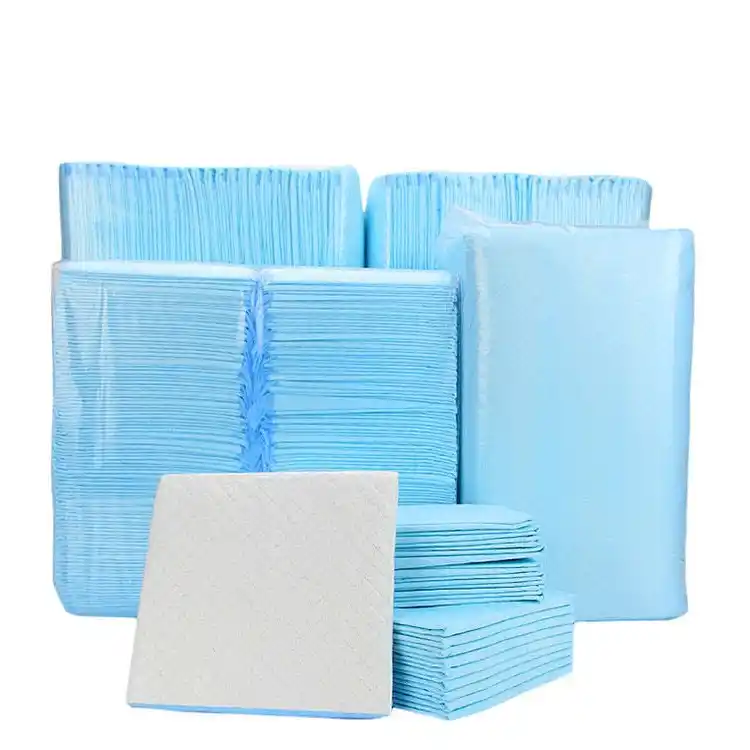
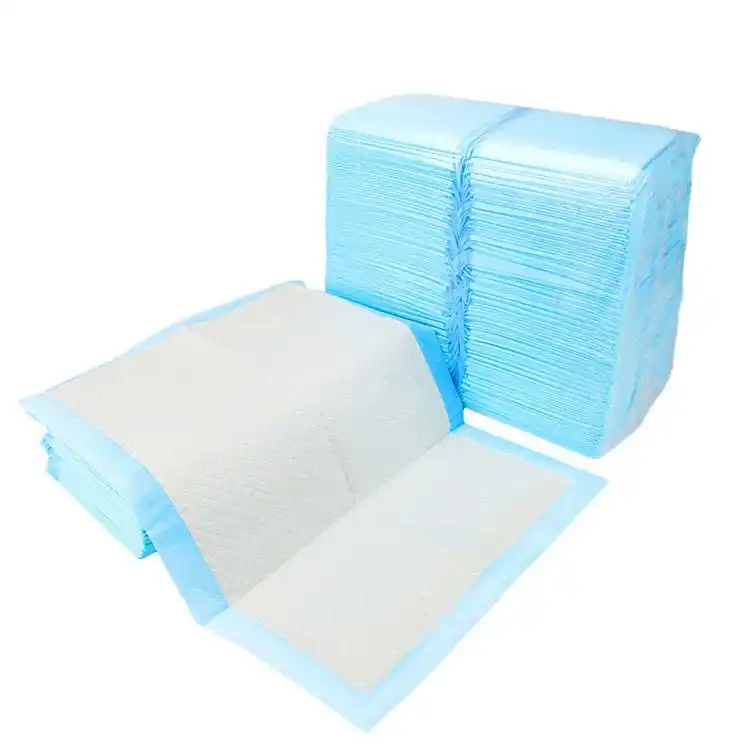
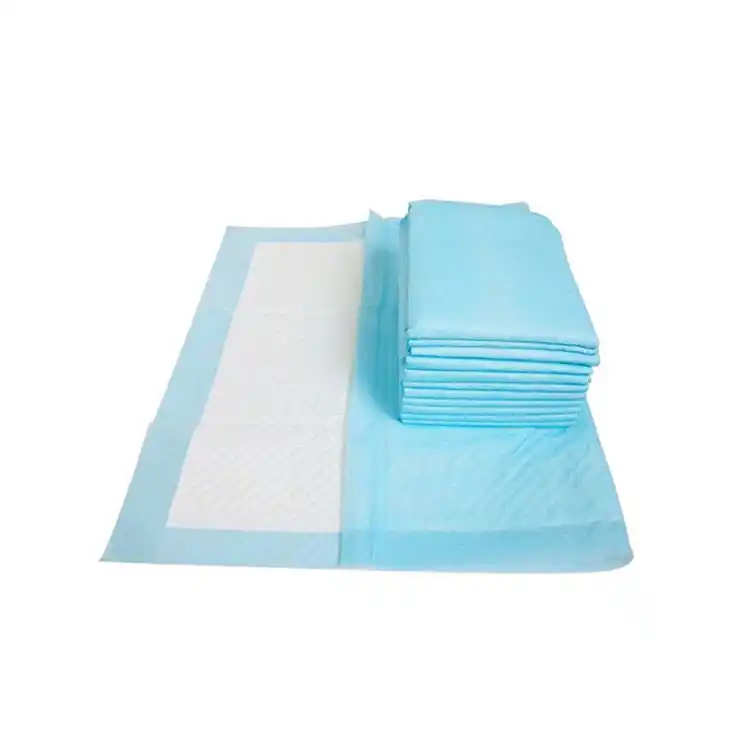
A decent spec names layers by job, not by vague “3-layer / 4-layer” claims. Adult-Diaper.com breaks it down like a factory would: topsheet, optional ADL/acquisition layer, absorbent core (fluff + SAP), wrap/tissue, and backing film. Their underpad product page keeps it simple for buyers: soft top, absorbent core, waterproof backsheet (PE or cloth-like).
ISO 11948-1 (Rothwell) absorbency testing: useful, but not enough
Procurement teams love one number. Absorbency looks clean in a spreadsheet.
But the main international lab method—ISO 11948-1 / Rothwell—measures total absorption capacity in a lab setup. AHPMA explains that the method involves immersing the product and calculating capacity by weight difference. AHPMA also warns that this test does not reflect real urination patterns in use, so you shouldn’t use it as the main purchasing criterion.
So what should you do instead? Build a balanced evaluation stack:
lab tests (capacity + wet-back style checks)
usability checks (placement, bunching, handling)
limited in-use trials on your real units AHPMA frames this as combining lab, biocompatibility, clinical assessment, and usability testing.
Underpad size and coverage: leak geometry beats “length × width”
A common buyer mistake: you spec “60×90 cm” and call it done.
Adult-Diaper.com is blunt: size problems aren’t only wrong dimensions, they’re wrong coverage. They recommend calling out absorbent zone size, core placement, edge seal width, corner shape, and tolerances—because “core drift” (absorbent zone walking off-center) is real in production.
Also, match pad size to the scenario:
bedbound turns and side sleepers (coverage + edge seals)
wheelchairs/chairs (anti-slip matters more than “ultra thick”)
Backsheet: waterproof, breathable, and anti-slip (pick what your ward needs)
Backing is where specs go vague and complaints start.
Your spec should say:
film type (PE / breathable film)
breathable yes/no
anti-slip emboss or “must not slide on chair”
seal integrity (no delamination/pinholes)
Breathability matters because microclimate matters. Adult-Diaper.com ties trapped humidity to fragile skin and IAD risk, and translates it into what you see on shift: clammy beds = more complaints and more changes.
Disposable vs reusable underpads: infection control and workflow reality
You don’t have to be “team disposable” or “team reusable.” In practice, most facilities run a mix.
A playbook on reusable vs disposable underpads notes both types can lie flat and wick similarly when used as intended, and it even says there’s no reason to stack multiple underpads under a patient with modern products. (We’ll skip the cost math—real life costs swing too much by site.)
If you run reusables, don’t “hope” the laundry is fine. Tie it to standards:
TRSA’s Hygienically Clean Healthcare program describes third-party audits and microbiological testing across the processing cycle.
HLAC’s infection-prevention checklist includes controls around washing parameters, separation of clean/soiled flows, cart disinfection, transport practices, and more.
That’s your procurement angle: if you buy reusable underpads, you’re also buying the laundry system.
Pack discipline, traceability, and QC language (this prevents “billing fights”)
This part isn’t sexy, but it saves you a lot trouble.
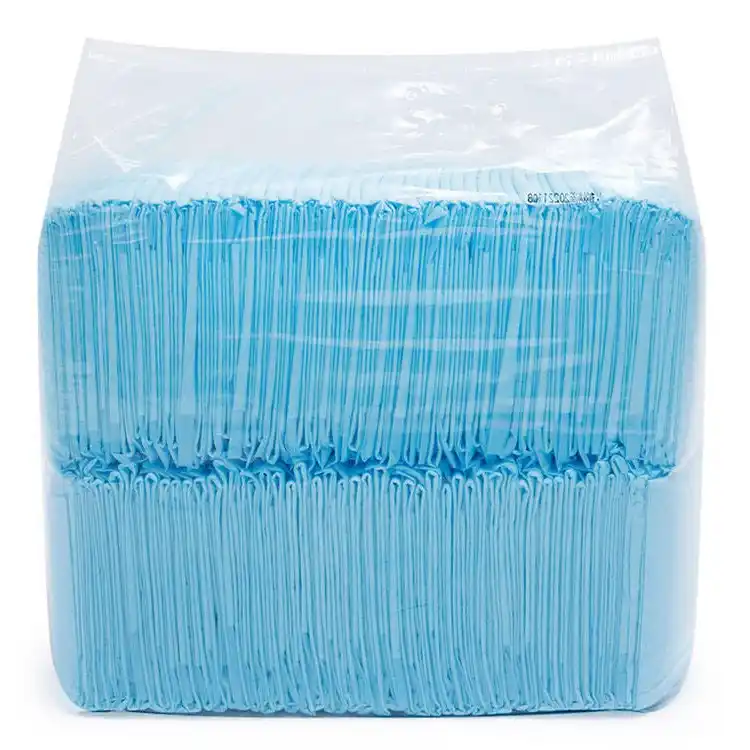
Adult-Diaper.com calls out the classic distributor headache: you ordered “a carton,” but pcs/bag changed, and suddenly ops and finance are arguing. Their fix is simple: lock pcs/bag, bags/case, case labels, barcode/lot code, and carton expectations.
For QC, use factory language procurement can enforce:
golden sample
AQL + defect definitions
lot traceability
PSI (pre-shipment inspection)
US coding keywords: HCPCS A4553 and A4554 (if reimbursement touches your channel)
If your channel touches US Medicare billing (DME suppliers, distributors supporting that market), coding matters.
Noridian states:
A4553 = non-disposable underpads
A4554 = disposable underpads
Even if you’re not billing, these codes show up in tenders and item masters. So it’s worth aligning product mapping early.
Procurement checklist table for underpads (hospital & nursing home)
Use this table as your RFP checklist or internal scorecard. It’s written in “buyer + factory” language, so nobody can play dumb later.
Checklist item (keywords)
What to write in the spec
How you verify
Common failure it prevents
Use case (bed/chair/exam table)
primary surface + mobility + change frequency
trial on the real unit
wrong pad for the job
Finished size + absorbent zone
L×W + core zone + placement + tolerances
measure samples, check core centering
leaks from bad coverage / “core drift”
Strike-through time (intake speed)
target fast intake (no pooling)
simple pour test + staff feedback
“river effect” lateral runoff
Rewet / wet-back
low surface wetness under pressure
press test after loading
damp bed feel, skin complaints
Topsheet material
hydrophilic nonwoven, low lint, soft feel
touch + lint check
irritation, slow intake
Core build (fluff + SAP)
fluff/SAP blend + anti gel-block intent
cut sample (QA), leakage trial
clumping, poor locking
Backsheet waterproofing
PE or cloth-like film, sealed edges
strike-through / edge leak checks
soak-through, messy cleanups
Breathable backsheet
breathable yes/no (don’t “maybe”)
confirm material spec
hot/clammy microclimate
Anti-slip backing
emboss/coating or “must not slide”
chair test, transfer test
pad sliding off chair/bed
Construction (flat / no puckering)
bonded/laminated vs quilting note
visual + under-load check
ridges, friction points
ISO 11948-1 (Rothwell)
include if needed, but not sole KPI
request report + compare categories
buying on one lab number
Disposable vs reusable policy
define which units use which
align with infection control + laundry
wrong product in wrong workflow
Case pack locked
pcs/bag + bags/case + label content
carton inspection at receiving
SKU math chaos
Lot traceability
lot code format + retain samples
audit trail check
can’t investigate complaints
QC plan (AQL, defects, PSI)
critical/major/minor defect list
inspection reports
endless “acceptable” arguments
US HCPCS mapping
A4553 / A4554 mapping if relevant
item master alignment
misc coding errors downstream
Where LOVINHUG fits (bulk OEM/ODM, not random retail)
If you’re a distributor, importer, nursing home chain, or private-label team, you don’t need magic. You need repeatable specs, stable output, and boring reorders. Adult-Diaper.com positions LOVINHUG exactly in that lane—custom + bulk programs for care channels.
On the operational side, their site highlights:
ISO/CE/FDA positioning and QC workflow
sampling and production timelines (sample window + bulk lead time)
flexible MOQ and private-label support
And if you want fewer “bed still damp” moments, don’t sell underpads alone. Build a simple system:
brief + underpad + mattress protector layering
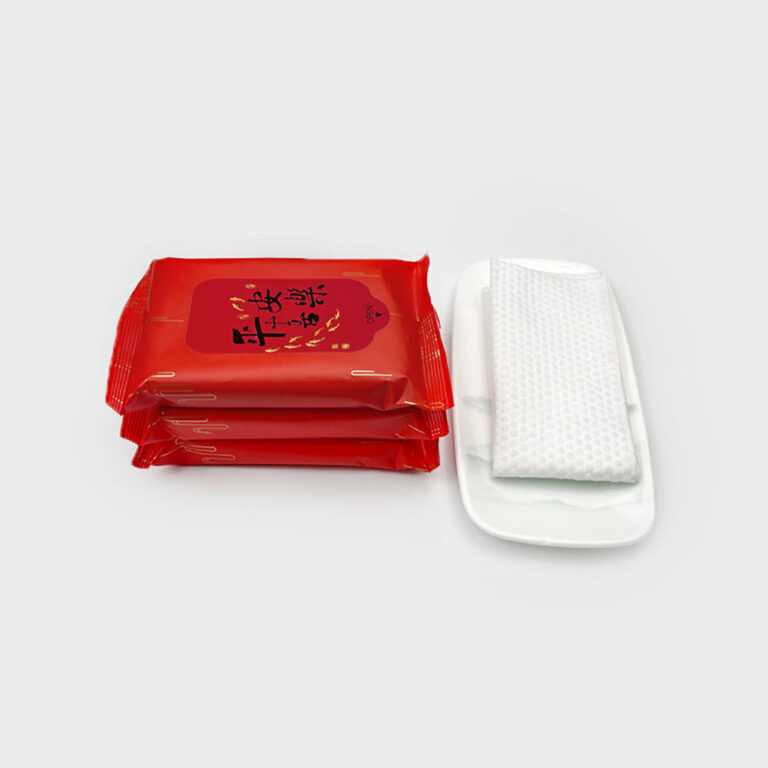
plus wipes for fast cleanup (facilities love this add-on)