Men’s Incontinence Product Line: How to Build a Male-Focused Range
Men leak too. And if you’re building a men’s incontinence product line for grown-up buyers (not a “pink aisle” copy-paste with blue ink), you’re designing around anatomy, stigma, purchasing behavior, and reimbursement friction—plus the physics of liquid moving forward, then down, then sideways when somebody sits. So why do so many brands still ship the same unisex SKU stack and call it “male-focused”?
I’m going to say the quiet part: “men’s incontinence products” is less a category than a cover story. Men don’t wake up wanting “adult diapers.” They want to stay employed, keep traveling, keep dating, keep sleeping, keep the prostate follow-up from turning into a wardrobe crisis. That’s the job.
Table of Contents
Start with the demand you can actually prove
Here are three hard demand signals I trust more than vibes:
Aging isn’t a future tense problem. The U.S. 65+ population grew 9.4% from 2020 to 2023 to about 59.2 million, per the U.S. Census Bureau’s June 2024 analysis. That’s your expanding base of chronic bladder control needs, male included.
Post-prostate treatment leakage is not rare, it’s measurable. A 2024 peer-reviewed outcomes study reported 13% incontinence at 1 year after robot-assisted radical prostatectomy (vs 6% after radiotherapy) in its cohort—this is a giant pipeline into “light → moderate → overnight” purchasing.
“Overactive bladder” is a volume driver, not a niche. A 2024 NHANES-based analysis reported a contemporary OAB prevalence affecting 14.5% of U.S. men (2005–2020 trendline). That’s recurring retail demand, not just post-surgery spikes.
If you’re building a male-focused incontinence product range, those three data points dictate your SKU ladder: discreet daytime first, then upgrade paths, then caregiver-grade heavy/bedridden.
The SKU ladder that doesn’t get you killed in reviews
Most brands mess this up by skipping the “bridge” products. They jump from “incontinence pads for men” straight to “men’s adult diapers,” and then act surprised when conversion dies.
On adult-diaper.com, the cleanest internal structure is already there: a men’s portfolio hub, then the key formats—pads, underwear, briefs, boosters, and usage education. I’d stitch your on-site journey around these:
Notice what’s missing? A “best incontinence products for men” listicle. Good. That keyword intent is usually comparison-shopping, but the way you win it is by making your ladder obvious, not by writing poetry.
Here’s the uncomfortable truth about “male-specific design”
Male-focused design is not “masculine colorways.” It’s front-loaded absorbency + stability during motion + discreet noise/odor control—and the last two are where cheap product quietly destroys your brand.
Men tend to load the front zone first, then overflow on sitting. If your core distribution and leak guards don’t anticipate that posture switch, your reviews will say “works standing, fails in the car.” That one sentence kills repeat purchase.
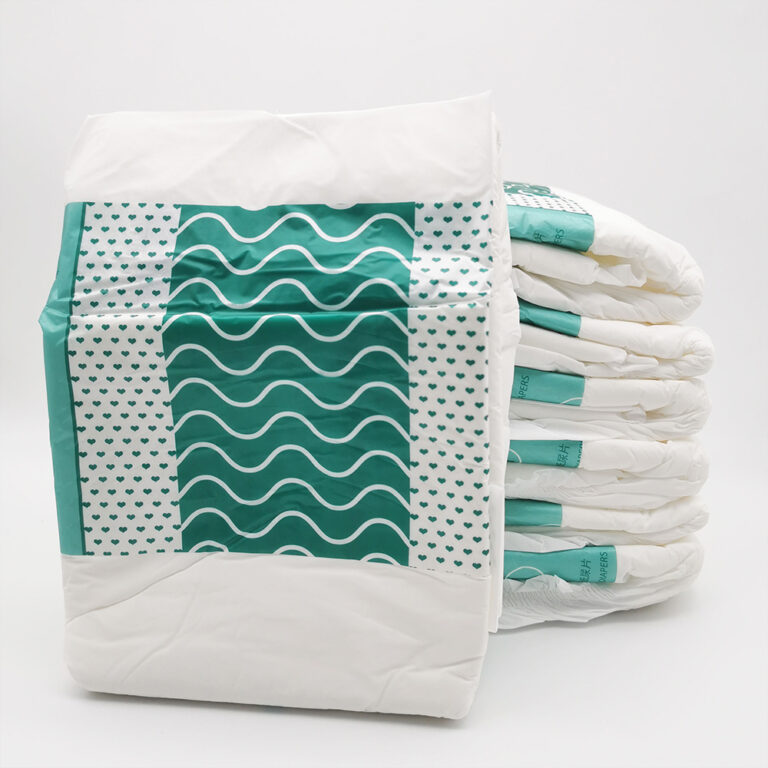
Also: size reality. Men are overrepresented at the tails—bigger waists, thicker thighs, more belly. If you don’t cover extended sizing (XL/2XL/3XL) in at least your heavy formats, you don’t have a range; you have a display. The site’s tab-style larger sizes (like XL/2XL/3XL briefs) are exactly the kind of “boring” SKU that prevents refunds and rage emails.
Build the line like a procurement manager, not like a brand designer
You’re selling a system. Not a hero SKU.
Here’s a practical, male-focused lineup blueprint you can copy into a spec sheet:
Ladder step
Product format
Best for
Male-specific spec focus
Common failure mode
What I’d ship first
Step 1
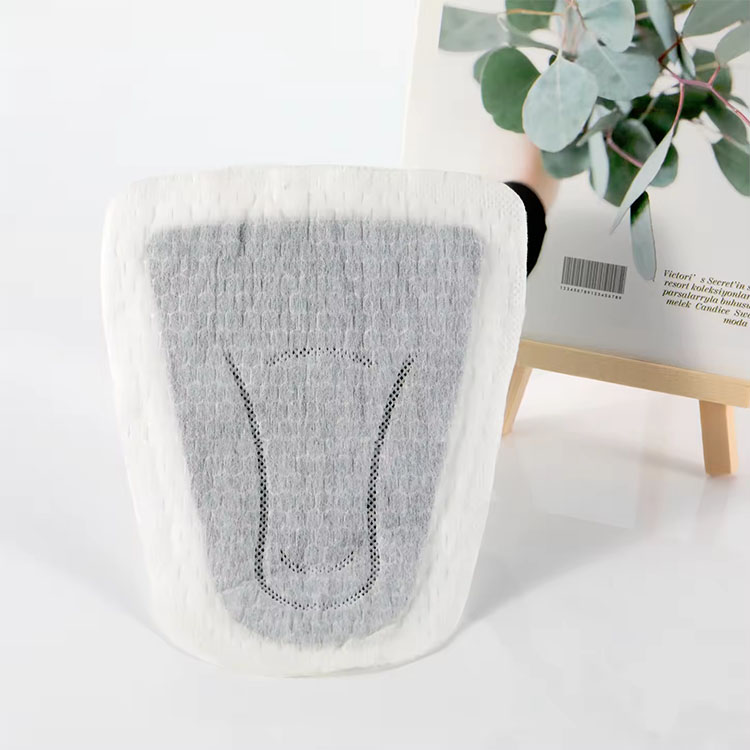
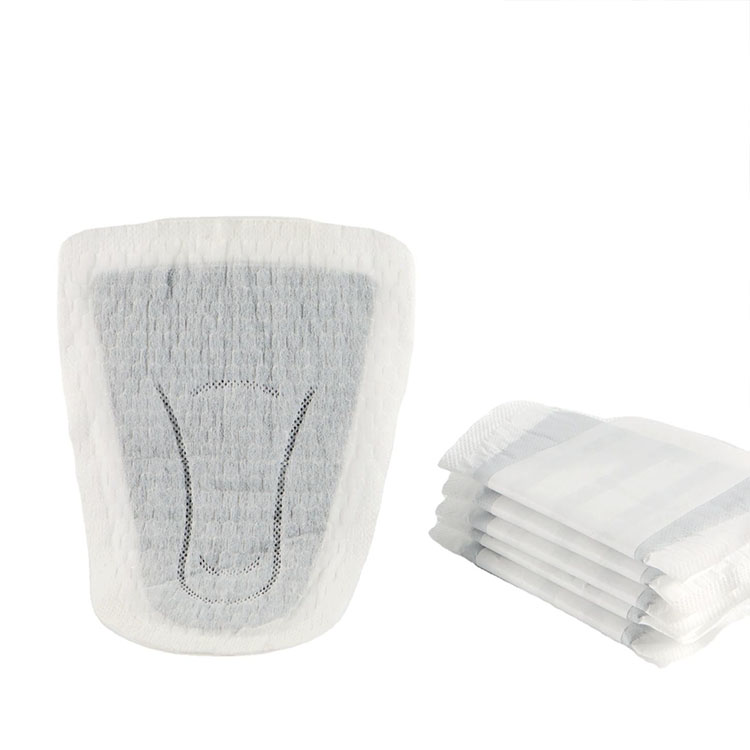
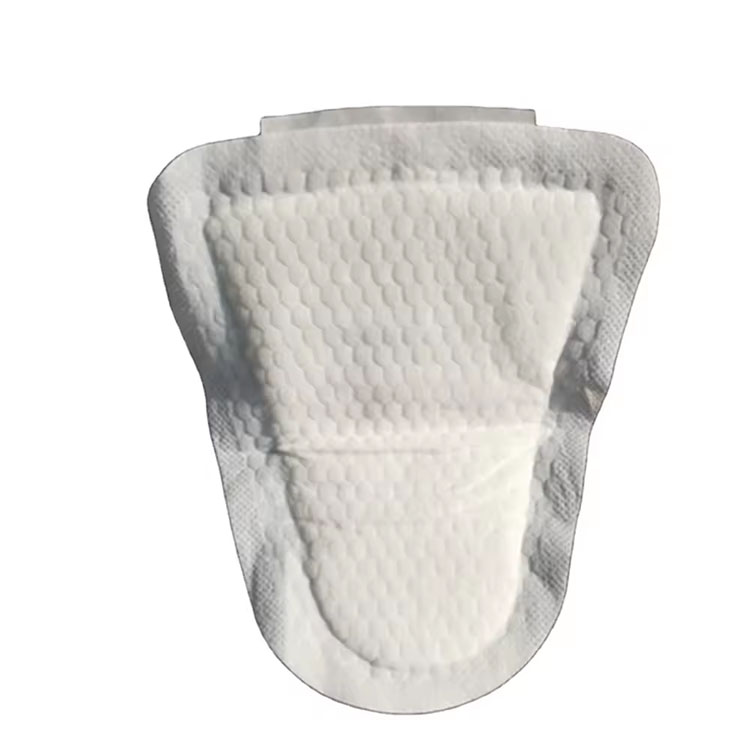
Guards/liners (light)
Drips, post-op “almost dry,” office days
Front zone absorption + adhesive that doesn’t peel
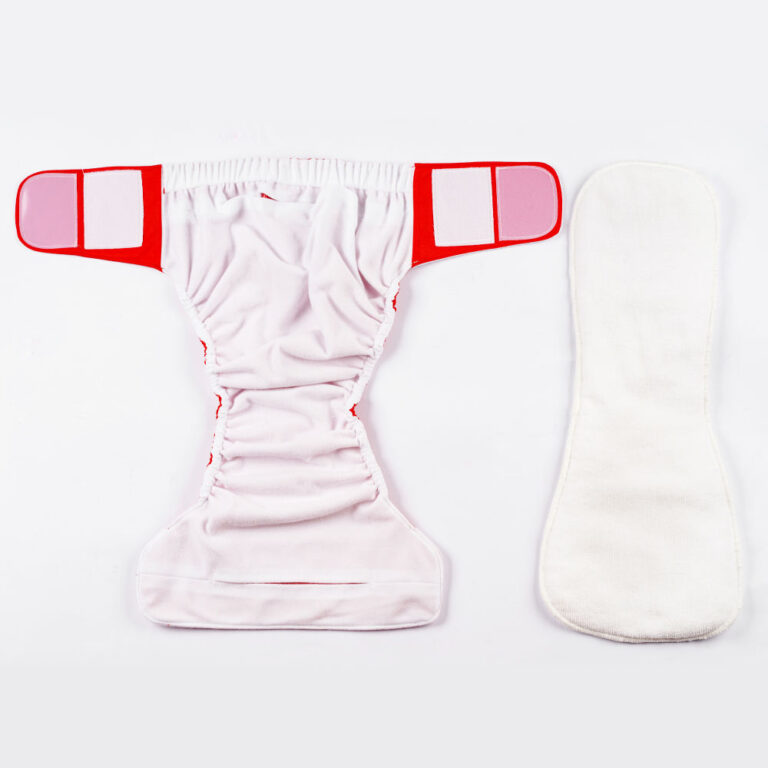
Refastenable tabs + tall guards + full back coverage
Side leaks in bed
Heavy + Overnight, extended sizes
Step 5
Booster pads + bed protection
Overnight, long flights, facilities
Flow-through booster + underpad sizing
Booster blocks flow, leaks anyway
One booster + one underpad size
If you only launch Steps 3–4 (pull-ups + briefs) because “that’s where the volume is,” you’ll miss the gateway buyers who aren’t ready to admit they need them. And those buyers are the ones Googling “male incontinence products” at 1:00 a.m.
Channel strategy: the reimbursement trap and the private-pay reality
Short sentence: Medicare matters. Long sentence: In the U.S., Original Medicare generally does not cover incontinence supplies or adult diapers, which pushes a large share of demand into private-pay retail, e-commerce subscriptions, caregiver purchasing, and occasionally Medicare Advantage “extra benefits” that vary by plan—meaning your pricing, pack count, and positioning must work without assuming reimbursement.
That’s why male-focused lines that lean on “medical” branding often disappoint. The buyer still pays. They just feel worse about it.
So I’d split channel packaging like this:
E-commerce: fewer SKUs, clearer “Day / Night / Overnight” story, reorder-friendly case packs.
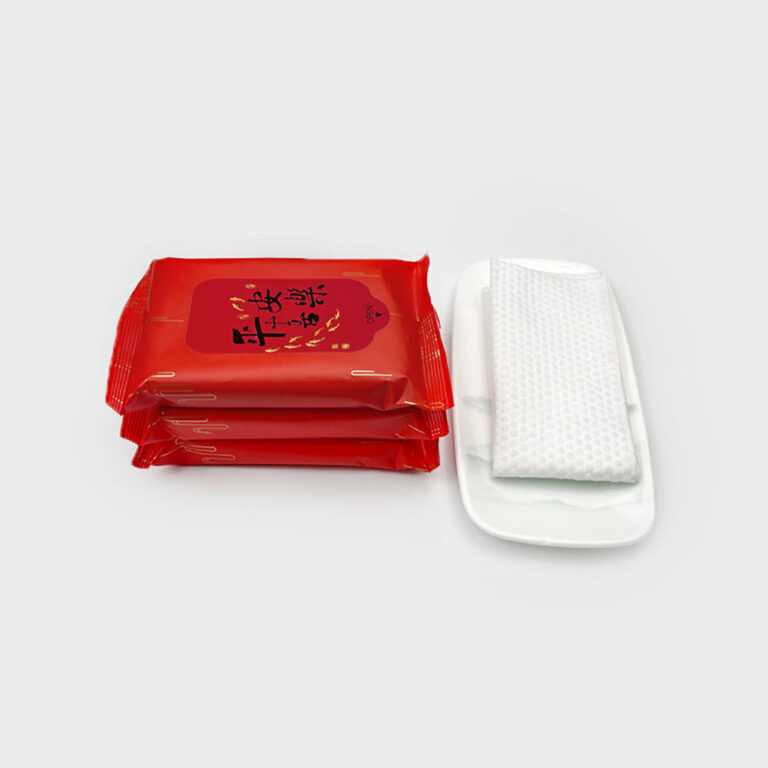
Institutional/care: tab briefs, underpads, wipes, and documentation—because tenders and QA teams care about consistency more than vibes.
Compliance and liability: ignore it, and you’ll relabel at your own expense
If you market these as “protective garments for incontinence” in the U.S., the definition exists in black and white in federal regs: 21 CFR § 876.5920 defines a “protective garment for incontinence” as absorbent padding + fluid barrier intended to protect clothing from excreta. And FDA product classification databases track this device category (Class I, with specific exemption details).
Now the chemical footnote that’s turning into real policy: PFAS restrictions. Minnesota passed PFAS-related laws in 2023 and state agencies are already publishing timelines and statutory references; bans phase in starting 2025 for certain categories and expand over time. If your topsheet/backsheet treatments or odor-control chemistry are sloppy, you’ll end up scrambling for compliance statements.
Do I think every diaper is loaded with scary chemistry? No. Do I think you should be able to answer a retailer’s questionnaire without sweating? Yes.
Also: core materials. Your absorbent core is typically fluff pulp plus SAP (superabsorbent polymer), often sodium polyacrylate (C3H3NaO2)n. If you can’t describe your core stack and the role of the acquisition/distribution layer in plain language, you’re not ready for serious buyers.
The “male-focused” details that actually move sales
A few design and merchandising choices I’d bet on:
Front bias, but not a cone. Men’s guards that over-focus the front can channel liquid straight out the side when seated. You want front capacity plus lateral management.
Noise is a conversion killer. If your backsheet sounds like a snack wrapper, active men stop using it. They don’t “adapt.” They ghost.
Odor control isn’t optional. It’s the emotional center of the category. Call it what it is: odor reduction for urea breakdown. Be specific, be honest.
Masculine ≠ macho. Neutral colors, clean typography, and privacy-forward naming. That’s it. Don’t cosplay.
Accessories raise AOV and reduce complaints. Booster pads and underpads are not “extras,” they’re how you prevent the overnight catastrophe that becomes a one-star review.
If you want the internal education piece that reduces returns, link people straight into practical fitting and usage content (adult-diaper.com’s Usage & Care Guides is the right kind of utility content).
FAQs
What are men’s incontinence products?
Men’s incontinence products are absorbent inserts and garments engineered around male anatomy—typically front-loaded absorbency, odor control, and a secure leg/waist fit—used to manage light drips through full urinary or bowel incontinence, in formats like guards, pads, pull-ups, tab briefs, booster pads, and bed protection. In practice, a real “male-focused” line is a ladder: light → moderate → heavy → overnight, with easy trade-up. If your range forces men to jump formats too early, they churn.
What’s the difference between incontinence pads for men and men’s incontinence underwear?
Incontinence pads for men are adhesive-backed absorbent inserts worn inside regular underwear, while men’s incontinence underwear is a pull-up garment with an integrated core and leak guards; pads are cheaper and more discreet for light-to-moderate leaks, but pull-ups win when movement, urgency, or overnight security matters. If you’re building a range, both belong—pads bring new users in, pull-ups keep them when symptoms escalate.
What absorbency tiers should a male-focused range include?
Absorbency tiers are the set of SKUs that cover light, moderate, heavy, and overnight leakage with consistent performance targets mapped to real use cases—post-prostate treatment drips, overactive bladder urgency, long travel days, and caregiver changes—so customers can move up or down protection without switching brands or guessing. Use simple naming (Day/Night/Overnight) and make the “bridge” tiers obvious.
Are adult diapers covered by Medicare?
Medicare coverage for adult diapers refers to whether Original Medicare reimburses disposable absorbent incontinence supplies; generally it does not—Medicare explicitly states Original Medicare doesn’t cover incontinence supplies or adult diapers, and CMS coverage guidance treats many such supplies as non-covered—so most brands must price for private-pay channels.
How do you private label men’s incontinence products with an OEM?
Private labeling men’s incontinence products is the process of selecting a manufacturer’s base platforms (pads, pull-ups, briefs) and customizing specs, sizes, materials, and packaging under your brand—typically with agreed performance testing, complaint handling, and batch traceability—so the line meets channel requirements without you owning production assets. If you’re sourcing now, start with a tight spec sheet, sample fast, then lock repeatability before you add “premium” variants. The operational path is outlined in OEM/ODM services.
Conclusion
If you’re serious about building a male-focused incontinence product line (not just relabeling unisex stock), pick your ladder steps, decide your Day/Night/Overnight story, and pressure-test fit on real male body types—including extended sizes. Then talk to a supplier with a full system portfolio and documentation support. Start at Men’s incontinence products portfolio and use the Contact page when you’re ready to request samples and a spec-driven quote.