Should Men’s and Women’s Incontinence Lines Be Separated?
Yes and no. When brands split incontinence products into men’s and women’s lines by doing nothing more than changing pack color, swapping “confidence” for “discreet confidence,” and calling it innovation, they create catalog bloat without improving leakage control, fit, or repeat purchase; when they separate the line where anatomy, stigma, and use-case actually change the product, they usually make more money and get fewer ugly reviews. Why keep paying for theater?
My view is simple. Separate the search path, the product story, and the mid-funnel SKUs where body geometry and leakage direction matter; do not split every heavy-care product just to satisfy a merchandising fantasy. I’ve watched too many brands build “gender-specific” ranges that were really just duplicated inventory with a different font.
Table of Contents
The lazy answer is expensive
I reviewed Adult-Diaper’s live structure before writing this, and the signal is already there: the site has a separate men’s incontinence products hub and women’s incontinence products hub, plus dedicated pages for incontinence underwear for men and incontinence underwear for women. But the current hubs still overlap heavily on XL/2XL/3XL tab briefs and wipes, and the men’s underwear page is cross-listing a bowel underwear SKU that also lives in the women’s underwear taxonomy, which weakens topical clarity for Google and for buyers.
That matters. Search engines do not reward vague category intent forever, and neither do distributors, because a line that says “male guard pads, underwear and taped diapers” while visually leaning into shared heavy briefs is telling three different stories at once. I would keep the gender split in the site architecture, then make the split honest inside the SKU mix.
Where gender actually changes the product
Three things change. Anatomy, psychology, and failure mode. And once those three move, the product spec has to move with them.
Men: front-loaded absorbency is not marketing fluff
Men’s urinary leakage is not a mirror image of women’s leakage, and the site’s own product language reflects that: the men’s incontinence products hub talks about front-loaded absorbency, while the men’s underwear page explicitly mentions a reinforced absorbent zone in the front. That is not cosmetic positioning; that is product architecture. Add real demand signals and the case gets stronger: a 2024 NHANES-based study found overactive bladder affecting 14.5% of U.S. men, and a 2024 nationwide study reported urinary incontinence at one year in 13% of men after robot-assisted radical prostatectomy versus 6% after radiotherapy. That is exactly why men’s incontinence products should not be treated like recolored unisex underwear.
I’ll be blunter. Men often enter this category late, embarrassed, and still negotiating with themselves, which means the “best incontinence products for men” query is usually not asking for a lecture on continence care; it is asking for something quieter, less bulky, less obvious under pants, and less humiliating to buy. That shopper behavior is different enough to justify separate guards, pads, and day pull-ups.
Women: fit, silhouette, and stress leakage change the brief
Women’s needs are broader and, in practice, more varied across life stage. The women’s incontinence products hub leans into body-shape fit, discreet profiles, and softer materials, while the women’s underwear page stresses a contoured core, low-profile leg openings, and a smoother waistband; those are not decorative details when stress leakage, postpartum recovery, and clothing silhouette are in play. On the medical side, the NIH’s NCBI review updated in August 2024 notes that roughly 24% to 45% of women report urinary incontinence, and UT Southwestern reported in June 2024 that postpartum urinary incontinence was associated with depression and anxiety in a study of 419 women assessed 12 months after birth. That is why women’s incontinence products need their own fit logic, not just softer copy.
And here is the hard truth the industry avoids: women are far more likely to notice when a product feels like a medical object instead of normal underwear, because the comparison set is not “hospital brief versus hospital brief.” It is leggings, skirts, dresses, fitted denim, postpartum underwear, and long workdays. If you ignore that, your return rate will teach you the lesson anyway.
Split the line where failure starts
Not every SKU deserves a male and female clone. That is where smart operators beat catalog hoarders.
Product format
Should men’s and women’s lines be separated?
My take
Why
Guards and liners
Yes
Separate hard
Front-vs-centered absorbency, adhesive placement, outline under clothing, embarrassment factor
Day incontinence pads
Yes
Separate hard
Leak direction, body contour, sitting comfort, waistband and leg opening behavior
Pull-up underwear for active users
Yes
Separate in most consumer channels
Men and women shop differently here, and fit complaints arrive fast
Overnight pull-up underwear
Usually
Separate when sold DTC or retail
Sleep leaks and rewet expectations differ enough to justify it
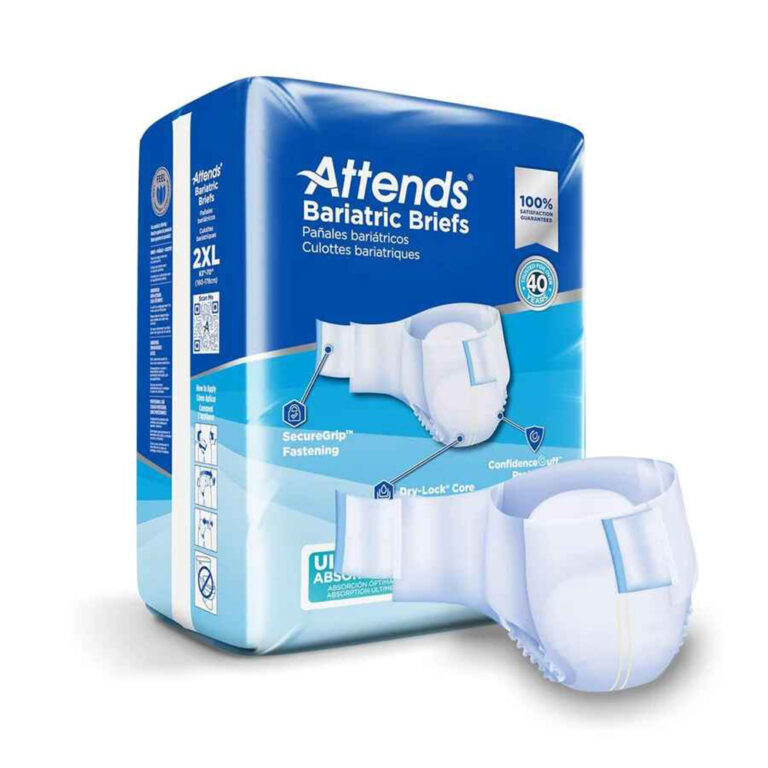
Tab briefs for heavy leakage
Sometimes
Share the base, segment by fit and size
Mobility, caregiver workflow, cuff height, rise, and tab strength matter more than gender
Underpads
No
Keep unified
Bed and chair protection is not a gendered problem
Wipes
No
Keep unified
Skin-care function beats gender story almost every time
That table is the answer. Gender-specific incontinence products make the most sense in the product formats closest to everyday wear, public embarrassment, and body-contour fit. Once you move into heavier-care briefs, booster use, and underpads, the line should pivot from gender to severity, mobility, waist/rise geometry, and care setting.
The market data says demand is getting messier, not simpler
Demand is rising. The U.S. Census Bureau said in June 2024 that the 65+ population grew 9.4% from 2020 to 2023, reaching about 59.2 million, and Reuters reported in July 2024 that Japan’s adult diaper market is expected to grow 16% to 98.9 billion yen by 2027 while baby diapers contract, with manufacturers explicitly shifting resources into adult lines because older users have wider needs and stronger preferences. That is not a niche trend; it is a warning that adult incontinence products are becoming more segmented, not less.
So no, I would not build one bland “adult incontinence products” shelf and hope filters do the rest. I would build separate entry paths for men and women, then make the heavy tier more clinical and fit-driven. That gives you relevance at the top of the funnel without creating unnecessary duplication at the bottom.
The reimbursement problem changes the whole merchandising story
Cash decides. And because cash decides, embarrassment, pack count, and reorder math matter more than many manufacturers want to admit, especially in the U.S. where Medicare.gov states that Original Medicare does not cover incontinence supplies or adult diapers and that users pay 100% for non-covered items. Why does that matter? Because a private-pay shopper behaves differently from a reimbursed institutional buyer: they compare counts, thickness, noise, odor control, shelf discretion, and “can I hide this in my bathroom?” before they care about your sourcing jargon.
That is why I would push incontinence pads and gendered pull-ups harder than mirrored gendered heavy briefs. Pads and day underwear sit much closer to private-pay psychology. Tabs, especially in overnight or caregiver settings, drift back toward performance-first logic.
The compliance piece is boring until it hurts you
This is still a regulated product class. The FDA classifies a protective garment for incontinence under 21 CFR 876.5920, and the FDA classification database lists it under product code EYQ, Class I, 510(k)-exempt. At the same time, PFAS scrutiny is tightening: the Minnesota Pollution Control Agency says Amara’s Law is being implemented in stages from January 1, 2025 to January 1, 2032, when products with intentionally added PFAS will be broadly prohibited in Minnesota unless deemed currently unavoidable. That does not mean every men’s and women’s line needs a different chemistry stack; it means your materials file had better be cleaner than your marketing pitch.
I’ve seen this movie before. Brands obsess over whether the pack should say “for him” or “for her,” then get flattened by a materials question, a sizing complaint, or a leak path nobody bothered to test in motion.
What I would do on adult-diaper.com right now
I would keep both gender hubs. I would not keep pretending they are fully separated lines yet.
First, I would make the men’s incontinence products hub the home for guards, male-focused pads, day pull-ups, overnight pull-ups, and only then heavy briefs. Second, I would let the women’s incontinence products hub own feminine pads, contoured underwear, postpartum-friendly messaging, and slimmer-profile bladder control options. Third, I would push shared heavy-care education through format pages and evidence pages like Active Users: Incontinence Underwear Movement Leak Testing for Pull-ups, because movement failure is a real shopping problem and the page already frames it better than most manufacturers do.
That internal structure would do two jobs at once. It would strengthen SEO by cleaning topical intent around men’s incontinence products, women’s incontinence products, and incontinence pads for men and women; and it would improve conversion by taking the shopper to the right product logic faster. That is the real point of internal linking, not decorative anchor text sprayed across a footer.
FAQs
Should men’s and women’s incontinence products be separated?
Men’s and women’s incontinence products should be separated when absorbent-map placement, chassis shape, rise, leg-opening behavior, and buyer psychology materially change leakage control or purchase intent, and they should stay unified when the difference is mostly cosmetic packaging, duplicate sizing, or channel theater that adds cost without better performance. My answer is yes for pads, liners, and most pull-up underwear, and only sometimes for heavy tab briefs.
Are men’s incontinence pads actually different from women’s pads?
Men’s incontinence pads are usually built around more forward absorbency and different fit pressure points, while women’s pads more often balance central absorbency, contour, and silhouette under clothing, so the difference is real when the pad is meant for everyday active wear and not just generic backup protection. That is why a proper men’s pad should not be a women’s pad in darker packaging.
Do adult diapers need separate men’s and women’s versions?
Adult diapers do not always need separate men’s and women’s versions because once leakage becomes heavy, overnight, caregiver-managed, or mobility-limited, performance variables such as cuff height, rise, tab strength, back coverage, and size range often matter more than gender-specific merchandising. In that tier, I would separate by body fit and severity before I separate by gender.
What should a brand separate first if budget is tight?
A budget-conscious brand should separate guards, liners, pads, and day pull-up underwear first, because those formats sit closest to anatomy-specific leakage patterns, public discretion concerns, and shopper identity, while heavier briefs, underpads, and wipes can usually remain shared until demand data proves a true split is worth the inventory burden. That sequencing gives you better relevance without blowing up your SKU count.
Your next move
Stop copying the hygiene aisle. Build a line that matches how people leak, how they buy, and how they hide the purchase.