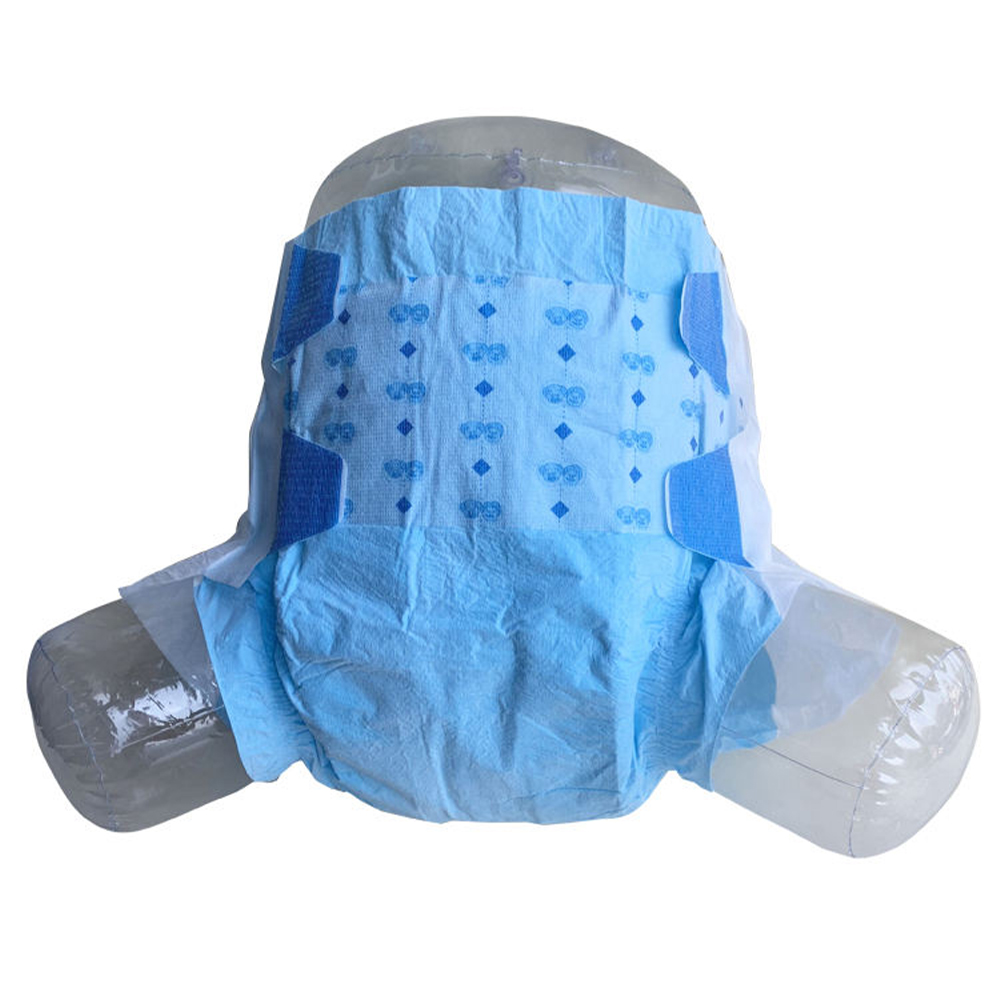
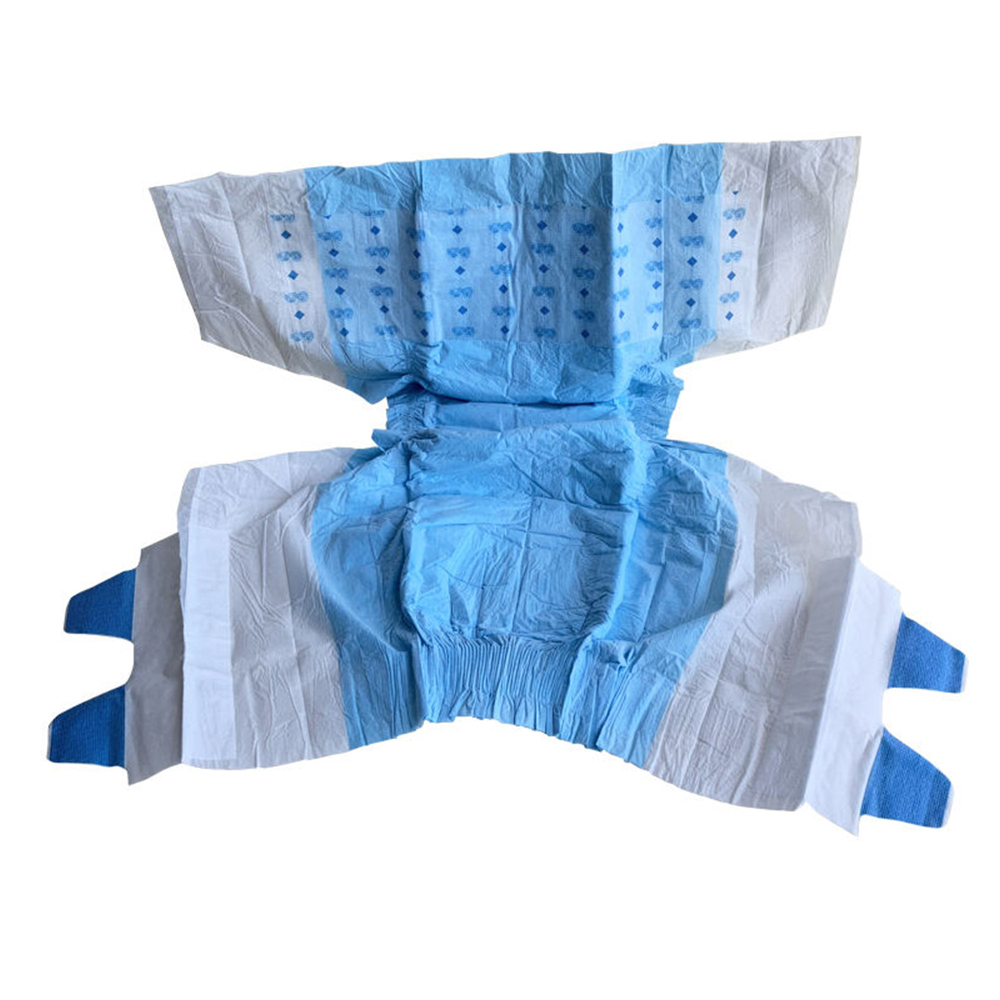
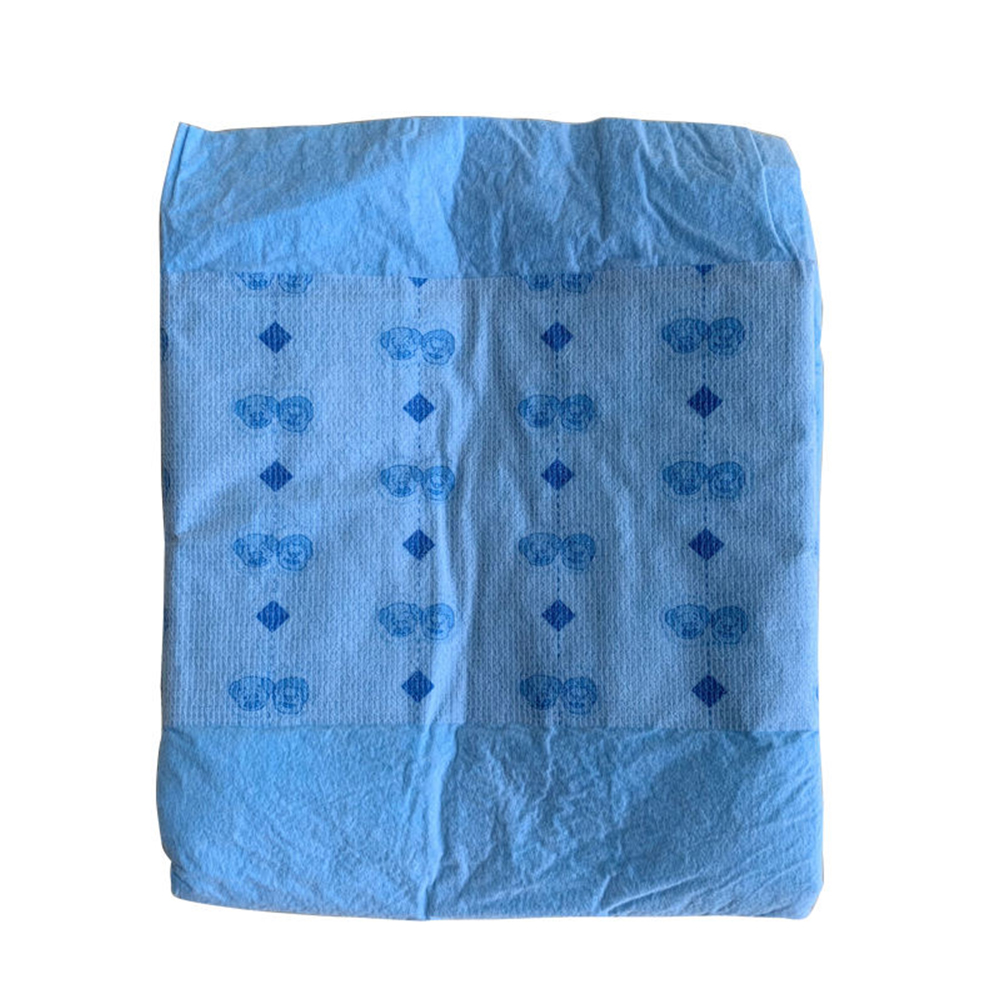
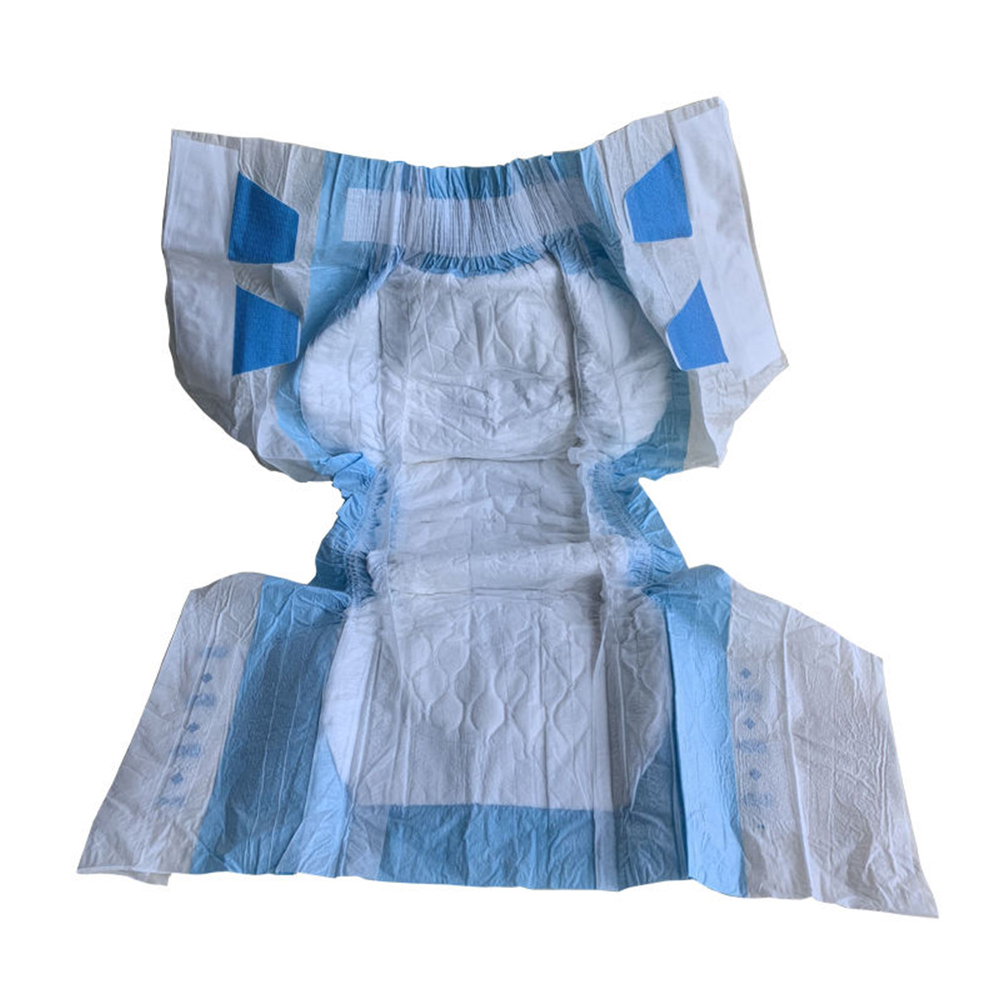
Wear-Test Panels for ABDL Products: Designing Useful Feedback Forms
Most ABDL wear tests fail before the first sample ships. The form asks “How do you like it?”, testers answer “Great, 8 out of 10,” and the brand learns nothing it can send to a factory. A usable wear-test panel does something different. It links each complaint to a controllable specification: leak location, tape behavior, fit window, core thickness, backsheet feel or print placement. This guide shows how to recruit a panel and structure a three-stage feedback form. It also covers how to limit bias and how to convert responses into RFQ revisions. Buyers working on a private-label brief range can use it to turn a sample round into decisions.
What Can a Wear-Test Panel Tell You That a Lab Test Cannot?
A wear-test panel shows how a brief behaves in the postures, durations and habits of real users. Lab methods measure capacity and absorption, and some simulate movement. They do not report whether a tester finds a tape fiddly or a plastic backsheet too loud.
The two approaches answer different questions:
Lab and bench tests are repeatable and objective. They answer whether the brief meets a defined limit.
Wear tests are subjective and context-dependent. They answer whether the product suits the people you want to sell to, and which failure they meet first.
The supplier’s guide to movement leak testing for incontinence pull-ups argues that no single lab method predicts motion leaks. It recommends stacking methods and mapping where fluid exits. That article covers pull-ups, and ABDL briefs are tab-style products. The principle of recording the leak pathway still carries over to a feedback form. Treat the panel as a layer on top of bench data, not a substitute.
Consumer Reports’ adult diaper testing follows the same split. It ran lab tests first. It then had caregivers try the products that passed at home and report on leaks, sound, comfort, odor control, ease of use and fit.
Who Should Be on an ABDL Wear-Test Panel?
Recruit by use case, not by enthusiasm. The panel should reflect the people who will buy the product, and they want different things. As the supplier’s overview of ABDL market preferences and key features points out, ABDL buyers often want thicker, more “diaper-like” products. That is the reverse of the thin, discreet preference common in standard incontinence products. A tester who normally wears thin medical briefs will judge a thick ABDL brief by the wrong standard.
Useful recruitment segments include:
Overnight or long-wear users, who stress back coverage, leak guards and cuff seal.
Heavy wetters, who stress core intake speed and rewet.
Plus-size users (2XL/3XL), who stress tab reach, rise and cuff geometry. Do not fold them into the general panel. The supplier’s guide to size range planning for ABDL diapers including 2XL and 3XL argues that larger sizes behave as a separate fit program, so their results need their own analysis.
Print-led or collector buyers, who judge artwork, placement and surface feel.
Caregivers, if you sell to care-adjacent channels. Their questions about repositioning and checking are different.
Experienced ABDL users can be demanding testers. One care provider’s overview of the ABDL community says diaper lovers tend to research specifications and test several brands. That is one organization’s qualitative observation, not a measured finding. Specific, experienced testers give sharper detail. They may also hold stronger brand loyalties, so mix in testers who are newer to the category and ask each person about their previous brands.
How Should a Wear-Test Feedback Form Be Structured?
Use three instruments, not one long survey: a screener, a short per-use log and an end-of-trial form. This keeps memory errors low, because testers record leaks as they happen, not a week later. It also keeps the final form short enough to finish properly.
Stage 1: The Screener
The screener sets context for every later answer. Keep it short and non-intrusive:
Measured waist and hip, taken with the instructions from your size chart
Usual size and brand worn
Main wear situation (sleep, at home, out, extended wear)
Preference for thick versus thin, and plastic-feel versus cloth-like
Typical change frequency
Known skin sensitivities
Collect only what you need to interpret the results. Do not ask for reasons or motivations that have no bearing on product performance.
Stage 2: The Per-Use Log
The log should take under a minute per use. Each entry should capture product code, wear duration, posture or activity, and a leak yes/no. If there was a leak, add the location (front, left leg, right leg, back, waistband, tape area) and roughly when it happened in the wear period. Add tape events, such as refasten count, slipping or tearing, and a skin comfort flag.
Tester-reported insult counts and volumes are approximate. Treat them as comparative within the panel, not as measurements. If you need dosed volumes, use a controlled fit session instead.
Stage 3: The End-of-Trial Form
Complete this once per product, when the tester has enough experience to judge it. QuestionPro’s in-home use test guide recommends separating immediate impressions from sustained satisfaction. Use anchored scales, label every point, and include a “just about right” scale for attributes like thickness (too thin, about right, too thick). Add open-ended questions for unprompted ideas.
Module
What to ask
Specification it informs
Best response format
Leak performance
Leak count, location, posture, time into wear
Cuff geometry, leak-guard height, back coverage, core intake
Per-use log with location diagram
Tape and closure
Refastening ease, slippage, tearing, grip after repeated opening
Tape type, landing-zone size and construction
Count of refastens plus 5-point scale
Fit and size
Waist and leg gaps, rise, tab reach, sagging
Size grading, chassis shape, tab placement
Scale plus “just about right” items
Thickness and bulk
Visibility, comfort, movement restriction
Core volume, shaping
“Just about right” scale
Sound and feel
Crinkle level, plastic versus cloth feel, warmth
Backsheet type and film
Scale plus preference ranking
Skin comfort
Redness, irritation, dampness
Rewet, breathability, materials
Yes/no flag plus description
Print and appearance
Print clarity, placement relative to tapes, scuffing
Print method, registration, landing-zone design
Photo of product plus scale
Value and intent
Would reorder, willingness to pay at a stated price
Positioning and pricing
Reorder intent plus price-band choice
How Do You Make Each Question Point to a Specification?
A good question has a sentence in the factory’s language waiting behind it. If a response cannot change a material, dimension or process, it probably belongs in a marketing survey instead.
Leak Pathway, Not Leak Opinion
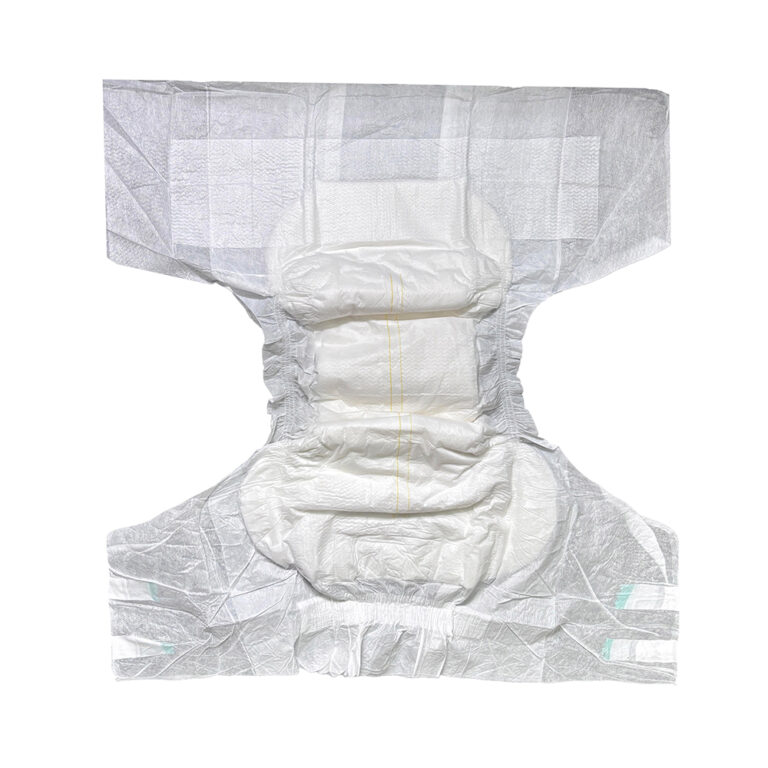
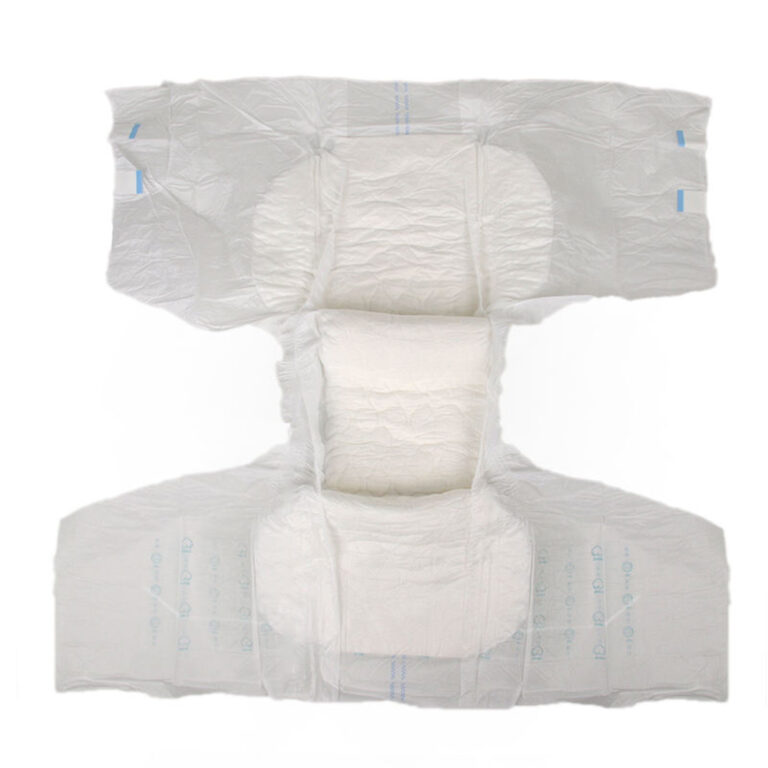
“Did it leak?” tells you little. “Where did it leak, in what posture, and how long into wear?” tells you which design element to inspect. A leg leak when seated points to cuff and leak-guard geometry. A back leak while lying down points to rise and back coverage. A waistband leak during walking could point to waist anchoring or tape tension. Ask testers to mark the exit point on a simple diagram and keep the used product for photos if they are willing. Photograph the product, not the person.
Tape and Landing Zone Behavior
ABDL wearers and caregivers open and close tapes repeatedly, so the form should ask how many times the tester refastened and what happened. The supplier’s guide to clear versus printed landing zones for ABDL briefs argues that print is not purely decorative, because adhesive contacts that surface on every fastening. It recommends testing the printed version separately, since grip cannot be assumed equal to a plain zone. If you are running a printed and a plain variant, give testers both and ask them to note where the tapes landed relative to the artwork.
Fit Across Sizes
Ask testers to report the size worn and the measured waist and hip from the screener. A fit complaint without that context is hard to use. Compare complaint patterns by size, not across the whole panel. A tab-reach problem at 3XL could vanish in the medium results.
Thickness, Sound and Feel
These are preference attributes, so ask for the tester’s own target as well as their rating. A tester who finds a product “too noisy” and a tester who wanted “more crinkle” give opposite data points. Capture both the rating and the preference, then segment the results.
Print and Build Consistency
The supplier’s factory guide to what defines a premium printed brief recommends keeping an approved golden sample and checking print placement and colour against it. In a panel, use that logic by asking testers to compare the print on their sample against a reference photo. If the testers got units from different production lots, record the lot code. A pattern that follows a lot code is a production issue, not a design issue.
How Do You Reduce Bias in a Wear Test?
Run the design so that the product order, labelling and tester context do not distort results. Several simple controls do most of the work.
Test one product at a time, then compare.EDANA’s Guidelines for the Testing of Baby Diapers (version 2.0) recommend a sequential monadic design, a test of at least five days per product (a full week when possible), and note that a typical home-use panel is about 100 users. That guideline covers baby diapers and consumer tests run through a test institute, so treat it as a methodological reference, not a rule for ABDL. A pilot for a niche private-label line will often be much smaller than 100 testers. A smaller panel can still reveal recurring failure modes, but it cannot support statistical claims. Report results as counts and patterns, not percentages of “the market.”
Rotate the order.Decision Analyst’s home-use testing advice says to split the sample into two cells and have each start with a different product, to avoid order bias. If testers try a thick sample before a thin one, the second feels thin. Rotation fixes this.
Code the samples. Use neutral codes, not “New Version” and “Old Version.” Remove branding that tells testers which one you hope wins, unless brand perception is what you are testing.
Match duration to the claim. If a brief is marketed for overnight use, the panel needs overnight wear. Several daytime wears cannot validate that.
Ask about the tester’s usual product. A tester coming from a thinner, quieter brief will judge differently from one who normally wears a thick plastic-feel brief.
Why a Single Satisfaction Score Can Mislead
Buyers often judge a wear test by its average rating. That is a weak decision metric. An average hides the cause, and it hides who was affected.
Consider a hypothetical example (illustrative, not a customer case). A printed brief scores a comfortable 4.2 out of 5 across 30 testers. Looking closer, the two plus-size testers both reported tabs landing at the edge of the zone and popping off. The remaining 28 testers had no tape issues. The average is high. Shipping the 3XL as-is, however, would repeat the failure on every unit.
A better rule has three parts:
Report by segment, especially size, wear situation and previous product.
Treat any repeated failure in a segment as actionable, even if the overall score is high.
Separate preference from defect. “Too thick for me” is a preference. “Tape tore on the third refasten” is a defect.
This view has limits. Small panels make segment results noisy, and a single bad unit may be a production fluke. Use the log’s lot codes and the retained product to check for that before changing a specification.
How Do You Handle Privacy and Participant Comfort?
ABDL is a personal topic for many users, so the panel design needs to protect testers. Recruit adults only, with informed consent that explains what data you collect and how you will use it. Use anonymous or coded IDs in the results shared with the factory. Do not ask for photos of the tester. Make participation and withdrawal easy. Keep the forms focused on product performance. Questions that stray into personal motivation or lifestyle add risk and offer little benefit for a specification decision. The data you collect may count as sensitive personal data in some jurisdictions, so check the rules for your market with a qualified adviser before recruiting.
How Do You Turn Panel Results Into Specification Changes?
Treat each recurring finding as a hypothesis for the factory, with a retest. This table shows how common patterns map to follow-up actions. It is qualitative guidance, not a set of validated thresholds.
Panel finding
Likely design area
What to ask the factory
Retest
Leg leaks when seated
Cuff elasticity and leak-guard height
Cuff and guard construction for that size
Seated fit check with the revised sample
Back leaks overnight
Back rise and coverage, core placement
Back panel height, core position
Overnight panel with side and back sleepers
Tapes lose grip after several refastens
Tape adhesive, landing-zone surface or print
Peel and shear results on the finished brief, printed and plain
Refasten count test on aged samples
Tabs land at the zone edge in 2XL/3XL
Landing-zone length and tab geometry
Size-specific zone dimensions
Fit trial with tapes at both extremes
“Too loud” and “not loud enough” in equal numbers
Segment preference
Offer two backsheet options
Segment-specific follow-up
Print colour differs between testers
Lot-to-lot variation
Golden sample and acceptance limits
Compare two production lots
Record every change in the revised RFQ so the next sample round tests the change, not a new variable.
What Should Buyers Specify Before Starting a Wear Test?
Before sending samples to testers, confirm the following with your supplier and write it down:
Sample status. Is the sample a pre-production build or production-representative? Panel results only transfer if the samples match production.
Sizes and variants. List every size and print option in the trial, and the quantity per tester.
Material and construction choices. Record backsheet type, tape type, landing-zone construction and print method for each coded sample.
Lot codes. Ask the factory to label or document lot identification so complaints can be traced.
Test objectives. Decide which questions the panel should answer (leaks, tapes, fit, feel, print) before building the form.
Decision rules. Agree in advance what counts as a pass, a revision or a stop, so the results do not get reinterpreted after the fact.
Timeline and shipping. Allow for delivery to testers, the wear period, and time to analyze the results before your production slot.
Brands that need custom prints, sizes and packaging can discuss sample rounds with the supplier through its private-label ABDL diaper range. Share your coded panel results and specification changes when requesting the next sample.
Frequently Asked Questions
How many testers do I need for an ABDL wear test? EDANA’s baby-diaper guideline cites about 100 users for a home-use panel, but a niche pilot is usually smaller. A small panel can expose repeated failure modes by segment. It cannot support statistical claims, so report counts, not market percentages.
How long should an ABDL wear test last? EDANA’s baby-diaper protocol recommends at least five days per product, and a full week when possible. For ABDL briefs sold for overnight use, include several nights. The duration should match the performance you plan to claim.
What should a wear-test feedback form measure? Cover leaks (location and posture), tape behavior, fit, thickness, sound and feel, skin comfort, print appearance, and reorder intent. Each item should map to a specification, so responses can inform changes to materials, dimensions or construction.
Should I use a rating scale or open-ended questions? Use both. Anchored scales make segments comparable, and “just about right” scales suit preference attributes such as thickness. Open-ended questions capture problems you did not anticipate. Ask for the single change the tester would make first.
How do I avoid biased wear-test results? Code the samples, rotate product order across two groups, ask about each tester’s usual brand, and match the wear period to the claim. Report results by segment, since an overall average can hide a size-specific failure.
Can wear-test results replace lab testing? No. Lab tests are repeatable and objective, and wear tests show real-world use and preference. Use bench methods to check defined limits, such as tape peel and shear, and use the panel to find problems the bench did not predict.