OEM vs ODM Is Not a Vocabulary Lesson. It Is a Threat Map.
Adult diaper OEM implies a manufacturer generates adult diapers based upon your specs, formula choices, absorbency target, product packaging strategy, and brand requirements, while adult baby diaper ODM means the factory currently has an existing style or item system that you adapt, relabel, and commercialize quicker.
Basic sufficient?
Not really.
Information eliminate margins.
I have seen customers suggest about logo design dimension for two weeks, after that accept an unclear absorbency insurance claim like “super heavy” without asking for ISO 11948-1 complete absorption data, rewet worths, acquisition speed, SAP ratio, fluff pulp GSM, or container compression risk. That is not sourcing. That is betting with a prettier spread sheet.
The international demand signal is not soft either. The World Health Company states 1 in 6 people worldwide will be aged 60 or older by 2030, climbing from 1 billion in 2020 to 1.4 billion. By 2050, the 60+ populace is projected to get to 2.1 billion. That is the market engine behind grown-up diaper OEM, exclusive label adult baby diapers, non reusable grown-up diapers wholesale, and the larger incontinence items maker organization.
And the clinical requirement is not particular niche. NCBI Shelf reports that urinary incontinence impacts regarding 24% to 45% of females, while older males report urinary system incontinence at about 11% to 34%. Customers that still deal with grown-up baby diapers like a low-skill health commodity are behind the curve.
The hard truth: your option in between grown-up baby diaper OEM and grown-up baby diaper ODM determines whether you are building a property or renting someone else’s item.
Table of Contents
The Actual Distinction In Between Grownup Baby Diaper OEM and Grownup Baby Diaper ODM
OEM is control.
ODM is speed.
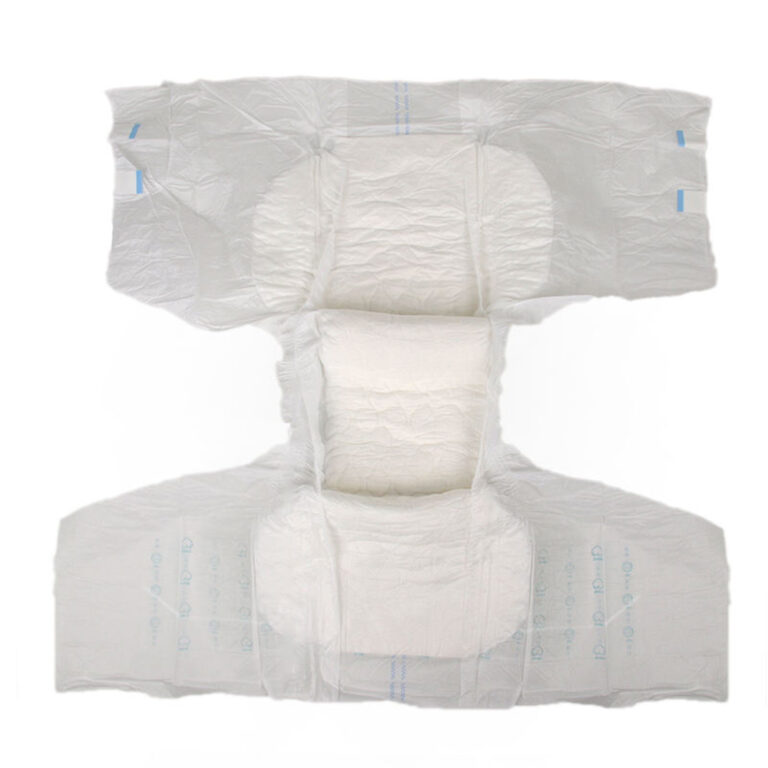
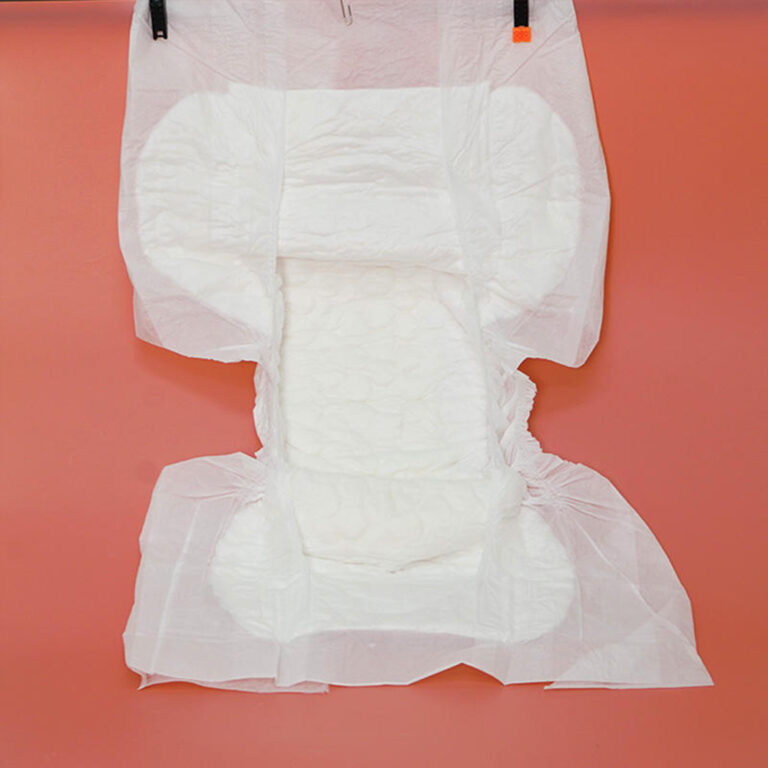
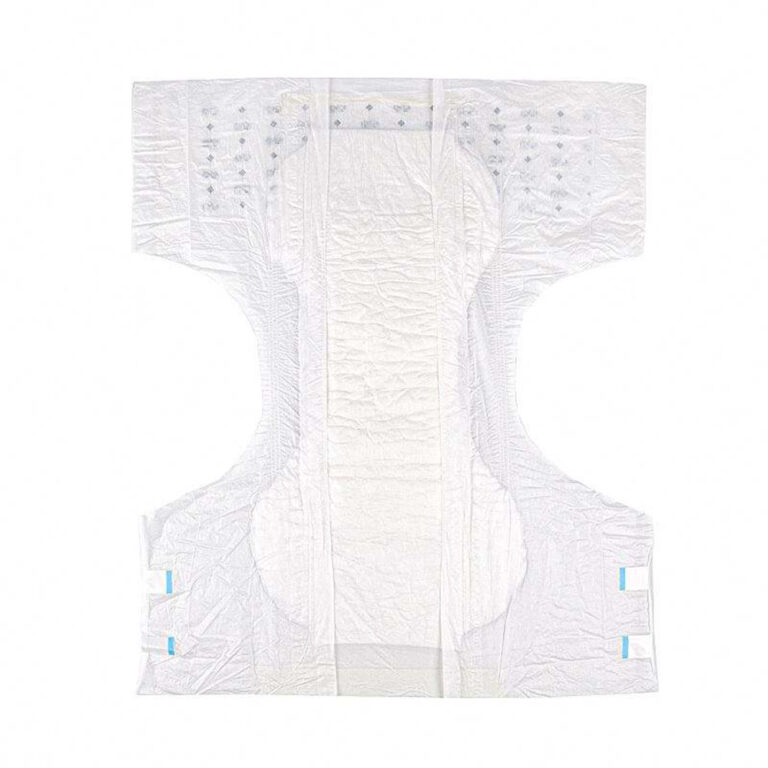
However that brief answer conceals the component that costs cash. In grown-up baby diaper manufacturing, “control” implies you may define the topsheet, acquisition distribution layer, absorbent core, SAP percent, fluff pulp source, backsheet, frontal tape, side tape, leakage guard elevation, midsection flexible, wetness sign, pack count, carton strength, barcode, language collection, and compliance files.
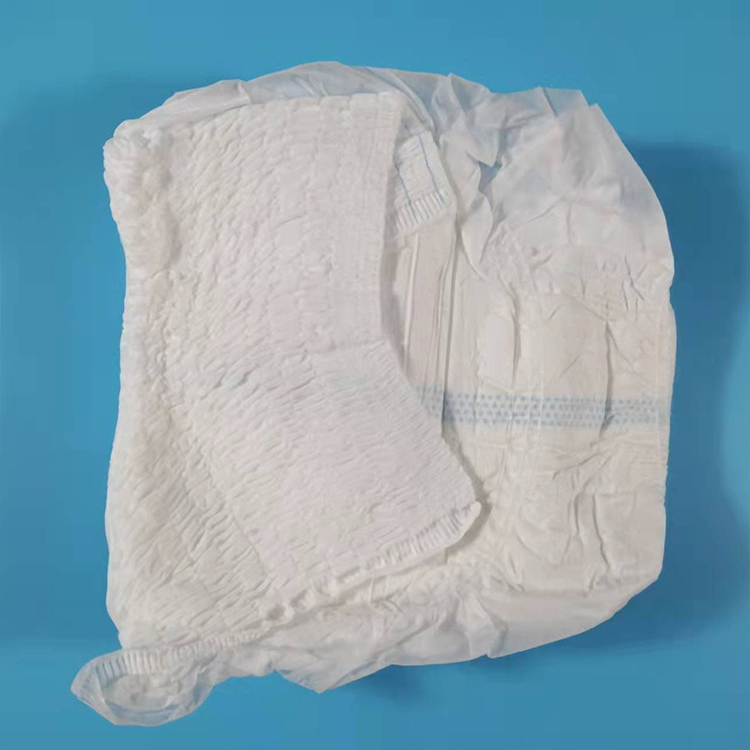
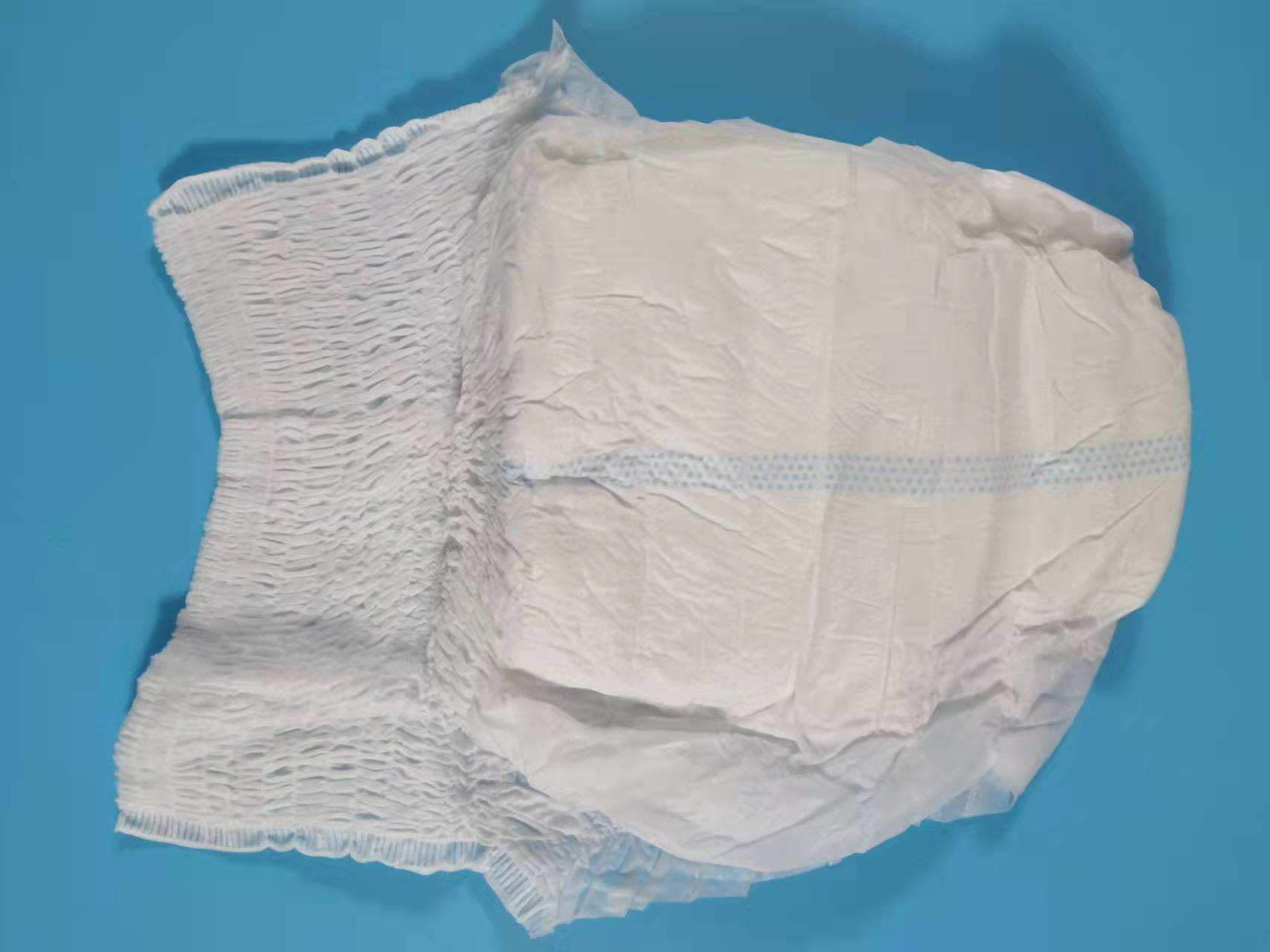
ODM is different. The adult diaper maker already has a functioning layout. You select from existing briefs, pull-ups, pads, underpads, or relevant incontinence formats, after that tailor surface-level or semi-technical details. For a buyer introducing quick via drug store, shopping, elderly care, or distributor channels, ODM can be wise.
Yet do not glamorize it.
If the ODM version already exists, various other purchasers might be making use of something similar. Perhaps not the same. Comparable enough. That suggests your distinction might originate from packaging, cost, insurance claim language, network method, and MOQ technique instead of an absolutely proprietary item architecture.
For purchasers that require a factory-direct companion, a page like Grownup Diapers OEM Distributor & & ODM Factory is where the discussion must begin, due to the fact that it places the conversation around product styles, documentation, US/EU requirements, and OEM/ODM sustain instead of common “we can personalize” language.
The Buyer’s Table: OEM vs ODM Grownup Baby Diapers
Variable
Grown-up Baby Diaper OEM
Grown-up Diaper ODM
Product layout
Customer defines the spec or co-develops it with the manufacturing facility
Factory gives an existing item system
Speed to release
Slower due to the fact that examples, screening, adjustments, and authorizations take longer
Faster due to the fact that the base design currently exists
MOQ pressure
Normally higher, specifically for personalized materials, molds, product packaging, or unique sizes
Typically lower or even more adaptable if utilizing existing materials
Differentiation
Stronger if you possess the item spec and packaging system
Moderate; distinction may rely much more on branding and channel implementation
Cost control
Better long-lasting if volume expands and BOM is engineered appropriately
Better short-term because growth price is reduced
Testing problem
Higher because every custom change can impact performance
Reduced, but you still need batch-level evidence
Best for
Established brand names, tender programs, healthcare facilities, local representatives, severe exclusive tag purchasers
New brand names, market testing, fast selection building, importers confirming demand
Key threat
Over-customizing before demand is verified
Offering a “me-too” product with weak defensibility
Right here is my out of favor viewpoint: most novice purchasers should not begin with complete OEM.
They ought to start with ODM, examination the channel, gather problem data, research repeat orders, then move into OEM once the market informs them what actually matters. The adult baby diaper category punishes vanity. A customer might like a soft cloth-like backsheet, but the care home may care much more about rapid adjustments, less side leaks, and carton security in a damp storage room.
The Manufacturing Information And Facts No One Intends To Talk About
A grown-up diaper is not just fluff and plastic.
It is a fluid-management system.
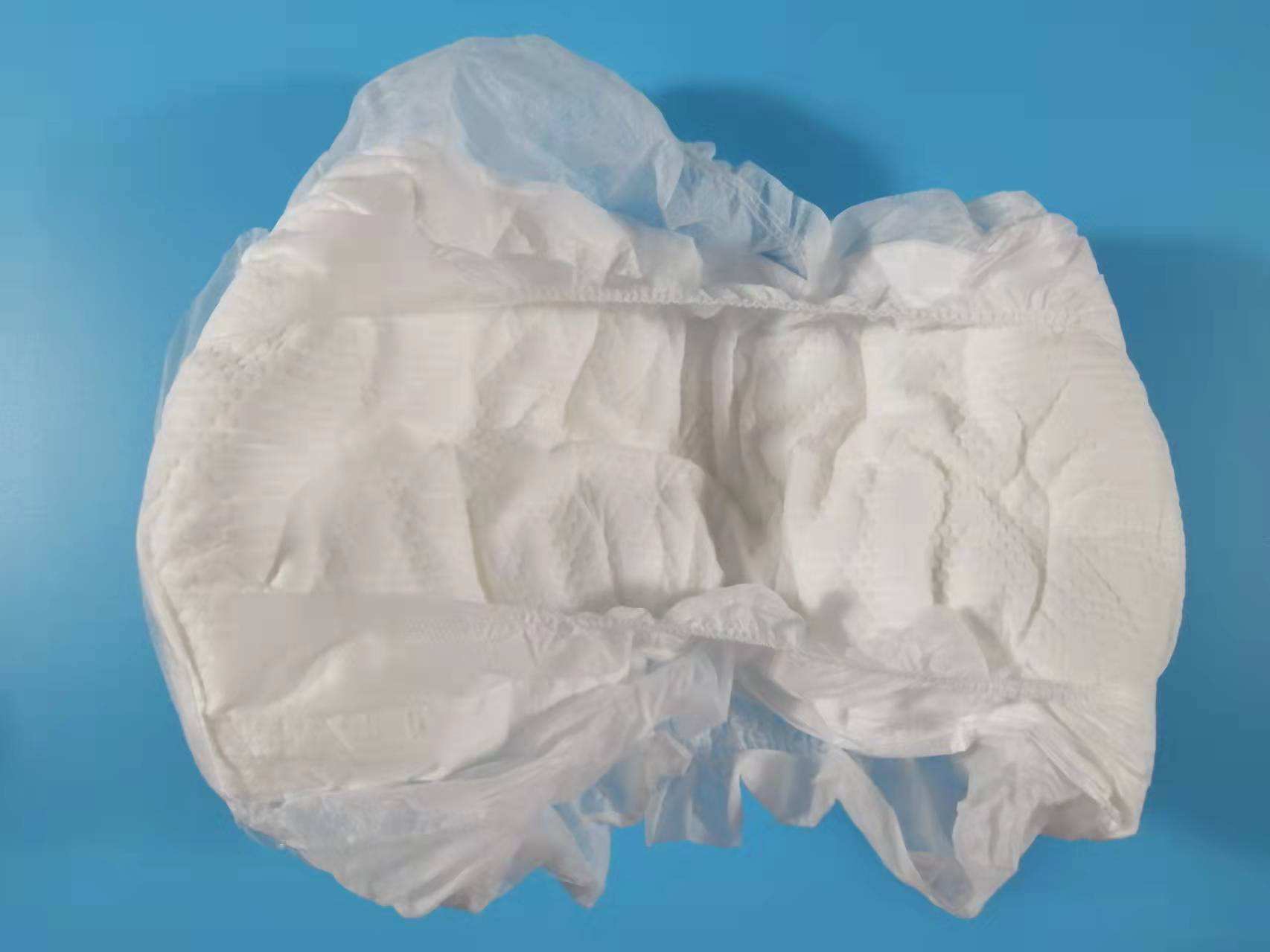
A common disposable grown-up diaper may include hydrophilic nonwoven topsheet, acquisition circulation layer, fluff pulp, sodium polyacrylate SAP, tissue cover, PE or breathable movie backsheet, hot-melt adhesives, elastic hairs, frontal tape, refastenable tabs, standing leak guards, wetness indicator ink, and printed or plain packaging film.
Looks boring?
That is where the cash is.
When reviewing a grown-up baby diaper OEM quote, I would not quit at unit cost. I would certainly request for the bill of products, SAP grams, fluff pulp GSM, topsheet GSM, backsheet type, ADL structure, cuff elevation, waistline layout, item weight resistance, absorption approach, rewet technique, purchase timing, carton dimensions, items per bag, bags per container, and packing quantity per 40HQ.
That is why a technical acquiring guide such as Exactly how to Break Down a Grownup Diaper OEM Quote belongs inside the sourcing trip. A buyer that can not review a quote line by line will normally wind up contrasting grown-up diaper suppliers by rate alone.
And price alone is lazy.
A less expensive baby diaper can come to be expensive after leak problems, unfavorable testimonials, nursing-home rejections, additional replacements, bad pallet loading, harmed cartons, or personalizeds delays brought on by weak documentation.
Guideline Is the Silent Trap in Private Tag Grownup Diapers
Some customers talk about grown-up diapers as if they are just supermarket products. In the USA, that presumption can be harmful.
Under 21 CFR 876.5920, a protective garment for incontinence is defined as a tool made from absorbent padding and a fluid obstacle meant to protect an incontinent client’s garment from excreta. The regulation specifically states this classification does not consist of baby diapers.
That difference matters.
If you offer into medical, institutional, or treatment channels, your cases, documents, problem handling, and provider traceability are worthy of more focus than they typically obtain. Adult baby diaper OEM is not just concerning picking softness and absorbency. It has to do with proving you recognize what you are marketing.
The Federal Trade Compensation has actually likewise shown that diaper-related insurance claims can bring in enforcement. In the gDiapers instance, the FTC said the company made misleading environmental claims about diaper products. Different group, yes. Same lesson: insurance claims have to be confirmed.
And item problems can intensify fast. Reuters reported that P&G dealt with suits over Pampers Dry Max after parents declared extreme breakouts and skin disease, claims the business rejected. Once more, infant diapers are not adult baby diapers. Yet the warning takes a trip well: skin-contact absorbing items live or die on count on.
So here is the specialist policy: never accept private label adult diapers without evaluating the case language versus the product proof.
Where OEM Makes Good Sense for Grownup Baby Diaper Brands
Adult diaper OEM makes good sense when you already know your market.
If you are providing medical facilities, taking care of homes, senior care suppliers, tender programs, or pharmacy chains, common ODM might not offer you enough control. You might need a tab-style short with stronger refastenable tapes, higher back coverage, a particular dampness sign, breathable movie, lower rewet, or carton-level labeling for institutional inventory systems.
For assisted-care channels, adult baby diapers with tabs are frequently more functional than pull-up underwear because caretakers can alter customers while they are relaxing, sitting, or standing. That detail issues in assisted living home. It also influences SKU planning.
OEM is also the better path if you need:
Personalized sizing from M to 3XL Special waistline flexible tension Greater absorption for over night or bedridden users Region-specific product packaging languages Drug store shelf-ready pack formats Private label container markings Special printed backsheet or ABDL-style layouts Tender documentation and set traceability Clear day, night, and heavy-care division
But OEM punishes obscure purchasers.
If you state “make it superior,” the manufacturing facility might hear “make it pricey.” If you state “high absorbency,” the factory might boost SAP without solving acquisition speed or rewet. If you claim “soft,” the factory might transform the topsheet while leaving healthy issues unblemished.
Ask better questions.
Where ODM Wins for Private Tag Grownup Diapers
ODM wins when speed matters more than uniqueness.
A new e-commerce brand name, regional importer, drug store pilot, or representative testing a new care sector might not need a fully customized diaper on day one. They need something stable, checked, sellable, and very easy to reorder.
This is where an ODM grown-up diaper manufacturer can conserve months.
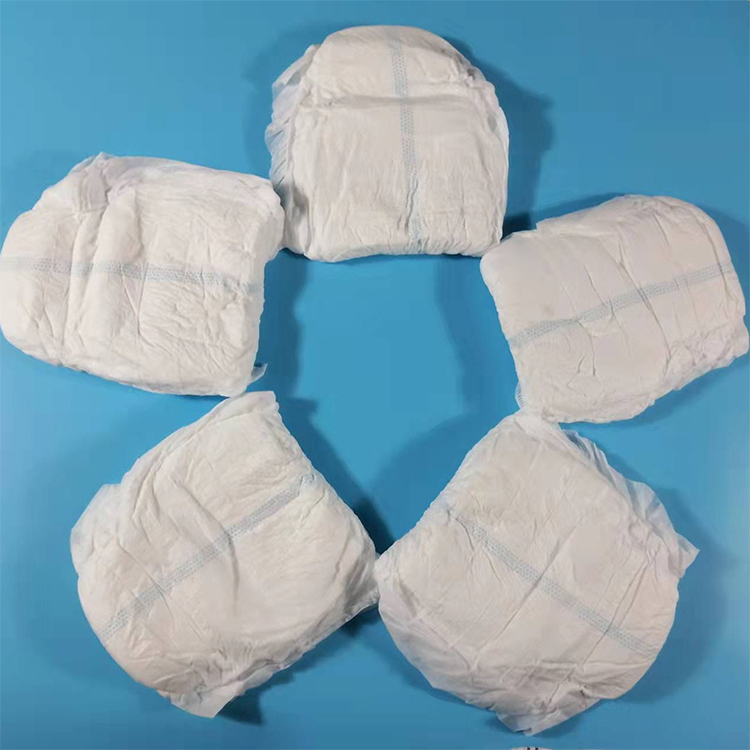
You can choose an existing grown-up short, pull-up, underpad, or bladder control pad, after that readjust product packaging, absorbency tier, size range, carton quantity, and tag language. The faster you get genuine customer responses, the quicker you learn whether your market wants slim discreet pull-ups, hefty tab-style briefs, over night grown-up diapers, booster pads, or bed security.
For energetic grownups, incontinence underclothing may fit far better than tab-style briefs due to the fact that the product looks and acts extra like typical undergarments. For health centers, home nursing, and cushion defense, non reusable underpads may be the assistance SKU that minimizes problems also when the main diaper is currently excellent.
That is the dull key of grown-up baby diaper ODM: the very first win might not be a revolutionary item. It may be the right assortment.
The Screening Inquiry: Absorbency Is Not One Number
I do not rely on “maximum absorbency” insurance claims by themselves.
Nobody should.
ISO 11948-1 defines an approach for identifying the absorption capability of the absorbent core in body-worn urine-absorbing help. That makes it beneficial for comparison, specifically when customers need a common language across suppliers.
Yet laboratory total absorption is not the like real-life leak efficiency.
EDANA’s Absorption Before Leakage method was developed for adult incontinence items used by bedridden people and covers all-in-ones, briefs, and pads with ABL worths between 300 g and 1100 g. That is closer to just how heavy-care items fall short in the real world: body setting, pressure, circulation speed, and product fit.
This is why the “thicker is far better” misconception needs to pass away. A bulky adult baby diaper can still leakage if intake is sluggish, cuffs collapse, back coverage is incorrect, or the wearer’s body shape develops voids. The argument is described well in Why Thicker Grownup Diapers Aren’t Constantly Much Better, and I agree with the core point: design beats bulk.
A Practical Choice Framework for Grown-up Diaper OEM vs ODM
Choose OEM if you are securing a long-term brand possession.
Choose ODM if you are showing demand.
Pick hybrid if you are clever.
A hybrid approach starts with ODM for the initial order or very first market examination, after that relocates into OEM once the customer has sufficient grievance information, reorder information, size information, and channel comments. In ordinary language: do not spend for a personalized formula before the market tells you what to deal with.
For disposable grown-up diapers wholesale, I would certainly use this series:
First, choose an existing ODM adult diaper or incontinence underwear platform. Second, run market screening with clear size, absorbency, and product packaging variants. Third, measure issues by leak kind, customer wheelchair, body dimension, and use event. 4th, transform the winning SKU into an OEM job with tighter specifications. Fifth, record the final product making use of set records, examination records, carton specifications, and product packaging artwork approvals.
That is not attractive.
It functions.
If the vendor has documented situation products or examination documents, pages like Grownup Baby Diaper Examination Information & & Certifications can support customer self-confidence. Not because a web page amazingly proves quality, yet since severe buyers require a paper trail prior to they scale.
Usual Customer Mistakes I Would Call Out in a Fulfilling
Error 1: Comparing only FOB system rate
A $0.02 less expensive adult diaper can shed cash if container stamina is bad, container loading mishandles, or the item causes high grievance prices. The far better comparison is landed price per useful piece, not FOB cost per piece.
Error 2: Asking for “best quality” with no spec
Factories can not manufacture adjectives. They produce GSM, grams, sizes, resistances, sizes, materials, and pack-outs.
Error 3: Dealing with ODM as substandard
ODM is not inferior. Negative ODM is substandard. A stable ODM system can surpass a terribly handled OEM job since the design has actually currently passed production learning contours.
Blunder 4: Over-customizing prior to the initial sale
Personalized adult diaper maker work sounds outstanding, but every custom layer raises MOQ, testing burden, approval time, and reordering risk. Begin slim. Scale after proof.
Blunder 5: Neglecting case danger
“Clinical quality,” “eco-friendly,” “skin-safe,” “anti-bacterial,” “biodegradable,” and “overnight security” are not decor. They are insurance claims. Claims require evidence.
Frequently asked questions
What is grown-up diaper OEM?
Adult baby diaper OEM is a production design where a factory creates grown-up diapers according to the customer’s very own requirements, brand demands, product packaging style, absorbency targets, material choices, and top quality standards, offering the customer more control over item efficiency, distinction, and long-lasting personal label positioning.
In technique, OEM implies you ought to bring a genuine spec sheet, not just a logo design. If you desire personalized adult baby diapers for hospitals, distributors, or pharmacy chains, OEM offers you stronger control over fit, absorbency, materials, and paperwork.
What is adult baby diaper ODM?
Grown-up diaper ODM is a manufacturing version where the factory supplies an existing grown-up baby diaper layout or item platform that the purchaser can adapt with branding, product packaging, size choices, absorbency levels, and limited technological adjustments for faster private label launch.
ODM is normally faster and much less dangerous for initial orders. You are not creating the diaper from square one. You are choosing a tested base product and forming it for your target audience.
What is the difference in between OEM and ODM adult diapers?
The distinction between OEM and ODM grown-up diapers is possession of layout: OEM gives the buyer extra control over product specs and personalization, while ODM uses the producer’s existing item style for faster launch, lower advancement worry, and simpler market testing.
I would certainly pick OEM for severe brand name distinction. I would choose ODM for a very first market access, supplier test, or fast array construct. The error is acting one version is always better.
Is OEM far better than ODM for private tag grown-up baby diapers?
OEM is much better for personal tag adult baby diapers when the purchaser needs proprietary specifications, more powerful distinction, tender readiness, unique absorbency targets, or long-lasting brand control, while ODM is much better when the purchaser needs speed, lower development price, and a tested product system.
The smarter course is frequently ODM first, OEM 2nd. Evaluate the market. Check out the issues. Then customize what actually matters.
How do I choose a grown-up baby diaper supplier?
Select a grown-up baby diaper producer by examining item range, OEM/ODM capacity, absorbency screening, product transparency, production uniformity, governing awareness, product packaging assistance, export experience, communication speed, and whether the vendor can explain problems truthfully instead of hiding behind unclear high quality language.
A great supplier discuss BOM, GSM, SAP, fluff pulp, rewet, purchase rate, MOQ, container dimension, and lead time. A weak vendor only claims “highest quality, factory price.”
Can ODM adult baby diapers be tailored?
ODM adult diapers can be personalized, however the customization is generally limited to packaging, branding, dimension range, absorbency rate, shade, backsheet feeling, pack matter, container design, and chosen material modifications as opposed to a fully original product architecture.
That limitation is not always negative. For many importers, ODM customization is enough to release promptly and accumulate genuine market feedback before purchasing complete OEM development.
Final Thoughts: Pick the Model That Matches Your Danger
Do pass by adult diaper OEM since it appears more professional.
Do not choose adult diaper ODM because it is quicker.
Choose based upon danger.
If you currently know your purchaser, channel, absorbency target, dimension curve, problem account, regulatory insurance claims, and reorder volume, move toward OEM and build an item you can safeguard. If you are still evaluating need, start with ODM, shield money, and learn from the market before you customize excessive.
Your following action is straightforward: prepare a one-page sourcing quick with target customer, channel, absorbency level, dimension range, product packaging layout, approximated order volume, case language, and required documents, then send it to an experienced adult diaper OEM/ODM producer for a technological quote as opposed to asking for a common catalog.