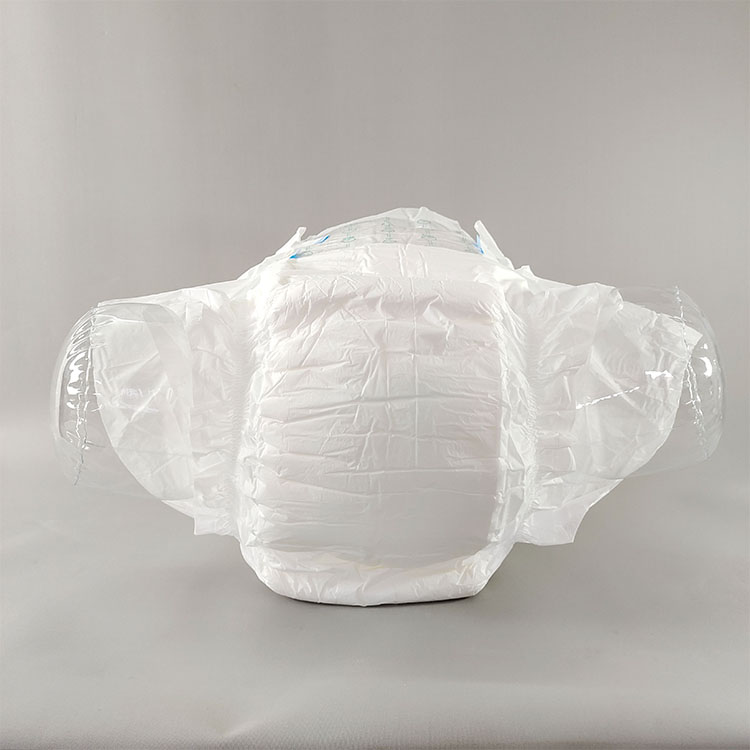
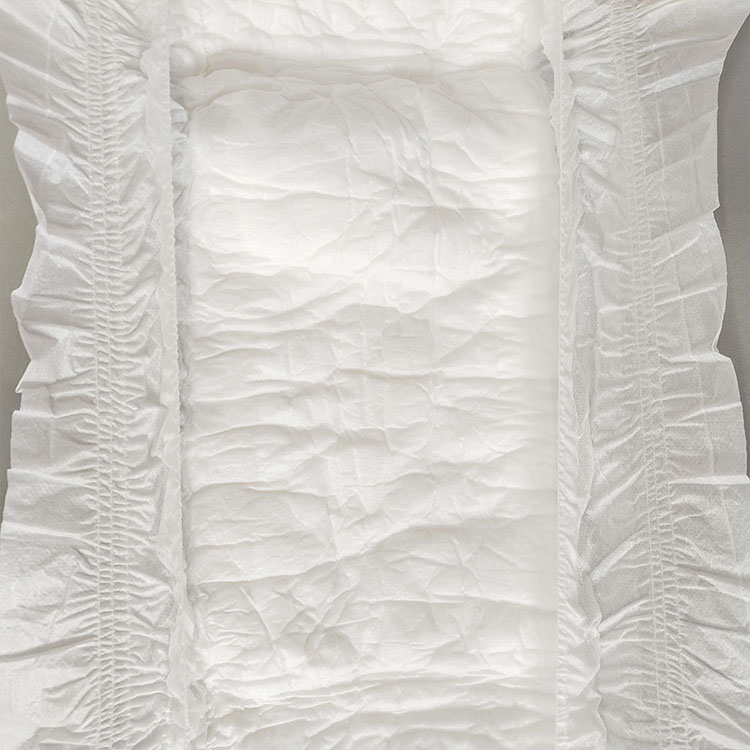
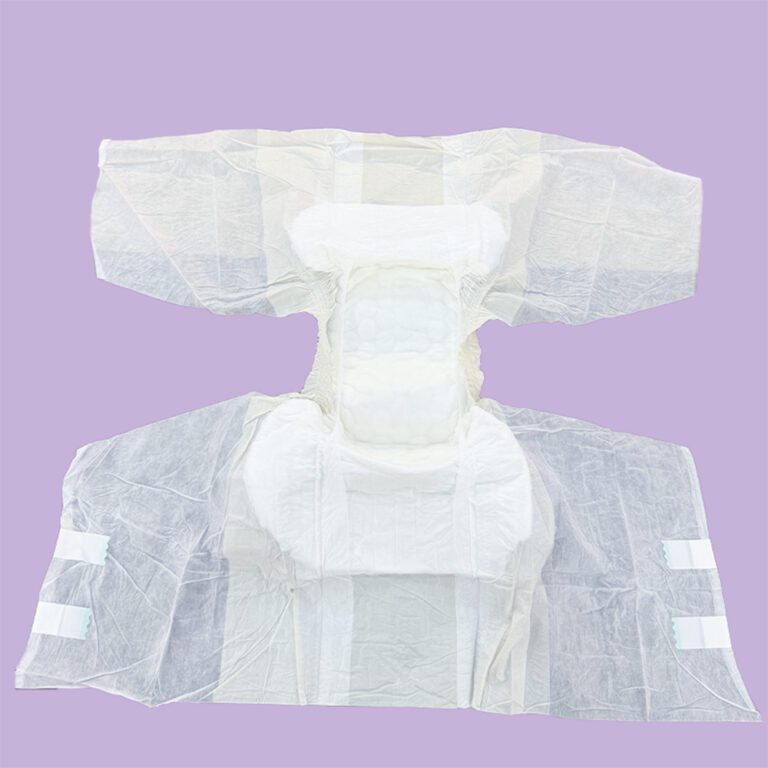
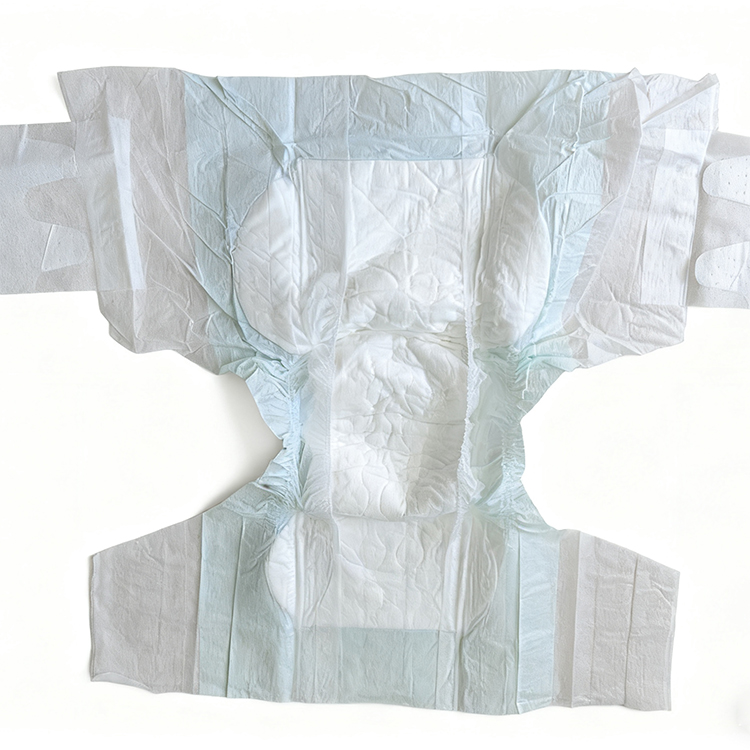
I have watched buyers pinch an incontinence brief between two fingers, feel the fluff, and decide it must be “premium,” even though the real test comes hours later when the user turns in bed, the cuffs fold, the waistband drifts, and the leak escapes from the leg opening instead of the core.
What did they think was going to happen?
The dirty truth is that the market rewards visual reassurance. Reuters reported in July 2024 that Japan’s adult diaper market is projected to grow 16% to 98.9 billion yen by 2027, and when a category gets that big, lazy shortcuts multiply because “looks thicker” is easier to sell than “handles pressure, motion, and rewet better.”
And this is not some tiny side category anymore. The NIH-backed NIDDK says reported urinary incontinence prevalence among people 65 and older ran 6% to 8% between 2012 and 2021, while also warning that the number is likely underreported by both patients and providers; a 2024 Medicare claims study covering 1.2 million beneficiaries found 11.2% had a claims-based diagnosis of incontinence, and those diagnosed had 5 times more UTIs, 2 times as many dermatitis events, more than 2 times as many slips and falls, and 2.8 times more behavioral disturbances than those without that diagnosis.
So no, this is not about “comfort preferences.” It is about skin, sleep, labor, laundry, and whether a product supports dignity or quietly sabotages it.
Table of Contents
What actually decides adult diaper absorbency
Lab numbers are not real life
Numbers mislead.
The adult diaper industry loves maximum-capacity claims because they are clean, printable, and easy for sales teams to repeat, but real users do not lie motionless in a test fantasy; they sit, twist, sweat, reposition, compress the core, and force liquid toward the weakest seal on the product.
Why are we still acting as if a theoretical number settles the argument?
This is exactly why I trust test logic more than packaging. PubMed research on ISO 11948-1 has long warned that maximum absorption capacity does not neatly predict clinical leakage performance, while EDANA’s ABL method exists because “how much a product can hold” is not the same as “how much it can take before it leaks on a body,” especially for moderate-to-severe products used in bedridden care, where EDANA frames typical ABL applicability in the 300–1100 g range.
Adult diaper fit and leakage beat thickness every time
Fit decides leaks.
A brief can have a monster core, a heavy SAP load, and all the chest-thumping claims in the world, but if the leg openings gap, the inner guards collapse, or the waistband rides low, the user is going to leak anyway, and the extra bulk can actually make that failure worse by pushing the chassis away from the body.
Isn’t that the part buyers keep trying not to hear?
I have a blunt rule: when a user is mobile, the wrong thick brief can be worse than a smarter, lighter product because movement punishes bad geometry. That is why the site’s incontinence underwear vs briefs article and its piece on movement leak testing for pull-ups matter; they push readers toward use-case thinking instead of size-the-bulk thinking. And when the user is bedbound or caregiver-assisted, the better next step is often adult diapers with tabs or the argument laid out in why hospitals often prefer tab-style adult diapers. That is not nuance for nuance’s sake. That is how fewer beds get stripped at 3 a.m.
What matters in real use
Thick but poorly engineered brief
Thinner, engineered brief
Intake speed
Pools early and floods cuffs
Pulls fluid down faster
Rewet under pressure
Surface stays damp
Surface stays drier
Leg and waist seal
Bulk can create gaps
Chassis stays closer to the body
Heat and breathability
More heat, more sweat, more friction
Less trapped heat
User movement
More drift when walking or turning
Better stability when matched correctly
Overnight control
Fails if the leak path is wrong
Can outperform by sealing and distributing better
Overnight adult diapers fail when the system is wrong
One SKU won’t save you.
I do not buy the fantasy that the best adult diapers for heavy incontinence are always the single thickest brief on the shelf, because overnight performance usually comes from a system: the right brief, the right fit, the right change interval, and sometimes the right add-on protection instead of one bloated product trying to do four jobs badly.
Why do buyers keep paying for the fantasy anyway?
The smarter move is usually boring. Use a brief that matches body shape and mobility, then add booster pads for adult diapers or bed protection where needed, instead of doubling bulk and hoping the leak somehow becomes obedient. I have seen too many teams respond to failure by buying a thicker product when the real problem was back coverage, side-sleeper pressure, or a mismatch between disposable incontinence underwear and a user who actually needed a tab brief.
And there is a policy angle here that most marketers never mention. In October 2024, Disability Rights Florida announced that Florida Medicaid now covers medically necessary incontinence supplies for adults over 21 after class action litigation against the state agency, which means adult incontinence products are being treated more openly as medical necessities, not embarrassing extras.
That changes the standard. Once payers and courts start recognizing these products as medically necessary, “good enough” procurement starts looking reckless.
How to choose adult diapers without falling for the bulk trap
Start with the body.
I would choose adult diapers in this order: waist and hip measurements, mobility level, leak pattern, sleep position, change frequency, and only then absorbency tier, because a brief that fails at the leg opening is not under-absorbing, it is under-fitting.
Why do so many people reverse that order?
Here is my hard answer. Buyers chase the thickest adult diapers because it lets them feel decisive, but the better buyers ask uglier questions: where is the leak path, front or back or side; is the user self-toileting or fully assisted; is the failure happening on first gush or after compression; and is the skin complaint actually a moisture problem, not a lotion problem.
Thicker adult diapers are not automatically better because leakage control depends on how quickly the core acquires fluid, how evenly it distributes that fluid, how dry the surface stays under pressure, and how well the waist and leg openings maintain a seal during movement, sleep, and repeated repositioning.
I would trust a well-fitted engineered brief over a bloated one almost every time.
How to choose adult diapers for heavy incontinence?
The best adult diapers for heavy incontinence are the products that match the user’s body shape, output pattern, mobility level, and change schedule, then pair that brief with the right support layer such as booster pads or underpads instead of assuming one massive brief should do every job alone.
That is less glamorous than “maximum absorbency,” but it is how fewer people wake up wet.
Are overnight adult diapers supposed to be thicker?
Overnight adult diapers should be designed for longer wear, back-sleeper or side-sleeper pressure, and repeat gushes, but that does not always mean a bulkier brief; it often means faster intake, better cuff geometry, higher back coverage, lower rewet, and a more stable fit through turning and compression.
Night failures are usually about pressure and seal, not just grams of fluff.
What causes adult diaper fit and leakage?
Adult diaper fit and leakage problems usually happen when the size is wrong, the leg cuffs collapse, the waistband drifts, the core cannot take in fluid fast enough, or the product type is mismatched to the person’s mobility, meaning the leak is mechanical before it is absorptive.
So yes, a “heavy absorbency” label can still fail badly if the chassis is wrong.
Is disposable incontinence underwear better than tab-style briefs?
Disposable incontinence underwear is usually better for independent, mobile users who want pull-up convenience and discreet daily wear, while tab-style briefs are usually better for heavier leakage, caregiver-assisted changes, bedbound users, and situations where resealing and fit adjustment matter more than underwear-like appearance.
The industry hates saying that out loud because it ruins the one-size-fits-all sales pitch.
Your Next Move
Stop buying puff.
Measure waist and hips, map where the leaks happen, decide whether the user is mobile or assisted, and then compare one well-fitted brief against one thicker brief in actual overnight use before you spend another dollar on “max absorbency” branding. I would also build the reader journey exactly that way: this article first, then the adult diaper sizing and fit guide, then adult diapers with tabs or incontinence underwear vs briefs depending on mobility, and finally booster pads for adult diapers if longer wear time is still the problem.
That is my opinion, and I will say it plainly: the thickest adult diaper is often just the most expensive way to avoid admitting you chose the wrong product.