Adult Diapers Buyer Guide: Choosing Briefs for Moderate to Heavy Needs
If you’re buying for a nursing home, home-care agency, hospital, or a private-label brand, you don’t need a “cute” guide. You need something that cuts leak complaints, reduces linen turns, and keeps your caregivers from burning out on 3 a.m. changes. That’s what this is.
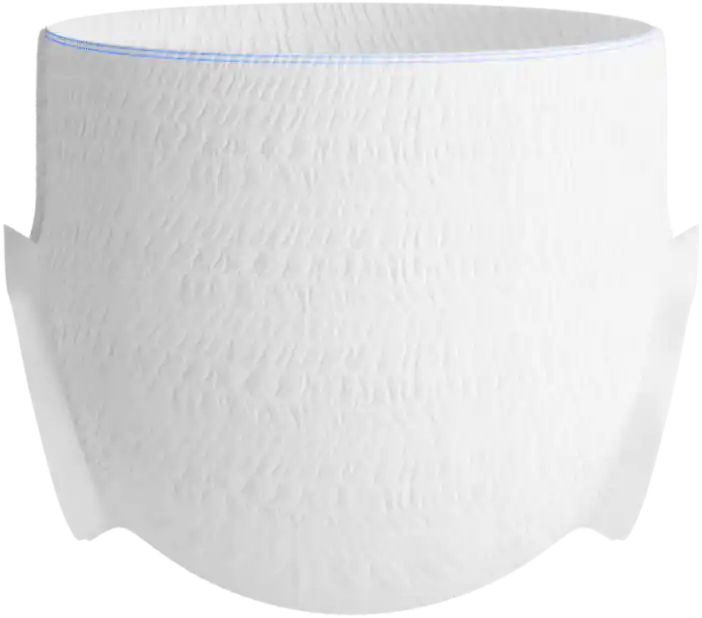
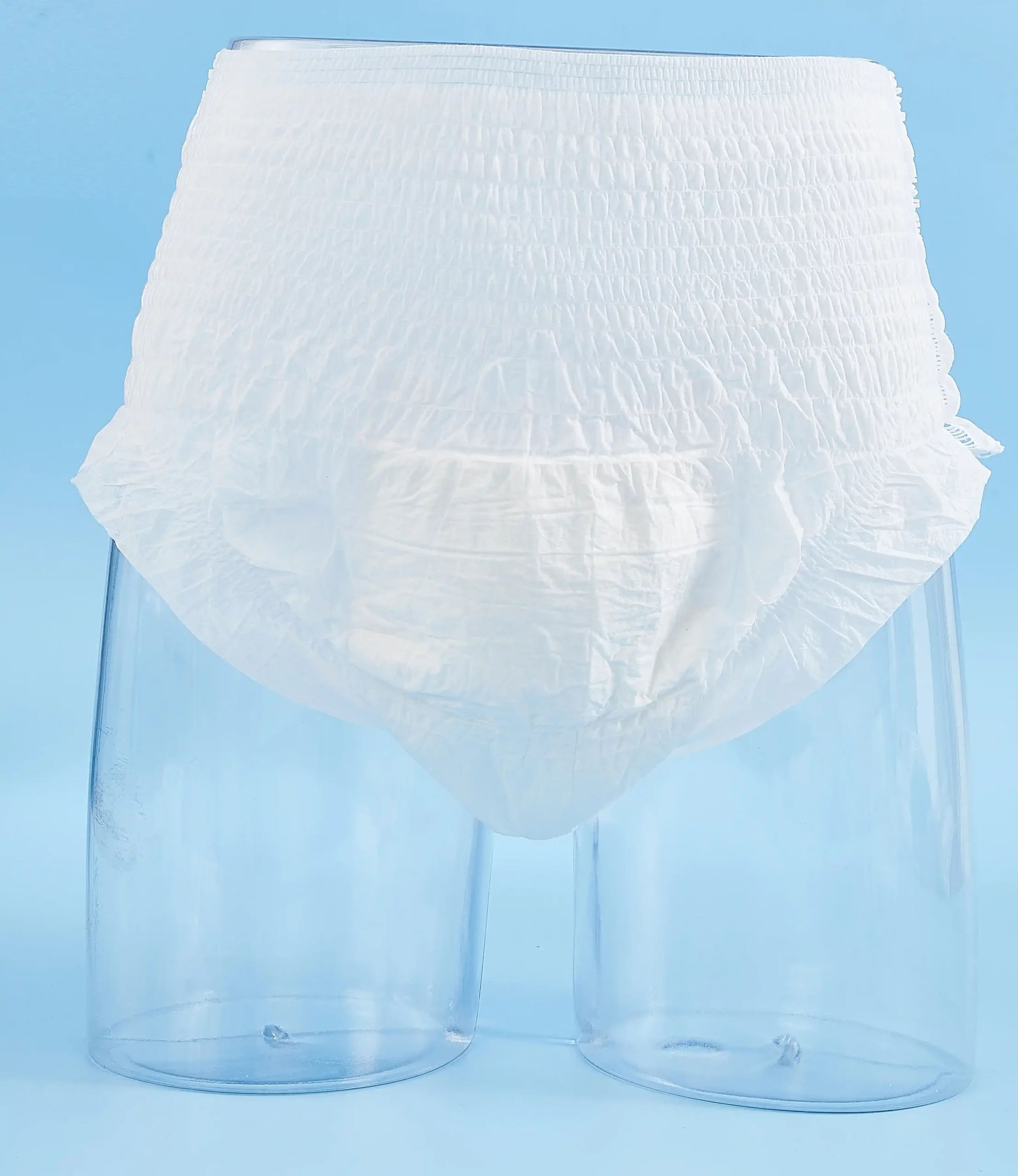
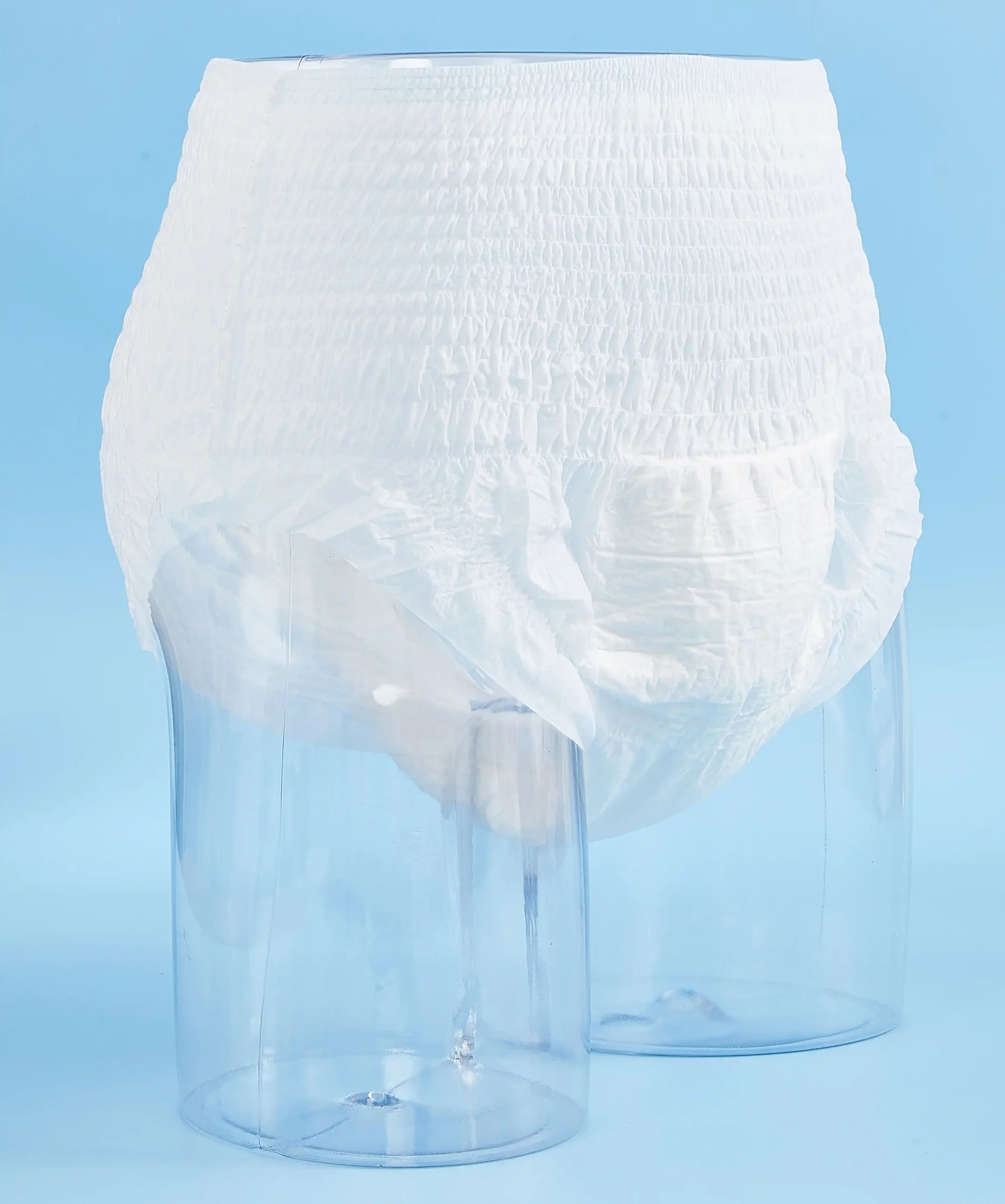
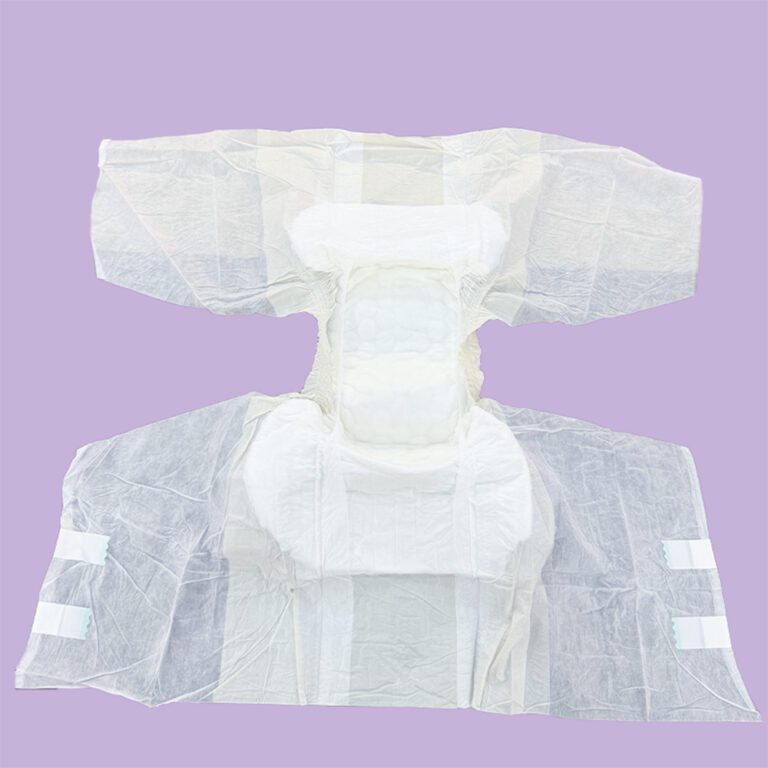
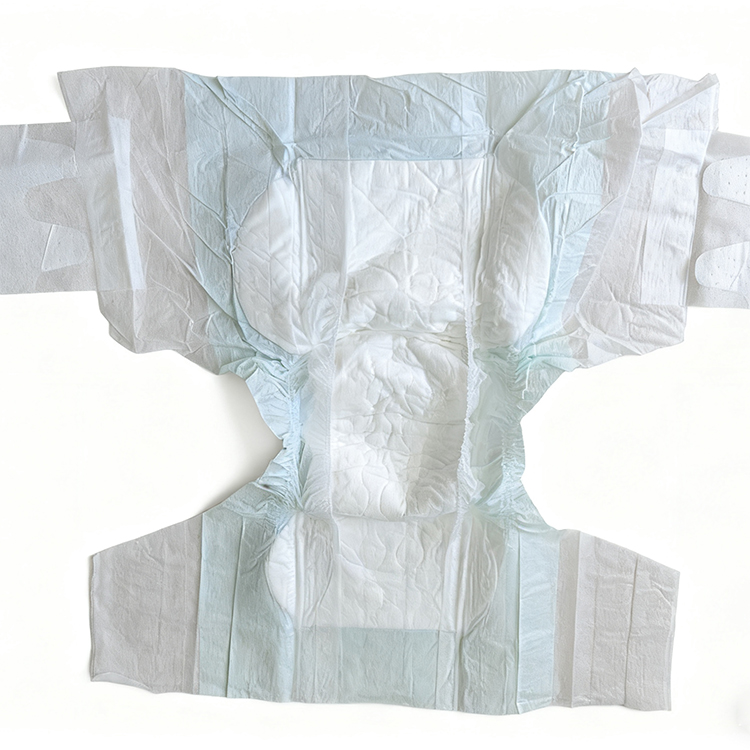
We’ll focus on adult diapers with tabs (tab-style briefs) because they usually perform better when needs move from moderate into heavy, especially at night, during transfers, or when the user can’t stand.
Tab-Style Briefs vs Pull-Up Incontinence Underwear
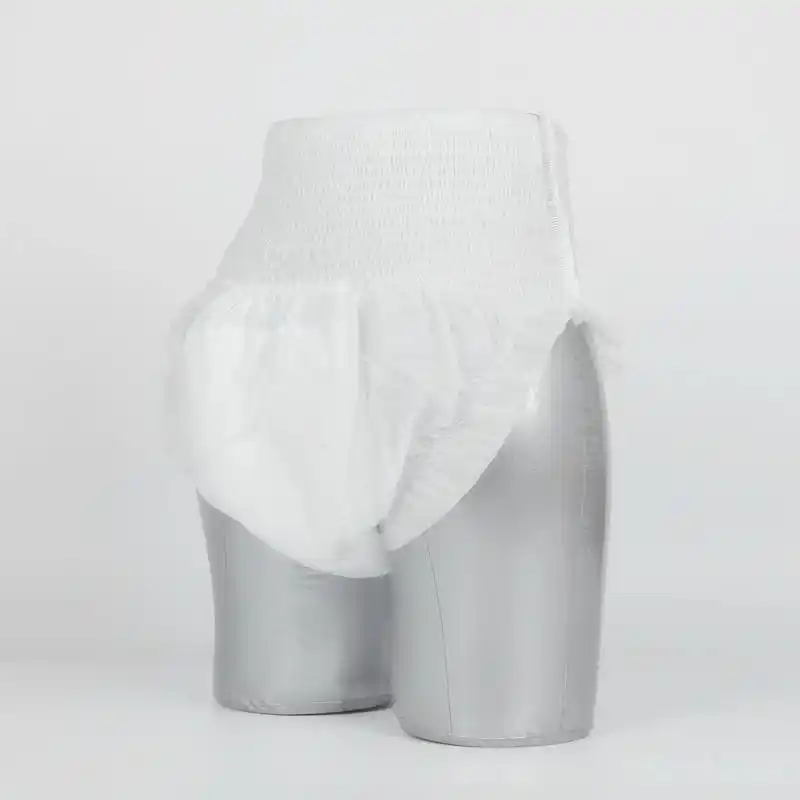
Here’s the simplest rule: pull-ups are for mobile users. tab-style briefs are for heavy needs and caregiver workflow.
Keyword need
Best pick
What’s actually happening
Buyer “inside talk”
bedridden, in-bed change
Adult diapers with tabs
you can’t step into a pull-up in bed
change-time KPI, caregiver workflow
heavy leakage, overnight
Adult diapers with tabs
long wear + volume spikes = edge leaks
SAP loading, acquisition layer
side sleeper, leg gaps
Adult diapers with tabs
turning opens the cuff, liquid hunts the gap
cuff seal, leak-guard geometry
active, independent toileting
Incontinence underwear (pull-up)
faster on/off solo
mobility-first SKU
If you sell multiple channels, keep both in your catalog. But when a customer says “moderate to heavy,” tabs usually makes the problems go away faster.
Adult Diapers With Tabs for Moderate to Heavy Needs
Tab briefs win because they’re open-style. You can apply them standing, sitting, or lying down. And you can re-open to check, then re-seal. That matters in real care, not just in product photos.
When you spec a tab brief for moderate-to-heavy, don’t obsess over one headline like “super absorbent.” Buyers who do that get returns. Look at the system:
core intake speed (how fast it pulls in)
distribution (does it spread or pool)
rewet / wet-back (does moisture come back to skin)
leg cuffs and leak guards (does it seal during turns)
tab strength (does it hold under movement)
If your audience asks for bigger sizing and heavy performance, these are common starting points:
Adult Diapers Sizing and Fit (Waist and Hip Measurement)
Let’s say it loud: fit is leakage control. Not “more layers.” Not “bigger size.” Fit.
For sizing, most teams do better when they train staff (or customers) to measure waist + hip, then choose the size that matches the larger number. A lot of people are waist-small, hip-wide. If you only measure waist, you’ll buy too small and you’ll get side leaks. Happens all the time.
Fit checklist for reducing side leaks
Use this quick check during onboarding or first shipment:
Waist is snug, not cutting (no deep red marks).
Inner leak guards stand up, not folded.
Leg openings hug the thigh with no visible gaps.
Tabs sit flat (no twisting, no “banana shape” on the sides).
If you see repeated leaks but the product “should be heavy,” 80% of the time it’s fit or application, not capacity.
Heavy Absorbency and Overnight Adult Diapers
Night is where brands get exposed. People roll, hips shift, and pressure squeezes liquid out sideways. That’s why overnight briefs need more than “extra SAP.” You want:
fast intake (less pooling)
stable cuff seal during turns
distribution channels (to avoid one hot spot)
low rewet (skin comfort)
Practical tip: if a customer reports “back leaks,” it’s often position + waistband seal. If they report “side leaks,” it’s often leg gap + cuff geometry. Same diaper, different failure mode.
Don’t Double Briefs (Common Leak Mistake)
A lot of facilities try this: “let’s put two briefs on.” Sounds logical. It usually backfires.
Why it fails (in real life):
extra bulk creates leg gaps, so it leaks faster
airflow drops, skin gets cranky
the outer layer can mess with intake path
If you need more protection, use one well-fit brief and add the right companion layer (underpad or booster). Two briefs is like wearing two raincoats with the zipper open.
Underpads for Adults (Bed and Furniture Protection)
If you manage bedding costs or caregiver time, underpads are not optional. They’re your “damage control layer.”
Buyers should look at two performance behaviors:
strike-through (how fast liquid goes down)
rewet / wet-back (does it come back up when someone moves)
Slow strike-through creates the “river effect.” Liquid runs sideways, finds an edge, and now you’re changing sheets, blanket, gown… the whole stack. Thats not a product problem, it’s a workflow problem.
If you want a clean add-on SKU for institutional or wholesale packs, use underpads for adults.
Underpads placement for side sleepers
A small trick that helps: rotate the underpad into a diamond angle so it covers hips better. It’s not magic, but it saves beds.
Booster Pads for Adult Diapers (Flow-Through Booster Pads)
Booster pads are how you extend wear time without changing the whole diaper line. The keyword you want is flow-through. A flow-through booster lets liquid pass into the main core, so you don’t create a pool on top.
When leakage is heavy, skin becomes the silent KPI. If skin breaks down, users get angry, staff changes more often, and your “great diaper” gets blamed anyway. So wipes matter.
For B2B bundles, wipes reduce change time and improve compliance with cleaning routines. Look for pH-balanced and alcohol-free options (especially for sensitive users). Product path: adult body wipes.
Private Label Adult Diapers OEM/ODM Manufacturer (ISO & FDA Certified)
If you’re buying wholesale, importing, or running an ecom brand, you’re not just buying a diaper. You’re buying consistency:
stable specs across batches
stable packing and carton count
stable lead time and replenishment rhythm
That’s where OEM/ODM matters. Adult-Diaper positions as a professional adult diapers manufacturer with OEM/ODM capability, flexible MOQ, and fast delivery windows for samples and bulk orders. If you want to build a real line (not one-off), that’s the path.
OEM/ODM spec talk that actually reduces complaints
Spec lever (keyword)
What it changes
Customer pain it fixes
How you sell it
leak guards + leg cuffs
better seal during turns
“side leaks at night”
“stays sealed when moving”
SAP distribution + channels
less pooling, faster intake
“it floods then leaks”
“spreads fast, stays dry-ish”
rewet control
better skin comfort
“rash and irritation”
“less wet-back”
refastenable tabs
easier checks + re-seal
“wasted briefs on checks”
“check and re-close”
bundle system (brief + underpad + wipes + booster)
smoother workflow
“too many bed changes”
“one system, fewer mess”
LOVINHUG for Wholesale Adult Diapers With Tabs
If you want a brand name that feels warm but still sells in institutions, LOVINHUG fits that middle lane. You can position it as a brief system for moderate-to-heavy needs:
tab briefs as the core SKU (adult diapers with tabs)
underpads to cut linen turns (underpads for adults)
booster pads for long wear (booster pads for adult diapers)