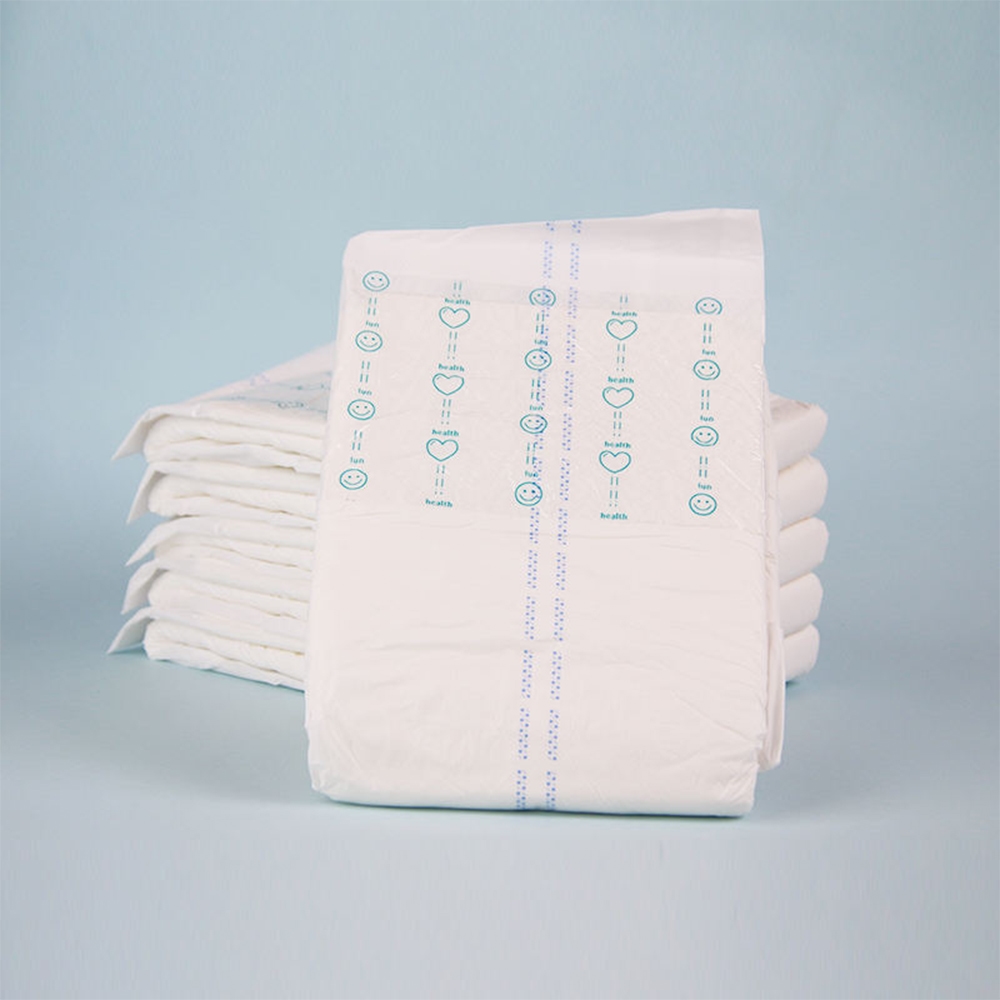
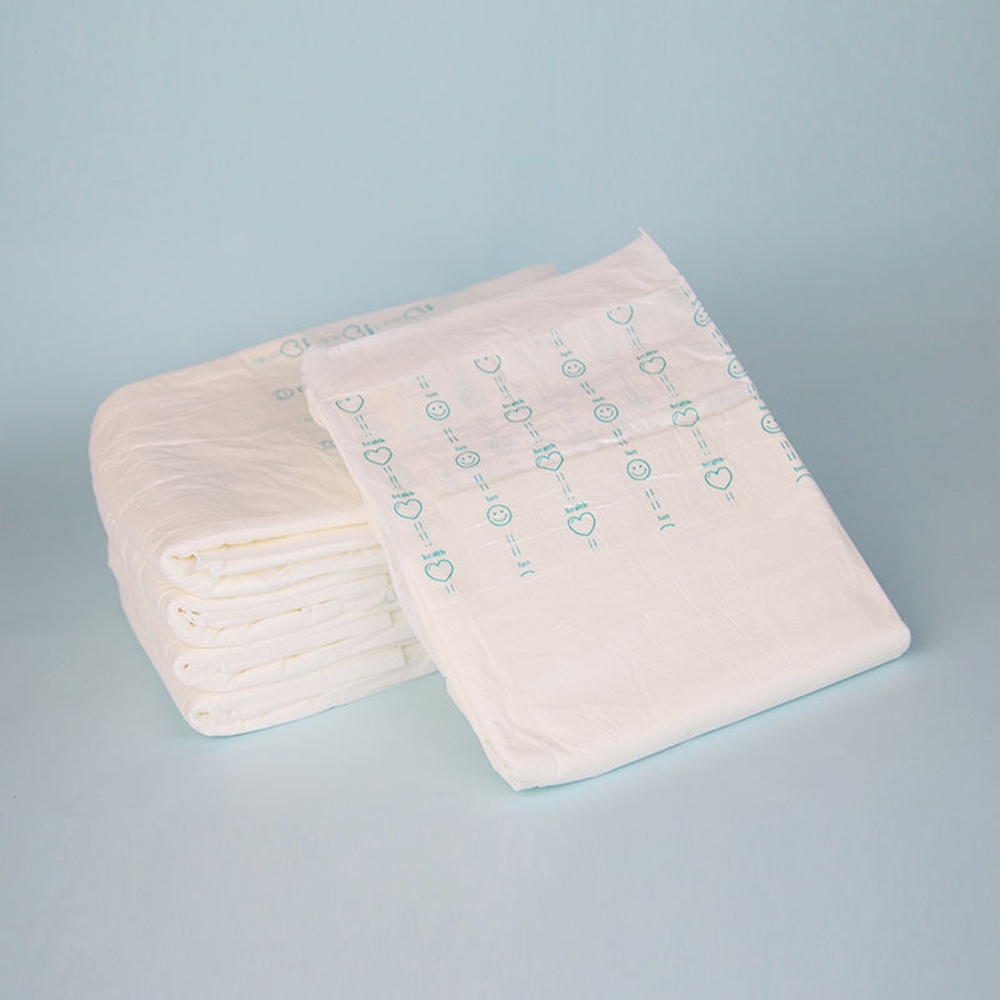
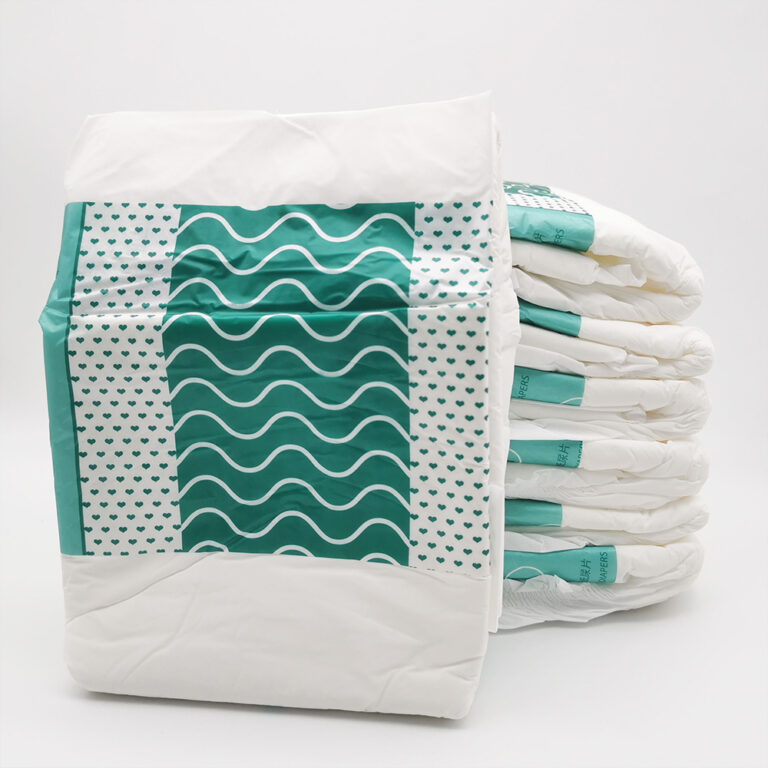
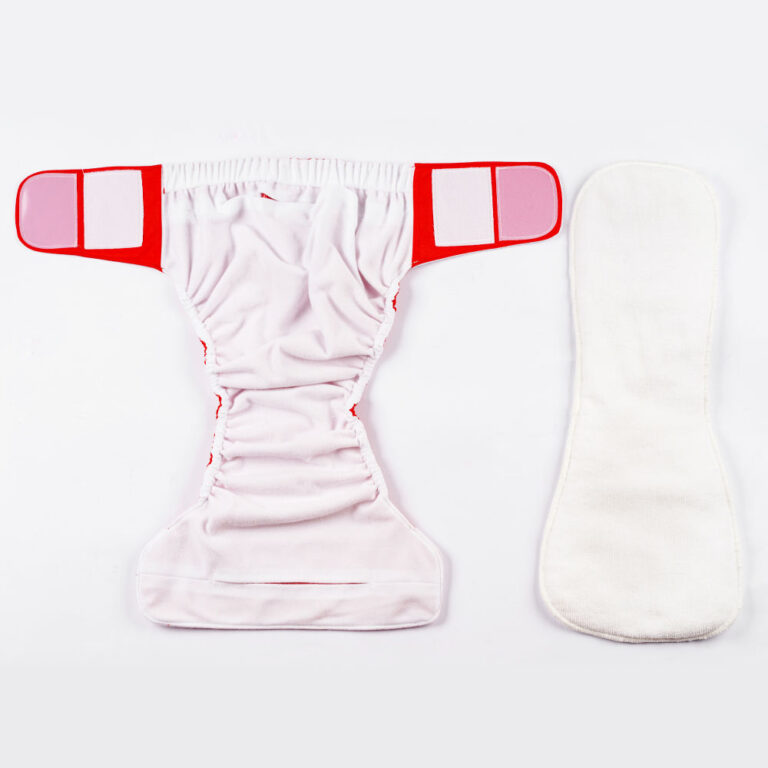
Why Small Pack Counts Matter for First-Time Incontinence Buyers
Eight pieces. Not forty.
For someone purchasing incontinence products for the first time, that difference can determine whether they spend a manageable amount testing an unfamiliar product or commit to weeks of supplies that might not fit, absorb properly, or feel comfortable against their skin.
So why do so many purchasing decisions still revolve around getting the lowest price per piece?
I think the incontinence industry has an uncomfortable blind spot: what looks economical to an experienced customer can be a poor deal for someone who has never worn an adult diaper.
These aren’t all people with the same needs. Some require occasional protection. Others need reliable coverage throughout the day or overnight.
A single product type won’t suit everyone. Neither will a single packaging strategy.
Small pack counts matter because they let buyers establish whether a product works before making a larger financial commitment. They also give manufacturers and retailers an opportunity to make the first purchase more accessible.
The Biggest Risk for First-Time Buyers Isn’t Price. It’s Choosing the Wrong Product.
A Large Pack Can Turn One Bad Decision Into an Expensive One
Imagine buying a 40-piece package of disposable incontinence underwear.
The absorbency rating looks suitable. The size chart suggests a comfortable fit. The price per piece seems reasonable.
But after two uses, the leg openings leak when sitting.
Now what?
The remaining 38 pieces may be practically worthless to that buyer, particularly when opened hygiene products aren’t eligible for returns.
That’s why I question the common assumption that buying in bulk always saves money.
The problem isn’t necessarily the product’s quality. It’s that buyers often lack enough experience to select the right product confidently.
A first-time customer may not know whether they need:
Thin incontinence pads for occasional light leakage.
Disposable pull-up underwear for greater coverage and mobility.
Adjustable tab-style adult diapers for heavier leakage or assisted changing.
Higher-absorbency protection for overnight use.
And choosing the right category is only the beginning.
Body shape, waist size, hip measurements, movement, and changing routines all influence how a product performs.
In one trial, 85 community-dwelling women with light urinary incontinence tested 12 products across four design categories.
Disposable inserts performed better overall than the alternatives evaluated, but user preferences weren’t identical. Some participants favored washable pants or menstrual pads despite differences in measured performance.
That finding deserves attention.
Even when research identifies an effective product category, individual preferences can vary.
The study didn’t investigate retail pack sizes or establish that small packs improve purchasing outcomes. But it supports a basic principle behind product sampling: performance and personal suitability need to be evaluated, not assumed.
Small Packs vs. Bulk Packs: The Economics of a First Purchase
Price Per Piece Doesn’t Tell the Whole Story
Consider this hypothetical retail comparison.
The prices are illustrative, not current market quotations.
Purchasing Factor
Small Trial Pack
Bulk Pack
Package quantity
8 pieces
40 pieces
Example total price
$10.40
$36.00
Price per piece
$1.30
$0.90
Pieces remaining after testing 2
6
38
Value of remaining pieces
$7.80
$34.20
Financial exposure if unsuitable and nonreturnable
Lower
Higher
Best suited for
Product evaluation
Confirmed repeat use
The bulk pack is approximately 31% cheaper per piece.
That’s a meaningful discount.
But if the product fails the first test and the remaining pieces cannot be returned or used, the bulk buyer is left with $34.20 of unsuitable supplies, compared with $7.80 for the small-pack buyer.
The difference is $26.40.
This isn’t evidence that small packs always save money. It’s a demonstration of how uncertainty changes the value calculation.
A better purchasing metric is:
Effective Cost Per Usable Piece = Total Purchase Cost ÷ Number of Pieces That Actually Meet the Buyer’s Needs
For established customers, bulk pricing may win decisively.
For beginners, the probability of choosing incorrectly also belongs in the calculation.
Out-of-Pocket Spending Makes Trial Purchases More Relevant
According to Medicare’s official coverage guidance, Original Medicare doesn’t cover adult diapers or incontinence supplies. Beneficiaries generally pay 100% of the cost of these noncovered items, although other insurance or plan-specific benefits may alter their individual expenses.
This makes a mistaken purchase more than a minor inconvenience.
For someone funding their own ongoing care supplies, repeatedly buying unsuitable products creates unnecessary costs.
My position is straightforward: retailers should offer a reasonably priced way to test a product before encouraging larger purchases.
Small packs won’t solve affordability problems by themselves. But they can limit the financial consequences of an uncertain first decision.
What First-Time Buyers Should Actually Test
1. Fit Before Maximum Absorbency
One common misconception is that a higher absorbency rating guarantees better leakage protection.
It doesn’t.
A product can have substantial theoretical liquid capacity and still leak because its shape doesn’t suit the wearer.
An influential 2003 study examining ISO 11948-1 absorption testing evaluated laboratory measurements against clinical performance data for 138 diapers and inserts. It found that absorbency results were useful in predicting performance, but product design and consistency also mattered.
For shoppers, the lesson is practical: don’t choose protection based on a single milliliter rating.
Check whether the waistband stays positioned, the leg cuffs close comfortably, and the absorbent core remains properly aligned during movement.
2. Product Type and Daily Routine
Different products serve different situations.
Someone managing occasional light bladder leakage may find incontinence pads and liners easier to use with regular underwear.
A more active person experiencing moderate leakage may prefer disposable incontinence underwear that pulls on like ordinary underwear.
People requiring heavier protection or assistance with changing may benefit from adjustable adult diapers.
The first pack should help answer a specific question: does this product suit the person’s real daily routine?
Trial products should be assessed during representative activities, without deliberately extending wear beyond appropriate changing intervals.
3. Moisture Management and Skin Comfort
Skin comfort isn’t a luxury feature.
A product that irritates the wearer or leaves excessive moisture against the skin may be unsuitable even if leakage protection appears adequate.
Researchers identified incontinence-associated dermatitis in 13.3% of the incontinent residents assessed: 22 out of 164.
That figure applies to the study population, not all people using incontinence products. The researchers also didn’t establish that a particular diaper caused the condition.
Still, the findings reinforce the importance of skin care and moisture management.
A small product trial gives the wearer an opportunity to notice rubbing, pressure marks, excessive warmth, or discomfort before committing to a large supply.
Products should be changed appropriately, and persistent skin irritation warrants professional assessment.
Why Small Pack Counts Matter to Manufacturers and Retailers
Small Packs Are an Entry Strategy, Not Just Smaller Packaging
For manufacturers, package quantity is often approached as a production specification: pieces per bag, bags per carton, and cartons per pallet.
Those numbers matter operationally.
But retail packaging also influences who can afford to try a product.
Consider three possible configurations:
Packaging Format
Illustrative Count
Intended Purchasing Role
Entry pack
6–10 pieces
First purchase and product evaluation
Standard pack
16–24 pieces
Routine or occasional replenishment
Economy pack
30–40 pieces
Established users seeking unit savings
These ranges are examples for assortment planning, not universal industry standards or confirmed product offerings.
The commercial argument is that each package should serve a clear purpose.
A small pack lowers the initial spending requirement. A standard pack supports routine purchasing. An economy pack rewards buyers who already know the product works.
But smaller isn’t automatically better.
Additional bags, packaging materials, handling, and shipping can increase costs per piece. Manufacturers need to evaluate profitability alongside customer accessibility.
Trial Packs Need Consistent Product Specifications
Here’s a mistake I would avoid: supplying one specification in the sample pack and a different one in the retail package.
If customers approve the fit and absorbency of an eight-piece trial pack, the corresponding larger pack should deliver the same performance.
Changes in core construction, elastic tension, topsheet material, or sizing can undermine the entire trial process.
For private-label brands, this makes sample selection and specification control particularly important.
A well-designed adult incontinence product sample kit should help distributors evaluate product categories, materials, absorbency performance, sizing, and packaging before commercial orders are placed.
I would also expect a supplier to document pack count, packaging dimensions, carton configuration, minimum order quantity, and any differences between sample and production specifications.
A trial is only valuable when its results apply to what the customer can actually buy later.
FAQs
Why buy small packs of incontinence products?
Small packs of incontinence products are packages containing relatively few absorbent pads, briefs, or disposable underwear pieces, designed to provide a lower-commitment purchasing option that allows first-time users to assess fit, comfort, absorbency, and everyday suitability before investing in larger quantities of a potentially unfamiliar product.
They are particularly useful when buyers are still comparing sizes or protection levels.
How many pieces should an incontinence trial pack contain?
An incontinence trial pack is a limited-quantity package intended for evaluating product suitability through several representative uses rather than supporting long-term replenishment, and a six-to-ten-piece configuration may be a practical starting point for retailers, although no universal quantity guarantees adequate testing for every wearer or product category.
The ideal count depends on usage frequency and the conditions being evaluated.
Are adult diaper sample packs better than bulk packs?
Adult diaper sample packs are small-quantity product assortments intended to reduce the initial commitment required to test fit and performance, whereas bulk packs prioritize a lower price per unit and longer replenishment intervals, making sample packs more useful during product selection and bulk packs more economical after suitability is established.
The best choice depends on how certain the buyer is about the product.
When should a first-time buyer switch to bulk incontinence products?
A first-time buyer should consider switching to bulk incontinence products after confirming through normal use that a specific product provides reliable leakage protection, appropriate sizing, acceptable skin comfort, and manageable changing requirements, and that its expected consumption justifies the larger upfront expense and additional storage space.
Before purchasing, verify that the larger package contains the same product specification as the trial pack.
Final Thoughts: Start Small, Then Buy With Confidence
Small pack counts don’t make an incontinence product more absorbent, more comfortable, or better designed.
They make choosing the right one less risky.
That distinction matters.
For first-time buyers, a smaller package provides an opportunity to evaluate an unfamiliar product without committing to weeks of supplies.
For retailers, it can make the initial purchase more accessible.
And for manufacturers, it creates a clear opportunity to structure product ranges around both evaluation and repeat purchasing.
The best incontinence products aren’t necessarily sold in the biggest packages. They’re the products that fit properly, perform reliably, and meet the wearer’s individual needs.
Test the product first. Commit to the quantity second.
For distributors, retailers, and private-label businesses developing adult incontinence product ranges, LOVINHUG provides OEM/ODM manufacturing support, including product specifications and retail packaging customization.