Incontinence Products for Wheelchair Users: An Underserved Market Segment
Seated performance matters.
An adult brief that works for someone who walks independently may behave differently after hours in a wheelchair, where body weight compresses absorbent layers, posture changes the fit around the thighs, and transfers place additional stress on the fastening system.
So why does the incontinence industry continue to sell so many products primarily through absorbency ratings?
I believe the answer reveals a genuine weakness in how manufacturers approach product development.
The problem is not that wheelchair users have been entirely ignored. Adult diapers, pull-up underwear, absorbent pads, and protective underpads are already widely available.
The problem is that availability doesn’t guarantee suitability.
For wheelchair users managing urinary or bowel leakage, an effective product must work within a specific combination of mobility, seating, skin health, and changing requirements.
And those requirements cannot be reduced to a waist measurement or an advertised number of milliliters.
The Evidence Behind an Overlooked Market
Nearly half of one spinal cord injury population reported urinary incontinence
A 2018 study published inSpinal Cord examined urinary incontinence among 609 women with spinal cord injuries treated at a specialist clinic in Denmark.
Its findings deserve attention:
49% (299 women) reported urinary incontinence.
27% experienced daily urinary incontinence.
13% reported weekly episodes.
9% reported monthly episodes.
Permanent wheelchair use was associated with greater odds of urinary incontinence, with an odds ratio of 2.16 (95% CI: 1.24–3.77).
The researchers also found an association between urinary incontinence and reduced general, physical, and emotional quality of life.
There is an important limitation: this was a cross-sectional study of women with spinal cord injuries, not a survey of all wheelchair users. Its findings cannot establish that wheelchair use causes incontinence or that 49% of wheelchair users need absorbent products.
But the commercial implication is difficult to dismiss.
Within a clearly defined rehabilitation population, incontinence represents a substantial care concern.
Yet manufacturers rarely provide enough wheelchair-specific performance evidence to establish whether their products adequately address it.
That gap is worth investigating.
I would be cautious, however, about attaching a billion-dollar market estimate to this opportunity without reliable data on eligible users, purchasing behavior, and unmet needs.
An underserved customer group is not automatically a measurable untapped market.
The better starting point is product performance.
Why Conventional Incontinence Products Can Fail in Wheelchairs
Laboratory absorbency does not tell the whole story
Most disposable adult diapers combine cellulose fibers with superabsorbent polymers (SAP), commonly based on sodium polyacrylate.
These materials can absorb and retain substantial amounts of liquid.
But maximum absorption capacity is not the same as reliable protection during actual use.
Consider ISO 11948-1:1996, also known as the Rothwell method, which measures the absorption capacity of urine-absorbing aids.
In a 2019 peer-reviewed study indexed by the National Library of Medicine, researchers from University College London and the University of Southampton compared laboratory testing with the in-use leakage performance of 12 experimental products evaluated by 55 nursing home residents.
The researchers found that the ISO capacity test provided useful information but failed to detect the measurable leakage-control benefits of leg cuffs.
Read that carefully.
A laboratory method could measure absorbency while missing a design feature that improved containment during real use.
The study did not specifically test wheelchair users. Nevertheless, it demonstrates why manufacturers should not treat one capacity number as a complete prediction of performance.
For someone sitting in a wheelchair, three properties deserve particular scrutiny:
Acquisition speed: How quickly does the absorbent core accept urine before liquid can travel toward an opening?
Rewet under pressure: How much moisture returns toward the surface when the product experiences compression?
Leakage resistance: Do the leg cuffs, waistband, and absorbent structure maintain containment during sitting and transfers?
I would never approve a wheelchair-focused diaper solely because its packaging claims maximum absorbency.
Poor fit becomes more complicated when seated
Wheelchair positioning changes the relationship between the body and the garment.
The abdomen flexes, the rear waistband may shift, and the thighs contact the product differently than they do while standing.
A brief that fits properly during application may develop gaps or folds after prolonged sitting.
The key is to assess the product in the posture in which it will actually be worn.
Skin health cannot be separated from wheelchair seating
Leakage is only part of the problem.
Prolonged moisture exposure, friction, and unsuitable product fit can contribute to skin complications. Meanwhile, wheelchair users with limited movement or sensation may face additional pressure-injury risks.
These are related concerns, but moisture-associated skin damage and pressure injuries are not the same condition.
Guideline 1.9 recommends reassessment at least every three years, or more frequently when a person’s condition changes.
This matters because adding bulky briefs, folded material, or unnecessary protective layers can affect the interface between the body and the seat.
A disposable underpad should not automatically be placed over a specialist pressure-relieving cushion without checking its effect on the seating system.
More padding does not necessarily mean better protection.
For manufacturers, skin-contact performance and seated fit deserve the same attention as liquid capacity.
Best Incontinence Products for Wheelchair Users: A Practical Comparison
Not every wheelchair user needs the same containment system.
Some people transfer independently and manage clothing without assistance. Others require help with changing. Some use catheters or follow individualized bladder and bowel management programs.
A useful product comparison must reflect those differences.
Product type
Potential advantages
Main limitations
Most relevant selection factor
Tab-style adult diapers
Adjustable fit; can be opened flat for assisted changes
Fastenings and excess material may cause discomfort if poorly positioned
Ease of changing and secure seated fit
Pull-up underwear
Familiar underwear-style design; discreet for some independent users
May require additional clothing removal and transfer effort
Ability to dress independently
Shaped incontinence pads
Less bulk for lighter leakage
Risk of movement or inadequate containment
Pad positioning and leakage level
Disposable underpads
Additional protection for appropriate chairs or surfaces
May interfere with specialized wheelchair seating
Seating compatibility and skin safety
Flow-through booster pads
Additional capacity in compatible briefs
Increased bulk; compatibility must be verified
Combined system performance
Tab-style briefs for assisted care
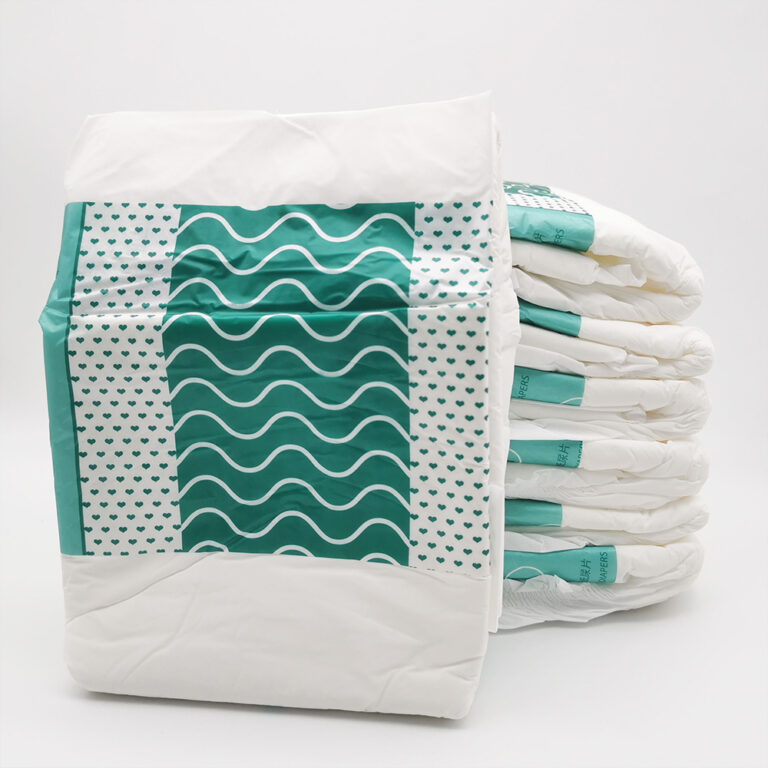
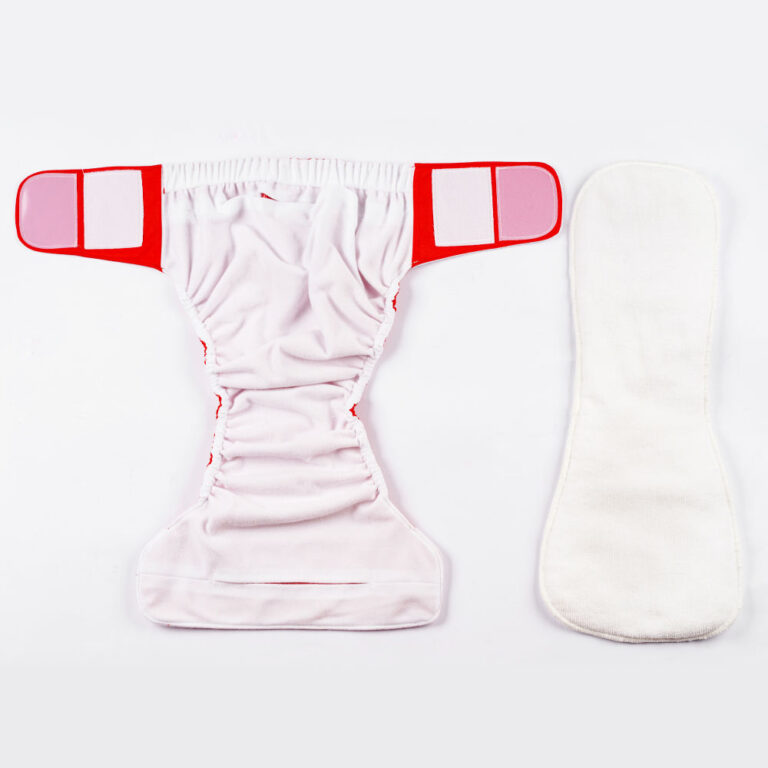
For users requiring caregiver assistance, adult diapers with tabs can offer practical advantages.
Because the garment opens flat, it may be easier to position or remove during certain assisted changes.
Refastenable closures also provide greater adjustment than fixed-waist underwear.
But poor tab placement can create uneven tension, and a badly positioned absorbent core can still leak.
The goal is not simply to make a stronger fastening system. It is to maintain a secure, comfortable fit during seated use.
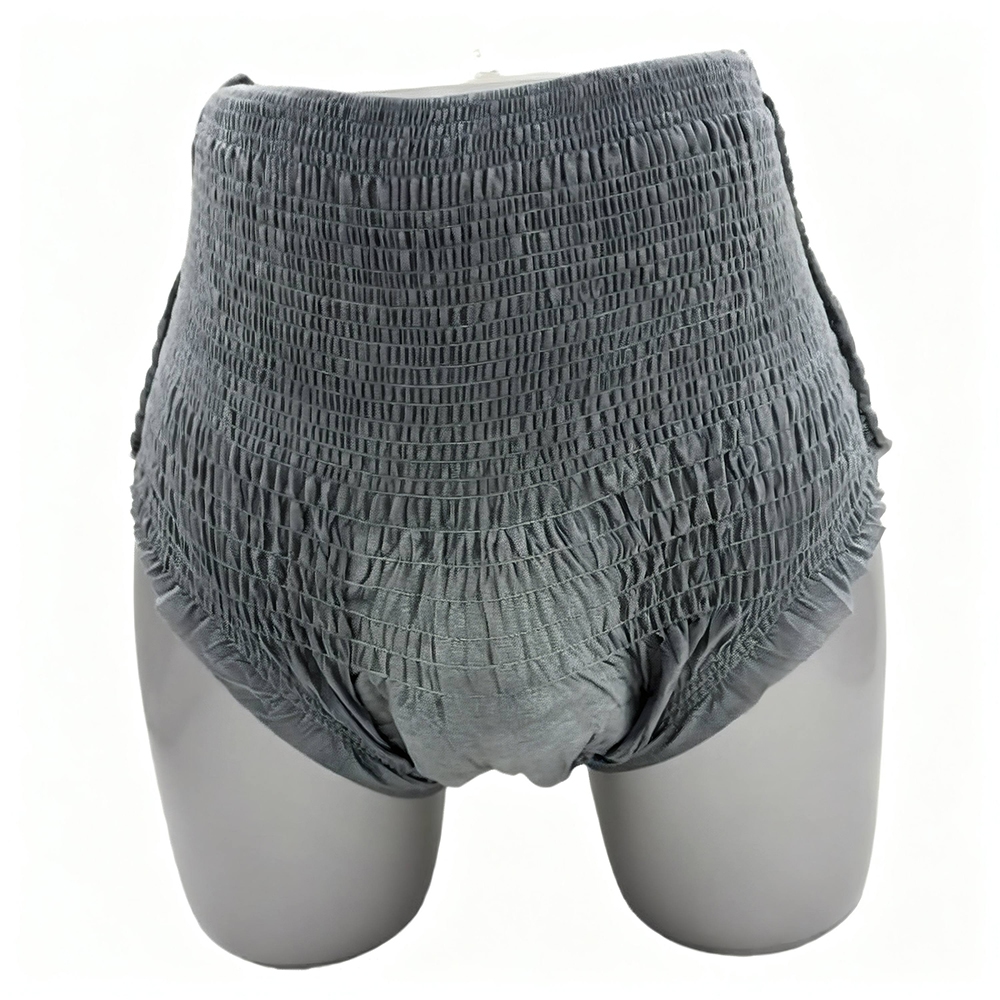
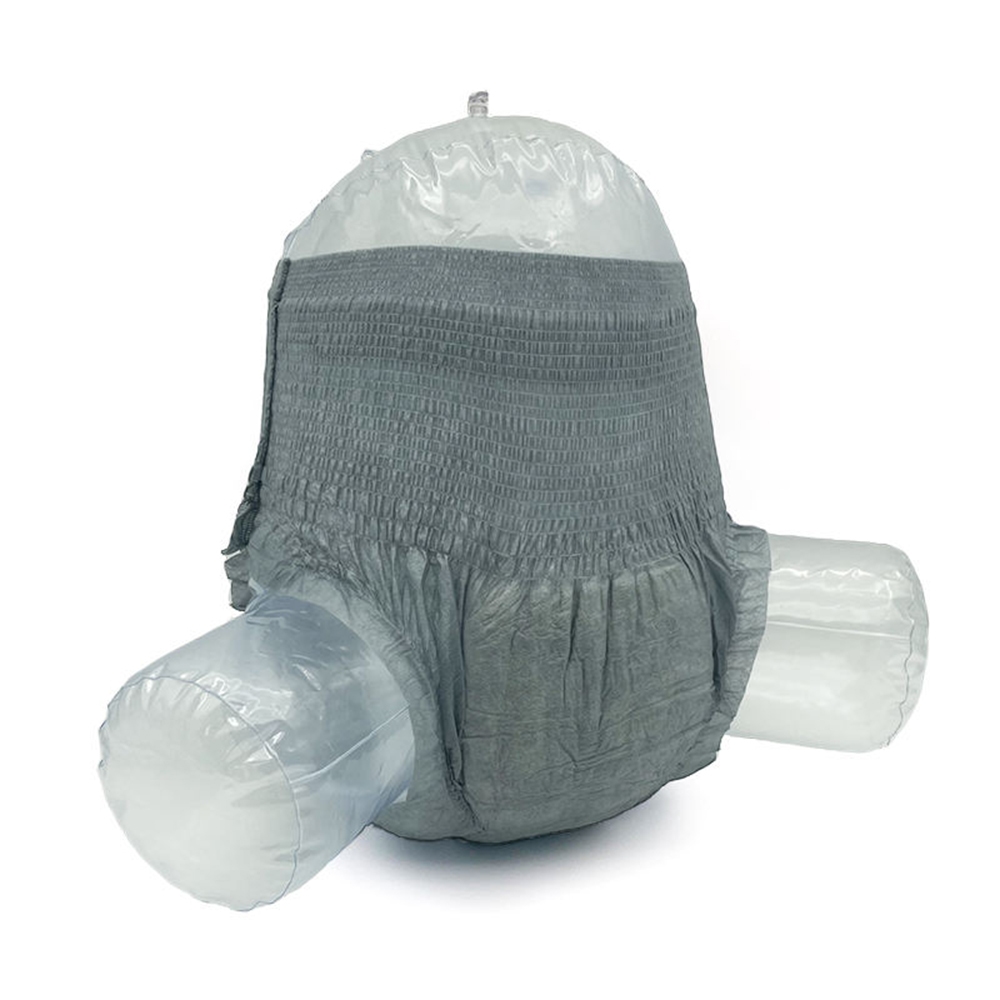
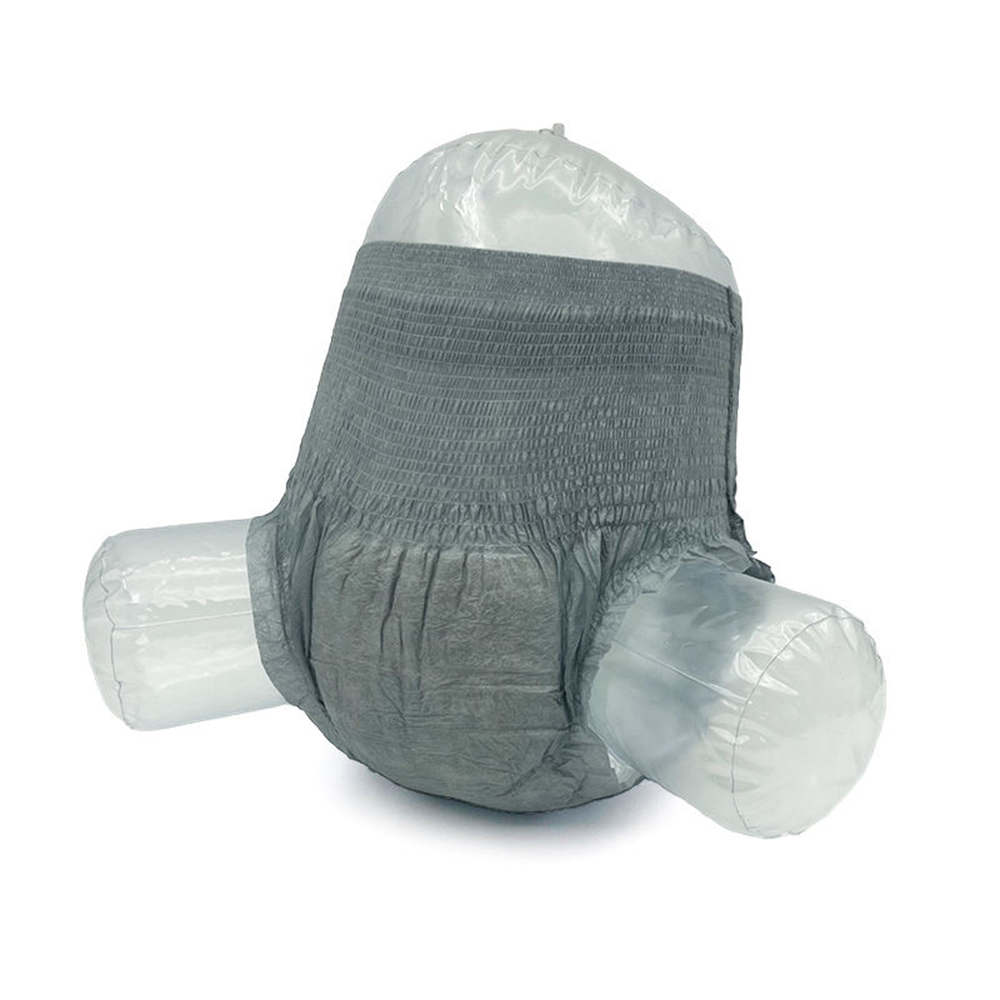
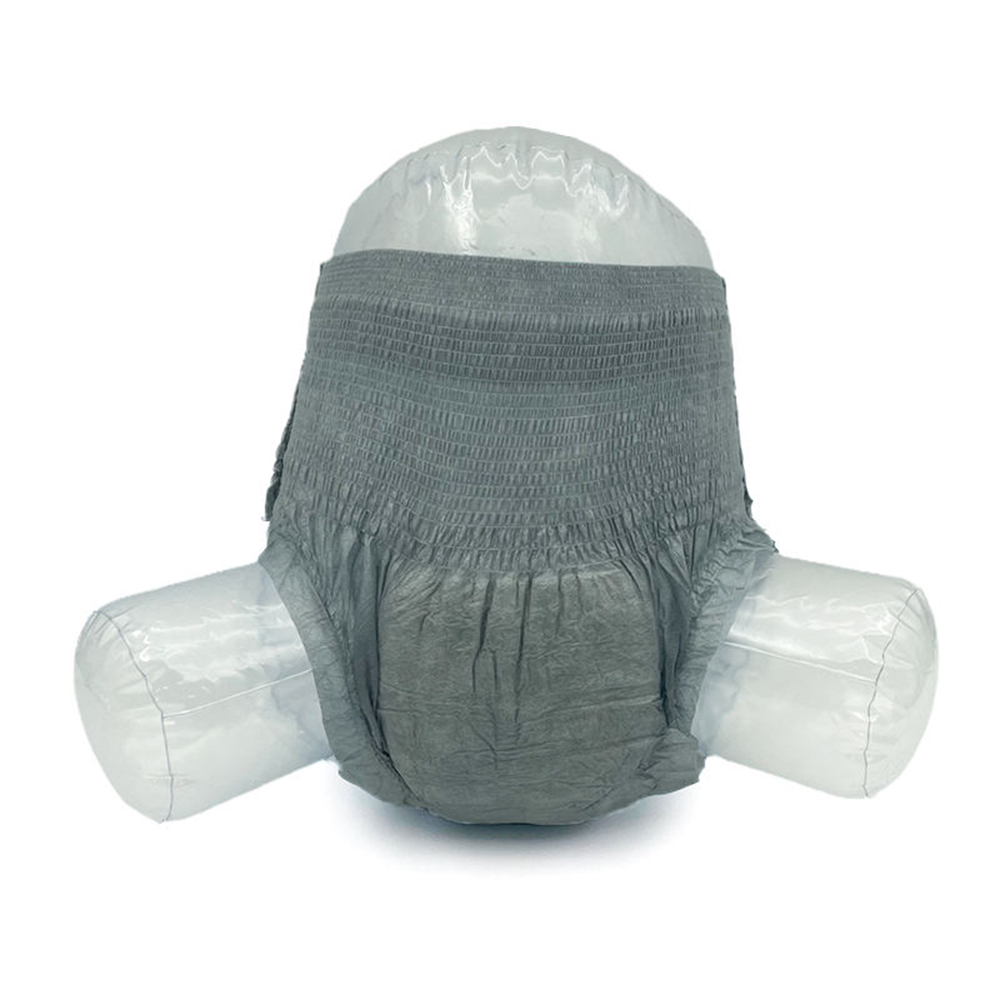
Pull-up underwear for independence
One assumption I would challenge is that wheelchair users always need traditional adult diapers.
Many do not.
For people who can manage transfers and clothing independently, pull-up incontinence underwear may provide a more familiar wearing experience.
The decision should depend on dexterity, dressing ability, leakage requirements, and personal preference—not the presence of a wheelchair.
Pads and underpads as complementary solutions
Some users with lighter urinary leakage may prefer incontinence pads rather than a full brief.
Others may need disposable underpads for suitable beds, chairs, or care surfaces.
These products solve different problems. They should not be treated as interchangeable or automatically combined.
For wheelchair users, minimizing unnecessary bulk can be just as important as adding absorbent capacity.
What Manufacturers Should Actually Change
The most promising adaptive incontinence products will not necessarily require a completely new material.
They may require better specifications and more realistic testing.
If I were evaluating an OEM/ODM development program for wheelchair users, I would require four things.
1. Test products under seated conditions
Use repeatable loading procedures that account for compression, fluid acquisition, leakage, and rewet.
Document the test liquid, applied load, timing, number of samples, and product positioning.
ISO 11948-1 results can remain useful, but they should be supplemented with validated or clearly documented performance assessments suited to the intended use.
2. Evaluate fit during movement and transfers
Test products with users who have different body shapes, mobility levels, and changing routines.
Look for rear-panel displacement, uneven closures, leg gaps, and absorbent core movement.
A dry sample fitted to a stationary mannequin cannot answer every question about real-world comfort and containment.
3. Include wheelchair users in development
Manufacturers should involve wheelchair users alongside relevant rehabilitation professionals, continence specialists, and caregivers.
Ask what makes a change difficult.
Ask whether a product interferes with clothing or transfers.
Ask which failures matter most.
And test those responses instead of assuming that thicker products are automatically preferable.
4. Demand consistent production quality
For institutional and wholesale buyers, a successful sample is only the beginning.
The finished product should maintain its specified absorbency, dimensions, cuff performance, fastening strength, and material characteristics across production batches.
A specialized label means nothing without repeatable performance.
The Commercial Opportunity Is Bigger Than a Product Label
Beneficiaries pay the full cost of these non-covered products unless another source of coverage or assistance applies. Some Medicare Advantage plans may offer additional benefits, but coverage must be confirmed individually.
For households managing recurring leakage, purchase price is an ongoing consideration.
Yet focusing entirely on price per diaper can be misleading.
A cheaper brief that requires additional changes because of leakage may generate more laundry, cleaning, supply consumption, and care work.
A premium brief is not automatically more economical either.
The question buyers should ask is:
What is the total cost of achieving reliable, comfortable protection for this user?
That includes product consumption, containment failures, changing requirements, and skin compatibility.
For manufacturers and distributors, I see a stronger business opportunity in better-defined customer segments than in making unsupported claims about a vast untapped market.
Develop products around real use cases. Validate them with appropriate users. Build clear specifications for each application.
Then let the evidence support the positioning.
FAQs
What are the best incontinence products for wheelchair users?
The best incontinence products for wheelchair users are absorbent garments and protective accessories chosen according to leakage severity, seated fit, mobility, skin condition, and changing ability. They may include adjustable tab-style briefs, pull-up underwear, shaped pads, or compatible surface protection, depending on an individual’s requirements.
Tab-style briefs may simplify assisted changes, while pull-ups can suit some independent users. No single format is universally best.
How can wheelchair users prevent diaper leakage?
Wheelchair diaper leakage prevention involves selecting correctly sized absorbent products, checking waistband and leg-cuff positioning while seated, assessing liquid retention under pressure, and maintaining an appropriate changing routine. Effective protection also depends on body position, transfer movements, leakage volume, and whether the product remains securely fitted throughout use.
If leakage continues despite correct fitting, compare alternative product designs and seek continence assessment where appropriate.
Are adult diapers necessary for every wheelchair user?
Adult diapers are optional absorbent products for managing urinary or bowel leakage, not standard equipment required by wheelchair users. Continence needs vary according to medical conditions, bladder and bowel function, mobility, personal preferences, and available care methods, including scheduled toileting and clinically directed catheter management when appropriate.
Many wheelchair users do not experience incontinence. Others manage it through approaches that may involve absorbent products as one component of care.
What should buyers look for in adaptive incontinence products?
Adaptive incontinence products are containment solutions evaluated around specific functional requirements, including prolonged sitting, limited dexterity, assisted changing, and movement during transfers. Buyers should assess their actual leakage protection, anatomical fit, skin-contact characteristics, fastening design, and manufacturing consistency rather than treating advertised absorbency as a complete performance measure.
For institutional or private-label purchasing, request representative samples, documented testing methods, and user evaluations before approving bulk production.
Build Incontinence Products for Real Wheelchair Needs
The strongest opportunity in this segment is not another adult diaper with an impressive capacity number.
It is better product engineering.
Wheelchair users deserve containment products that account for seated pressure, accessibility, changing routines, and skin health. Manufacturers need to demonstrate that their designs address those needs rather than relying on general-purpose marketing claims.
For distributors and private-label brands, the next step is practical: define the intended user’s requirements before selecting product specifications.
At LOVINHUG, we support OEM/ODM development for adult diapers, tab-style briefs, incontinence underwear, pads, underpads, and related care products, including customization of absorbency, fit features, materials, and packaging.
Looking to develop or source incontinence products for wheelchair users?
Contact the LOVINHUG OEM/ODM team to discuss your target users, product specifications, sample requirements, and private-label manufacturing options.
Start with real needs. Validate performance. Build products that deserve their place in the market.