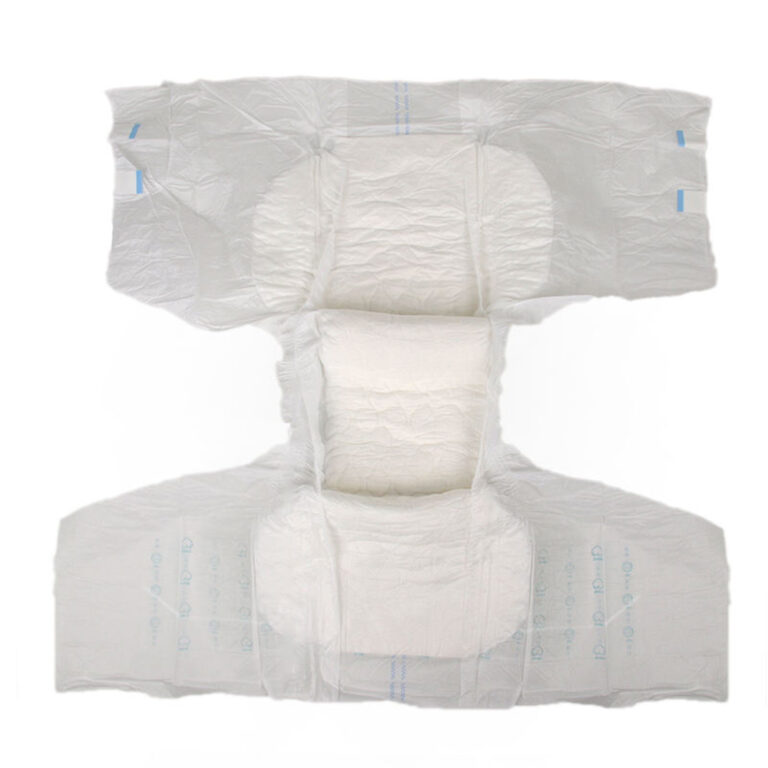
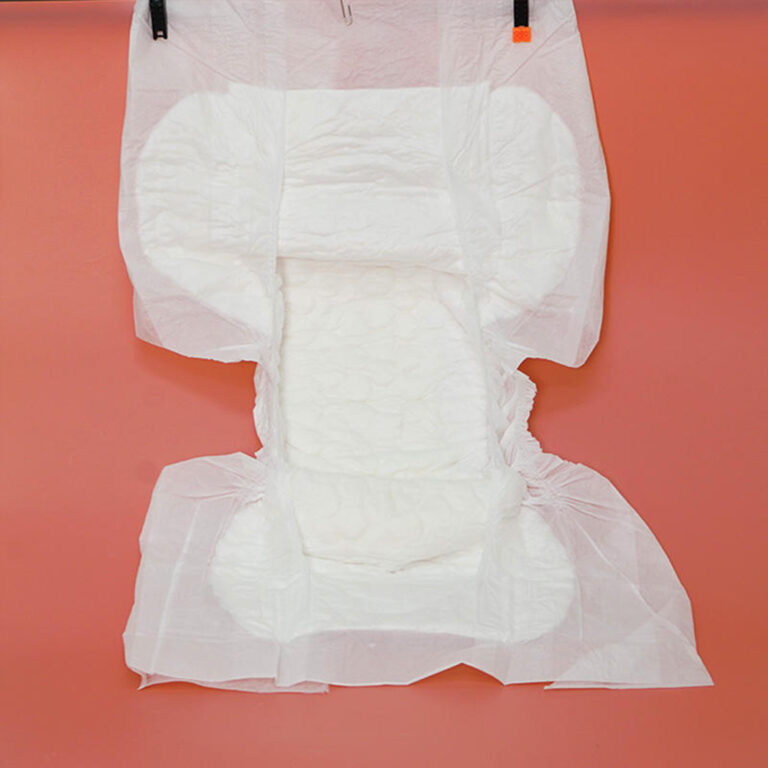
If you’re buying adult diapers wholesale, you don’t really fear “a bad shipment.” You fear the after: leak photos, angry calls, chargebacks, and that one nursing station that swears your brand is “always wet.”
So let’s talk like buyers. In bulk sourcing, absorbency, core, and leak guards aren’t three cute bullet points. They’re one system. If one piece is off, the whole SKU turns into refund drama.
This checklist is built for B2B buyers: nursing homes, hospitals, home care providers, distributors, importers, and private-label e-com teams. It also fits OEM/ODM work, because you’re not just picking a product. You’re locking a spec.
Absorbency: Set the Target Before You Talk Price
Most quotes start with “What’s your best price?” I’d flip that: what’s your wear time, and what’s your leak moment?
In institutions, leaks usually hit during:
night turns (2–5am vibes)
wheelchair transfers
long car rides / long clinic waits
heavy users with short change intervals
If you don’t define those moments, you’ll buy the wrong absorbency tier. Then the team blames the factory. Happens all the time.
Day / Night / Heavy absorbency targets
Use plain language in your RFQ:
Day: frequent changes, more walking, lighter build
Night: long wear, pressure points, side sleeping
Heavy: higher volume, higher risk moments, higher tolerance for “one-and-done”
If your assortment includes Adult Diapers, split day vs night on purpose. Don’t sell one “universal” brief and pray.
Cost-in-use thinking (no math, just reality)
Don’t calculate “unit price.” Track cost-in-use in your head:
How often does staff re-fit or re-tape?
How often do sheets get changed?
How many complaints land in customer service?
Even without numbers, you know the answer. Leaks cost time. Time is money. Simple.
Core: SAP Distribution, Rewet, and Comfort
When buyers say “core,” they often mean “thicker.” That’s not a spec. That’s a guess.
A real core spec covers:
SAP placement (where it sits)
layers (how fast it drinks, how long it holds)
rewet behavior (does it push back when you press)
Multi-layer core construction (what you should ask for)
Ask your supplier what core build they can do:
single vs multi-layer
channel design (if needed)
different SAP loading profiles for day vs night
For caregiver-facing products like Adult Diapers with Tabs, core stability matters more, becasue users may lie down, sit, stand, repeat. That pressure cycle can expose weak cores fast.
Rewet test you can do with samples (quick and kinda brutal)
No lab needed. Do this:
Pour liquid into the target zone.
Wait a short time.
Press with tissue under a flat weight (book works).
Check: does tissue get wet?
If the surface feels “slick” after pressure, you’ll get skin complaints. And yes, caregivers will call it “cheap,” even if your quote wasn’t.
Topsheet feel + breathable backsheet (skin talk that buyers care about)
Care teams care about skin integrity. E-com buyers care about reviews. Both hate heat and damp.
So ask for options:
soft topsheet feel (less irritation)
breathable backsheet choices (less heat build-up)
odor control add-ons (if your channel needs it)
If your bundle also includes Incontinence Underwear, match the core feel to a more “underwear-like” experience. People compare it to real underwear, so the bar is higher.
Leak Guards: Standing Cuffs, Leg Cuffs, and Fit
Leak guards are simple in theory, annoying in real life. You can build great cuffs, then lose everything with bad fit.
Standing leak guards + leg cuffs (the leak-control combo)
For heavier use and night wear, look for:
standing leak guards (the “inner wall”)
snug leg cuffs (the seal)
This combo helps when users roll, side-sleep, or sit for long time. If you sell into nursing homes, you know that’s half the job.
Tabs, waist band, and leg opening geometry
Leaks don’t always come from the core. They come from gaps.
So check:
elastic waist band tension
leg opening cut
tab landing zone area
refastenable tabs strength (re-tape without tearing)
Open-style briefs like Adult Diapers with Tabs win in care facilities because staff can adjust fit while standing, sitting, or lying down. That’s not marketing. That’s workflow.
Fit is a “SKU strategy,” not a size chart
Wholesale mistake: only stock M/L. Then you wonder why you get side leakage. Bigger bodies need real sizing, not “stretch hope.”
If you serve gendered lines, it also helps to separate:
Add Adult Wipes because staff wants one kit, not five vendors. It’s procurement 101.
Home care service providers
Home care teams care about:
comfort + skin
caregivers doing changes in tight spaces
fewer “panic calls” from families
A smart line-up mixes briefs + pull-ups depending on mobility. If the user walks, pull-ups make sense. If the user is bedbound, tabs make life easier.
Private label e-commerce
E-com is review-driven. One leak photo can tank your listing.
Build a tight SKU story:
clear day vs night positioning
comfort language that feels real
predictable fit guidance
If your niche includes ABDL Diapers, treat it as its own segment. Different prints, different expectations, different buyer mindset.
OEM/ODM Notes: Lock the Spec, Protect the Reorder
Here’s the part people skip. Then they complain about “batch inconsistency.”
When you go OEM/ODM, you need:
spec sheet that’s clear
QC checkpoints that match the spec
lot traceability (so claims don’t become a shouting match)
That’s why working with an OEM/ODM team like LOVINHUG (the manufacturing team behind Adult-Diaper.com) helps. They’re used to building to spec, not just shipping what’s on the shelf. It make re-orders way less painful, honestly.
If you’re doing private label, start here: OEM/ODM Services. You’ll move faster if you define absorbency targets, fit features, and packaging needs upfront.
What to Send in Your RFQ (so you get better quotes)
Send this. Keep it short:
Your channel (nursing home / hospital / distributor / e-com)
User mobility (walking vs assisted vs bedbound)
Day vs night split (even a rough one is fine)
Must-have features (tabs, wetness indicator, breathable backsheet, standing leak guards)
Adult-Diaper.com supports OEM/ODM, flexible MOQ, ISO & FDA certification, and fast sampling + delivery windows. That’s the supply-side part you want when you scale and don’t wanna babysit every shipment.