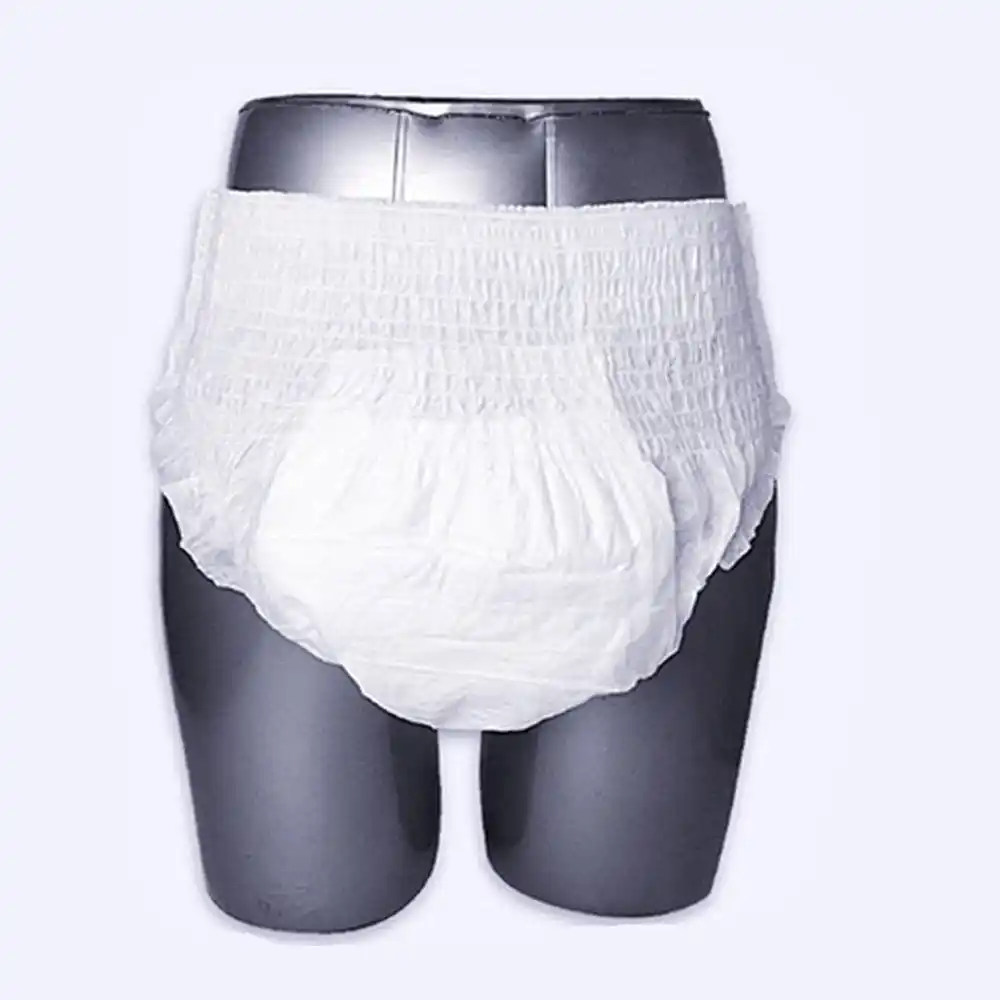
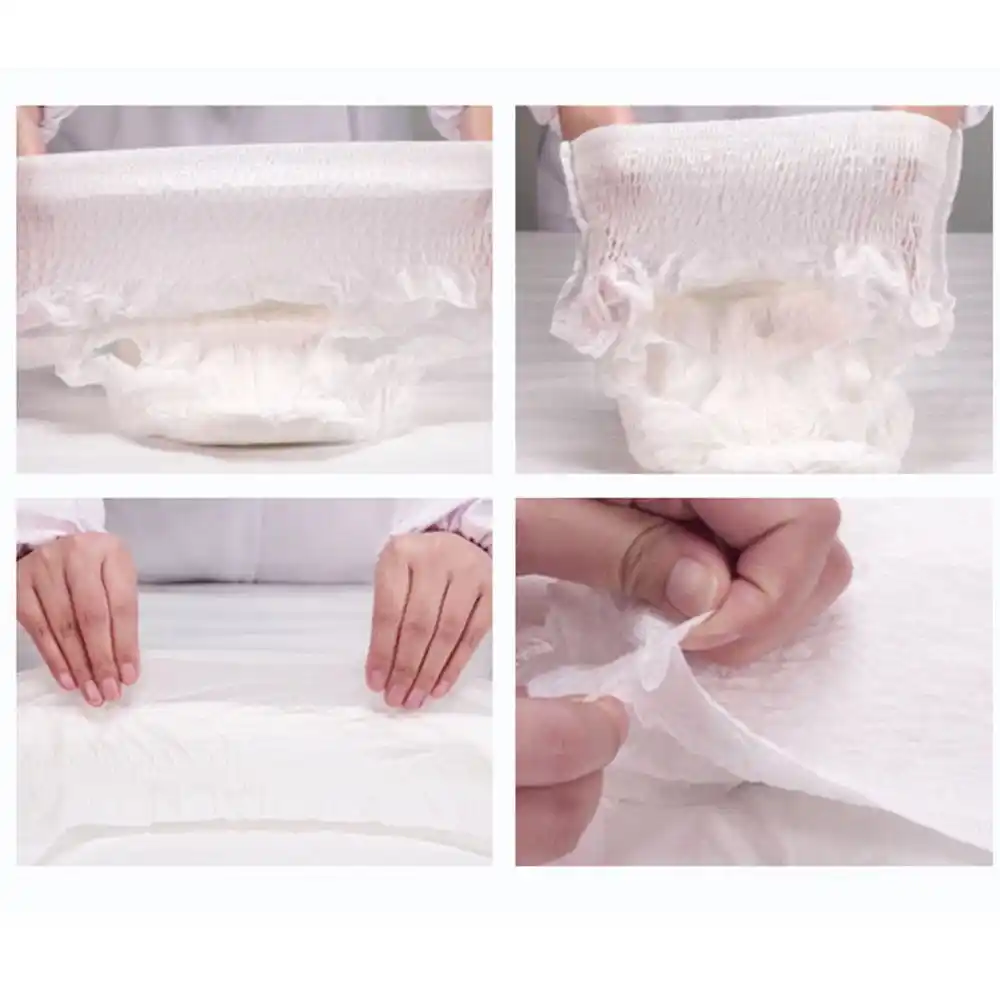
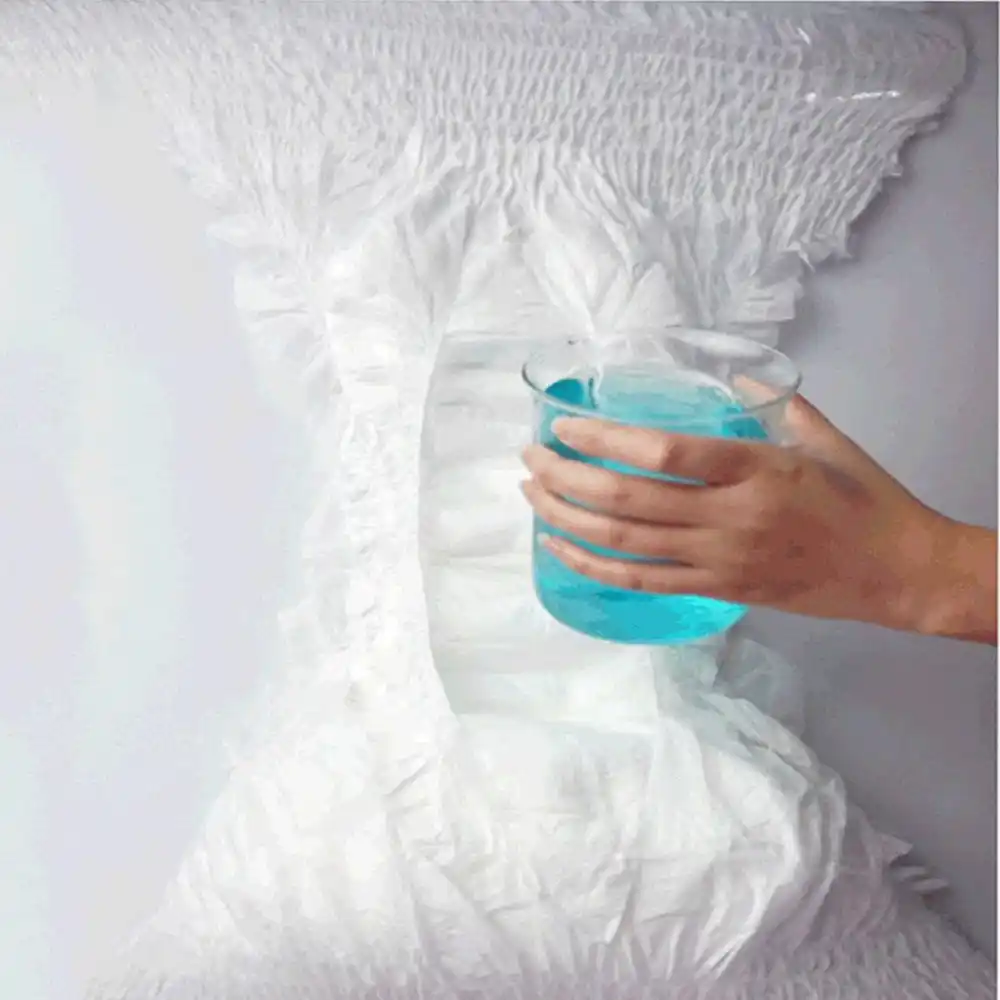
Active Users: Incontinence Underwear Movement Leak Testing for Pull-ups
Leaks happen. Most pull-ups pass the polite, stationary lab checks—then fail the moment you add rotation at the hips, a deep squat, sweaty elastic, and repeated sit-to-stand cycles that pump fluid toward the leg openings and waistband like a piston, not a puddle. So why do brands keep pretending “capacity” equals “performance”?
I’m going to say the quiet part out loud: the incontinence industry loves numbers that look clean on a spec sheet and hates tests that look like real life. “Total capacity” sells. Movement leak testing refunds fewer orders.
And the scale is not small. The NIH’s 2024 Urologic Diseases in America report puts claims-based urinary incontinence prevalence among adults 65+ at roughly 6–8% annually—explicitly flagging that this likely reflects underreporting (patients + providers) rather than low incidence. That gap between “real” and “recorded” becomes your commercial reality: hidden demand, inconsistent purchasing, and messy product expectations.
Meanwhile, urinary urgency and leakage-adjacent symptoms track hard with age and comorbidities. A 2024 NHANES analysis in Scientific Reports estimated overactive bladder prevalence in U.S. men at 14.5% (2015–2020), rising versus earlier periods—again, exactly the type of user who leaks when moving because urgency episodes aren’t scheduled.
Table of Contents
What “active user” really means (in product failure terms)
Active doesn’t mean “runs marathons.” It means:
Independent toileting (pull-down/pull-up cycles stress the waist and cuffs)
Repeated posture transitions (standing → sitting → standing) that shift the core and break seals
Longer wear between changes (commute, shift work, travel)
Higher friction + heat (elastic fatigue is real; so is sweat)
This is why “underwear-style convenience” can be a trap. Even your own catalog basically admits pull-ups are a mobility-first SKU—fine for independence, not always fine for heavy output or unstable fit. The blog post on tab-style briefs for heavy & bedridden care makes the stability argument in plain language: tabs let you tune the leg line and seal when the body shifts.
The test-method problem: ISO 11948-1 vs ABL vs movement
Here’s the hard truth: no single lab method predicts motion leaks. The best you can do is stack methods so each one exposes a different failure mode.
1) ISO 11948-1 (Rothwell): “how much can the core hold… in theory”
ISO 11948-1 (the Rothwell method) is widely used to measure maximum absorption capacity, but it’s notorious for overstating in-use performance because it’s not a dynamic leak simulation. The classic clinical-correlation work is old—but still cited because the industry never replaced it with something better fast enough: PubMed entry on ISO 11948-1 clinical correlation.
2) ABL (Absorbency Before Leakage): closer to “in-use,” but not “in-motion”
EDANA’s ABL method is designed to measure absorption before leakage on a mannequin setup and is explicitly targeted at moderate-to-severe products (briefs/pads) with ABL values roughly 300–1100 g, originally framed around immobile users—not active pull-up wearers. EDANA ABL test method.
So if you’re using ABL numbers to market “best pull-ups for active users,” you’re already bending the context.
3) Movement leak testing: the missing layer brands avoid
Movement leak testing is where you stop worshiping capacity and start measuring seal integrity under motion, rewet, and leak pathway (leg cuff vs waistband vs front).
If you’re sourcing or private labeling, your “movement test” can’t just be a treadmill demo for marketing. It needs:
Post-motion fit drift (did the waist roll? did cuffs fold?)
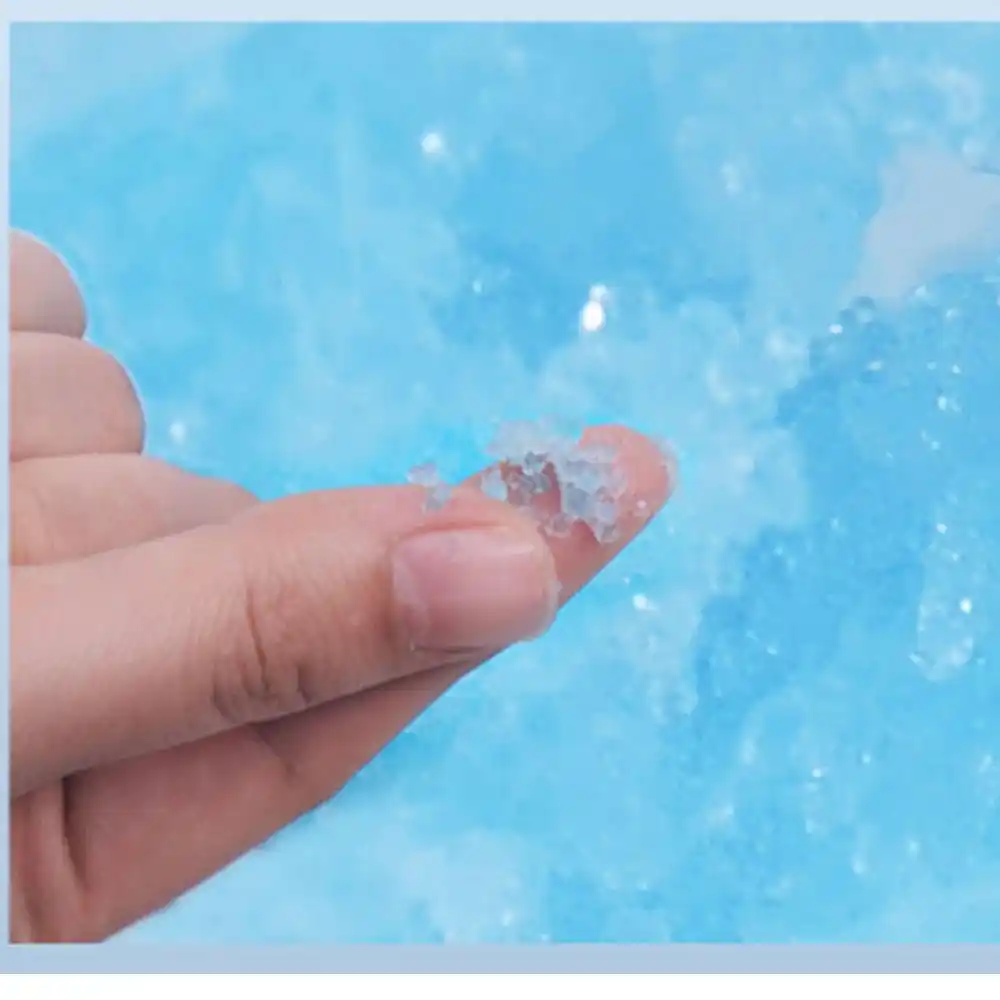
And yes: the absorbent core matters. Most pull-ups are fluff pulp + SAP—often sodium polyacrylate, (C₃H₃NaO₂)ₙ—so the game becomes acquisition speed vs gel blocking vs redistribution. But motion failures are usually geometry + elastic + cut, not “we needed 50 mL more SAP.”
Why this matters legally and commercially (not just technically)
Incontinence products don’t live in a vacuum; coverage rules and procurement pressure shape what gets bought.
A federal class action against Florida’s Medicaid agency over adult incontinence supply coverage is a blunt example of how large this gets when policy lags reality. In Meza et al. v. Marstiller/Weida, the court-approved settlement process involved mailing notice to 122,167 class members/potential class members, and the settlement approval order set specific compliance deadlines (including an attorney fee payment due October 3, 2024).
If you sell “leak protection” into programs like this, movement failures aren’t just annoying—they become cost multipliers: extra changes, laundry, skin breakdown risk, and churn in purchasing.
Practical fixes that actually reduce movement leaks (and what to test)
If you want fewer motion leaks, stop arguing about “capacity” first. Start here:
Leg cuff geometry & elasticity: Cuffs must maintain contact through hip flexion. Deep squats expose lazy elastics fast.
Waistband anchoring: A waistband that rolls creates a gap; gaps become leak channels.
Core placement: Too wide = bunching; too narrow = channeling.
Acquisition/distribution: Slow intake causes pooling, and pooling finds the leg opening during motion.
Fit grading: “M/L” sizing laziness is leak-friendly. You need tighter grade steps for active SKUs.
For product systems, pairing can be smarter than overbuilding one SKU. A well-designed booster insert can extend protection—if it’s flow-through and doesn’t block the diaper’s intake. Your site positions booster pads for adult diapers (extra absorbency) exactly that way: add absorbency, distribute fluid, and allow flow-through to the primary product.
And hygiene isn’t optional in long-wear motion users—skin irritation is a churn driver. If you’re building a full program, pH-balanced alcohol-free adult body wipes fit naturally as the companion SKU.
Movement leak testing: a blunt comparison table
Test / Check
What it really tells you
What it misses
Best use in a pull-up program
ISO 11948-1 (Rothwell)
Max absorption capacity under standardized conditions
What is movement leak testing for incontinence pull-ups? Movement leak testing for incontinence pull-ups is a repeatable evaluation that measures when and where leaks occur during body motion (walking, stairs, sit-to-stand, squats) under timed liquid insults, focusing on seal integrity at leg cuffs and waist and on fit drift, rather than only total absorbent capacity.
It’s the test that punishes sloppy elastics and optimistic sizing. If your protocol doesn’t include posture transitions, it’s not a movement test—it’s a brochure.
What is an Absorbency Before Leakage (ABL) test? An Absorbency Before Leakage (ABL) test is a mannequin-based method that quantifies how much liquid an absorbent incontinence product can take in before it leaks, aiming to approximate “in-use” loading more than simple dunk tests, with EDANA describing typical applicability ranges (about 300–1100 g ABL) for certain product classes.
It’s useful, but don’t pretend it’s a proxy for an active wearer doing stairs in a warm climate.
What is ISO 11948-1 (Rothwell) absorbency testing? ISO 11948-1 (Rothwell) absorbency testing is a standardized laboratory method used to measure the maximum absorption capacity of urine-absorbing aids under controlled conditions, often for comparison across products or materials, but it does not inherently simulate motion-driven seal failures and can mislead if treated as a real-world leak guarantee.
If your “best pull-up” claim rests on Rothwell alone, you’re selling capacity theater.
Do leak guards and leg cuffs actually help during movement? Leak guards and leg cuffs help during movement by maintaining a physical seal that blocks liquid migration toward leg openings when posture changes and shear forces push fluid sideways, but they only work if elastic tension, cuff height, and cuff attachment geometry remain stable through hip flexion and repeated pull-up/pull-down cycles.
Bad cuffs are worse than no cuffs: they fold, channel, and fail loudly.
How do you prevent pull-ups from leaking during movement? Preventing pull-ups from leaking during movement means optimizing fit stability (correct waist/hip sizing, anti-roll waistband), maintaining cuff seal (proper leg elastic tension and guard geometry), and improving fluid acquisition/distribution so urine doesn’t pool and escape at the leg opening during transitions like sitting down or standing up.
Translation: stop upsizing “for comfort” and then acting shocked when gaps leak.
What are “best adult pull-ups for active users” really defined by? “Best adult pull-ups for active users” are defined by consistent leak control under motion—minimal fit drift, strong leg cuff seal through posture changes, fast acquisition without pooling, and predictable performance over repeated on/off cycles—because active use is a mechanical stress test, not a capacity contest.
If a brand won’t disclose how it tests motion leaks, assume it doesn’t.
Conclusion
If you’re building or sourcing an “active user” pull-up line, I’d treat movement leak testing as a procurement gate—not a marketing afterthought. Start with your baseline pull-up spec, add a motion protocol, then iterate cuffs/waist/core placement until leaks move from “during normal life” to “only at abuse conditions.”