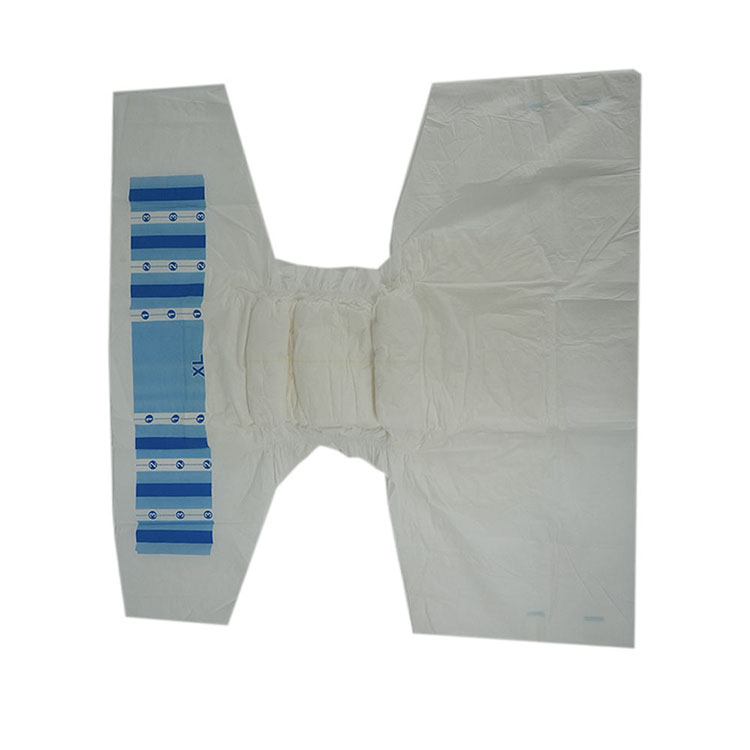
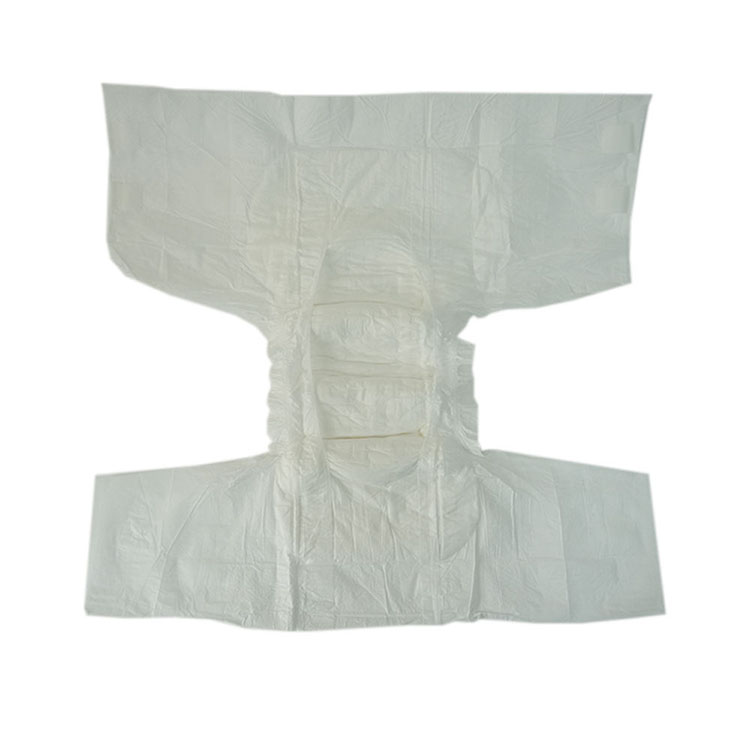
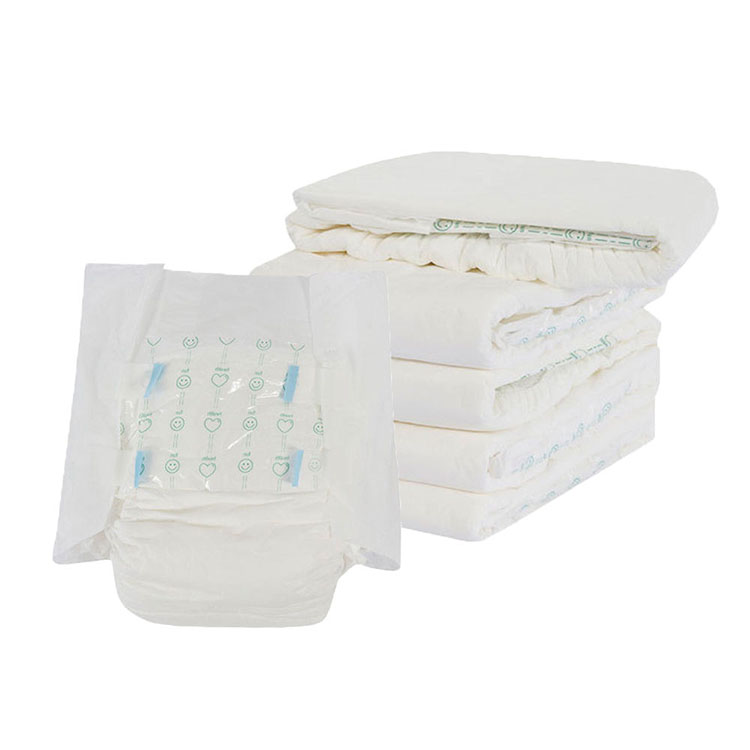
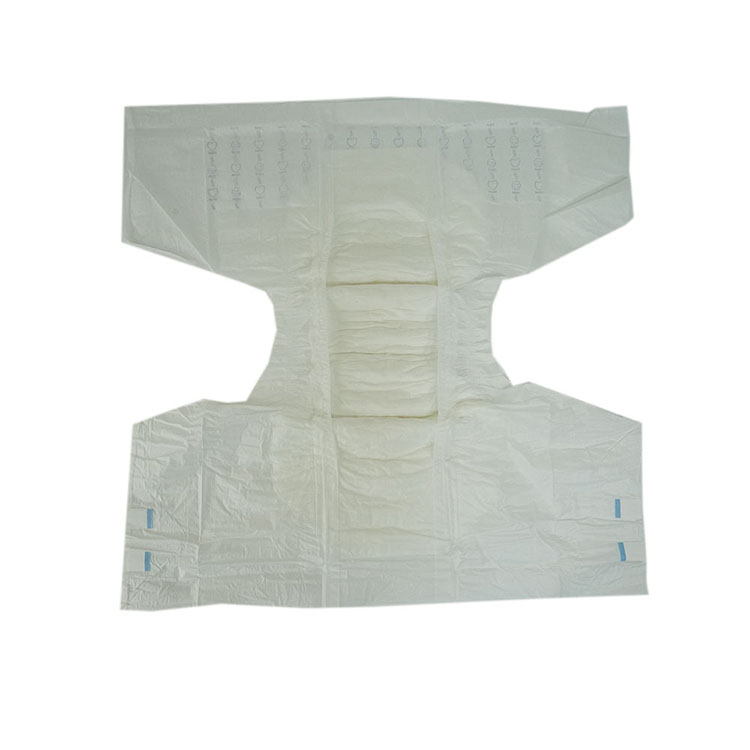
Ultra High Absorbency for ABDL: Core Design Options
Absorbency isn’t magic.
It’s engineering under constraint: you’re trying to pull liquid off skin fast (seconds matter), distribute it across the chassis (centimeters matter), then lock it down under compression (because sitting, sleeping, and shifting are basically “press tests”), all while keeping the product flexible enough to wear and cheap enough to sell.
And here’s the uncomfortable reality: the “ultra-high absorbency” race is getting more intense because the adult side of the category is growing, not shrinking. Reuters reported in July 2024 that Japan’s adult diaper market is projected to grow 16% to 98.9 billion yen by 2027, while the baby market contracts—so manufacturers are following margin and volume, aggressively.
So what do we do with that? We stop buying “thickness.” We buy core architecture.
Table of Contents
The core is a system, not a blob
Three words: speed, spread, hold.
If a product floods on the first void, gels in the strike zone, then pushes wetness back to the surface during sleep, it doesn’t matter what the bag claims—your returns will tell the truth, loudly, and your brand will pay for it later. What’s the point of “most absorbent adult diapers” copy if the first real overnight user proves you wrong?
A good starting point (especially if you source or private label) is to look at how manufacturers describe performance failure modes—gel blocking, channeling, edge leak, re-wet—because that vocabulary maps directly to design choices. Adult-diaper.com even spells out that “SAP distribution,” “gel blocking,” “channeling,” and “edge leak” are common factory terms when underpads (and by extension, cores) go bad. SAP distribution and re-wet failure modes.
Now let’s break down the core design options that actually move the needle for ABDL high-absorbency briefs.
Core design option 1: Fluff + SAP, tuned for intake (not just capacity)
“Fluff pulp vs SAP” is the oldest debate in this industry, and the dumbest version of it is “more SAP = better.” No. Too much SAP in the wrong place swells, blocks flow, and creates localized “gel bricks.” That’s how you get a diaper that tests great in a simple soak, then leaks in real use.
What works:
Higher fluff in the acquisition zone to keep porosity and wick pathways open.
SAP staged deeper (or patterned) so it locks later, not immediately at the surface.
Anti–gel-block distribution (the phrase you’ll hear on factory floors) so the second and third void still move.
If you’re sourcing B2B, skim the spec logic behind “materials and GSM” and insist on consistency across reorders—because nothing burns a brand faster than “same SKU, different core feel.” How OEM quotes hide core changes.
Core design option 2: ADL-led design (fix the flood, then chase capacity)
Short sentence. ADL matters.
The acquisition distribution layer (ADL) sits under the topsheet and exists for one job: grab fluid fast and spread it laterally so the core can use its full area, which is why the best ultra-absorbency builds feel “dry” early even before the core is anywhere near full.
Want the boring, official version? ISO 11948-1 is the internationally recognized whole-product absorption capacity method used for urine-absorbing aids.
But here’s the journalist’s version: ADL is the difference between “premium” and “puffy.” If you’re building an ABDL brief meant to handle repeated voids overnight, a stronger ADL (material choice + basis weight + hydrophilic treatment) is often a better ROI than simply piling on more core.
Core wrap isn’t glamorous. It’s also where sloppy factories get exposed.
A wrapped core (tissue/nonwoven wrap) helps:
keep SAP where it belongs (less migration, less clumping),
stabilize the shape under movement,
reduce “wet clump drift” that leads to edge leaks.
In ABDL, where a “thick printed brief” is often sold on feel and bulk, wrap quality becomes a hidden quality divider. If you’re exploring what defines a premium printed ABDL brief from a factory perspective, adult-diaper.com’s guide basically tells you to stop trusting adjectives and start demanding definitions of “fast” and “dry” in the spec. What defines a premium printed ABDL brief.
Core design option 4: Channel engineering (yes, the grooves are doing real work)
Channels aren’t just aesthetics. They’re flow management.
When engineered properly, channels:
create preferred wicking lanes,
reduce pooling,
help distribute multiple insults across unused core volume.
When engineered poorly, channels create runways to failure—liquid shoots to the perimeter and you get the classic “edge leak” complaint even though the core still has unused capacity. That’s why channels have to be designed with the ADL and SAP placement as a package deal.
Here’s the blunt take: a lot of “super” diapers are just trying to be everything at once. You’ll get better real-world performance by treating absorbency like a modular system—especially for heavy overnight.
A properly designed booster pad:
increases total capacity,
improves distribution if it has embossing/channels,
can be built with a flow-through backsheet so it doesn’t trap liquid and overflow.
That’s not theory; it’s literally how booster pads are positioned in the B2B product spec on adult-diaper.com: a fluff + SAP core, embossed channels, and a flow-through backsheet meant to work with the primary diaper. Booster pads designed to increase total absorbency.
If you want shoppers to stop asking “best adult diapers for overnight,” this is one of the few honest answers: build the system and explain the system.
The part marketers avoid: regulation and “chemical-free” claims are colliding with absorbency
You can’t talk “core design” in 2024 without talking risk.
One of the cleanest legal signals I’ve seen recently is how courts treat PFAS-related marketing claims in diapers: in Saedi v. Coterie Baby, Inc. (S.D.N.Y.), the court criticized the complaint for essentially asking the court to infer PFAS presence without adequately alleging that the purchased diapers tested positive—then granted dismissal in Oct. 2024.
Translation: if you claim “PFAS-free,” you’d better be ready to support it. That pressure pushes brands back to basics—documented materials, stable suppliers, tighter QC—which also improves absorbency consistency over time.
Design options that actually match real users (not fantasies)
The NIDDK’s Urologic Diseases in America: Annual Data Report 2024 estimates claims-based urinary incontinence prevalence among people 65+ at about 6–8% annually (2012–2021), with higher prevalence in women—numbers that scream “underreporting,” not comfort.
That matters because design choices should reflect actual use cases:
“Most absorbent” performance that actually feels dry early
Wrapped core / high-integrity core wrap
Shape stability + SAP containment
Core break-up, SAP migration, edge leaks
Premium ABDL briefs; long-wear scenarios
Channeled core (engineered grooves)
Directed flow + volume utilization
Runaway channeling to leg cuffs
High-output users, overnight rotation sleepers
System approach (brief + booster pad)
Modular capacity + distribution
Booster becomes a dam, overflow leaks
Heavy overnight, travel, care settings
FAQs
How does diaper core technology increase absorbency?
Diaper core technology increases absorbency by combining rapid intake (topsheet + ADL), lateral fluid distribution across usable surface area, and chemical binding in the absorbent core (typically SAP such as sodium polyacrylate, (C₃H₃NaO₂)ₙ) while resisting re-wet under compression. After that first definition, the practical point is this: if intake and spread fail, total capacity doesn’t matter. A “high absorbency adult diaper” that floods will leak early even if it could hold more in a lab soak.
What is SAP in a high absorbency adult diaper?
SAP (superabsorbent polymer) is a cross-linked, hydrophilic polymer—commonly sodium polyacrylate—that swells into a gel and retains liquid, providing the bulk of a diaper’s total hold capacity once fluid reaches the core and contacts the polymer. But SAP placement is the story: too concentrated in the strike zone and you invite gel blocking; staged distribution tends to behave better overnight.
What is an ADL diaper layer and why does it matter?
An ADL (acquisition distribution layer) is a high-wicking layer beneath the topsheet that captures incoming fluid quickly and spreads it laterally so the absorbent core can use more of its surface area before local saturation occurs. If you’re chasing “most absorbent adult diapers,” ADL quality is one of the highest-leverage levers because it reduces early flooding and improves perceived dryness.
Fluff pulp vs SAP absorbent core: which is better for overnight?
Fluff pulp vs SAP isn’t a “which is better” question; it’s a blend-and-placement problem where fluff maintains permeability and wicking pathways while SAP provides retention, and the best overnight cores balance both to prevent gel blocking and re-wet. If you force me to pick a bias: I prefer designs that keep fluff functional in the acquisition zone and reserve SAP for retention deeper in the core.
Are “PFAS-free” claims in diapers legally risky?
“PFAS-free” claims are legally risky when brands can’t substantiate them with defensible testing and traceable materials documentation, because consumer-fraud suits often hinge on whether the allegedly premium claim is measurable and proven for the purchased product. The 2024 Saedi v. Coterie dismissal is a warning flare: courts don’t like inference stacked on inference; they like evidence.
Do booster pads actually work for extra absorbency?
Booster pads work when they add capacity without blocking flow, typically via a high-absorbency fluff + SAP core plus embossing/channels and a flow-through backsheet that allows excess liquid to pass into the primary brief once the pad approaches saturation. Used wrong, they can act like a plug; used right, they’re one of the cheapest upgrades for heavy overnight.
Conclusion
If you’re building (or sourcing) ultra-high absorbency ABDL briefs, stop arguing about “thicker” and start specifying architecture: ADL spec, SAP distribution map, core wrap integrity, and channel design targets. Then price it honestly.