Size Range Planning for ABDL Diapers: Including 2XL/3XL
Sizes lie. Period. I’ve watched “ABDL diaper size guide” pages get written like legal disclaimers—wide ranges, vague promises, and zero mention of tab overlap or rise—because admitting the fit physics would force brands to carry more SKUs, eat more returns, and stop pretending a bigger waist number magically seals a leg cuff at 3XL. So what’s the plan—sell hope in a plastic bag?
Here’s the hard truth I’ll stand on: 2XL/3XL sizing isn’t “extended.” It’s a different product, with different failure modes, and different math.
A lot of people in this industry talk like plus-size is a rounding error. It isn’t.
CDC’s September 2024 NHANES data brief puts U.S. adult obesity at 40.3% (Aug 2021–Aug 2023), with severe obesity at 9.4%—and that’s just BMI, not even the full “bigger bodies” universe that drives 2XL/3XL fit demand.
And if you want a corporate case study that screams “this category grows up fast,” Reuters documented Japanese diaper makers shifting resources into adult diapers, citing research that Japan’s adult diaper market is set to grow 16% to 98.9 billion yen by 2027 while baby diapers shrink.
So yeah—2XL/3XL isn’t “extra.” It’s baseline coverage for a huge slice of real users.
ABDL vs medical: thickness changes fit, not just “feel”
Short sentence. Big consequence.
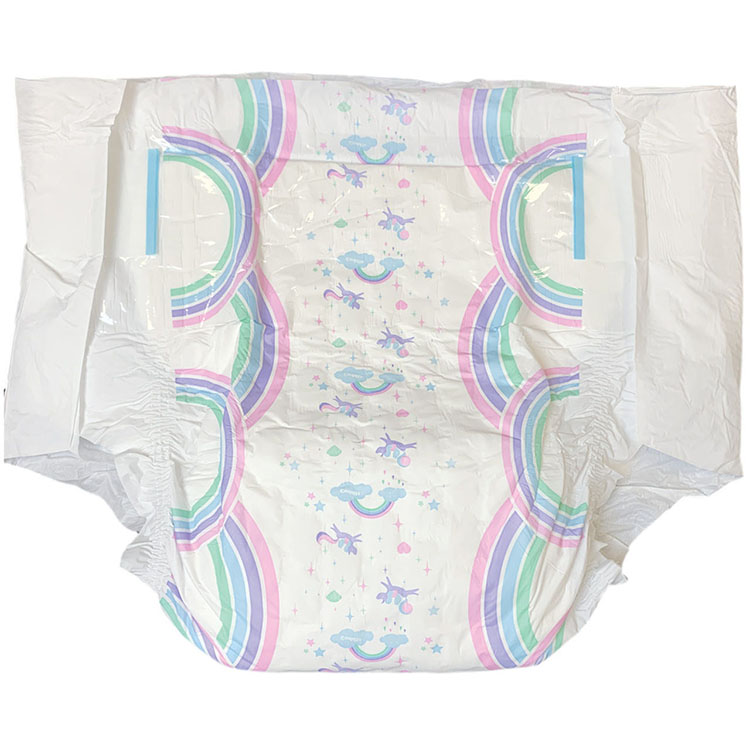
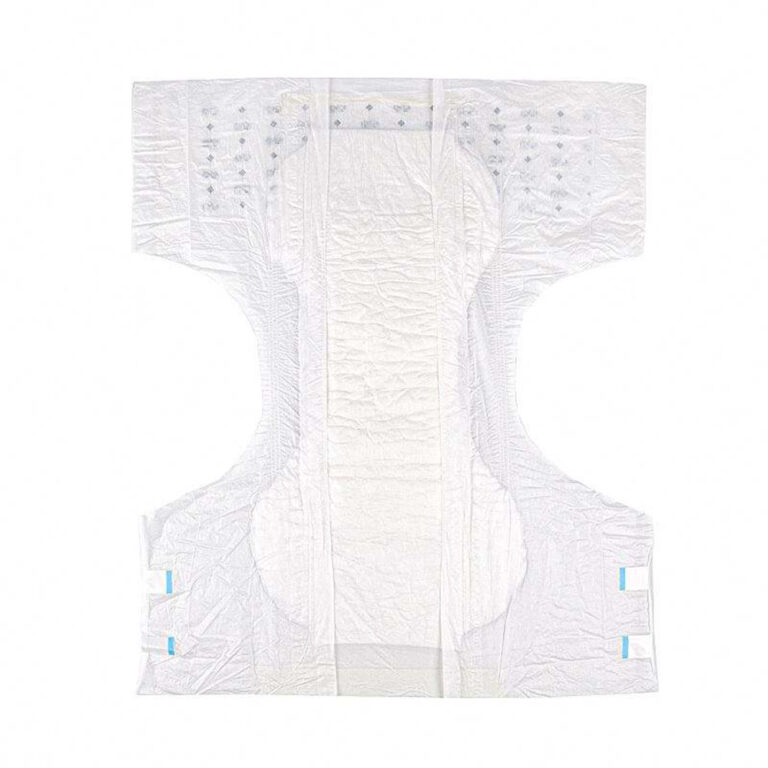
ABDL briefs often run thicker, higher-rise, and more “structured” than clinical briefs because the product is selling a silhouette as much as absorbency. On the manufacturing side, that usually means more fluff pulp + more SAP (superabsorbent polymer, typically sodium polyacrylate, (C₃H₃NaO₂)ₙ), and a core geometry that can fight you at the leg openings if the chassis wasn’t redesigned for bigger thighs and belly-forward shapes.
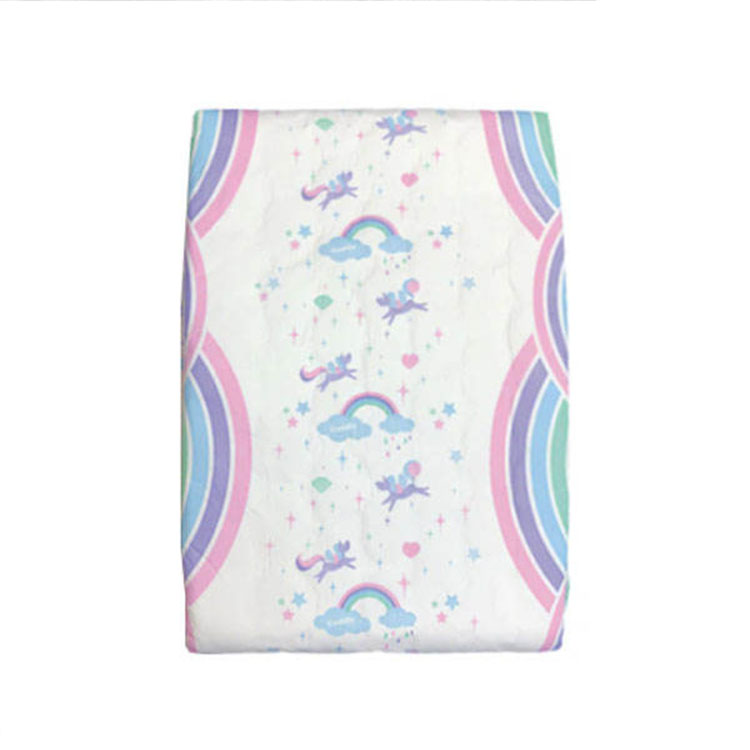
If you’re sourcing from an OEM/ODM channel, you’ll see this spelled out bluntly: ABDL products are positioned as thick, printed briefs with strong refastenable tapes, tall leak guards, and sizing up to 3XL/custom. That’s not marketing fluff—that’s a fit and materials spec.
The measurement method most size charts avoid (because it exposes bad patterns)
People keep asking “What size adult diaper do I need?” and the industry keeps answering with a single waist number. That’s lazy.
Here’s the measuring flow I trust for ABDL diaper sizing and for bariatric/institutional buying:
Natural waist (where your body creases when you bend).
Belly waist (the largest circumference between ribs and hips—this is the one that breaks 2XL/3XL).
Full hip/seat (widest point around butt/hips).
Front-to-back rise (front waist → through crotch → back waist).
Thigh circumference (optional, but it predicts leg gasket issues better than people admit).
If you skip rise, you’re basically guessing whether the core will sit where it needs to when someone sits, sleeps, or uses a wheelchair. And yes, plus-size users sit. They sleep. They move. The product has to survive reality.
What 2XL/3XL planning actually means (the parts that change)
A “plus size ABDL diapers” label does not fix these:
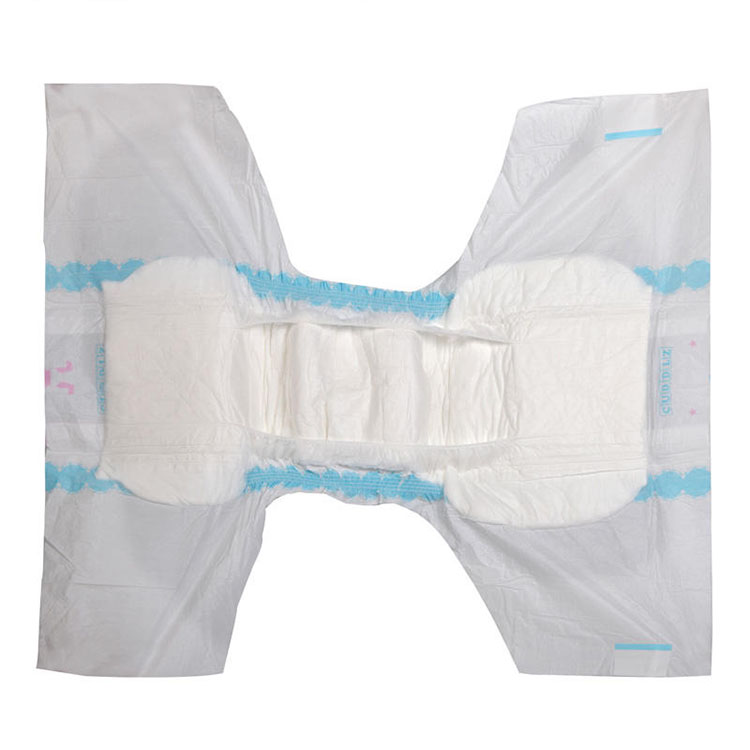
Landing zone length: tabs need more real estate to land without curling.
Tab geometry and peel strength: bigger bodies = higher shear forces when sitting/standing.
Leg cuff angle: thighs don’t scale linearly with waist.
Back coverage: leaks don’t politely stay front-only, especially overnight.
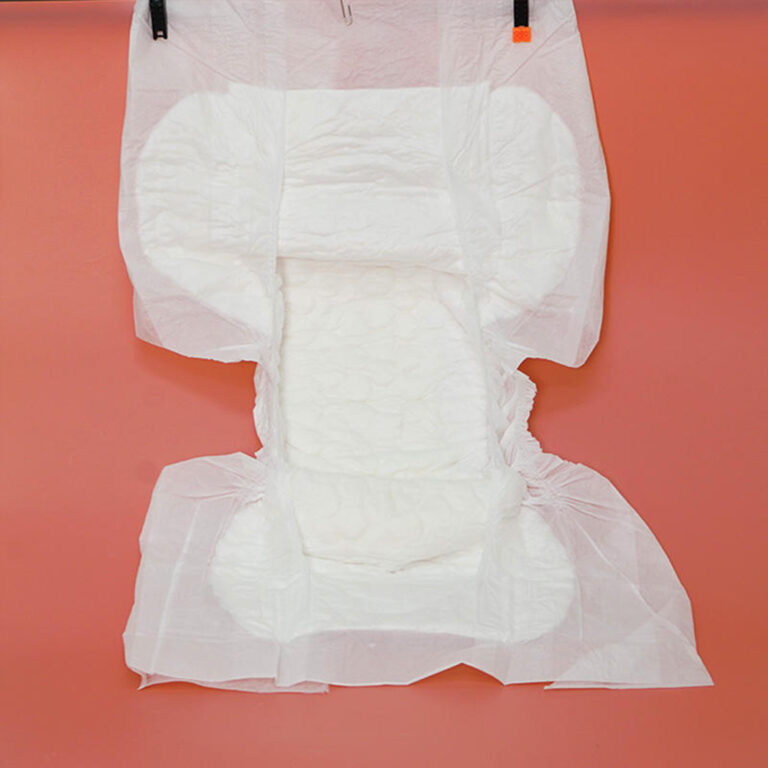
Core placement: if the core sits too far forward at 3XL, you get back leaks; too far back, you get front pooling.
This is why it’s smart to treat 2XL and 3XL as separate fit programs, not just “same chassis, wider wings.”
If you need concrete SKU examples to anchor the conversation, look at how the site separates 2XL adult diapers with tabs versus 3XL adult diapers with tabs—both emphasize flat-open changing, heavy absorbency, high leak guards, and refastenable tabs, but the 3XL page is explicitly framed around very large waists and mobility contexts like bed turning and wheelchair use.
The “adult diaper size chart” you should demand (and the one brands hate publishing)
I don’t trust a chart that only lists “waist range.” Not anymore.
A usable adult diaper size chart should include:
Waist range and hip range
Intended rise (at least “standard” vs “high-rise”)
A tab-overlap window (minimum overlap in inches/cm when properly fastened)
Wear scenario guidance (day vs overnight vs side-sleeper)
Why? Because the “number on the bag” is a merchandising label, not an engineering guarantee.
The failure map: what breaks first at 2XL/3XL
Planning lever
What goes wrong at 2XL/3XL
What to specify (in plain terms)
How to test without fooling yourself
Tab-to-landing geometry
Tabs land too close to the edge; pop-offs; rolling wings
Longer landing zone + wider tabs + refasten cycle tolerance
Stand/sit cycles + re-tape cycles; check peel after motion
Leg cuff / leak guard height
Side leaks during sitting; gasket gaps at inner thigh
Taller standing leak guards + re-angled cuffs
Seated fit checks + “knees up” posture check
Back rise & coverage
Back leaks in bed; “plumber’s crack” exposure
Higher back panel + elastic tuned for belly-forward bodies
Side-sleeper + supine turns; check back pooling
Core placement & channeling
Front pooling or back blowouts; wetness migration
Core centered for the wear posture + channels that spread load
Timed saturation tests in sitting + lying
Breathability vs structure
Skin complaints; heat buildup; louder feel
Choose cloth-like vs plastic-feel intentionally
Extended wear trial + skin comfort feedback loop
Where regulation quietly proves this is “real medical supply,” not just retail
Want a policy datapoint that shows how governments categorize these products? Florida Medicaid’s coverage policy for continence supplies explicitly lists disposable incontinence briefs, diapers, liners/shields/guards/pads, protective underwear/pull-ons, and undergarments as covered for recipients age four and older (with noted exclusions in certain institutional settings).
That matters for ABDL brands for one reason: the supply chain, specs, and documentation norms in medical purchasing tend to leak into the consumer side. Like it or not.
Sizing isn’t only the brief: the “system” approach that reduces 2XL/3XL risk
Bigger sizes often mean higher-volume events, longer wear windows, and higher consequences when something fails. So I look at the full protection stack:
Add capacity without changing the outer SKU: booster pads for adult diapers (flow-through designs can extend overnight performance when the primary brief is already dialed in).
Protect surfaces during fit testing and real life: disposable underpads (beds, chairs, exam tables, travel—this is the unglamorous insurance policy).
And if you’re doing private label or redesigning patterns, stop winging it—use a spec-first workflow and quality documentation expectations like the ones described in OEM/ODM adult diaper manufacturing services (they even spell out production scale, inspection points, and ISO systems). I don’t agree with every factory claim I read, but I agree with the mindset: specs beat vibes.
FAQs
What is ABDL diaper sizing?
ABDL diaper sizing is the process of matching an adult brief’s waist, hip, rise, and tab-overlap window to a wearer’s measurements and movement patterns so the core sits correctly and the leg cuffs seal without digging in, especially in 2XL/3XL where body shape variance is larger. If a brand can’t tell you rise intent and overlap expectations, they’re guessing—and you’ll pay for it in leaks or discomfort.
What size adult diaper do I need?
The right adult diaper size is the smallest size that still gives full front-to-back coverage and a predictable tab-overlap margin on both sides when you stand and sit, because overlap is a better leak predictor than the printed size label, particularly when comparing 2XL adult diapers to 3XL adult diapers. Measure belly waist, not just “pants size.” Then sanity-check overlap.
How do I measure waist/hips for adult diapers?
Measuring waist/hips for adult diapers means recording natural waist, largest belly waist, and fullest hip/seat circumference, plus a front-to-back rise measurement through the crotch, because plus-size fit failures often come from rise and belly-to-seat distribution differences that circumference-only charts ignore today. Do it standing, then re-check seated if you’re buying for overnight or wheelchair use.
Are bariatric adult diapers (2XL–3XL) different from plus-size ABDL diapers?
Bariatric adult diapers (often labeled 2XL–3XL) are briefs engineered for very large waists using longer landing zones, stronger elastic, and higher leak-guard walls, but the label is not standardized across brands, so you must verify the actual size chart, rise, and tab system rather than trusting the word “bariatric.” ABDL models may add thickness and height, which changes where pressure and leaks show up.
How should an adult diaper size chart be written for ABDL brands?
An adult diaper size chart for ABDL brands should publish waist and hip ranges, a minimum tab-overlap window, and the intended wear scenario (day, overnight, side-sleeper), because ABDL briefs often run thicker and higher-rise than medical briefs and that added bulk shifts where leaks begin and how the chassis sits. If you can’t publish overlap, at least publish “fits best when tabs land on the printed zone.”
Conclusion
If you’re selling into 2XL/3XL without a real overlap spec and rise intent, you’re not doing “size inclusivity.” You’re doing returns with extra steps.
Start here: take your current chart, add belly waist + rise + overlap guidance, then validate against a true 3XL body shape set. If you’re sourcing, pull samples from 2XL tab briefs and 3XL tab briefs, test with booster pads for overnight scenarios, and treat the whole thing like a spec program—not a vibe.