Briefs vs Pull-Ups by Channel (Pharmacy/Institution/Ecom)
People argue “briefs vs pull-ups” like it’s a single choice. It’s not. The channel decides the winner.
A pharmacy shopper wants quick and discreet. A nursing home wants faster change-time and fewer leak incidents. An ecom buyer wants something that “looks normal” and won’t get roasted in reviews if sizing runs weird.
So let’s break it down by Pharmacy / Institution / Ecom, then tie it back to OEM/ODM bulk buyers (that’s you, if you’re building a private label or supplying facilities).
Channel logic snapshot (Briefs vs Pull-Ups)
Channel
Best-fit product type
Typical user
What matters most (real KPI)
Why it usually leans this way
Argument source names (no links)
Pharmacy
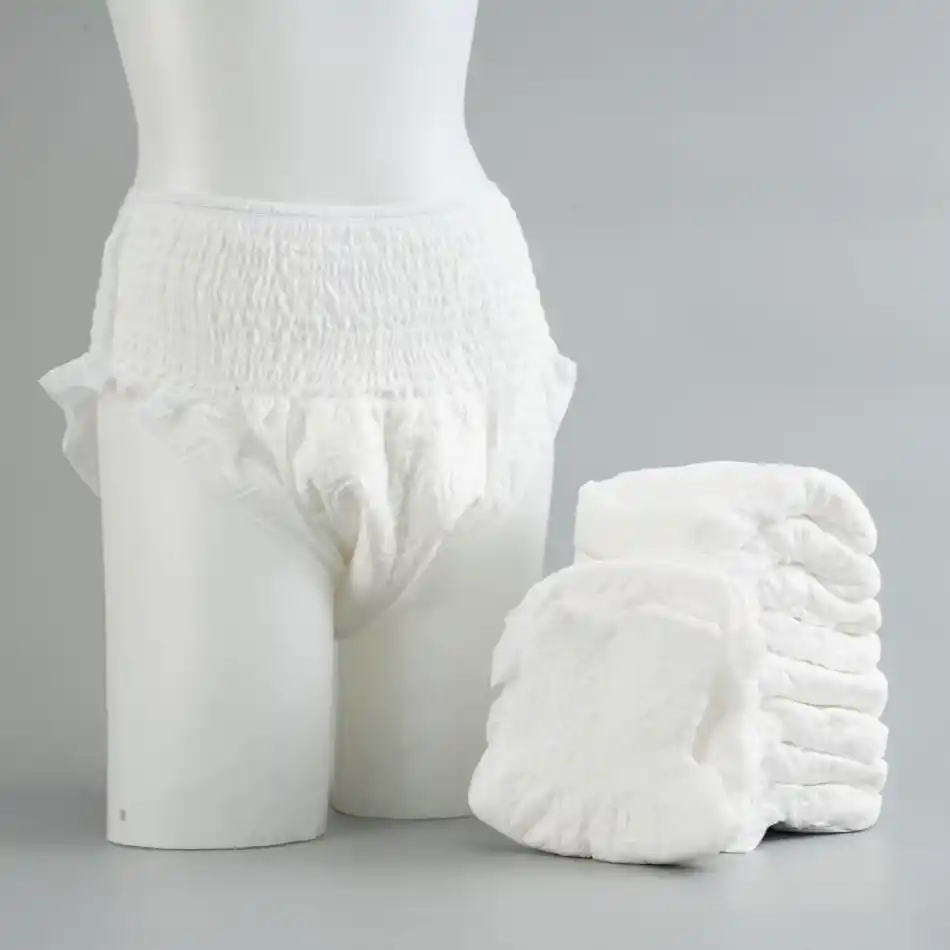
Pull-ups + some tab briefs
Self-buyer, family buyer
shelf clarity, quick decision, “don’t make it awkward”
Pull-ups feel like underwear. Briefs show up when needs get heavier.
Pharmacy channel adult diapers: shelf rules and “buy-it-now” behavior
In pharmacy, the shopper is usually doing one of two things:
“I need something today.”
“I’m not talking to anyone about this, thanks.”
That’s why pull-ups tend to move. They look familiar. They’re easy to understand in 3 seconds.
Argument D: Pharmacy shelves carry both styles, but pull-ups feel simpler
A lot of pharmacies stock pull-ons (incontinence underwear) and tab-style briefs. Still, the faster sell is often the one that needs less explaining. Pull-ups win that fight.
Practical moment: it’s 9:40pm, caregiver runs in, grabs a pack, and leaves. No fitting tutorial. No long aisle time. Pull-up = fewer steps.
If you’re building a private label for this channel, your packaging has to do the talking. Big words. Simple icons. Clear absorbency ladder.
Argument E: Pharmacy skews light-to-mid needs; heavy users migrate elsewhere
Pharmacy demand often leans to light-to-moderate leaks. When the care gets heavier, buyers start hunting for better containment, bigger sizes, and consistent reorders. That’s when you see tab briefs show up more, plus add-ons like pads and wipes.
B2B “black talk” here: planogram fit, shelf navigation, and “don’t confuse the buyer.” One messy SKU lineup will kill velocity. Like… dead.
Institution channel adult diapers with tabs: caregiver workflow and risk control
Institutions don’t buy vibes. They buy outcomes.
In a nursing home or hospital, one bad product choice turns into a whole ugly loop: leakage → linen change → skin issue → incident note → family complaint. Nobody wants that.
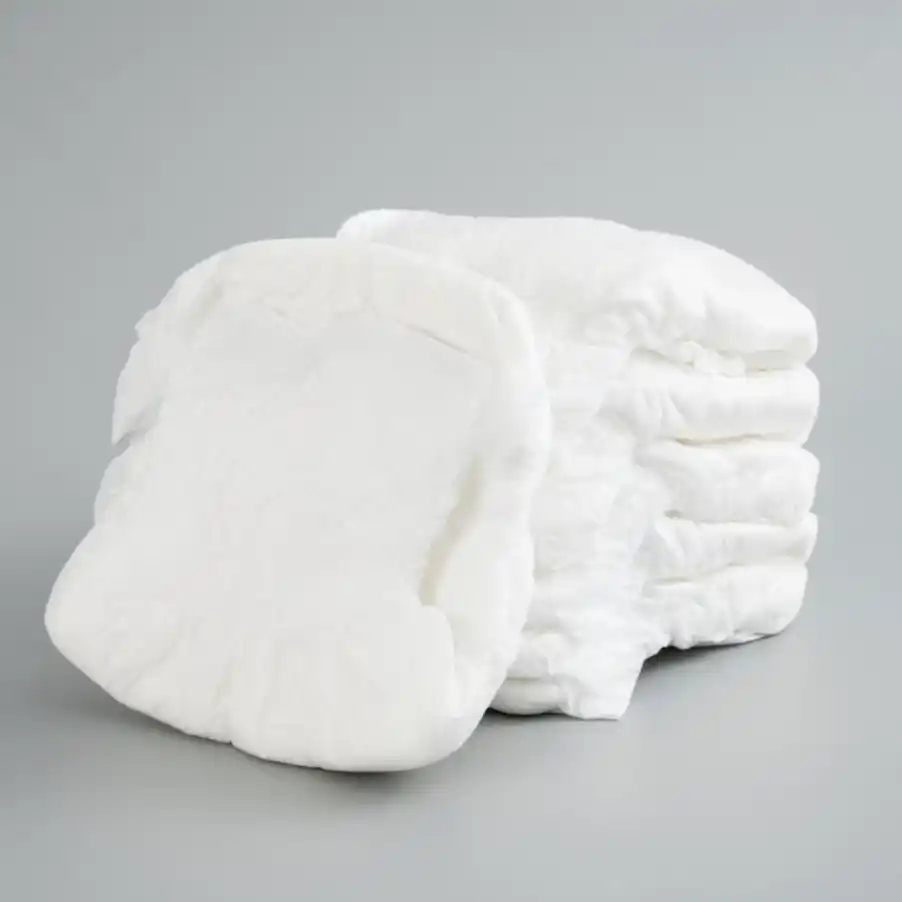
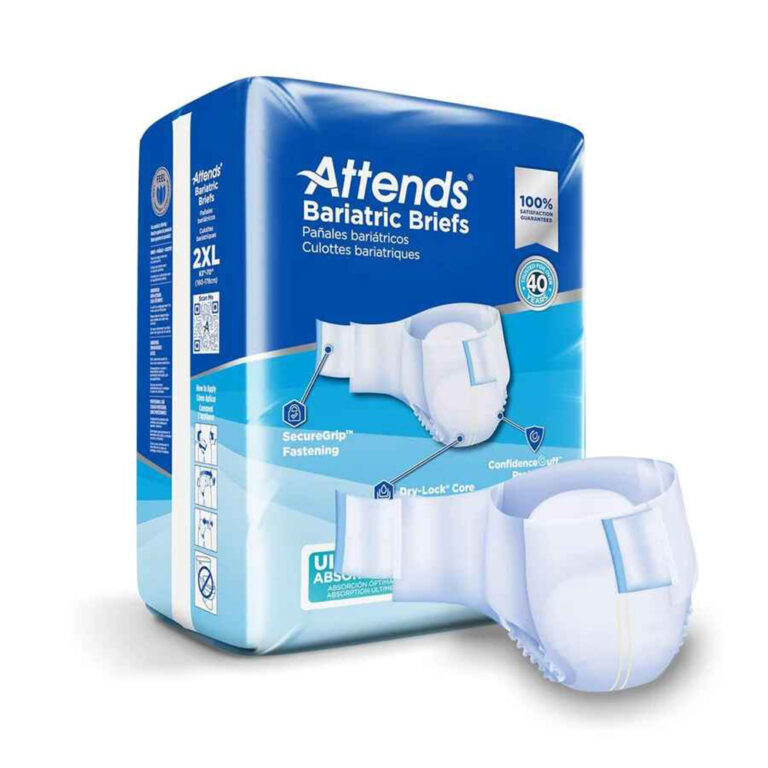
So the channel defaults to what works when the user can’t stand or needs frequent checks: tab briefs.
Argument A: Briefs fit caregiver-assisted use
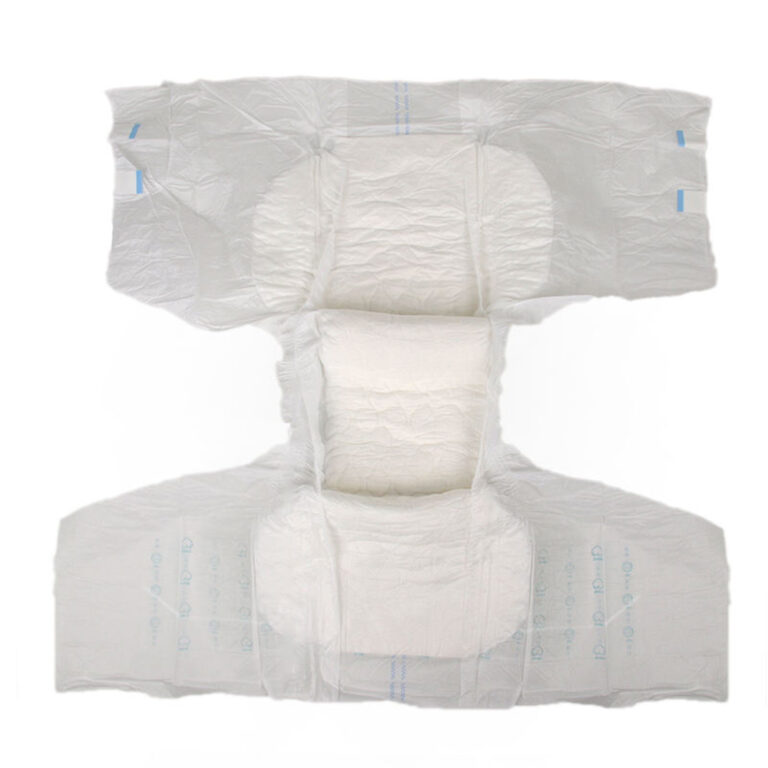
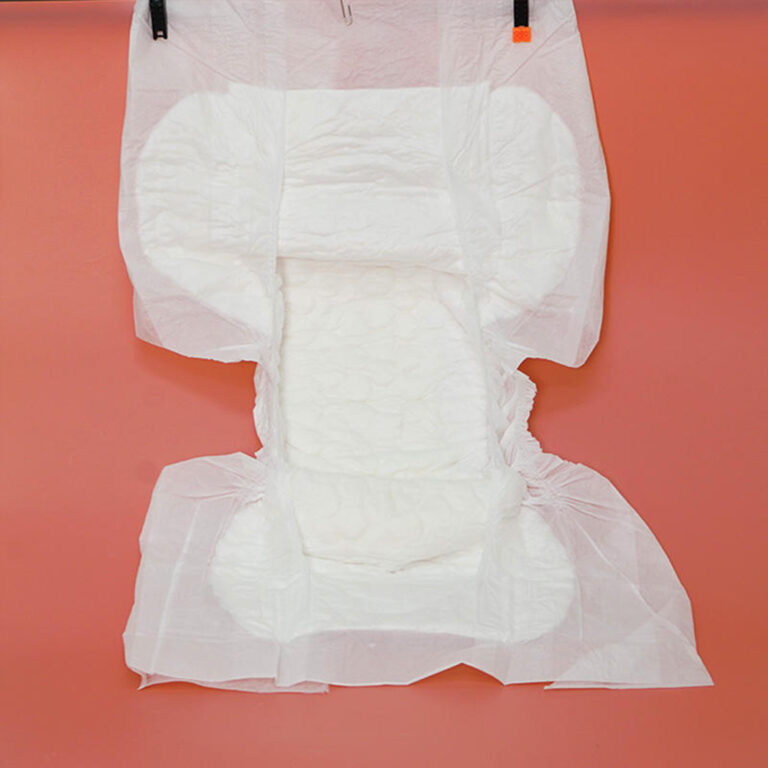
A tab brief opens flat. A caregiver can apply it lying down, sitting, or wheelchair. That’s the core advantage.
If you’ve ever watched a 2 a.m. change, you already know. Pull-ups can become a two-person job. Tabs keep it one-person most of time.
Argument B: Briefs change faster in-bed and handle bowel care cleaner
This is blunt, but true: bowel incontinence is not the moment for “looks like underwear.”
Tabs let you open the sides and contain mess. You don’t have to drag a pull-up down both legs while trying to keep everything under control. Less spread, less stress, less time.
(And yes, that time is a KPI. Facilities track this stuff even if they don’t call it KPI.)
Argument C: Institutions optimize for heavy absorbency + overnight stability
Overnight is where leaks go to start drama.
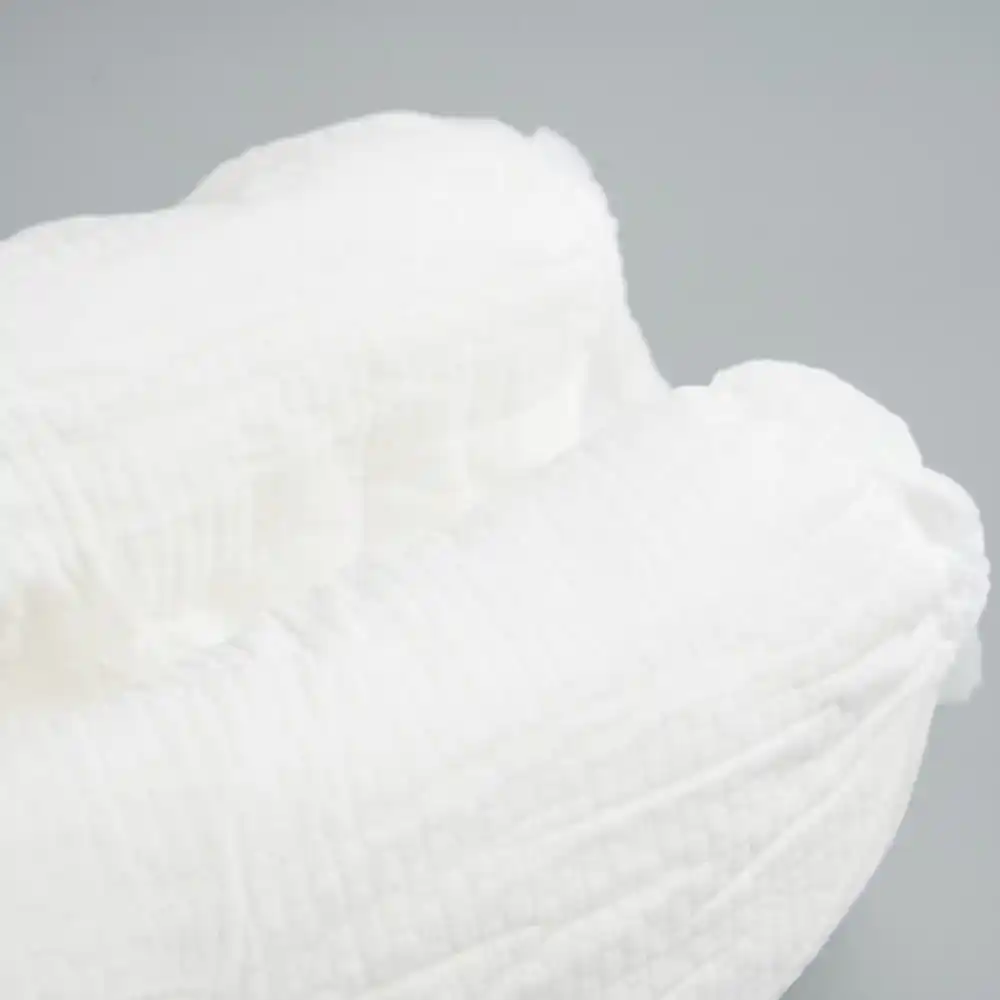
Heavy core matters. Seal matters more. A brief with good leg cuffs and tall guards holds position better during turns and repositioning. Pull-ups can do fine for some users, but when output spikes and mobility drops, tabs tends to win.
If you want the “no surprises” setup, pair briefs with bed protection. Underpads reduce the full-reset moments:
Ecommerce incontinence underwear: privacy, reviews, and returns
Ecom has one superpower: people buy what they’re shy to buy in-store. Simple.
So pull-ups do well online because they feel like regular underwear and photograph better. But ecom also punishes products hard when they leak, smell, or size wrong. Reviews can wreck you in a week.
Argument F: Ecommerce growth makes “reviews” a real decision driver
Ecom shoppers read. A lot. They compare absorbency claims, waist ranges, and how noisy the backsheet is. They care about discreet shipping too, obviously.
This means your product page and your actual performance must match. If not, returns and 1-star hits come fast.
Argument G: Pull-ups stay popular even for moderate-to-heavy needs
A strong pull-up build can work well for many users, especially those who are mobile and toilet independently. That’s why pull-up underwear stays a hot SKU online.
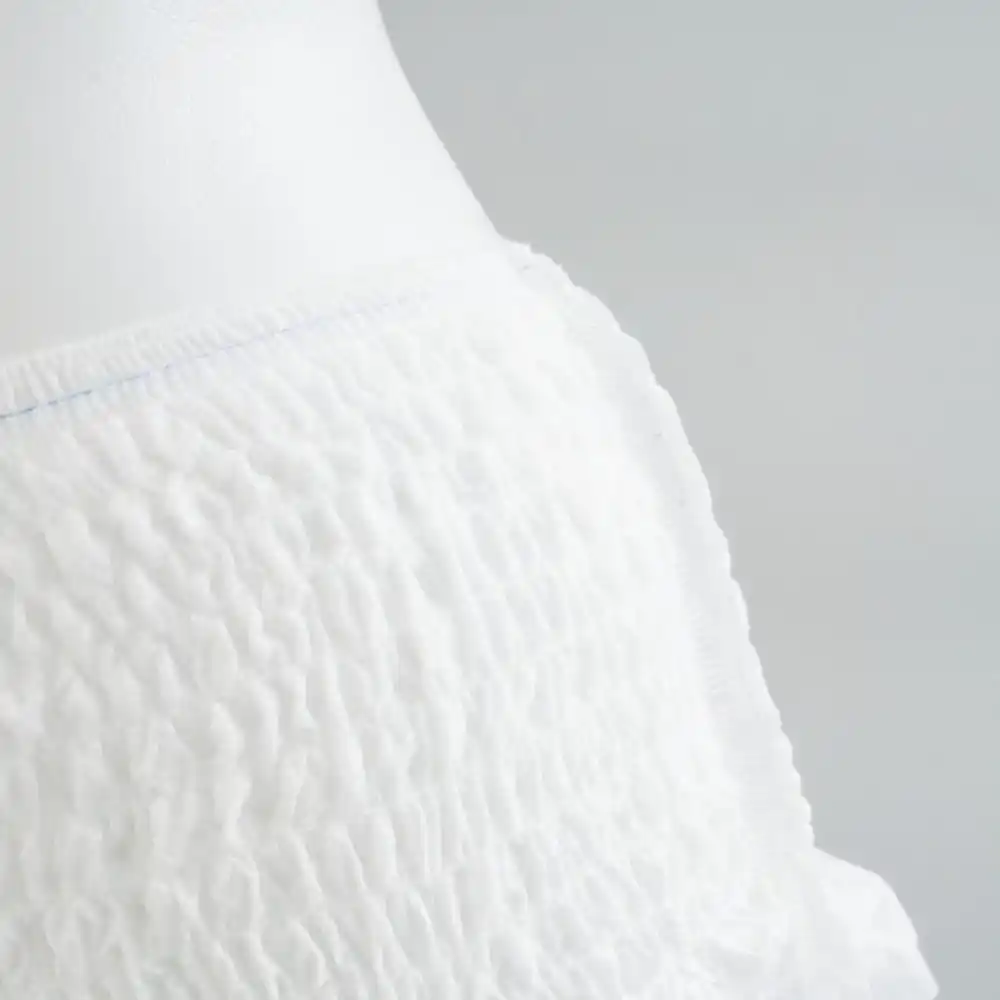
If you’re sourcing for an ecom brand, a solid base product is bladder control underwear pull-up. It’s the SKU that converts when the buyer wants “underwear feel” but still needs real protection.
Argument H: Ecommerce rewards discreet delivery and easy replenishment
Subscriptions, reorder reminders, “ship it again.” That’s the ecom flywheel.
But you only get that flywheel if leakage complaints stay low and sizing is consistent. Otherwise your CAC goes up, and it get ugly.
One more thing: many ecom brands quietly add companion items to lift AOV and reduce complaints—pads, wipes, underpads. Like a “care kit” without calling it that.
LOVINHUG (the manufacturing team behind Adult-Diaper.com) focuses on custom + bulk + OEM/ODM, not random single-pack retail. You get factory-direct workflow, ISO & FDA positioning, flexible MOQ, fast sample-to-bulk lead times, and private-label packaging options. That’s the stuff B2B buyers actually need.
If you want the “institution-ready” lineup, start with: