Men’s vs Women’s Incontinence Products: Should Brands Establish Separate Lines?
The Actual Inquiry Is Not Gender. It Is Leakage Business economics.
Below’s the split.
Brands ought to establish separate men’s vs females’s incontinence items just when the absorptive target area, fit design, package pledge, issue price, and reorder behavior verify that a solitary unisex style is leaving cash on the table. Or else, what are we really selling?
A shade modification?
I’ll claim the silent component first: the incontinence items sector has a poor habit of perplexing “division” with “SKU inflation.” A guys’s pack gets navy blue graphics. A ladies’s pack obtains lavender. The core remains practically the same. The leg cuff remains similar. The SAP circulation hardly alters. After that the brand name team acts amazed when Amazon evaluates mention leakages, drooping, heat, or “feels like a baby diaper.”
That is not item growth. That is shelf cinema.
Yet there is also a severe disagreement for separate lines. Male and female users often leak in various zones. Their convenience expectations vary. Their retail embarassment activates differ. Their caregivers may get in different ways. And in a classification where repeat purchase decides the whole service, a 3% improvement in repurchase can matter greater than a flashy launch project.
The serious brand names should not ask, “Should we make men’s and females’s incontinence products?” They should ask, “Where does gender-specific design decrease failure?”
Table of Contents
The Information Says the marketplace Is As Well Huge for Lazy Style
Urinary incontinence is not a particular niche humiliation trouble. According to the NCBI Shelf urinary system incontinence review, roughly 423 million people aged 20 or older worldwide experience some kind of urinary system incontinence; women report urinary incontinence at regarding 24% to 45%, while older men report it at concerning 11% to 34%.
That space matters, yet it does not indicate “make everything female-first.” It means the product portfolio need to confess 2 realities at once: females are more probable to report leakage, and males continue to be severely underserved, particularly when the item looks, seems, and racks like a ladies’s hygiene product.
A 2025 CDC-published research study from the surge FOR health and wellness mate accumulated information from May 2022 with December 2023 among grown-up women in the United States and located that ladies with several persistent problems reported even worse bladder wellness than women with no or one persistent problem. That does not provide brands approval to make vague “for her” claims. It provides a factor to build much better absorbency, skin comfort, and fit systems for real usage cases. The CDC bladder health research is a suggestion that bladder leakage is tied to aging, health condition, wheelchair, BMI, and persistent illness burden– not just gendered packaging.
And the money is moving. Reuters reported in July 2024 that Japanese producers are shifting sources toward adult diapers as births fall and the population ages; Daio Paper said adult baby diaper income was already dual its infant diaper revenue, while Japan’s grown-up baby diaper market was projected to grow 16% to ¥ 98.9 billion by 2027. Reuters’ Japan adult diaper market report ought to frighten any brand still treating adult urinary incontinence as a dirty pharmacy aisle.
So indeed, there is space for guys’s incontinence items. There is space for women’s incontinence items. There is still area for unisex incontinence items. However the champions will not be the brands with the most SKUs. They will certainly be the ones that understand when anatomy alters the product.
Where Separate Guy’s and Female’s Lines Really Make Sense
Allow’s stop claiming all leak behaves the same.
Men usually require front-loaded absorbency. That indicates the procurement layer, SAP concentration, and core surge must be biased toward the front panel, specifically for dribble, post-prostate surgical treatment leak, desire leak, and standing use. A males’s guard or male-oriented pull-up need to not merely be a smaller adult diaper with manly colors.
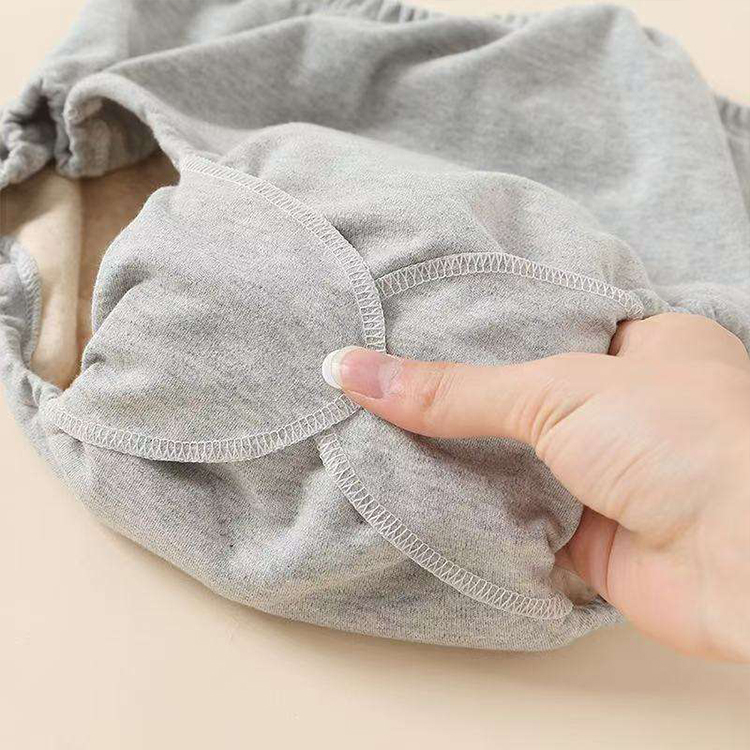
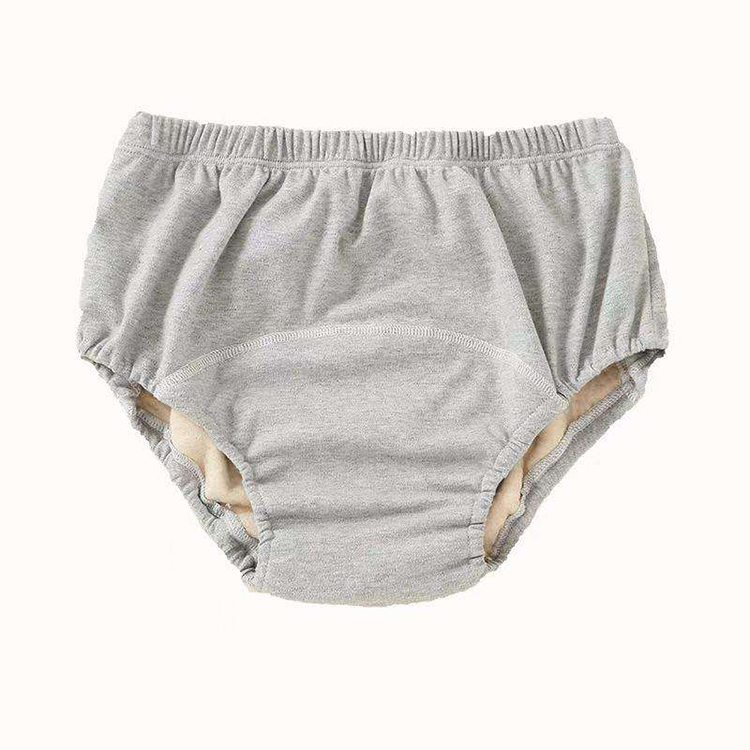
Ladies usually require central-to-lower absorbency, softer leg openings, wider gusset logic, and accounts that really feel closer to underwear or hygienic security. Postpartum users, menopausal users, and energetic women with stress incontinence might turn down bulky grown-up baby diapers also when the absorbency is practically strong.
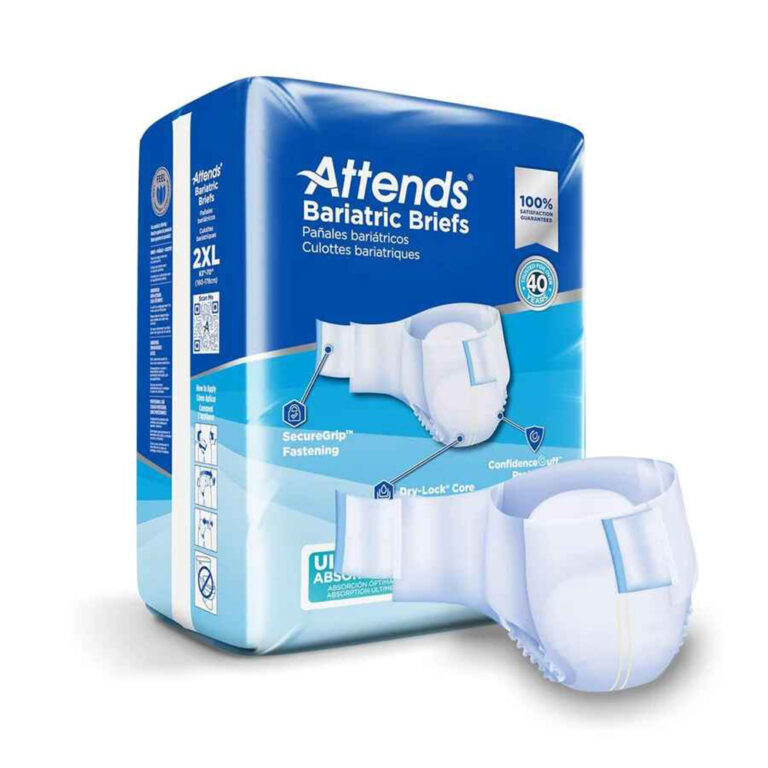
If the “guys’s” page and the “females’s” web page both push the exact same XL, 2XL, and 3XL tab-style briefs, the brand is informing Google and buyers a combined story. Tab briefs are frequently function-led: absorbency, caretaker accessibility, over night defense, bariatric fit, and side leak control. Gender might matter less there. Pull-ups, guards, pads, and disposable undergarments are where gender can carry real style weight.
The Hard Reality Concerning Pink Tax Obligation Threat
Below is where brands get sloppy.
If a females’s urinary incontinence item costs greater than the men’s version but the core, product weight, absorbency ability, product packaging count, and production time are essentially the very same, regulators and consumers may smell an issue. The united state GAO found in 2018 that balance list prices were substantially greater for females’s products in 5 of 10 personal-care categories it reviewed, although guys’s variations were higher in two classifications and the firm could not totally isolate bias from price, advertising and marketing, and need elements. The GAO gender-related price record must be required reading for any kind of health brand manager building gendered SKUs.
California went further. Its abdominal muscle 1287 regulations, highlighted by the California Division of Justice in 2024, ban billing various rates for significantly comparable items based upon the sex of the product’s target audience; the DOJ also keeps in mind that legitimate rate distinctions may exist when they come from labor, materials, producing trouble, or comparable gender-neutral factors. California DOJ’s Pink Tax obligation customer alert matters due to the fact that senior and home health care items are particularly component of the more comprehensive pink-tax conversation.
That indicates brands require a paper trail. Not feelings. Not “women consumers choose costs gentleness.” Real documents.
A defensible women’s urinary incontinence undergarments line could use a various absorbent-core form, softer leg elastics, a thinner acquisition-distribution layer, various side-seam tear toughness, or a different bundle count. A defensible males’s incontinence item may use a male guard form, front-zone SAP targeting, darker shell color, and odor-control positioning for work environment confidence.
Exact same item, different shade, greater cost? I would certainly not sign off on it.
Comparison Table: Unisex vs Men’s vs Women’s Incontinence Products
Product Approach
Best Usage Situation
Design Focus
Industrial Advantage
Main Danger
Unisex incontinence items
Adult diapers with tabs, overnight briefs, institutional care, bariatric dimensions
Broad midsection range, high absorbency, caregiver-friendly tabs, leak guards
Reduced SKU concern, less complicated supply, cleaner purchase
Weak retail identity; may really feel impersonal
Male’s urinary incontinence products
Male guards, pull-ups, post-prostate leakage, energetic daytime users
Front-loaded absorbency, secure bag location, darker colors, very discreet pack language
Underserved buyer sector; better repeat purchase if preconception goes down
Excessive “masculine” branding can really feel patronizing
Female’s incontinence items
Pads, pull-ups, cleanable undergarments, postpartum or anxiety leakage
Central absorbency, soft leg openings, slim profile, underwear-like feeling
Larger reported individual base; simpler rack adjacency near feminine care
Pink-tax direct exposure if prices lacks price basis
Hybrid architecture
Shared framework with gendered core positioning or product packaging
One base system, customized SAP zone, waistband, gusset, or print
Lower tooling expense than completely separate lines
Can become fake differentiation if specifications are unreal
The best incontinence items for males and females are not always separate. Sometimes the best layout is a shared framework with different core positioning. Sometimes it is one unisex adult diaper plus gender-specific pads and pull-ups. And in some cases the proper response is harsh: kill the gender split and repair the fit.
The Product Design Examination Brands Must Run Before Launch
A brand needs to not launch separate lines till it can answer five uncomfortable concerns.
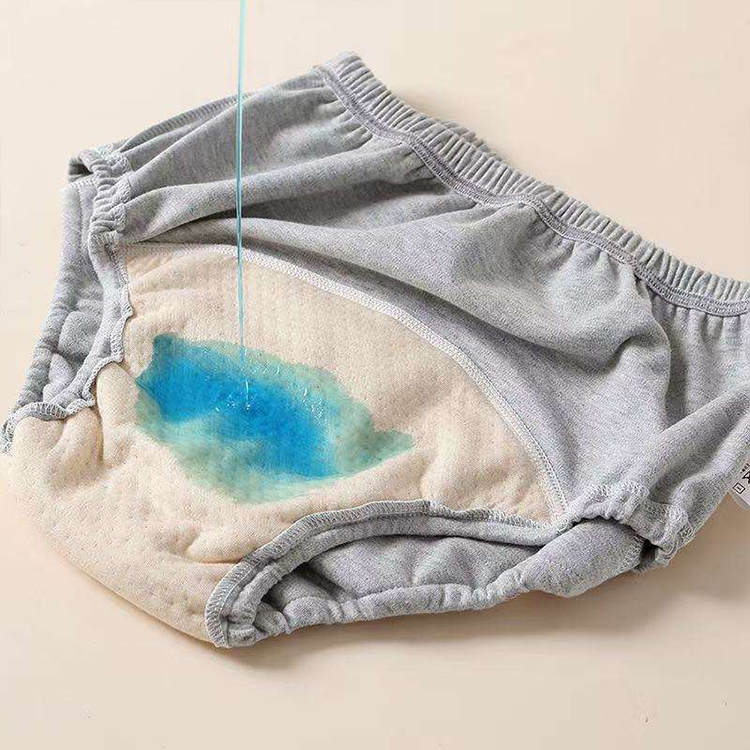
Initially, where is the liquid in fact hitting the item? Front panel, center core, side edge, back, or leg opening?
Second, does the existing unisex product fail in different ways for male and female customers? If males complain about front leakages and ladies complain concerning bulk or leg voids, separate layout might be justified. If everybody grumbles concerning rewet, the problem is the core, not sex.
Third, can the manufacturing facility hold repeatable specifications? Adult diaper purchasers should request for absorption, rewet, leakage, breathability, microbial or hygiene testing, and lot-based QC evidence before scaling. The website’s adult baby diaper examination reports and accreditation assistance page properly structures this as a procurement issue, not an advertising afterthought.
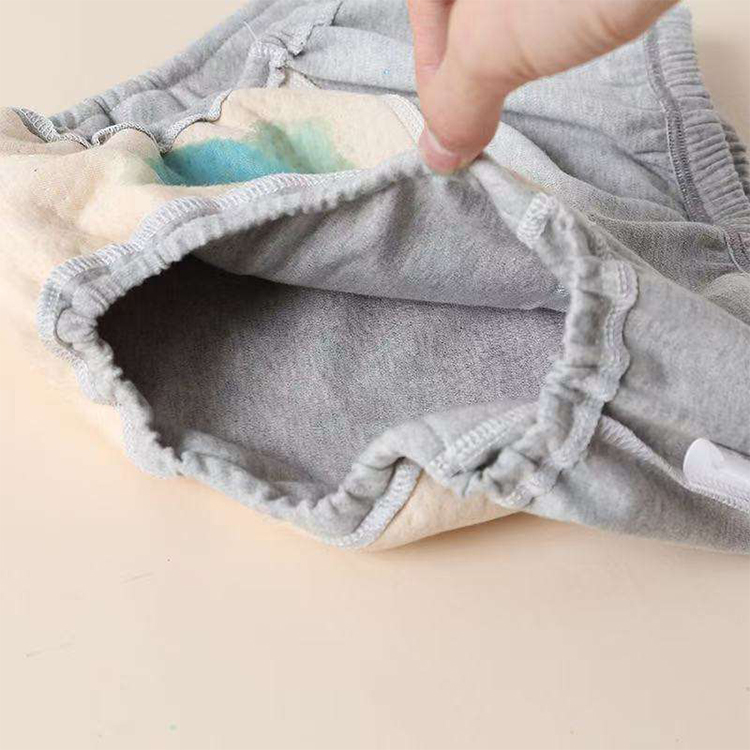
4th, can the OEM partner readjust products without ravaging cost? An actual gender-specific line might call for SAP distribution changes, fluff pulp weight adjustments, hydrophilic nonwoven modification, PE breathable film selections, flexible stress adjustments, and brand-new product packaging. The chemistry is not glamorous: salt polyacrylate, typically represented as (C3H3NaO2)n, does the hefty lifting in several absorbent cores. But placement matters as long as amount.
Fifth, will retail and shopping buyers endure the SKU matter? A guys’s light absorbency pull-up, men’s moderate pull-up, ladies’s slim underclothing, females’s overnight undergarments, tab-style adult baby diapers, booster-style incontinence pads, underpads, and wipes can promptly become a stockroom headache.
This is why OEM self-control matters. A provider offering OEM/ODM grown-up diaper manufacturing with recorded line setups, example timing, bulk lead-time assumptions, QC checkpoints, and multilingual product packaging support provides a brand name a better opportunity of dividing lines without wreaking havoc.
The Brand Method I Would Really Suggest
I would certainly not build two total mirrored profiles. That is the careless route.
Tab-style adult baby diapers, overnight briefs, bariatric sizes, and caregiver-change products must usually stay function-led. The purchaser wants absorbency, tape strength, side leak control, breathable backsheets, and skin dry skin. Gender-specific product packaging might aid in retail, however the item itself frequently does not need a full split.
This is especially real in health centers, taking care of homes, home care, and representative networks. Procurement teams respect situation count, issue rate, carton marking, ISO 13485 evidence, and problem reduction. They are not asking for lavender.
Layer 2: Make Pull-Ups Gender-Sensitive
This is where gender-specific incontinence undergarments makes its maintain.
Pull-ups are intimate. Customers evaluate them like undergarments, not medical products. Fit, rise, waistband pressure, side seams, rustling sound, shade, and shape all affect repeat purchase. Men’s pull-ups must resolve front leakage and preconception. Women’s pull-ups need to resolve mass, softness, leg fit, and central leakage.
A shared manufacturing system can still function, however the absorptive zoning should not be identical. If it equals, do not act it is a different product.
Layer 3: Make Pads and Guards Highly Particular
Pads and guards should be the sharpest gender split. Male guards are not ladies’s pads with a darker wrapper. Female’s bladder control pads are not menstrual pads with a new name. The fluid quantity, speed, smell account, body placement, adhesive actions, and user expectations differ.
This is where brands can win search intent too. “Men’s urinary incontinence guards,” “women’s bladder leakage pads,” “gender-specific urinary incontinence undergarments,” and “how are males’s and women’s urinary incontinence products various” all are entitled to particular touchdown content, not one recycled web page.
What Google Will Compensate Below
Google does not need one more soft-focus article saying “select what feels comfy.” That material is anywhere.
For this H1, the page must show proficiency via specifics: front-loaded absorbency, main absorbency, SAP circulation, rewet testing, leakage guards, postpartum leakage, prostate-related leak, tension urinary incontinence, urge incontinence, mixed incontinence, tab-style briefs, pull-up underwear, booster pads, and OEM/ODM recognition.
And of course, brand names need to discuss unisex urinary incontinence items also. The purchaser who looks “grown-up baby diapers for men and women” may be a caregiver, supplier, or nursing-home procurement lead. They might not want gendered retail packs. They may desire a trusted high-absorbency brief that functions across individuals.
FAQs
Should brand names create separate men’s and ladies’s incontinence items?
Brand names ought to develop different men’s and ladies’s incontinence products when individual composition, leak area, fit data, retail positioning, and complaint prices show that a shared unisex style produces avoidable leakages, pain, weak self-confidence, or reduced repeat purchase across one group, and when the margin sustains copied screening, product packaging, and supply.
If the only distinction is color, the brand name should stop. Different lines should be gained by quantifiable distinctions in absorptive positioning, garment shape, sizing, product feel, or purchaser behavior.
How are guys’s and ladies’s urinary incontinence products various?
Men’s and females’s urinary incontinence products vary mainly in absorbent-zone positioning, increase, gusset geometry, leg elastic tension, pad shape, shade language, and retail messaging, because male leak commonly concentrates towards the front while lots of female users require central or wider lower-core coverage with a slimmer underwear-like account.
The best men’s urinary incontinence items frequently resolve front leaks and stigma. The most effective women’s urinary incontinence products often address bulk, softness, and fit around the leg opening.
Are unisex incontinence items still worth offering?
Unisex urinary incontinence products deserve offering when the product is a tab-style quick, institutional SKU, high-absorbency over night thing, bariatric product, or mass channel thing where fit variety, caretaker handling, case economics, and procurement simplicity matter more than gendered rack signaling for purchasers and end customers.
In ordinary language: unisex still functions when function beats identification. Many adult baby diapers with tabs ought to stay unisex unless complaint data shows otherwise.
Do gender-specific incontinence items create pink-tax risk?
Gender-specific incontinence products can develop pink-tax risk when women’s and guys’s variations are significantly similar however priced differently without defensible price differences in materials, labor, manufacturing problem, packaging, logistics, screening, or validated efficiency specifications, especially in jurisdictions that scrutinize gender-targeted durable goods.
Brands ought to maintain technical documents. If the ladies’s variation costs much more, the data ought to reveal why.
What should brands check before releasing different lines?
Brands need to evaluate different men’s and females’s lines by contrasting leak place, absorption speed, rewet, side leak, waistline and leg fit, plan conversion, refund rate, review language, and repeat purchase throughout a minimum of 2 manufacturing sets prior to creating long-term retail slots or supplier dedications.
One sample run is not nearly enough. The first batch informs you whether the idea can exist. Repeat sets inform you whether business can endure.
Final Ideas: Construct the Split Just When the Leakage Pattern Spends For It
The response is of course, but with technique: brands should develop separate men’s and ladies’s urinary incontinence products where the product mechanics really differ, and they need to maintain unisex lines where absorbency, caregiver gain access to, and procurement simplicity issue extra.
Do not construct a gendered line since the shelf looks empty. Develop it due to the fact that front leaks, central leakages, fit problems, conversion information, and repeat purchase tell you the existing item is failing a certain individual group.
Your following action is easy: audit your current urinary incontinence products by leakage area, absorbency degree, SKU margin, complaint language, and internal-link framework. Then determine which products deserve true gender-specific design, which ought to continue to be unisex, and which should be reduced before they throw away one more manufacturing cycle.