How Underpad Production Lines Affect Product Consistency
Speed reveals fact.
When an underpad assembly line runs at commercial speed, every weak setting ends up being noticeable: unsteady fluff distribution, SAP clumping, crooked PE movie, wandering nonwoven stress, loosened embossing pressure, weak glue transfer, inadequate folding timing, and a decline system that politely ignores issues up until a supplier sends pictures from a healthcare facility purchaser.
So why do buyers still ask only concerning price per item?
I have a blunt sight of this market: several underpad problems are not “high quality concerns.” They are production-line problems wearing a quality label. A soft topsheet can look fine. A water resistant backsheet can really feel fine. A container can pass a quick storage facility check. However if the disposable underpad production line can not hold process security over long runs, the product will certainly drift. Not perhaps. It will.
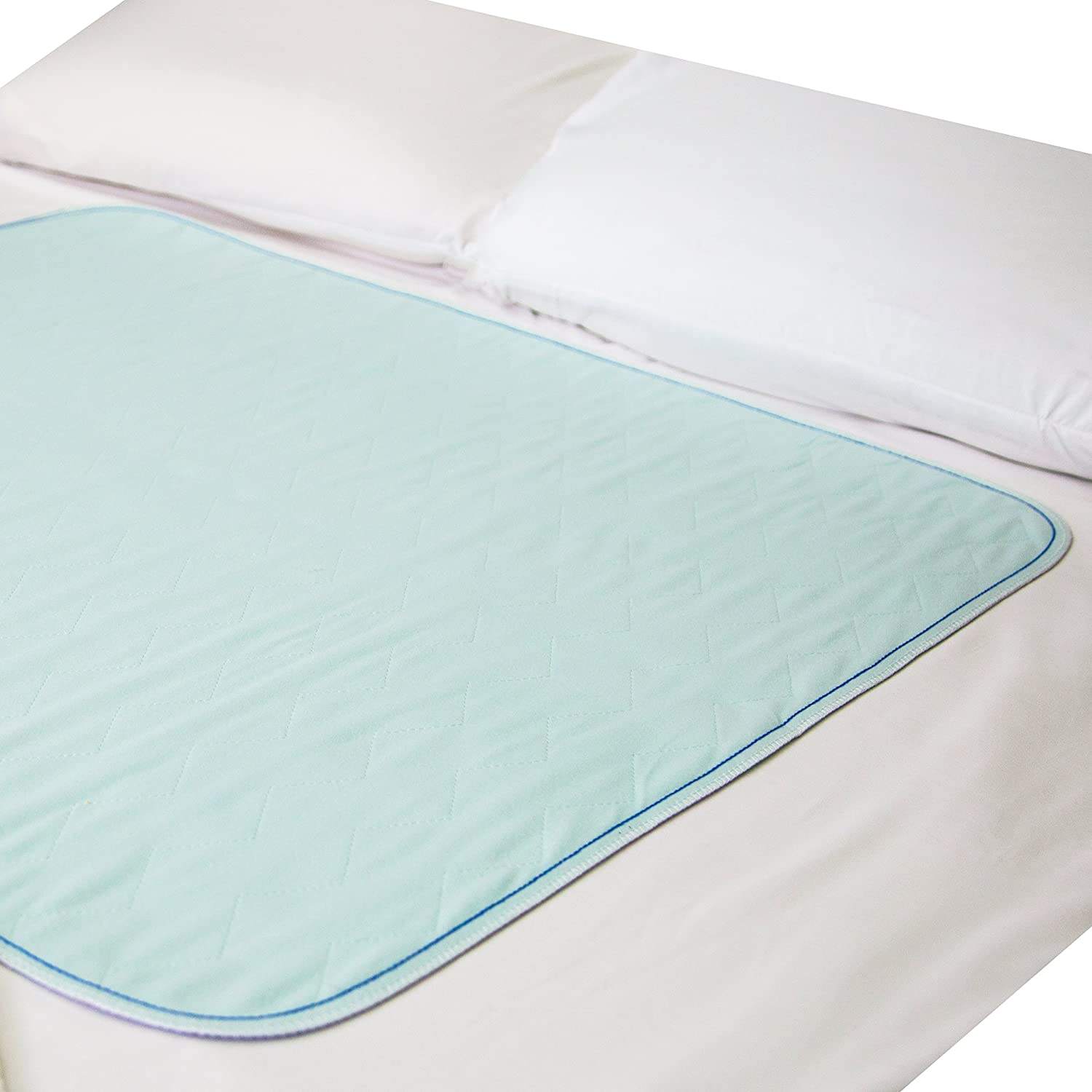
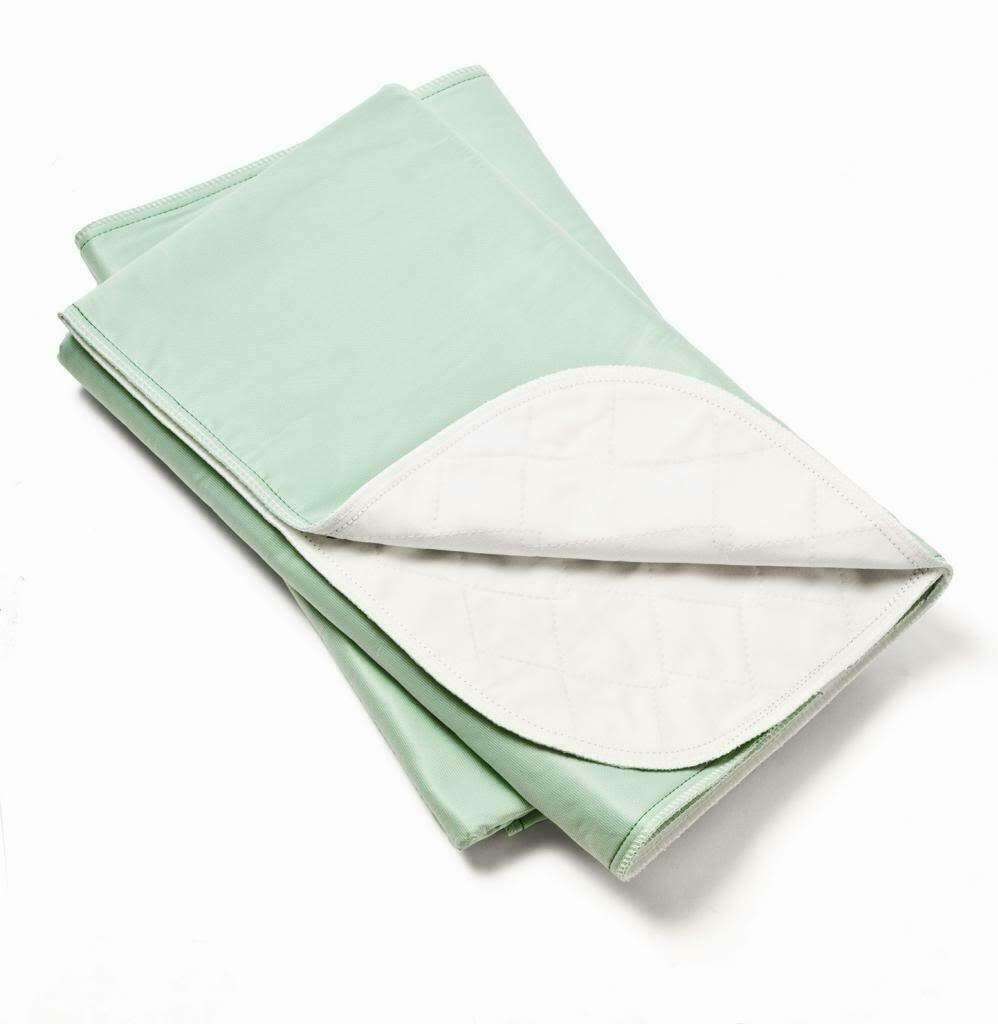
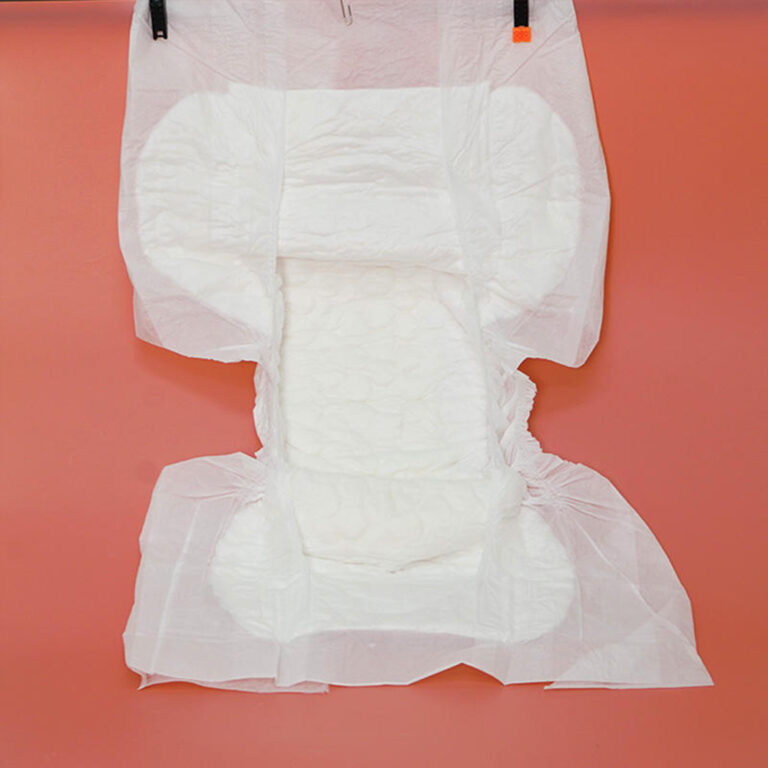
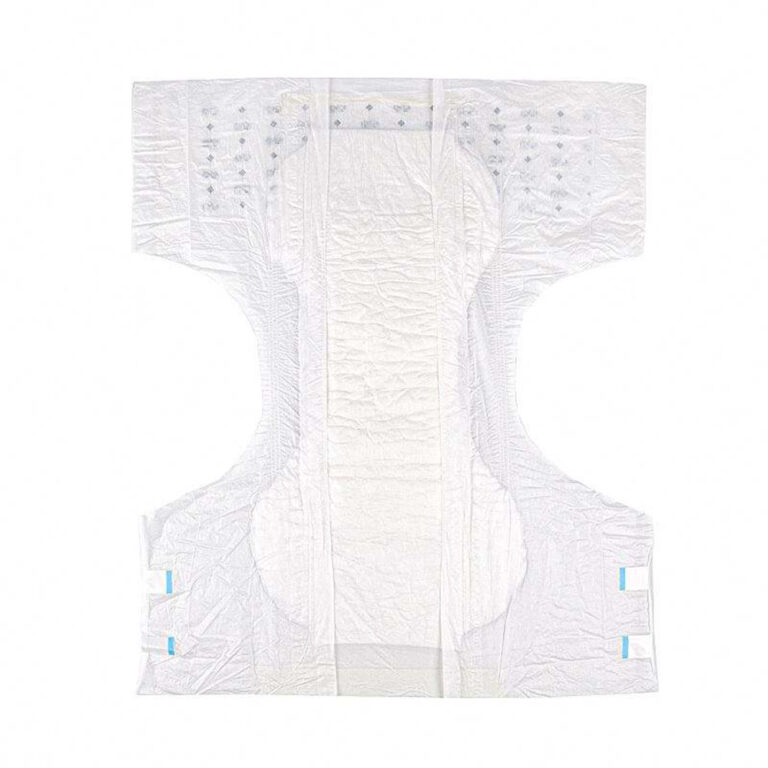
The device matters because underpads are simple only to individuals who have actually never determined them. A non reusable underpad is a layered item: nonwoven topsheet, fluff pulp, SAP, cells or purchase layer depending on style, PE movie, adhesive, embossing, folding, reducing, and packing. Each layer is economical up until it relocates 2 mm out of position. After that it becomes a case.
For context, the high-speed underpad production line I would certainly standard against listings 220 m/min production rate, around 200 kW installed power, 380V 50Hz 3-phase power, 0.6– 0.8 MPa compressed air, and a 25 × 7 × 2.7 m impact. Those numbers are not decor. They inform us this is not a “tiny device with a cutter.” It is an integrated hygiene item assembly line where stress, feeding, assessment, and decline reasoning make a decision whether the customer receives a secure item or a shipment packed with silent variant.
Item Uniformity Begins Prior To the First Pad Is Cut
The underpad Production process is a chain of little betrayals. One weak spot does not constantly stop the maker. That is the danger.
A negative line keeps running.
And due to the fact that the product is low-margin, high-volume, and visually recurring, a weak vendor can create hundreds of “acceptable-looking” underpads before anyone checks the best variable: core weight, SAP spread, absorbency rate, backsheet pinholes, seal stamina, cutting size, folded up dimension, and rewet after pressure.
This is where I differ with the lazy customer list. Purchasers like asking, “What is the absorbency?” That concern is insufficient. Absorbency on a lab sheet implies little if one pad gets 4.2 g SAP, the next gets 3.6 g, and the 3rd obtains a stunning clump near one edge like a wet explosive waiting to leakage.
A major underpad making maker must manage:
Basic material unwinding stress
Automobile splicing without sudden stress shock
Fluff pulp squashing and forming stability
SAP application precision
Core embossing stress
PE movie and nonwoven placement
Glue application consistency
Cross-cutting length tolerance
Folding timing
Automobile evaluation and decline precision
Grouped outcome and counting control
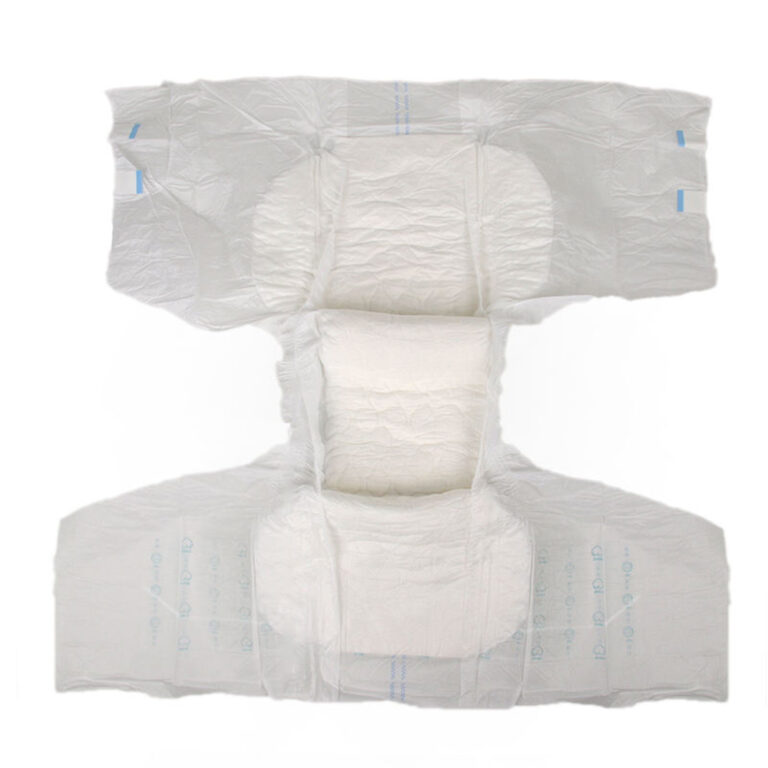
The production devices category programs why this matters. Underpads, adult diapers, pull-ups, sanitary napkins, and panty liners all share the very same production religious beliefs: regulate the web, regulate the core, regulate the cut. Lose one, and you stop making hygiene items. You begin making reasons.
Table of Contents
The Information States Leak Is Not a Cosmetic Problem
Right here is the part lots of equipment sellers prevent: inconsistency does not stay inside the Production facility.
A 2024 PLOS ONE study on toileting support discovered that urinary or fecal leak from absorptive incontinence products was the most frequent physical concern reported by family caregivers, at 46.5%. The same research connected leak concern to home care, urinary pads incorporated with diapers, urinary incontinence, nocturia, fecal urinary incontinence, and related symptoms.
That is not an advertising and marketing figure. That is the individual repercussion.
The CDC’s National Center for Wellness Stats additionally reported that incontinence amongst older Americans carries an actual economic lots, pointing out an approximated $19.5 billion price for bladder incontinence among united state adults in 2000 and noting that much of the routine-care price is connected to absorbent pads, protection, and washing.
Now link that to production. If the pad leaks because the core is thin at the side, the user does not blame “SAP circulation coefficient.” They blame the brand name. If the PE backsheet pinholes under pressure, the nursing home does not compose a technical memo. They switch distributors. If a private-label importer obtains 3 grievance clusters in 2 months, the factory’s description regarding “driver adjustment” sounds like what it is: far too late.
Reuters reported that the grown-up diapers, disposable undergarments, and absorptive pads market had expanded to $9 billion, up 9% in the prior year and folded the previous years, while stigma still maintained several grownups from getting the best items. That pressure develops a harsh business reality: demand is climbing, but buyers are less forgiving.
Where the Underpad Assembly Line Really Controls Uniformity
Let’s quit making believe top quality is created at the packing table. It is not.
Quality is upstream.
The line either builds repeatability into the web course and core system, or the QC group invests the change capturing what the machine should have prevented. That is pricey theater.
Production stage
What can fail
Consistency risk
What a severe line should manage
Raw material unwinding
Unequal tension, splice shock, roll wandering
Creases, manipulated layers, unpredictable pad size
Servo tension control, automobile splicing, internet directing
Core developing
Fluff clumping, slim places, unequal thickness
Weak absorbency areas, leak under pressure
Creating breast security, pulp distribution, vacuum cleaner control
SAP application
Overdosing, underdosing, edge clumps
High price, sluggish consumption, gel blocking, leak
Metered SAP application and distribution monitoring
Embossing
Also light or as well tough stress
Core shift, poor fluid support, tightness
Stable embossing pressure and pattern positioning
Backsheet application
PE movie imbalance or pinholes
Surface wet-through, item complaints
Movie stress, aesthetic examination, material credentials
The technical information issues. On a modern underpad equipment for non reusable nursing pads, features such as servo drive, PLC control, touch screen HMI, SAP application, creating breast, vehicle inspection, turn down control, core embossing, final cross cutting, last folding, and organized output are not sales verse. They are the control factors that divide repeatable Production from “we hope this set is alright.”
And below is the hard fact: if your distributor can not explain just how the line regulates SAP variation, core width, product length, and turn down standards, they are not selling you consistency. They are marketing you capacity.
The Regulatory Lesson Buyers Ought To Steal from Medical Instruments
Not every underpad is marketed as a controlled medical device in every market. Penalty. But clever underpad purchasers need to still take the self-control of medical-device process thinking.
The FDA’s High quality Monitoring System Guideline claims makers have to adhere to top quality administration system requirements to help ensure products consistently satisfy relevant demands and specs.
The FDA’s process recognition language is even more valuable for our sector. Refine validation indicates establishing objective proof that a procedure consistently creates a result or product conference fixed requirements. That sentence ought to be printed and taped above every underpad line supervisor’s workdesk.
Why does this matter for absorbing underpad quality control?
Because many underpad flaws can not be totally captured by final assessment without destroying the product or sampling insufficient. You can closed every pad. You can not flood-test every unit. You can not evaluate every core after packing. So the procedure needs to be regulated prior to the item becomes a carton.
That is why an OEM/ODM incontinence items vendor must speak about incoming material examination, first-article authorization, line criterion setup, in-process QC, finished-goods assessment, set traceability, and documentation. Those are not elegant extras. They are the minimal language of repeat orders.
What Buyers Need To Ask Prior To Relying On a Non Reusable Underpad Production Line
Many RFQs are also polite. I would certainly ask sharper inquiries.
A buyer should not just ask, “What is your cost for 60 × 90 centimeters underpads?” That inquiry welcomes the provider to optimize the quote as opposed to the item. Ask what they gauge, how commonly they gauge it, what tolerance they make use of, and what happens when the machine drifts.
Ask these rather:
What is your target pad weight resistance?
If a distributor can not offer a controlled array for completed pad weight and core weight, they most likely do not manage variation securely. Weight is not efficiency on its own, however unstable weight is an early indication.
Exactly how do you control SAP circulation?
SAP, normally salt polyacrylate with the repeating formula (C3H3NaO2)n, is powerful but unforgiving. Excessive in one area can slow intake and produce gel blocking. Insufficient in another area develops a leakage path.
What are your in-process evaluation periods?
“Every set” is unsatisfactory. At 220 m/min, a line can generate a frightening quantity of product in between careless checks. Examination periods ought to match defect threat, device rate, and historic process stability.
What flaw sets off car being rejected?
Auto examination without major decline logic is a control panel ornament. The line must reject noticeable layer imbalance, reducing flaws, missing material, extreme wrinkles, and various other specified faults.
Can you offer whole lot traceability?
If a buyer reports leak from one delivery, the distributor ought to trace raw material batches, line setups, production day, driver, evaluation records, and packing whole lot. If not, the investigation becomes chatter.
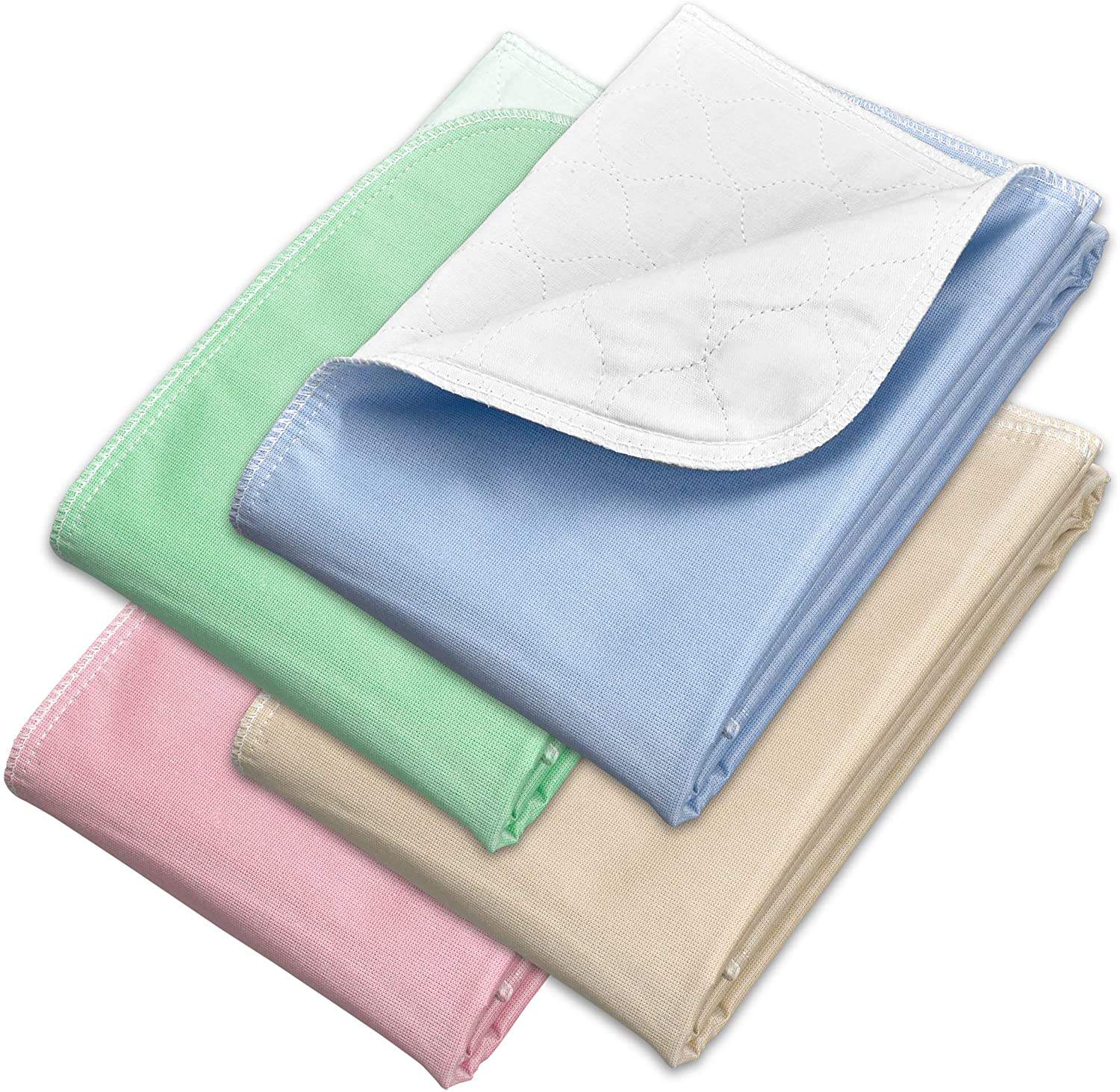
For buyers intending the complete item range, the underpads item classification is a beneficial internal recommendation since it divides disposable and multiple-use options and frameworks underpads around beds, chairs, mobility devices, exam tables, hospitals, taking care of homes, postpartum treatment, animal treatment, and home nursing. That usage spread issues since one assembly line may require to support different dimension, absorbency, backsheet shade, and packing demands without letting high quality drift.
Why “Ideal Underpad Production Line” Usually Means Best Process Control
The best underpad production line for consistent high quality is not immediately the fastest one. Rate without control simply produces flaws much faster.
I would rather purchase from a factory running a secure line at regulated result than from a factory extoling rate while concealing rework, adhesive concerns, SAP swings, and problem prices. This point of view annoys some maker vendors. Good.
The line includes that matter most are monotonous:
Servo security
PLC dish control
Auto splicing with stress control
Precise SAP dosing
Stable core forming
Dependable embossing
Tidy cutting
Precise folding
Genuine inspection
Genuine rejection
Lot-level QC documents
Boring success cash.
For brands marketing surrounding incontinence items, uniformity also has a catalog impact. A client acquiring underpads may additionally require grown-up baby diapers for larger urinary incontinence or grown-up wipes for urinary incontinence treatment. If the underpad falls short, the purchaser’s trust in the whole basket deteriorates. One leaking pad can harm the trustworthiness of the diaper, the wipe, and the supplier connection.
The Production Facility Audit Red Flags I Would Not Neglect
Below is where I get less diplomatic.
If the factory floor is clean however the records are slim, I fret. If the driver knows just how to reboot the maker yet not why a flaw took place, I fret more. If the sales team says “our high quality is very steady” yet can disappoint assessment information by great deal, I psychologically mark down the case by fifty percent.
Watch for these red flags:
No documented first-article authorization prior to mass production
No clear tolerance for item size, size, weight, and absorbency
Hand-operated modification of internet alignment without tape-recorded settings
SAP receptacles with bad contamination control
Flaw samples not kept
No complaint-to-lot traceability
QC staff checking just look
Completed containers blended from various line problems
Operators rewarded only for output speed
No rejection information evaluation after production
The last point is underrated. Decline information is not waste; it is knowledge. A factory that examines its decline patterns can deal with stress instability, basic material roll variant, cutter timing, glue nozzles, or SAP feed behavior before buyers endure the outcome.
FAQs
Exactly how do underpad production lines boost item consistency?
Underpad production lines enhance item consistency by controlling the repeatable motion, application, forming, securing, cutting, folding, inspection, and rejection steps that identify whether each disposable underpad has secure absorbency, dimension, leakage security, and look across long production runs. Final QC checks sustain this system, however they can not replace machine-level procedure control.
A great line locks in the web path, maintains SAP and fluff distribution stable, utilizes servo and PLC control for timing, and gets rid of defective devices prior to they infect finished cartons. That is exactly how a Production facility transforms a low-margin hygiene product into a repeatable private-label SKU.
What is one of the most usual cause of irregular non reusable underpads?
One of the most typical cause of inconsistent non reusable underpads is unrestrained process variation across resources tension, absorptive core formation, SAP dosing, glue application, cutting size, and folding timing. The item might look acceptable in the beginning look, however small shifts in layer setting or core density can create major leak and comfort differences.
In my sight, SAP circulation and core forming should have special attention due to the fact that they directly influence absorbency rate, rewet, and leakage. A pad with irregular absorptive mass is not a “a little various” product. It is a grievance waiting on pressure, body language, or over night usage.
Is a quicker underpad making device always much better?
A quicker underpad making maker is not always much better due to the fact that rate just helps when the line can keep secure stress, SAP application, reducing precision, evaluation dependability, and deny control at that speed. Without those controls, greater rate simply boosts the number of irregular pads created prior to the problem is observed.
Business customers should request stable operating rate, not dream optimal speed. A line going for 220 m/min with regulated settings, documented examination, and reliable rejection is more valuable than a faster line that requires consistent driver improvement.
What should purchasers test before accepting an underpad vendor?
Customers must test underpad providers by inspecting ended up pad weight, core weight, absorbency volume, intake rate, rewet under pressure, backsheet honesty, seal toughness, item dimensions, folding consistency, packaging accuracy, and lot traceability. They need to also assess in-process QC records, not just pre-shipment samples selected by the provider.
A tidy sample can exist. Repeat-order data tells the truth. Prior to signing a big order, request Production records, flaw standards, test techniques, material specs, and preserved samples from the very same line that will make your item.
Why does SAP distribution matter in absorbing underpad quality control?
SAP distribution issues in absorptive underpad quality assurance due to the fact that superabsorbent polymer determines just how fluid is captured, secured, and spread within the pad core throughout actual use. Unequal SAP positioning can produce dry-looking locations close to overloaded gel areas, triggering slower consumption, surface wetness, side leak, and irregular customer experience.
The concern is not just “the number of grams” of SAP are used. The problem is where those grams rest inside the core, exactly how they engage with fluff pulp, and whether the production line can duplicate that pattern over countless pads.
Final Ideas: Quit Buying Insurance Claims, Begin Buying Controlled Outcome
Below is my recommendations: do pass by an underpad vendor by brochure language alone.
Ask for the device reasoning. Request the line rate under stable production, not the showroom number. Request for SAP tolerance, core weight control, decline requirements, in-process inspection intervals, and traceability. Ask what happens when the line drifts at 2:00 a.m. throughout a huge order.
After that check out the answer.
If the vendor talks just regarding gentleness, price, and “good quality,” keep pressing. If they can describe the underpad assembly line, the control points, the QC documents, and the rehabilitative activity procedure, you might have discovered a producer worth testing.
Prepared to build a much more constant underpad program? Evaluation the high-speed underpad assembly line, contrast it with your target underpad specifications, and send out a clear RFQ that consists of dimension, absorbency target, SAP requirement, backsheet color, packing layout, testing demands, and expected regular monthly volume. Make the factory confirm procedure control before you rely on the container.