Understanding the Absorbent Core Structure of Disposable Underpads
Leaks expose lies.
When I evaluate disposable underpads for professional customers, I do not start with the color, the folded up size, the bag layout, or the soft-focus caretaker image on the sales sheet; I start with the unsightly question no one wants published on the carton: what occurs when warm fluid strikes the core quick, under body weight, at 2 a.m., after the individual has shifted twice?
So why do so many brands still sell “optimal absorbency” like it means anything on its own?
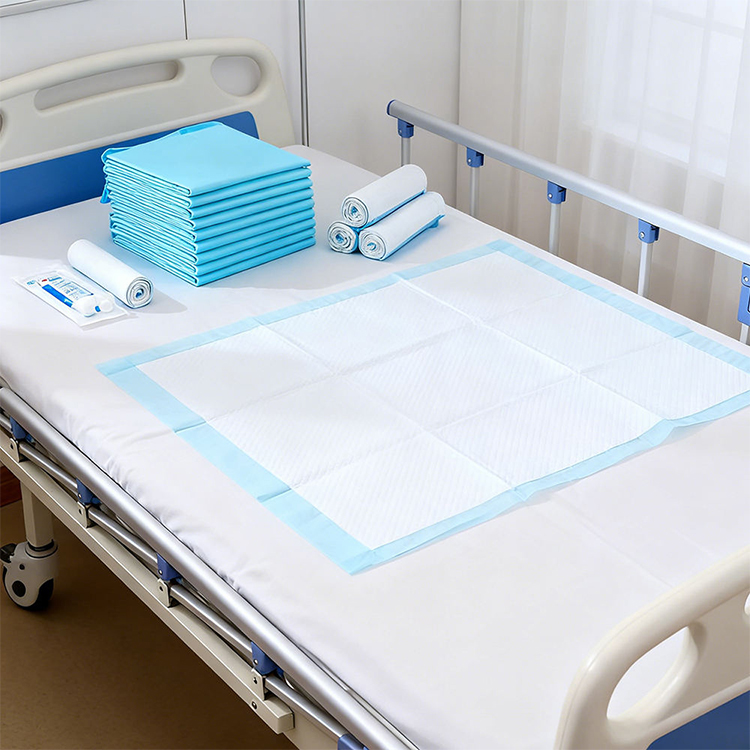
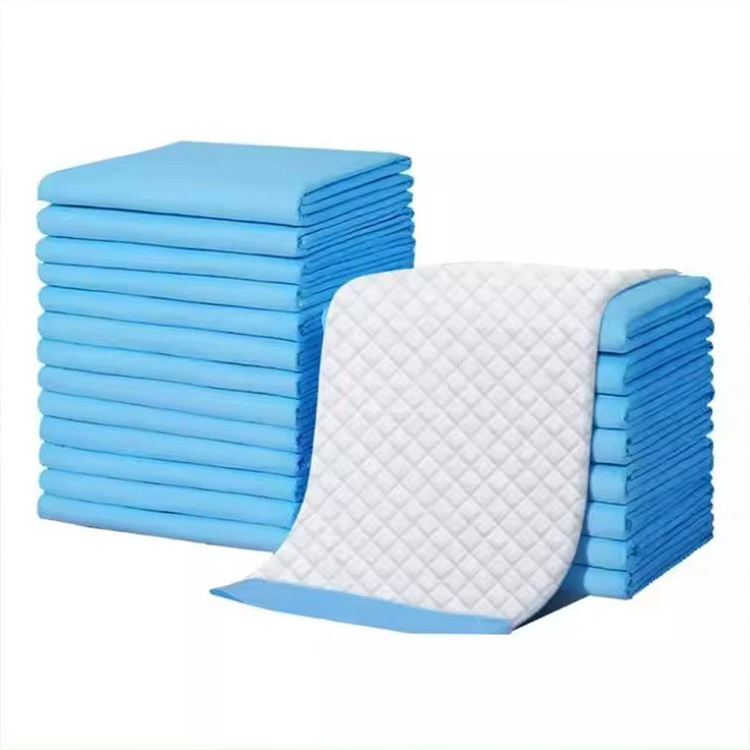
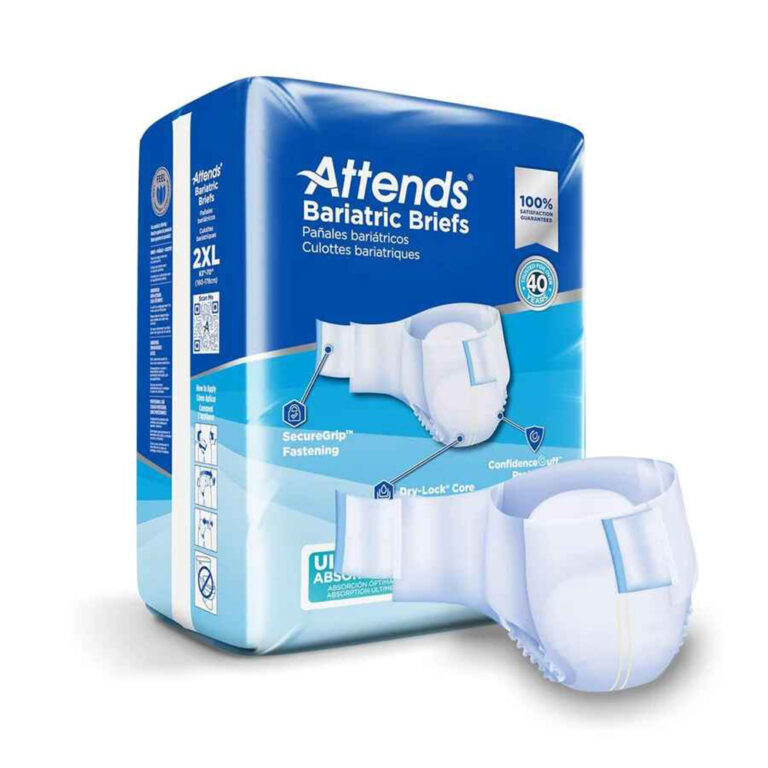
Non reusable underpads are not simply incontinence bed pads. They are tiny absorptive systems: a soft topsheet, sometimes a procurement or distribution layer, a fluff pulp absorbent layer, super absorptive polymer SAP, cells wrapping, side sealing, and a water resistant PE or cloth-like backsheet. The group web page for non reusable underpads for adults gets the fundamental work right: shield beds, chairs, and examination tables from urine and light liquids with a soft top, absorbent core, and water-proof backsheet.
However the market has a bad routine. It discusses pads as if they are flat plastic towels.
They are not.
A non reusable underpad is more detailed to a low-profile fluid-control tool. The core needs to consumption, spread, shop, and hold fluid under stress. If one component fails, the entire pad falls short. A slim pad can exceed a thick one. A premium-looking pad can leakage at the edge. A high-SAP pad can really feel dry theoretically and still produce merging if the acquisition rate is inadequate.
Right here is the hard truth: absorbency without framework is just swelling.
Table of Contents
What Actually Sits Inside a Non Reusable Underpad Absorbent Core
The underpad core structure usually has four working zones. Some inexpensive SKUs simplify this; some costs SKUs include networks, embossing, cells wraps, or layered cores. Yet the logic remains the same.
The topsheet is the user-facing nonwoven layer. It should let fluid pass swiftly while really feeling soft sufficient for duplicated skin call. The core below it is normally developed from fluff pulp and SAP. Fluff pulp provides the pad bulk, capillary motion, and first consumption. SAP, generally sodium polyacrylate chemistry in a cross-linked gel-forming type, locks liquid inside inflamed polymer bits. The water resistant non reusable underpads backing layer blocks strike-through into the mattress or chair.
The Underpads Maker page defines the broader item household as pads placed on cushions, chairs, wheelchairs, and examination tables, utilizing a soft non-woven topsheet, absorbent core, and water resistant support. That is the public-facing variation. The procurement version is harsher: how much liquid goes into in the very first 10 secs, how much it spreads out before saturation, and just how much returns under pressure?
The Core Layer Heap Buyers Need To Need
Layer
Common Product
Real Task
Failure Indicator
Customer Concern
Topsheet
Hydrophilic nonwoven PP/PE mix
Allows pee enter the pad swiftly while decreasing damp surface really feel
Pooling, slow consumption, sticky surface
What is the strike-through time after repeat application?
Acquisition/distribution zone
Cells, ADL nonwoven, embossed network layer, or opened fluff
Steps fluid away from the impact factor
Facility swelling, side overflow
Does liquid spread across the core or being in one wet island?
Absorbent core
Fluff pulp + extremely absorbing polymer SAP
Shops fluid and holds it under lots
Gel blocking, clumps, hard swellings
What is the SAP-to-fluff ratio and rewet result under pressure?
Core cover
Cells or light nonwoven
Supports pulp/SAP mix during motion
Core breakage, SAP migration
Does the pad survive folding, transforming, and individual repositioning?
Backsheet
PE film or cloth-like laminated movie
Quits leak onto bed, chair, or examination table
Pinholes, side leakage, loud plastic
What is the hydrostatic resistance and seal toughness?
That table is where underpad quality lives. Not in adjectives.
The FDA angle is not marketing trivia either. In the USA, the eCFR specifies a safety garment for urinary incontinence as a tool with “absorbent cushioning and a fluid barrier” planned to safeguard an incontinent patient’s garment from excreta under 21 CFR 876.5920. The FDA device listing database additionally puts grown-up diapers, urinary incontinence pads, draw-sheets for sick beds, and urinary incontinence sheets under “GARMENT, PROTECTIVE, FOR URINARY INCONTINENCE,” product code EYQ, device course 1, policy number 876.5920, as shown in the FDA Facility Registration & & Tool Listing.
That issues.
If you offer into medical care, representatives, tenders, or cross-border OEM/ODM networks, customers might not inquire about device language in the first e-mail. They will ask before onboarding.
Fluff Pulp vs Super Absorbent Polymer SAP: The Fight Behind the Pad
The market enjoys SAP due to the fact that it sounds clinical. And yes, SAP jobs. Sodium polyacrylate can soak up lot of times its very own weight in liquid liquid, developing a gel that helps reduce totally free liquid inside the pad.
Yet SAP is not magic dust.
Too little SAP, and the disposable underpad absorbing core comes to be bulky but weak under compression. Too much SAP, and the pad can endure gel stopping, where inflamed polymer fragments limit even more liquid activity. That produces a ludicrous circumstance: the core has theoretical capacity left, however the surface still pools because fluid can not travel fast enough.
I have a solid point of view below: the very best non reusable underpads for urinary incontinence are not the ones with the loudest SAP insurance claim. They are the ones with the best fluff-SAP equilibrium for the use case.
A chair pad does not require to act like an overnight bed pad. A 60 × 90 centimeters healthcare facility underpad does not have the same task as a smaller wheelchair pad. A postpartum underpad is not automatically an elderly-care underpad. For deeper product matching, the brand’s guide on what non reusable underpads are used for gives the appropriate context: beds, chairs, mobility devices, exam tables, injury drain, care-related spills, and backup defense.
The core dish ought to adhere to the usage instance, not vice versa.
Typical Core Solutions and Where They Damage
Core Style
Common Build
Finest Usage
Main Weak point
My Decision
Fluff-heavy core
Extra fluff pulp, reduced SAP
Fast consumption, light-to-medium leakage, economy lines
Bulkier, greater rewet under pressure
Good for fundamental care, weak for overnight claims
SAP-heavy core
Higher SAP loading, thinner account
Retail packs, dry-feel advertising and marketing, modest use
Gel blocking if badly distributed
Valuable just when intake layer is strong
Well balanced fluff + SAP core
Controlled pulp/SAP mix with cells wrap
Grown-up incontinence bed pads, nursing homes, home treatment
Costs greater than fundamental pads
Usually the safest B2B option
Embossed/channel core
Core patterning to overview circulation
Faster dispersing, repeat application
Network design can fall down if as well weak
Excellent when checking verifies it
Airlaid-style core
Engineered absorptive sheet
Slim premium formats
Greater product cost
Good for discreet pads, much less typical in bulk underpads
This is where sourcing teams need to quit asking, “How many milliliters does it hold?”
Ask much better questions. What is the intake time on very first, 2nd, and 3rd doses? What is the rewet under a 2.5 kg or 5 kg lots? What takes place after folding? Does SAP migrate to the side after transportation resonance? Is the absorbing core equally created across the full pad width?
The high-speed underpad production line page points out servo drive, PLC control, SAP application, core embossing, core cutting, inspection, deny control, and grouped outcome. Those production details are not monotonous. They are the distinction in between a pad that looks acceptable in a sample area and a container order that does consistently.
Why the marketplace Is Obtaining Much Less Flexible
Urinary incontinence treatment is not a drowsy classification anymore.
The NIDDK 2024 Urologic Illness in America record approximated claims-based urinary system incontinence occurrence amongst individuals aged 65 and older at 6– 8% each year from 2012 to 2021, while additionally warning that cases information most likely underreports the problem. That underreporting factor issues because incontinence is personal, stigmatized, and often took care of at home with items instead of openly gone over with medical professionals.
The medical worry is wider than claims data. The NIH Shelf phase on Urinary Urinary incontinence reports that roughly 423 million individuals aged 20 or older around the world experience some form of urinary incontinence, and it positions frequency amongst nursing facility homeowners at 50% or higher.
Currently add demographics.
The WHO aging and wellness reality sheet states that by 2030, 1 in 6 people worldwide will certainly be aged 60 or over, increasing from 1 billion in 2020 to 1.4 billion, and reaching 2.1 billion by 2050. That is not a soft wellness trend. That is need stress on care homes, medical facilities, ecommerce brand names, distributors, pharmacies, and private-label absorbent line of product.
Reuters has reported the industrial variation of the same tale. In 2019, the adult baby diapers, non reusable underclothing, and absorbing pads market had actually reached regarding $9 billion after increasing in a decade, while preconception still kept lots of people from acquiring the right products, according to Reuters’ record on the adult incontinence market. In 2024, Reuters additionally reported that Japanese makers were moving sources towards grown-up diapers as births drop, with Japan’s grown-up baby diaper market forecast to expand 16% to ¥ 98.9 billion by 2027 in its protection of Japan’s diaper manufacturers.
So yes, non reusable underpads are a significant product classification.
Not extravagant. Significant.
The Failing Information Many Specification Sheets Hide
A lot of non reusable underpad failings are not mystical. They duplicate.
The very first failing is slow-moving intake. Fluid hits the topsheet and sits there before the core can pull it down. This is where users whine concerning damp feel also when the pad still has complete ability.
The second failure is poor distribution. The facility swells, the edges remain dry, and overflow escapes before the “full absorbency” number matters. This is common in low-cost cores with weak pulp opening, bad embossing, or uneven SAP distribution.
The third failure is rewet. The pad absorbs liquid in a laboratory, however under body weight, wetness comes back to the surface area. That is bad for comfort and even worse for skin-risk perception.
The fourth failure is backsheet weakness. A water resistant PE film must avoid strike-through, yet thin film, weak lamination, or harmed seals can turn a “waterproof” claim right into a grievance.
The fifth failure misbehaves product matching. A light chair pad obtains marketed as an over night bed pad. A non reusable underpad is expected to make up for the incorrect grown-up diaper. A customer deals with underpads, wipes, booster pads, and body-worn products as separate SKUs instead of one treatment regimen.
That is expensive reasoning.
If the user has hefty leak, the surface pad is only one layer of defense. Coupling the best body-worn item with booster pads for adult diapers can enhance system capability, while grown-up wipes for urinary incontinence care finish the hygiene regimen after the pad does its task. Underpads secure the environment. Wipes secure the skin. Booster pads prolong the body-worn product. The treatment system matters greater than the separated SKU.
How Professional Buyers Need To Test Disposable Underpads
A skeptical customer needs to not rely on “heavy absorbency” without numbers.
Ask for overall absorbency, yet do not stop there. Request absorption speed, repeat-dose consumption, rewet, leak under tilt, backsheet stamina, pad weight resistance, basic material specs, SAP circulation technique, and finished-product assessment criteria. Ask whether the core is fluff-only, fluff plus SAP, or a structured multi-layer core. Ask whether the provider can produce light, tool, heavy, and over night lines without merely changing pack claims.
And yes, reduced the pad open.
Check out the pulp development. Seek SAP globs. Inspect whether the core covers the declared functional area or leaves dead areas near the edge. Shake it. Fold it. Press it. Put fluid near the side, not just the best facility. Actual customers do not leakage nicely into the center of a laboratory square.
A solid underpad distributor ought to be able to discuss:
SAP loading and circulation, not simply “includes SAP”
Fluff pulp quality and core harmony
Topsheet hydrophilicity and repeat strike-through
Rewet under stress
PE movie density or cloth-like backsheet building and construction
Side securing and leak resistance
OEM/ODM sizes, absorbency qualities, backsheet colors, and pack counts
Quality-control records, grievance handling, and market documentation
That is the difference in between purchasing a pad and acquiring protection.
Frequently asked questions
What is the absorbing core framework of non reusable underpads?
The absorbing core framework of non reusable underpads is the split fluid-management system inside the pad, typically combining a soft topsheet, fluff pulp absorbent layer, super absorbing polymer SAP, tissue or nonwoven covering, and a water-proof backsheet that with each other intake, distribute, store, and block pee or light fluids. In plain English, it is the functioning engine of the pad. The topsheet lets fluid enter. Fluff pulp spreads and momentarily holds liquid. SAP locks moisture right into gel. The backsheet stops bed mattress or chair contamination.
Exactly how do disposable underpads take in liquid?
Disposable underpads soak up fluid by permitting urine to pass through a hydrophilic topsheet right into a fluff pulp and super absorbing polymer SAP core, where capillary pulp fibers spread out fluid and cross-linked polymer bits swell right into gel, decreasing free liquid and assisting the surface feel drier after intake. The powerlessness is speed. If fluid gets in faster than the core can spread it, merging and side leakage take place also when the pad still has unused absorbency.
Is SAP much better than fluff pulp in an underpad core?
SAP is better for locking liquid away, while fluff pulp is better for quick consumption, distribution, and core body, so the best disposable underpad absorptive core usually makes use of both products in a well balanced framework as opposed to counting on one product as a miracle remedy. Way too much fluff can really feel cumbersome and wet under pressure. Excessive SAP can swell right into gel and slow more intake. Equilibrium defeats hype.
What makes water resistant disposable underpads leakage?
Waterproof disposable underpads leakage when the topsheet intakes too gradually, the core disperses fluid poorly, SAP obstructs circulation, the pad is undersized for the surface area, the backsheet has weak movie or damaged seals, or the care regular expects one pad to manage even more liquid than its style permits. A lot of leakage grievances are system failures. The pad may be wrong, the absorbency quality may be wrong, or the body-worn incontinence product below the regimen may be incorrect.
Exactly how should buyers choose the very best non reusable underpads for incontinence?
Customers ought to pick the best disposable underpads for urinary incontinence by matching pad dimension, absorbency quality, core framework, rewet efficiency, backsheet toughness, and change schedule to the actual care setting, whether that is chair security, over night bed usage, medical facility turn over, home treatment, or nursing center routines. Do deny by density alone. Request test data, cut open samples, and contrast light, medium, hefty, and overnight pads under the very same fluid and pressure problems.
Your Following Steps: Cut the Pad, Evaluate the Case, Ask for Evidence
If you are sourcing non reusable underpads, stop treating the absorbing core as a covert information.
Make it the initial discussion.
Request examples in numerous absorbency degrees. Cut them open. Compare fluff pulp distribution, SAP placement, topsheet rate, backsheet stamina, and rewet under stress. Then match the item to the real use case: bed, chair, wheelchair, test table, overnight adult urinary incontinence, postpartum care, or institutional hygiene.
If you are developing a private-label or wholesale incontinence line, examine the existing underpads product array, check the non reusable underpads for grownups specifications, and request for OEM/ODM options around dimension, absorbency, topsheet feel, backsheet design, pack matter, and test documentation.