The Blunt Answer: Disposable Underpads Protect Surfaces From Fluids
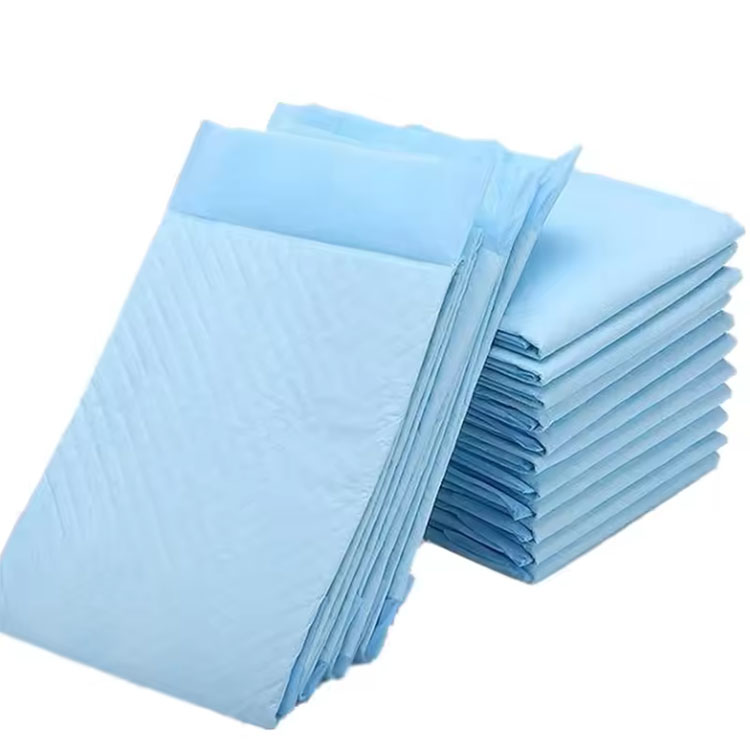
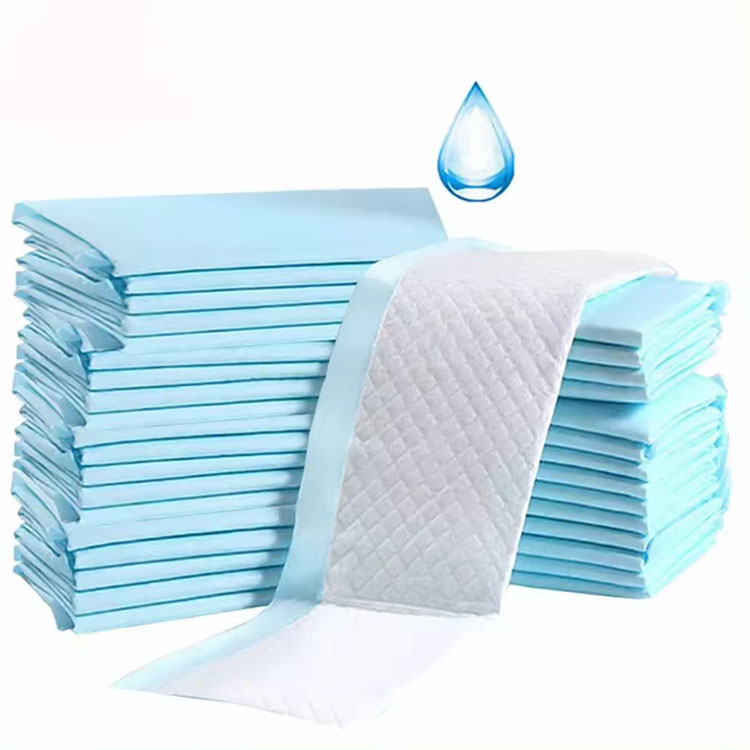
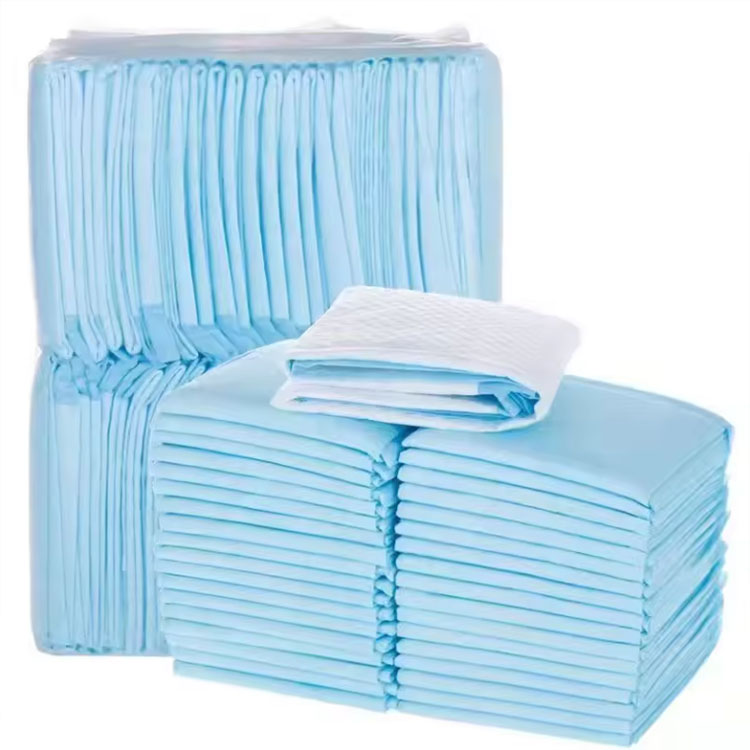
Disposable underpads are used to protect beds, chairs, wheelchairs, exam tables, and other surfaces from urine, light body fluids, wound drainage, and care-related spills. They are usually built with a soft non-woven topsheet, an absorbent fluff/SAP core, and a waterproof PE or cloth-like backsheet.
Leaks are expensive.
I have watched facilities obsess over the unit price of disposable underpads while ignoring the real bill: extra laundry, wet mattresses, delayed room turnover, caregiver frustration, skin complaints, and the quiet reputational damage that happens when a family sees a soaked bedrail at 7 a.m. Why pretend the pad is the cheap part?
The basic use case is simple: place the pad soft-side up, position the user or object on top, let the absorbent core pull in fluid, then fold and discard after use. For buyers comparing product lines, the site’s disposable underpads for adults page gets the core function right: beds, chairs, exam tables, urine, light fluids, soft top, absorbent core, waterproof backsheet. That is the job. Everything else is sales decoration unless it improves that job.
Where Disposable Bed Pads Actually Earn Their Keep
Disposable bed pads, often called Chux pads, are used anywhere fluid exposure is predictable but not always controllable. That includes home care, hospitals, nursing homes, clinics, hospice care, postpartum recovery, diaper changes, wound care, travel, pet care, and overnight adult incontinence routines.
The uncomfortable truth? Underpads are often bought by people who never have to clean the failure.
That gap matters because incontinence is not a small niche. The NIDDK Urologic Diseases in America 2024 report estimated claims-based urinary incontinence prevalence among people aged 65 and older at 6–8% annually from 2012 to 2021, while also warning that claims data likely underreports the real burden because many people do not seek care.
Use Case
What Disposable Underpads Do
Where Buyers Get It Wrong
Adult incontinence care
Protect mattresses, chairs, and linens from urine leaks
Assuming a thin economy pad can handle overnight output
Nursing homes
Reduce surface contamination during assisted care
Layering pads instead of choosing the right absorbency
Hospitals and clinics
Protect exam tables, stretchers, and bedding during procedures
Treating all “medical underpads” as the same SKU
Home care
Make cleanup faster for family caregivers
Buying only by pack price, not size or rewet control
Wheelchairs and recliners
Add backup protection during sitting
Using bed-sized pads that bunch under the user
Wound care
Catch light drainage and protect bedding
Confusing light fluid protection with wound dressing performance
Pet care
Protect floors, crates, and furniture
Buying human-care pads without checking backsheet strength
For category navigation, the underpads manufacturer page is the better internal landing page because it frames underpads as bed pads for mattresses, chairs, wheelchairs, and examination tables, not just as a generic incontinence accessory.
Table of Contents
The Three-Layer Truth: Topsheet, Core, Backsheet
A disposable underpad works because three layers do three different jobs.
The topsheet touches the user. It should feel soft, allow liquid to pass through quickly, and avoid that plastic-against-skin sensation that cheaper pads sometimes create. The absorbent core, usually fluff pulp with or without sodium polyacrylate SAP, holds the liquid. The backsheet, often PE film or a cloth-like laminated layer, blocks fluid from passing into the mattress, chair, or table below.
Simple design. Ugly failures.
When an absorbent underpad fails, the problem is rarely mysterious; it is usually one of five things: poor intake speed, low core capacity, high rewet under pressure, weak edge sealing, or a backsheet that tears when the caregiver moves the user. So why do so many spec sheets still stop at “60×90 cm, blue PE, 10 pcs/bag”?
The smarter buying question is not “How many milliliters does it hold in a lab?” It is “How dry does the surface stay when a 70 kg adult shifts position after the pad has already absorbed fluid?” That is where the industry gets brutally practical.
If the article is being used for a B2B buyer journey, point readers toward disposable underpads for beds and chairs OEM supply when they are ready to compare size, absorbency, backsheet color, topsheet options, and pack counts.
Disposable Underpads vs Washable Underpads vs Adult Diapers
Disposable underpads are not a replacement for adult diapers. They are a protection layer. That distinction matters.
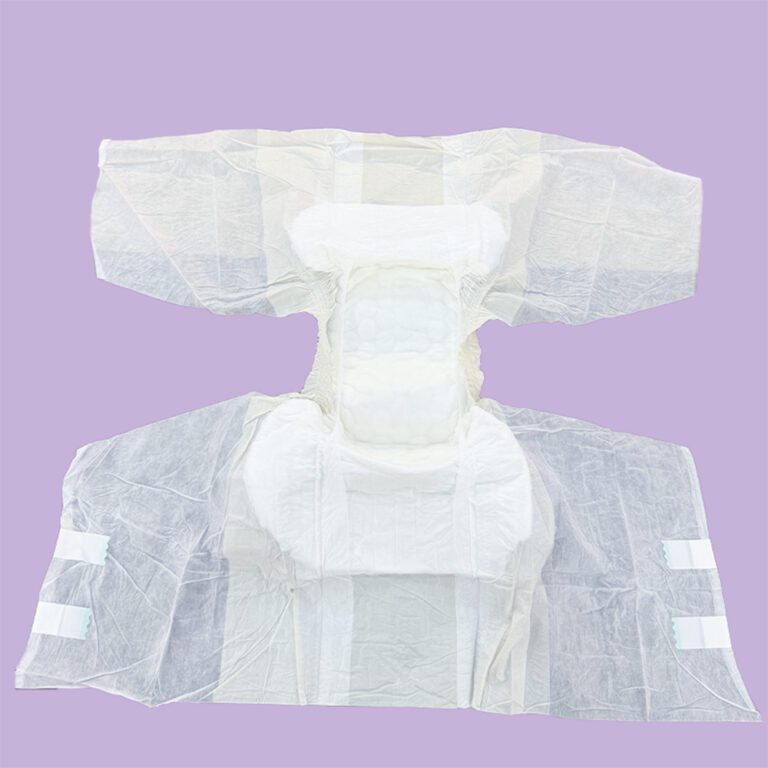
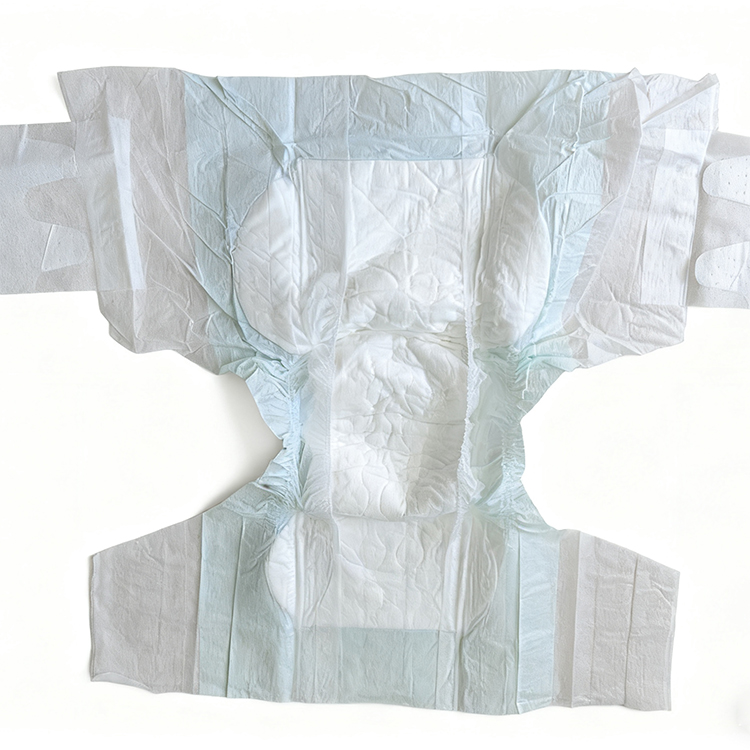
A tab-style adult diaper or pull-up manages fluid on the body. A waterproof underpad protects the surface under the body. A booster pad increases absorbency inside a brief. A washable underpad reduces repeat purchasing but adds laundry workload. Mix those up and you create leaks, skin problems, and angry caregivers.
Product Type
Best Use
Main Strength
Main Weakness
Disposable underpads
Bed, chair, wheelchair, exam table protection
Fast cleanup and single-use hygiene
Ongoing supply cost and waste
Washable underpads
Repeated home-care or facility use
Lower long-term cost per use
Requires washing, drying, and stock rotation
Adult diapers with tabs
Bedbound or caregiver-assisted users
Body-worn containment with easier changes
Needs correct sizing and fit
Pull-up underwear
Mobile adults with bladder leakage
Discreet daily wear
Harder to change when fully dressed
Booster pads
Extra absorbency inside diapers or briefs
Adds capacity without changing main product
Must be used with flow-through backing
This is where I get opinionated: using an underpad alone for heavy incontinence is a lazy plan unless the goal is only surface backup. For active leakage, the better system is usually a body-worn product plus bed protection. For longer wear time, booster pads for adult diapers make more sense than stacking three thin Chux pads under the user and hoping physics takes the night off.
Disposable underpads are used for protection, but they can also affect skin microclimate. That means heat, moisture, friction, and pressure at the skin surface.
Here is the hard truth: a wet underpad is not “still working” just because it has not leaked through the backsheet. If the top surface stays damp under pressure, the mattress may be protected while the person’s skin is losing.
The AHRQ pressure ulcer prevention toolkit tells care teams to check incontinence pads frequently, including every 2–3 hours in higher-moisture situations, and change as needed. That is not marketing language. That is bedside reality.
AHRQ also notes that more than 2.5 million people in the United States develop pressure ulcers each year, which is why moisture control should not be treated as a housekeeping issue. It is part of care quality.
And yes, this has legal gravity. In November 2024, Reuters reported a $45 million New York nursing-home settlement involving allegations of understaffing, neglect, illness, death, and examples that included untreated bedsores. Underpads were not the case; poor care was. But if you work in this industry, you know moisture management, timely changes, staffing, documentation, and skin checks are all part of the same chain.
When Disposable Underpads Are the Right Choice
Disposable underpads are the right choice when hygiene, speed, and contamination control matter more than reuse. That includes high-turnover clinical settings, short-term recovery, travel, emergency kits, overnight backup, wound-care support, and family caregiving situations where laundry capacity is limited.
Use them when:
The user has unpredictable bladder leakage.
Bedding or furniture needs backup protection.
A caregiver needs faster cleanup.
The setting requires single-use hygiene.
The pad may be contaminated with urine, feces, wound drainage, or cleaning fluids.
Laundry access is limited or already overloaded.
The surface underneath is expensive, hard to clean, or shared.
But I would not use them blindly. A disposable underpad that is too small, too weak, too slow to absorb, or too plastic-feeling can create more work than it saves. Cheap pads often fail in silence first: corners curl, the core clumps, the surface feels damp, the user slides, and then the caregiver gets blamed.
How Professional Buyers Should Specify Medical Underpads
If you are buying medical underpads for a care facility, pharmacy brand, distributor, or private label program, stop asking only for “price per piece.” That question is how weak products win quotations.
Ask for these specifications:
Specification
Why It Matters
Finished size
Determines bed, chair, or wheelchair coverage
Absorbent zone size
Prevents suppliers from shrinking the real core inside the same outer size
Total absorbency
Shows theoretical capacity, but not the whole story
Strike-through time
Measures how quickly liquid passes through the topsheet
Rewet value
Shows how dry the surface stays under pressure
SAP grams
Affects retention and dryness
Fluff pulp quality
Affects intake speed and core stability
Topsheet GSM
Affects softness and strength
Backsheet type
Controls waterproofing, noise, and tear resistance
Edge sealing
Helps reduce side seepage
Case pack and pallet pattern
Affects freight, storage, and retail handling
Batch retention sample
Protects buyers when complaints appear after shipment
This is where adult diaper OEM/ODM services should enter the buyer journey naturally. Underpads are not just a SKU. They are a repeat-order product where batch consistency, inspection points, documentation, packaging, and change control decide whether the reorder is smooth or miserable.
The Mistake I See Again and Again
The biggest mistake is using disposable underpads as an apology for poor product matching.
If a user has heavy overnight incontinence, you need the right body-worn protection first. If a wheelchair user leaks while seated, you need the right size and shape, not a full-bed pad folded into a lump. If a nursing home is changing pads too slowly, buying a thicker underpad does not fix staffing or care routines. And if a private-label buyer cannot define rewet, strike-through, core map, or backsheet strength, the supplier will define quality for them.
That rarely ends well.
FAQs
What are disposable underpads used for?
Disposable underpads are single-use absorbent pads used to protect beds, chairs, wheelchairs, exam tables, and other surfaces from urine, light body fluids, wound drainage, and care-related spills while giving caregivers a faster, cleaner way to manage incontinence accidents, hygiene tasks, and surface protection.
They are also called disposable bed pads, Chux pads, incontinence bed pads, absorbent underpads, waterproof underpads, and medical underpads. The name changes by market. The function stays the same.
Are disposable underpads the same as Chux pads?
Disposable underpads and Chux pads usually refer to the same product category: a single-use absorbent pad with a soft topsheet, absorbent core, and waterproof backing designed to protect beds, chairs, and care surfaces from urine, light fluids, and accidental leakage.
“Chux” started as a common product nickname, especially in healthcare and home care. Today, many buyers use it generically, although professional sourcing teams usually say disposable underpads or disposable bed pads.
Can disposable underpads prevent pressure sores?
Disposable underpads do not prevent pressure sores by themselves, but the right pad can support pressure-injury prevention by reducing moisture exposure, protecting bedding, limiting wet linens, and helping caregivers change contaminated surfaces faster as part of a broader care plan that includes repositioning, skin checks, nutrition, and clinical oversight.
The bad version is dangerous thinking: “We used a pad, so the skin is protected.” No. A saturated pad, slow change routine, or damp topsheet can still leave the user sitting in moisture.
How often should disposable underpads be changed?
Disposable underpads should be changed whenever they are wet, soiled, contaminated, bunched, torn, or no longer keeping the surface dry, with higher-risk care settings often checking pads every 2–3 hours depending on moisture level, skin condition, urine or stool exposure, and facility protocol.
Do not let the backsheet fool you. A pad can protect the mattress and still be wrong for the skin if the topsheet stays wet under body pressure.
What are the best disposable underpads for adults?
The best disposable underpads for adults are pads that match the user’s leakage volume, mobility, body position, surface size, skin-risk level, and change schedule, while offering fast intake, low rewet, stable core construction, strong waterproof backing, and enough coverage for the bed, chair, wheelchair, or exam table.
For home care, comfort and cleanup may drive the decision. For hospitals and nursing homes, batch consistency, packaging, traceability, and documented performance matter just as much.
Are disposable underpads better than washable underpads?
Disposable underpads are better when single-use hygiene, fast cleanup, travel, infection-control routines, or limited laundry access matter most, while washable underpads are better when repeated use, lower long-term supply cost, and reduced daily waste are more important than immediate disposal.
I do not see this as a moral debate. I see it as a workflow decision. The right answer depends on who is changing the pad, how often, and what happens after it is removed.
Final Thoughts: Treat Underpads Like Care Equipment, Not Cheap Plastic
Disposable underpads are used for surface protection, but the better way to think about them is this: they protect time, dignity, mattresses, chairs, caregivers, and sometimes a facility’s liability record.
So do not buy them like trash bags.
If you are sourcing for a brand, care channel, hospital distributor, or private-label incontinence program, start by defining the use case: bed, chair, wheelchair, exam table, overnight backup, wound care, or general home care. Then match size, absorbency, topsheet feel, backsheet strength, rewet control, packaging, and batch consistency to that use case.