Why Home Care Buyers Purchase Underpads and Wipes Together
The Dirty Secret Behind the “Together” Purchase
Leaks drive baskets.
When a home care buyer puts disposable bed pads, adult wipes for incontinence, and the primary absorbent product into one order, they are usually not being upsold; they are trying to stop the night from collapsing into laundry, skin cleaning, odor control, and caregiver resentment. Why would any serious supplier treat those as separate decisions?
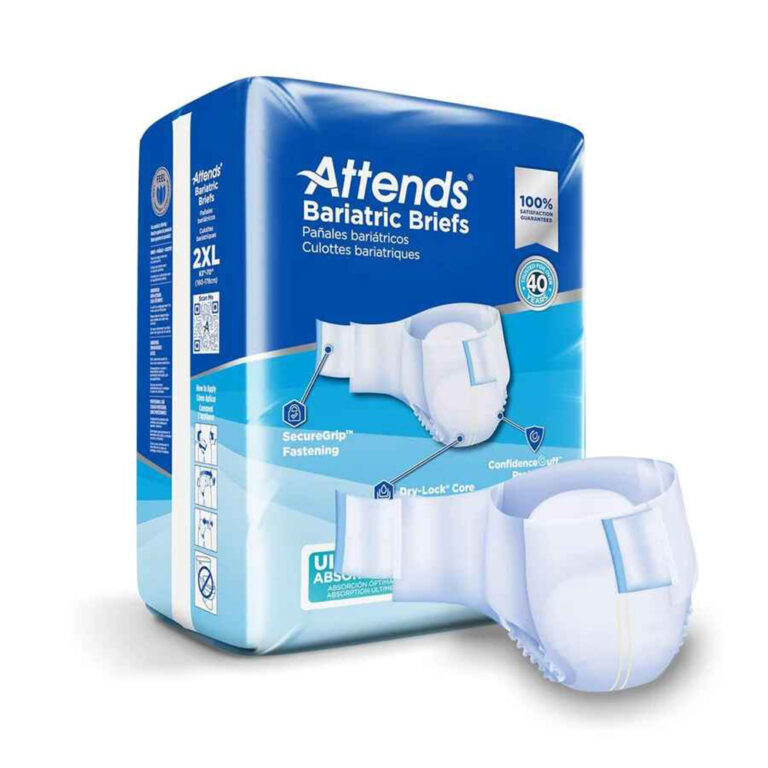
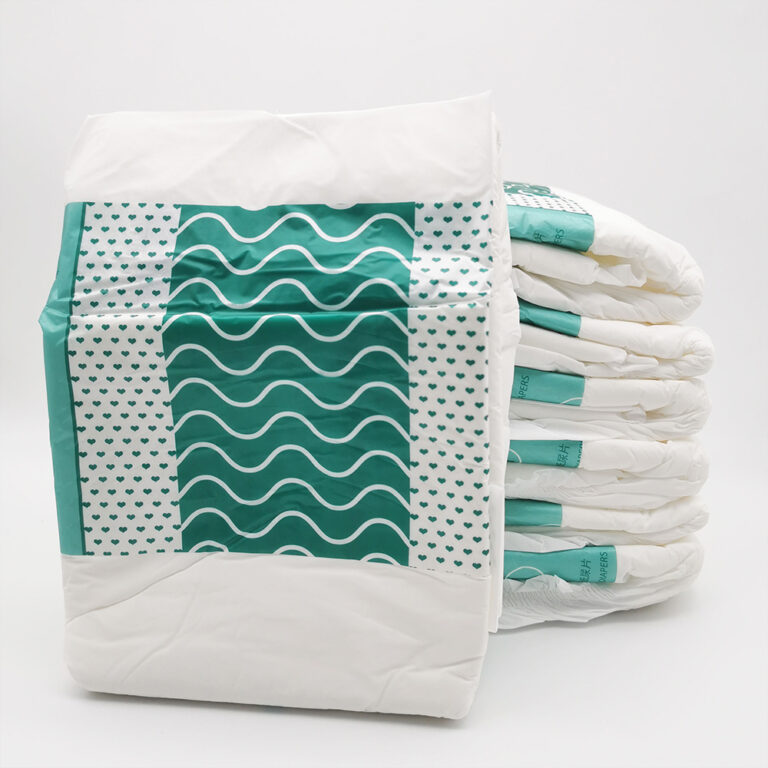
Here is my blunt view: underpads and wipes are not accessories. They are the operational layer of incontinence supplies. The adult diaper or pull-up catches the main event. The incontinence underpad protects the bed, chair, wheelchair, or recliner when the main product fails, shifts, saturates, or gets removed too late. The wipe cleans the skin afterward.
That is the system.
And home care buyers understand systems faster than many suppliers do. They may not say “basket architecture” or “care workflow,” but they know what happens at 2:40 a.m. when a parent is wet, the mattress is threatened, the room smells, and one exhausted adult is trying to change everything without waking the whole house.
The Real Buyer Intent: They Are Not Buying Products, They Are Buying Fewer Bad Nights
The search intent behind “why home care buyers purchase underpads and wipes together” is mostly informational with a strong commercial edge. The buyer wants to understand the logic before placing a repeat order. That matters for SEO because the phrase sits between education and purchase.
A family caregiver is not thinking like a category manager. But the behavior is almost identical. They build a mini supply chain at home.
The primary keyword is incontinence supplies, but the real cluster includes underpads and wipes, incontinence underpads, adult wipes for incontinence, disposable bed pads, chux pads, elderly care hygiene supplies, and home care incontinence products.
The hard truth? Most first-time buyers underbuy support items. They overfocus on the diaper, pull-up, or pad because that is the visible product. Then the first leak teaches them the rest of the category.
A 2024 PLOS ONE cross-sectional study of 743 caregivers in Komatsu City, Japan, found that family caregivers at home experienced more toileting-assistance burden than nursing home staff, and the most frequent physical burden was urinary or fecal leakage from absorbent incontinence products. The study also linked burden to home care and product misuse patterns, including combinations of pads and diapers. Read the study summary here: caregiver burden of toileting assistance at home versus in a nursing home.
That finding matches what good buyers already suspect: leakage is not only a fluid problem. It is a labor problem, a sleep problem, a dignity problem, and sometimes a skin problem.
Underpads Protect the Room; Wipes Protect the Person
Underpads and wipes work together because they answer two different questions.
What got wet?
Who needs cleaning?
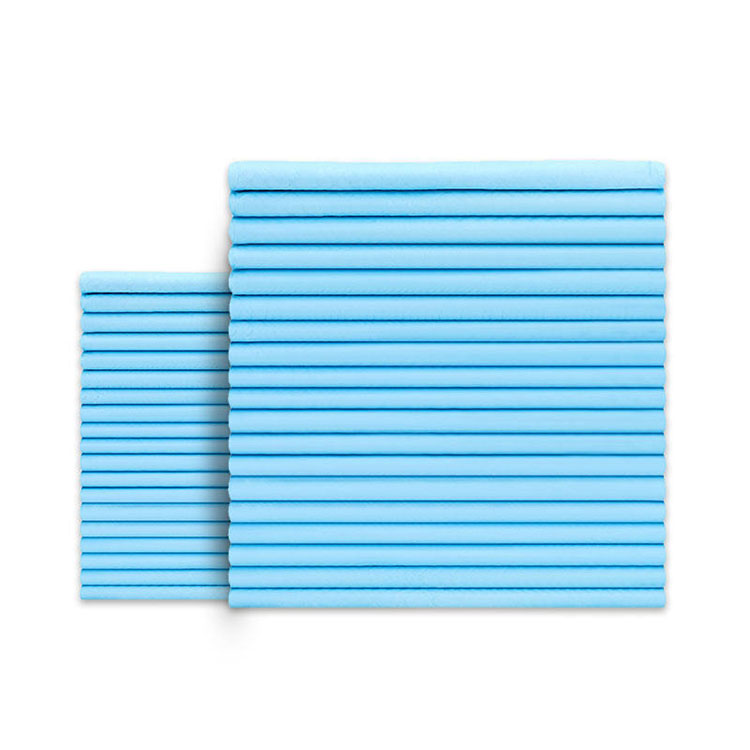
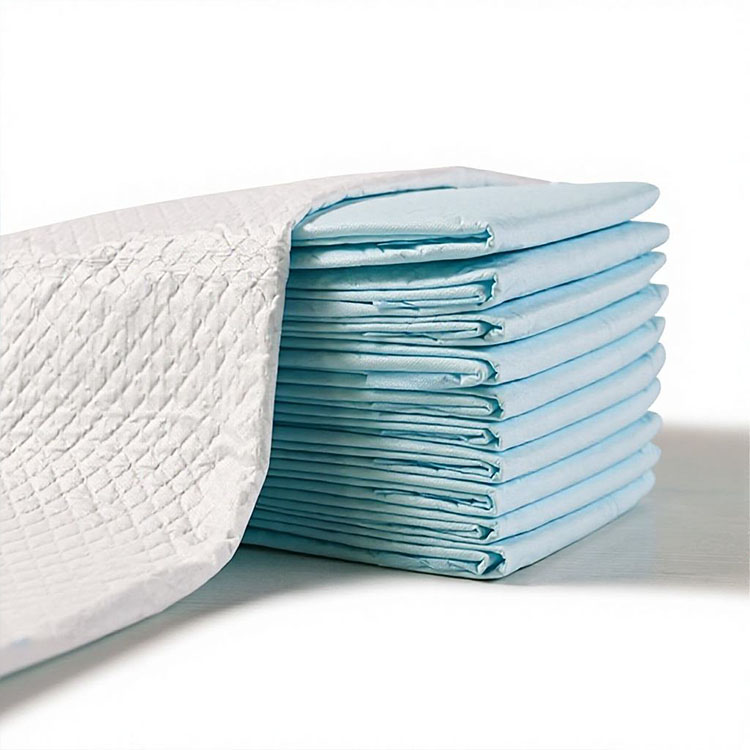
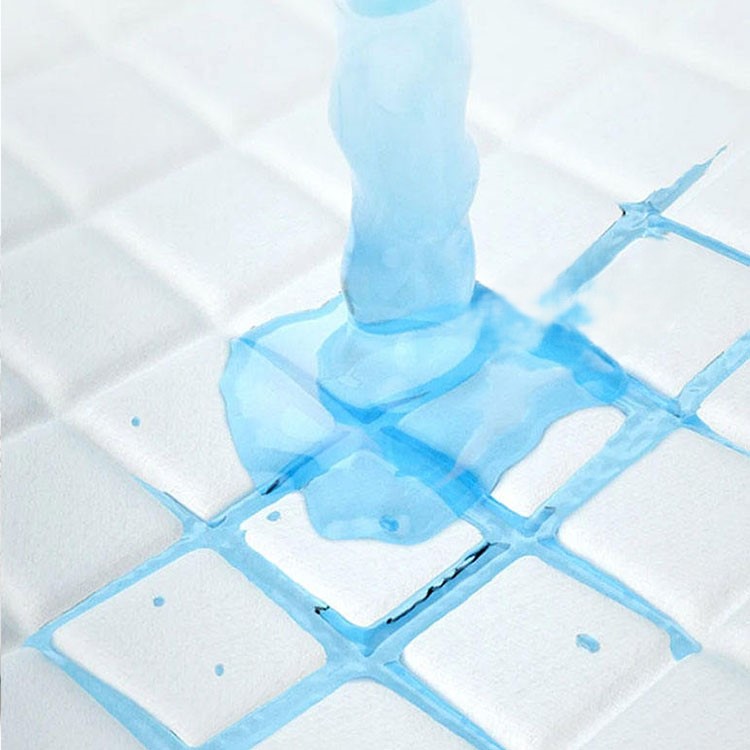
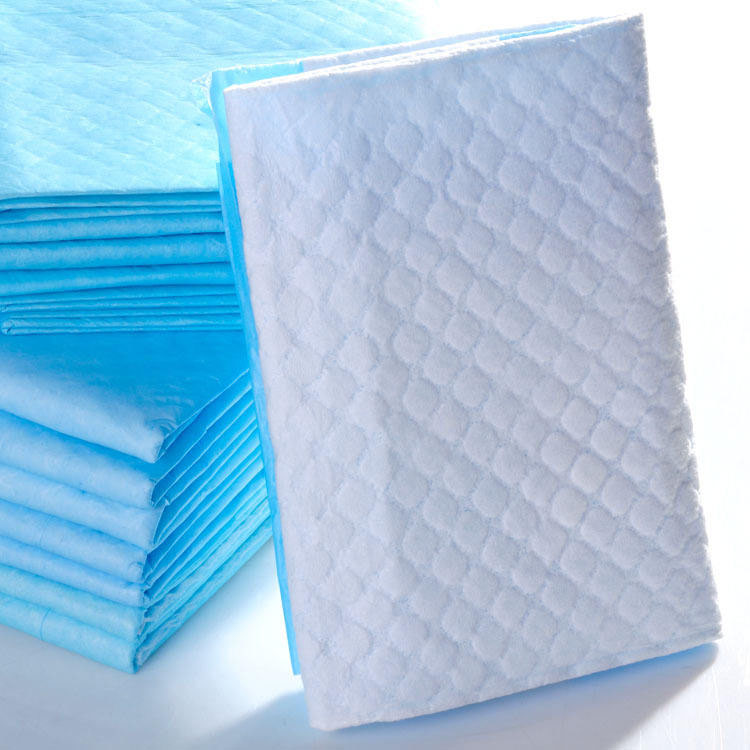
An underpad, also called a disposable bed pad or chux pad, is basically a three-layer damage-control tool: a soft nonwoven topsheet, an absorbent fluff/SAP core, and a waterproof PE backsheet. SAP usually means sodium polyacrylate, often represented as (C3H3NaO2)n, the superabsorbent polymer that helps lock fluid inside the core. In real home care, that means less mattress exposure, fewer wet sheets, and less panic when output spikes overnight.
Wipes do something different. A good adult wipe is not just a larger baby wipe. It should be sized for adult cleaning, strong enough not to shred, gentle enough for repeated perineal care, and preferably alcohol-free with a skin-friendly pH range near 4.5–5.5. The adult wipes product category on this site already frames wipes around incontinence cleansing, pH-balanced formulas, fragrance options, aloe or chamomile options, and bulk or retail pack formats. That is the right direction.
Small product. Big consequence.
The underpad buys time. The wipe restores hygiene. Together, they turn a messy change into a repeatable routine.
The Bundle Logic Nobody Wants to Admit
I do not buy the polite industry story that underpads and wipes are purchased together because of “convenience.” Convenience is part of it, sure. But the bigger force is fear.
Fear of mattress damage.
Fear of odor.
Fear of skin redness.
Fear of running out.
Fear of doing the wrong thing for someone who is already embarrassed.
This is why home care buyers often purchase support SKUs before they fully understand absorbency ratings. They are building a safety net. And suppliers who understand this can sell more honestly.
The site’s article on what disposable underpads are used for already makes the right distinction: underpads protect beds, chairs, wheelchairs, exam tables, and other surfaces from urine, light body fluids, wound drainage, and care-related spills. That is not a narrow use case. That is daily care infrastructure.
Here is the unpopular opinion: brands that sell adult diapers without wipes and underpads are not selling a complete home care system. They are selling one part of the accident.
The Data Says Care Is Getting Heavier
Home care is not the light-duty side of the market. It is often understaffed institutional care, moved into a bedroom, with one unpaid person doing the work.
AARP’s December 2024 caregiver finance report said nearly 80% of family caregivers assume out-of-pocket care costs averaging $7,200 per year, while direct care workers ranged from $5,700 to $6,300 per month in 2024. That is why buyers watch waste closely. A wrong pack of underpads is not “just a small purchase.” It is another private tax on caregiving. See AARP’s report on financial supports for family caregivers.
And the labor pressure is real outside the home, too. CMS finalized a nursing-home staffing rule in April 2024 requiring 3.48 total nurse staffing hours per resident day, including 0.55 RN hours and 2.45 nurse-aide hours, before later legal and policy battles changed the enforcement picture. The original CMS rule is here: minimum staffing standards for long-term care facilities. Reuters later reported that a federal judge blocked the Biden-era staffing rule in April 2025, finding that HHS had exceeded statutory authority: Judge blocks Biden rule requiring more staff at nursing homes.
Why does that matter for underpads and wipes? Because every continence product is secretly a labor product. A faster change, fewer linen turns, fewer skin complaints, and fewer odor incidents all show up as time saved.
The Procurement Table Buyers Actually Need
Buyer Concern
Underpads Solve
Wipes Solve
Why They Get Bought Together
Overnight leakage
Protect mattresses, sheets, recliners, and wheelchairs
Clean urine or stool residue quickly
One failure event usually needs both surface protection and skin cleaning
Caregiver time
Reduce full bed changes and laundry cycles
Speed up perineal cleaning during changes
Saves minutes during repeat care, especially at night
Odor control
Limits fluid spread into bedding or furniture
Removes residue that creates lingering odor
Odor is rarely fixed by absorbency alone
Skin comfort
Keeps wet surfaces away from the body when used correctly
Supports gentle cleansing before drying or barrier care
Skin risk rises when moisture and residue remain
Repeat purchasing
Adds backup protection to primary diapers or pull-ups
Increases hygiene reliability across every change
Buyers reorder routines, not isolated SKUs
B2B basket value
Easy add-on for home care, nursing homes, distributors
Strong cross-sell with diapers, pull-ups, pads, and underpads
The bundle reflects real care workflow
The Compliance Angle: These Are Not Toys in a Pretty Bag
Suppliers should stop treating elderly care hygiene supplies like lifestyle goods. These products touch vulnerable skin, bedding, dignity, and in some markets, medical-device classification.
In the United States, the eCFR defines a “protective garment for incontinence” under 21 CFR 876.5920 as a device consisting of absorbent padding and a fluid barrier intended to protect an incontinent patient’s garment from excreta. The regulation excludes infant diapers and classifies the device as Class I with specific exemptions and limits. See the official text: 21 CFR 876.5920 protective garment for incontinence.
That definition matters because it reminds buyers and suppliers that structure is not decoration. Absorbent padding. Fluid barrier. Intended protection. Those phrases map directly to the buying logic behind incontinence underpads, adult diapers, and adjacent support products.
That is not aggressive selling. That is honest care planning.
What Smart Home Care Buyers Check Before Reordering
Underpad Specs That Actually Matter
Do not start with pack count. Start with use case.
For bed protection, buyers should check size, backsheet strength, fluid distribution, rewet performance, and whether the pad bunches under the user. A thin economy chux pad may be fine for quick chair protection and a disaster for overnight use. Larger is not always better either. A bed-sized pad in a wheelchair can wrinkle, shift, and create pressure points.
The best underpad is the one that fits the surface and the output pattern.
Wipe Specs That Separate Good From Cheap
Adult wipes for incontinence need sheet strength, sufficient size, low-irritant formula, alcohol-free composition, and packaging that caregivers can open with one hand. Fragrance-free usually wins for sensitive skin, even if retail shelves love scent.
I will say it plainly: if a wipe tears during bowel cleanup, the buyer remembers the brand for the wrong reason.
Bundle Planning That Prevents Panic Orders
A practical starter ratio is simple: underpads for predictable surface exposure, wipes for every change, and the primary absorbent product matched to mobility. Pull-ups belong with active users. Tab-style briefs usually fit assisted, heavy, or bed-level changes better.
The adult diapers buyer guide for moderate to heavy needs is a useful internal bridge because it separates pull-up logic from tab-brief logic. That distinction helps buyers avoid the classic mistake: buying for dignity in the product photo instead of care reality in the room.
Why This Topic Converts in Search
This H1 works because it answers a hidden commercial question. The buyer is not asking, “What are underpads?” They are asking, “Why do I keep needing these two products at the same time?”
That is stronger intent.
For SEO, the article should not chase only the seed keyword incontinence supplies. It should build semantic density around underpads and wipes, incontinence underpads, disposable bed pads, chux pads, adult wipes for incontinence, home care incontinence products, and elderly care hygiene supplies.
For answer engines, the logic is even cleaner: underpads protect surfaces; wipes clean skin; both reduce caregiver workload during continence care. That sentence is the whole buying behavior in miniature.
But the broader buying truth is sharper. The product that “absorbs” is only one part of the routine. Home care buyers purchase underpads and wipes together because they have learned, usually the hard way, that containment without cleanup still leaves a mess.
FAQs
Why do home care buyers purchase underpads and wipes together?
Home care buyers purchase underpads and wipes together because underpads protect surfaces from leakage while wipes clean skin after urine or stool exposure, turning a messy product change into a controlled hygiene routine that reduces linen waste, odor complaints, caregiver time, and skin-irritation risk. The products solve the same care event from opposite sides: one protects the room, the other protects the person.
Are underpads the same as chux pads?
Underpads and chux pads usually refer to the same disposable absorbent surface-protection product, built with a soft topsheet, absorbent fluff or SAP core, and waterproof backsheet to protect beds, chairs, wheelchairs, and linens from urine, light fluids, and care-related spills. In home care, “chux” is often the informal buyer term, while “underpad” is the cleaner product-category term.
Can adult wipes replace bathing in incontinence care?
Adult wipes can support spot cleaning, perineal care, and bed-level hygiene, but they do not replace a full bathing plan because real continence care still depends on routine skin inspection, gentle drying, barrier protection when needed, and escalation when redness, odor, pain, or breakdown appears. Wipes are a daily workflow tool, not a complete skin-care protocol.
What should wholesalers bundle with incontinence supplies?
Wholesalers should bundle incontinence underpads, adult wipes, and a matching absorbent primary product because home care buyers usually solve routines rather than isolated leaks, and a three-part kit helps them protect the mattress, clean the skin, and control repeat orders with less confusion. The best bundle depends on mobility: pull-ups for independent users, tab-style briefs for assisted care, and underpads plus wipes for backup and cleanup.
Final Thoughts: Build the Care System, Not Just the Cart
Do this now: audit your incontinence supplies category as a care routine, not a product shelf.
Put adult diapers or pull-ups at the center, but do not leave buyers stranded there. Connect them to underpads for bed and chair protection. Connect them to adult wipes for skin cleaning and odor control. Then make the path obvious with product pages, care guides, and quote-ready bundles.
For buyers, the next smart step is simple: choose the primary absorbent product, add the correct disposable underpads for the surface at risk, and keep adult wipes stocked before the next leak proves why they belonged in the order all along.