Why Adult Wipes Are Essential in an Incontinence Care Product Line
The Product Nobody Brags About, Until the Complaint Comes In
Adult wipes are not a side item.
That sounds blunt because it should be blunt; in the incontinence care products business, buyers love to argue about absorbency grams, fluff pulp ratios, SAP performance, backsheet softness, and private-label packaging, while the actual skin-contact routine often collapses because nobody planned the wipe SKU properly.
So what happens when the brief performs, but the cleanup routine fails?
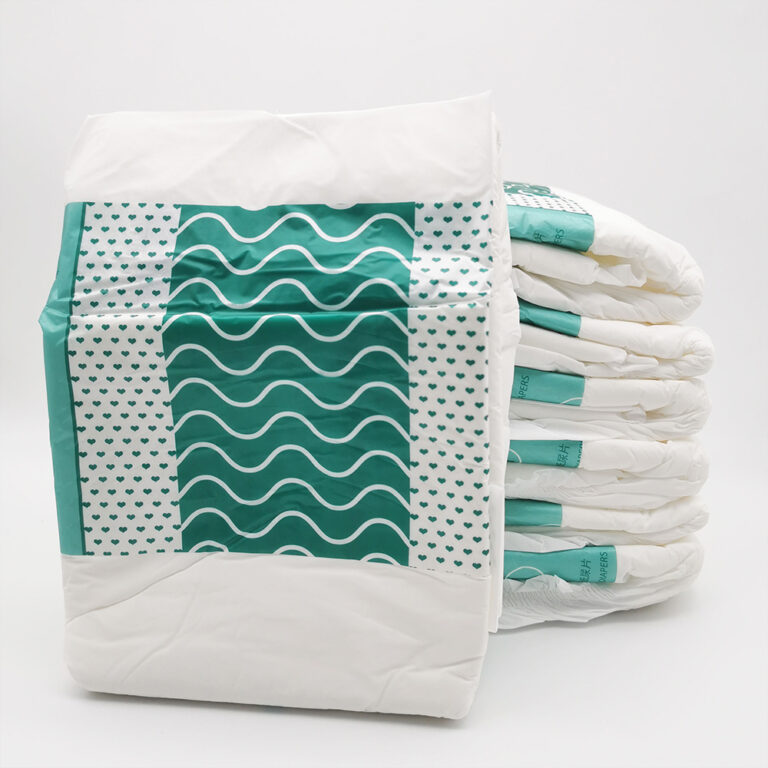
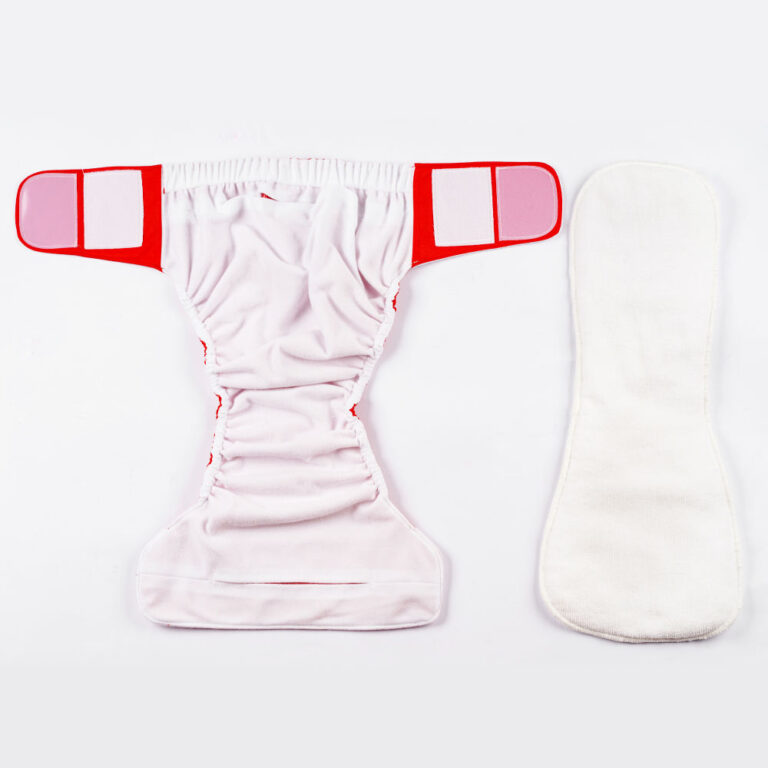
I’ll say the unpopular thing first: a product line without adult wipes is not a complete incontinence care product line. It is a leakage-management line pretending to be a care system. The difference matters. A diaper contains urine or stool. Adult wipes remove residue, reduce odor, support dignity, and help caregivers move from “emergency cleanup” to repeatable hygiene.
The public data backs the scale of the issue. The CDC’s National Center for Health Statistics published national estimates on incontinence among Americans aged 65 and older, using datasets including NHANES, residential care, home health, hospice, and nursing home data in its report on prevalence of incontinence among older Americans.
And the care setting is getting heavier, not lighter. In 2022, about 1,016,400 people lived in U.S. residential care communities; 75% needed help with bathing, 57% needed help transferring, and 51% needed help with toileting, according to the CDC’s 2024 residential care community data brief.
That is not a “nice-to-have wipes” market. That is a repeated-cleansing market.
Table of Contents
Why Adult Wipes Carry More Commercial Weight Than Buyers Admit
Adult wipes for incontinence do three jobs at once: cleaning, workflow control, and product-line completion.
A resident leaks. A caregiver changes a brief. The skin needs gentle cleansing. The bed may need protection. The user may be embarrassed. The caregiver may be rushed. And the next change may happen in three hours, not tomorrow morning.
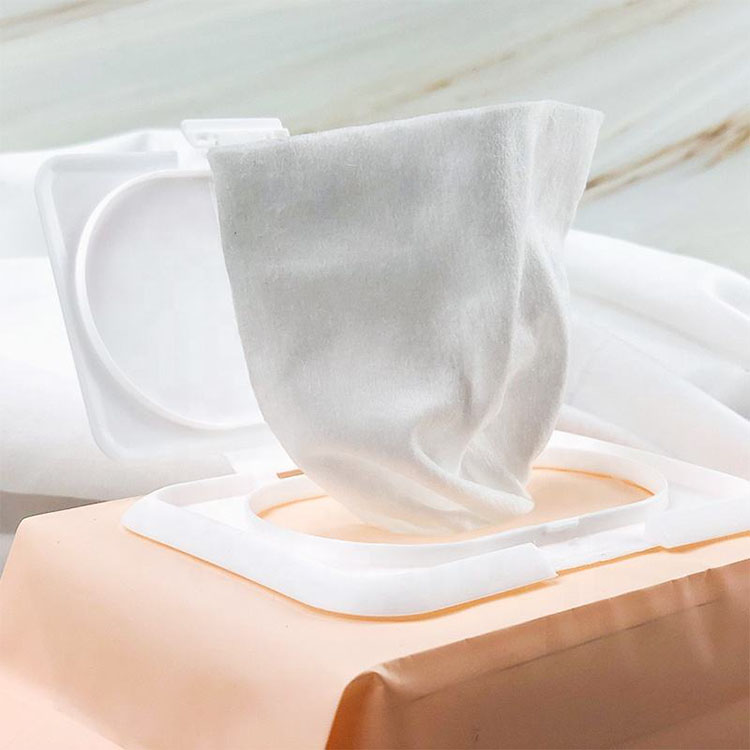
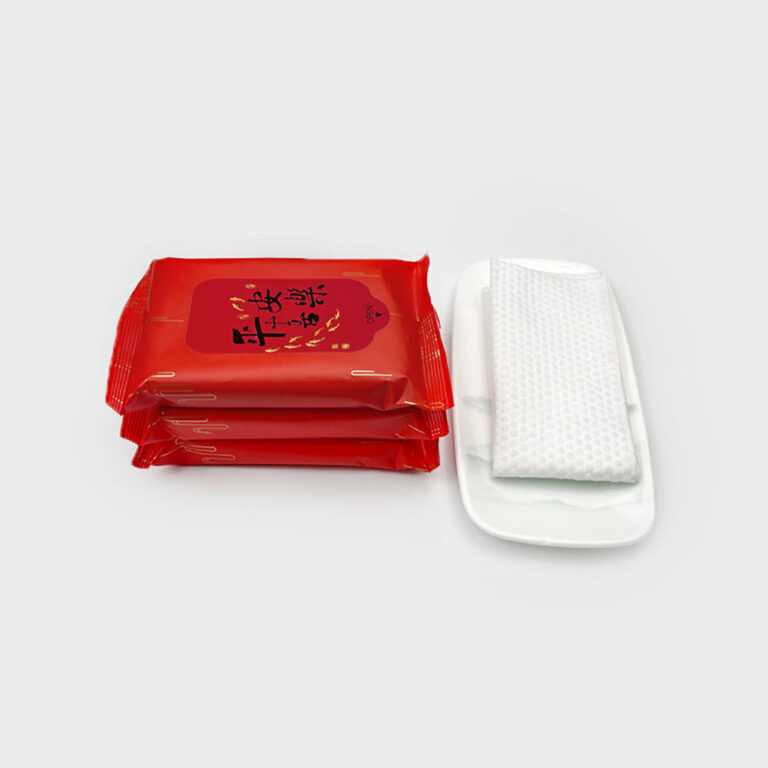
That is where pH-balanced adult wipes earn their place. The adult-diaper.com product page positions adult wipes as large-size, extra-soft wet wipes for incontinence and body cleansing, with alcohol-free, skin-friendly formulas for perineal care, full-body bed baths, home care, and professional facilities. That is exactly the right strategic framing.
The Skin Argument: Moisture Is Not Just “Wetness”
The hard truth: urine and stool residue are not cosmetic problems.
They are skin-risk problems, odor problems, dignity problems, staff-time problems, and sometimes complaint-file problems. The Cochrane review on preventing incontinence-associated dermatitis in adults describes IAD as a common skin problem in adults with urinary or fecal incontinence, where prevention involves cleansing and skin protectants or barriers.
The evidence is not as clean as marketers pretend. Cochrane found 15 trials with 1,020 adults, but also warned that evidence quality was low or very low and that products and procedures varied heavily. One study suggested a cleansing product might outperform soap and water, while another showed little or no difference.
That nuance matters.
I do not trust lazy claims like “our wipe prevents dermatitis” unless the brand can show testing, formula logic, and usage instructions. But I do trust the broader operational point: repeated adult incontinence care needs a gentle cleansing method that is easier, faster, and less abrasive than dragging someone through soap-water-washcloth routines six times a day.
The Agency for Healthcare Research and Quality also emphasizes structured skin work in pressure injury prevention, including comprehensive skin assessment, standardized risk assessment, and care planning. Adult wipes do not replace clinical assessment, but they fit inside the daily hygiene behavior that makes skin checks and moisture control more realistic.
What Better Adult Wipes Usually Have
A serious adult wet wipes SKU should not be built like a baby wipe with a new label.
Feature
Weak Adult Wipe SKU
Strong Adult Wipe SKU
Sheet size
Too small for adult perineal care
Large enough for one-hand caregiver use
Formula
Heavy fragrance, alcohol, vague “fresh” claims
Alcohol-free, pH-balanced, fragrance-free option
Strength
Tears during use
Strong non-woven sheet, stable when wet
Skin positioning
“Cleans fast” only
Cleans while supporting sensitive adult skin
Packaging
One retail pack only
Soft packs, tubs, travel sachets, bulk packs
Channel fit
Consumer-only
Home care, nursing home, hospital, retail, OEM/private label
Flush claim
Careless “flushable” marketing
Clear non-flushable labeling unless validated
This is where the site’s Adult Body Wipes pH-Balanced, Alcohol-Free Cleansing Wipes page is commercially useful. It calls out pH-balanced, alcohol-free formulas, aloe or chamomile options, fragrance-free versions, non-woven sheet strength, pop-top tubs, resealable packs, travel sachets, and “Do Not Flush” guidance unless certified flushable technology is used. That last point is not boring. It is liability-aware merchandising.
Wipes Make the Whole Incontinence Product Line Easier to Sell
Here is how buyers actually think, even when they do not say it out loud: “Can I build a basket?”
A distributor does not want one isolated adult diaper SKU. A pharmacy buyer does not want shelf confusion. A nursing home procurement manager does not want five vendors for one care routine. And an OEM/private-label buyer wants a line that looks complete enough to pitch.
But the bigger commercial reason is retention. If a family buys adult diapers and still has a miserable cleanup experience, they blame the care routine. Sometimes they blame the diaper. Sometimes they switch the brand. A good wipe SKU reduces that friction.
The Caregiver Labor Math Nobody Puts on the Front Label
Let’s talk about the hidden cost: hands.
Caregiving is not a clean spreadsheet where one unit equals one use. One bowel episode may consume one brief, three to six adult wipes, one underpad, gloves, odor-control bags, and 10 to 20 minutes of caregiver time. If the user has limited mobility, dementia, obesity, fragile skin, or transfer risk, every extra motion matters.
This is why disposable washcloths for adults often outperform traditional washcloth routines in real-world care. Not because they are magical. Because they are ready.
Open pack. Clean. Dispose.
That short sequence matters when a caregiver is working alone at 2:00 a.m., when a resident is embarrassed, when the bathroom is too small for a safe transfer, or when a facility is trying to standardize rounds across staff with different training levels.
The CDC’s residential care data makes the workload visible: 62% of residents needed help with three or more activities of daily living, and toileting assistance was needed by 50.8% of residents in 2022.
So yes, adult wipes are a hygiene product. But they are also a labor-control product.
The Formula Fight: Fragrance-Free Should Usually Win
I have a strong opinion here: fragrance-free adult wipes should be the default for nursing homes, hospitals, and serious home-care lines.
Not always. Usually.
Fragrance sells better in some retail environments because shoppers confuse scent with cleanliness. But in repeated perineal care, scent is often just another variable touching compromised skin. The site already has a smart supporting article on why nursing homes should choose fragrance-free adult wipes, and the argument is sound: long-term care is repeated cleansing, not a beauty aisle.
For a professional incontinence care product line, I would build adult wipes in three tiers:
Tier 1: Standard Alcohol-Free Adult Wet Wipes
This is the broad retail and home-care SKU. It should be soft, durable, alcohol-free, pH-balanced, and priced for repeat use.
Tier 2: Sensitive Skin Adult Wipes
This is where “best adult wipes for sensitive skin” search intent lives. Use fragrance-free positioning, skin-friendly language, and clear claims around alcohol-free, aloe, chamomile, vitamin E, or simple water-based lotion systems.
Tier 3: Institutional Bulk Adult Wipes
This is the nursing home, hospital, distributor, and OEM SKU. Pack count, dispensing speed, sheet size, carton efficiency, label compliance, and private-label flexibility matter more than pretty lifestyle copy.
The site’s Wet Wipes for Adults Sensitive & Alcohol-Free page already supports this structure with pH-balanced formulas, fragrance-free or lightly scented options, aloe/chamomile choices, dermatologically tested options, and pack formats from travel sachets to jumbo tubs.
The Compliance Reality: Bad Wipe Claims Can Backfire
Here is where some brands get reckless.
They imply medical outcomes they cannot prove. They overuse “flushable.” They treat “hypoallergenic” like a magic word. They bury ingredients. They make clinical-sounding claims without clinical evidence. And then they wonder why professional buyers ask for test reports, SDS documents, dermatology testing, and labeling support.
Adult wipes sit close to regulated-adjacent language because they touch skin, body fluids, elder care, disability care, and infection-control routines. That does not mean every wipe is a medical device. It means careless copy can create risk.
A safer commercial position is this:
Adult wipes help support gentle cleansing during incontinence care.
Adult wipes help remove urine, stool residue, sweat, and odor.
Adult wipes may be used as part of a structured hygiene routine.
Adult wipes should be selected based on skin sensitivity, care setting, pack format, and labeling requirements.
Adult wipes should not be flushed unless the product has validated flushability and local sewer guidance supports it.
That is less sexy. It is also more defensible.
For OEM buyers, the next internal step should be adult diaper OEM/ODM services, because wipes are rarely just a formula decision. They are a packaging, artwork, count-per-pack, carton, compliance, and channel-positioning decision.
Why Adult Wipes Improve SEO and Basket Strategy at the Same Time
From an SEO perspective, adult wipes are a bridge keyword.
They connect high-intent product searches like “adult wipes,” “adult wet wipes,” and “disposable washcloths for adults” with care-problem searches like “how to use adult wipes for incontinence,” “adult wipes for sensitive skin,” and “why are adult wipes important for incontinence care.”
That means one adult wipes article can support several search layers:
Search Intent
Keyword Example
Best Page Type
Informational
why are adult wipes important for incontinence care
Blog guide
Commercial
best adult wipes for sensitive skin
Category or comparison guide
Transactional
adult wipes manufacturer
Product/category page
OEM/B2B
private label adult wet wipes
OEM landing page
Caregiver education
how to use adult wipes for incontinence
Usage guide
Product-line planning
incontinence care products
Solution or category hub
This H1 is smart because it does not only chase “adult wipes.” It explains why adult wipes belong in a line. That attracts distributors, importers, care institutions, private-label brands, and content researchers — not just consumers buying a pack at midnight.
FAQs
What are adult wipes?
Adult wipes are large, pre-moistened cleansing wipes designed for adult hygiene, especially during incontinence care, bedside care, travel, and limited-mobility situations. They are typically stronger and larger than baby wipes, and better products use alcohol-free, pH-balanced formulas to help clean urine, stool residue, sweat, and odor from sensitive adult skin.
Adult wipes are used by family caregivers, nurses, nursing homes, hospitals, pharmacies, e-commerce brands, and private-label distributors. In a serious incontinence care product line, they sit beside briefs, pull-ups, pads, and underpads.
Why are adult wipes important for incontinence care?
Adult wipes are important for incontinence care because they help clean urine and fecal residue quickly, support skin comfort, reduce odor, and make repeated changes easier for caregivers. They turn adult diapers, underpads, and incontinence underwear into a more complete hygiene system rather than a simple leakage-control product range.
The skin issue is the real reason. Incontinence-associated dermatitis is linked to prolonged contact with urine or stool, and Cochrane identifies skin cleansing and barrier products as central prevention approaches, even while noting that stronger evidence is still needed.
Are adult wipes better than baby wipes for adults?
Adult wipes are usually better than baby wipes for adult incontinence care because they are commonly larger, stronger, and designed for adult body cleansing, perineal care, and caregiver handling. Baby wipes may work for light cleanup, but they often feel undersized when used for adult briefs, bowel leakage, bed baths, or repeated care routines.
The practical difference is sheet size and strength. A caregiver changing a tab-style brief on a bedridden adult needs fewer strong wipes, not a pile of small wipes that tear, fold, or smear residue.
How should caregivers use adult wipes for incontinence?
Caregivers should use adult wipes by gently wiping from front to back, cleaning all urine or stool residue, avoiding harsh rubbing, allowing the skin to dry, and applying a suitable barrier product when needed. Used correctly, adult wipes support a cleaner change routine for briefs, pull-ups, pads, and underpads.
The best routine is simple: prepare the replacement product first, open the wipe pack, clean gently, inspect the skin, dry if needed, apply barrier care if required, then secure the new absorbent product. Rushing this process creates skin and odor problems.
What are the best adult wipes for sensitive skin?
The best adult wipes for sensitive skin are usually alcohol-free, pH-balanced, fragrance-free or low-fragrance, strong when wet, and made with soft non-woven material. Formulas with aloe, chamomile, vitamin E, glycerin, or simple water-based lotion systems may be useful, but brands should avoid exaggerated medical claims without evidence.
For professional buyers, “sensitive skin” should not be just a label. Ask for formula details, dermatology testing options, sheet GSM, preservative information, fragrance options, and packaging stability.
Should adult wipes be flushable?
Adult wipes should not be marketed or used as flushable unless they are specifically designed, tested, and labeled for sewer-safe disposal. Most adult wipes are stronger than toilet tissue and should go into the trash, because careless flushable claims can create plumbing, facility maintenance, and compliance problems.
This is especially important in nursing homes, hospitals, and assisted living facilities. A blocked plumbing system can turn one hygiene shortcut into a building-wide operational headache.
Final Thoughts: Build the Wipe SKU Before the Market Forces You To
Adult wipes are essential in an incontinence care product line because they complete the care routine: absorbent products manage leakage, while wipes manage cleanup, odor, skin comfort, caregiver speed, and user dignity.
I would not build an adult incontinence range without them.
So the next step is practical: review your current adult diaper, pull-up, underpad, and pad assortment, then add a dedicated adult wipes tier with alcohol-free, pH-balanced, sensitive-skin, and bulk-care options. For private-label or wholesale planning, start with the site’s adult wipes category and connect it naturally with adult diapers, incontinence underwear, and underpads so buyers see a complete care system, not scattered products.