Should Nursing Homes Choose Fragrance-Free Adult Wipes?
Yes. Usually.
I think nursing homes should make fragrance-free adult wipes the default, because long-term care is not a beauty aisle; it is repeated perineal cleansing, mixed resident sensitivities, tight staffing, real survey exposure, and a skin-barrier problem that gets worse every time a buyer confuses “smells cleaner” with “is safer to use six times a day.” Why add one more variable when the residents are already medically complicated?
And I’ll say the quiet part out loud: in a facility setting, fragrance is often procurement theater. It makes the cart feel nicer for five minutes, then the complaints show up later.
Scent sounds nice, but workflow pays the bill
Numbers first.
The CDC’s National Center for Health Statistics, using 2009 MDS data covering 2,416,705 nursing home residents, found that 70.3% of long-term residents were not in complete control of bladder function and 54.4% were not in complete control of both bladder and bowels. That is the real market for adult wipes in nursing homes: not occasional refresh, but repeated exposure, fragile skin, and a lot of chances to get the formula wrong.
That changes everything.
If a product is going to touch the perineal area, the buttocks, the groin folds, and sometimes already-inflamed skin multiple times per shift, I do not want perfume anywhere near the top of the buying conversation; I want sheet strength, closure integrity, ingredient clarity, alcohol status, and how many wipes staff burn through during one change. Isn’t that the adult question?
The FDA says fragrances are among the common allergens found in cosmetic products, and it also notes that allergic reactions to cosmetics often appear as itchy, red rashes or contact dermatitis. In a nursing home, where one pack may be used across residents with different skin histories, different medications, and different levels of barrier damage, that matters a lot more than it does in retail self-purchase.
I do not think every scented wipe is automatically bad. I think fragranced wipes are a weaker default for a mixed facility population.
CMS’s Appendix PP is blunt: facilities must provide routine personal hygiene items and services, including incontinence care and supplies, and a resident who is incontinent of bladder must receive appropriate treatment and services to prevent urinary tract infections and restore continence to the extent possible. Notice what is missing? Any special gold star for “fresh scent.”
That is why I keep coming back to this ugly truth: nursing-home wipes are not a lifestyle product. They are part of the continence-care system.
If you need the site’s institutional angle, not the home-use fantasy version, the right supporting page is adult diapers for home care vs institutional care. The split is not emotional. It is operational.
One survey report says more than ten brochures
Read the record.
In an Indiana survey report dated November 13, 2024, inspectors described a resident with a strong urine odor detectable from the doorway, a brief soiled through with urine and stool, and a care plan that required preventative skin care with each incontinent episode; the administrator acknowledged the resident should have been changed every two hours. That is what bad continence workflow looks like in real life, and no amount of fragrance fixes it.
So when I hear someone say, “Maybe a light scent will improve the resident experience,” my first response is simple: are we solving skin care, or are we dressing up delayed care?
What actually belongs in the wipe spec
Specs matter.
A nursing home should judge adult wipes by how they behave under stress, because repeated cleansing, rushed changes, and fragile skin expose weak formulas and flimsy sheets fast, while fragrance mostly adds label complexity and sensitivity risk without fixing the underlying causes of odor, leakage, or delayed changes. Why do so many buyers still let scent hijack the meeting?
Buying factor
Fragrance-free adult wipes
Fragranced adult wipes
My take
Mixed-resident suitability
Stronger default
Riskier default
Fragrance-free wins
Policy defensibility
Cleaner and easier
More exceptions to explain
Fragrance-free wins
Skin-complaint exposure
Lower added-fragrance risk
Higher complaint potential
Fragrance-free wins
Odor perception
Less sensory cover
Stronger immediate scent
Not the same as real odor control
Ingredient clarity
Usually simpler to evaluate
Often more variables
Simpler is better
Staff workflow impact
Neutral to positive
Neutral unless complaints rise
Choose the lower-risk formula
Family perception
Less “fresh” at first sniff
Can feel cleaner for a moment
Do not buy for first sniff
My rule is not complicated: write fragrance-free into the default SKU, then spend your actual energy on sheet size, wet strength, alcohol status, pack closure, dry-out resistance, and whether the wipe still performs after the cart has been opened fifty times on night shift.
In March 2024, Bloomberg Law reported final approval of a settlement worth between $10 million and $17.5 million over recalled lots of Cottonelle Flushable Wipes contaminated with bacteria. Different channel, yes. Same warning: wipes are not a harmless little accessory category, and once contamination, labeling, or irritation claims get involved, the cost moves fast.
The FDA makes the operating risk even clearer on its disposable wipes guidance page: keep containers tightly closed, store them properly, check ingredients if users have sensitive skin or allergies, and remember that some wipes have been recalled for contamination with bacteria or mold. That is a manufacturing-and-handling issue, not a fragrance issue, but it is exactly why I hate watching buyers obsess over scent while ignoring seal quality and storage discipline.
Real odor control is dull.
It comes from fast changes, drier containment, better underpads, fewer leaks, fewer missed rounds, and fewer hours with urine or stool sitting against the skin. Doesn’t that sound more serious than “fresh linen” perfume?
My verdict, without the sugar coating
Choose fragrance-free.
I think nursing homes should default to fragrance-free adult wipes unless a buyer can prove three things at once: the resident population actively wants scent, the facility has no sensitivity pattern worth respecting, and the fragranced formula survives a controlled trial without more redness, stinging, complaints, or wasted wipes. Most facilities cannot prove that. Most should not try.
That is not anti-scent dogma. It is risk management.
FAQs
What are fragrance-free adult wipes?
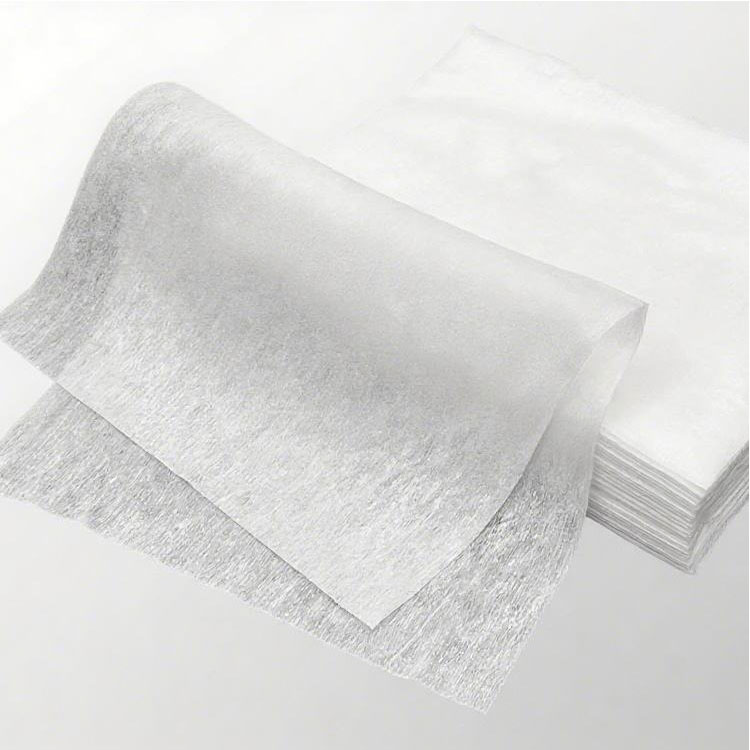
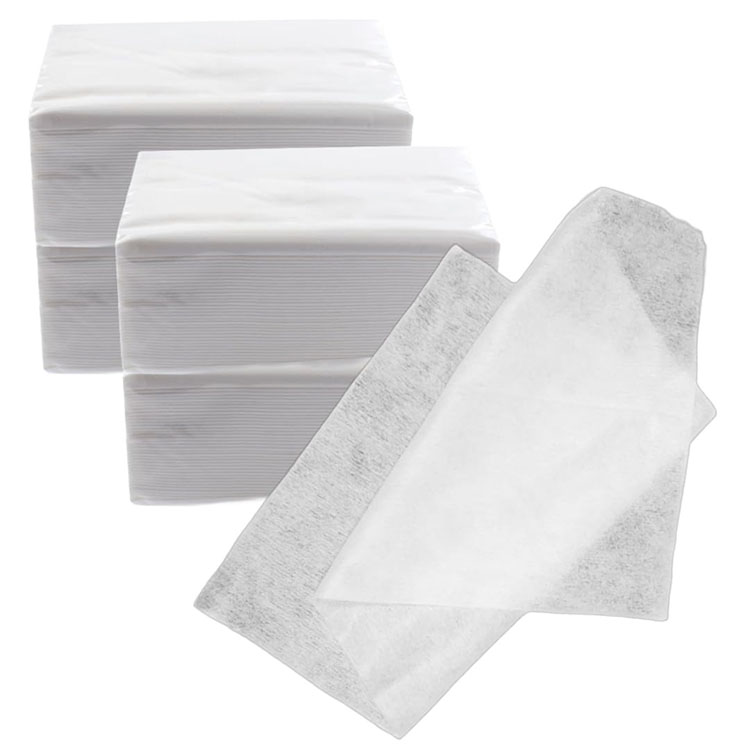
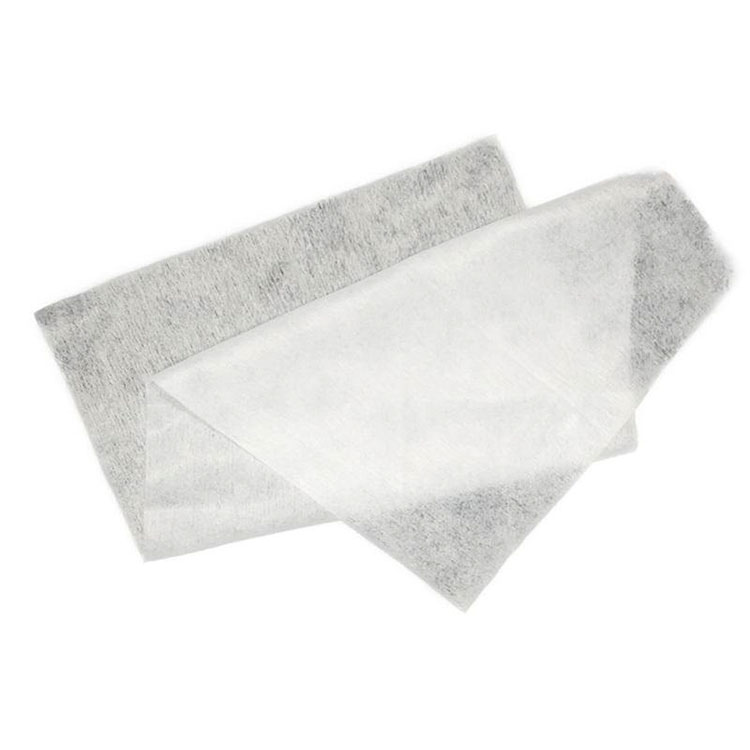
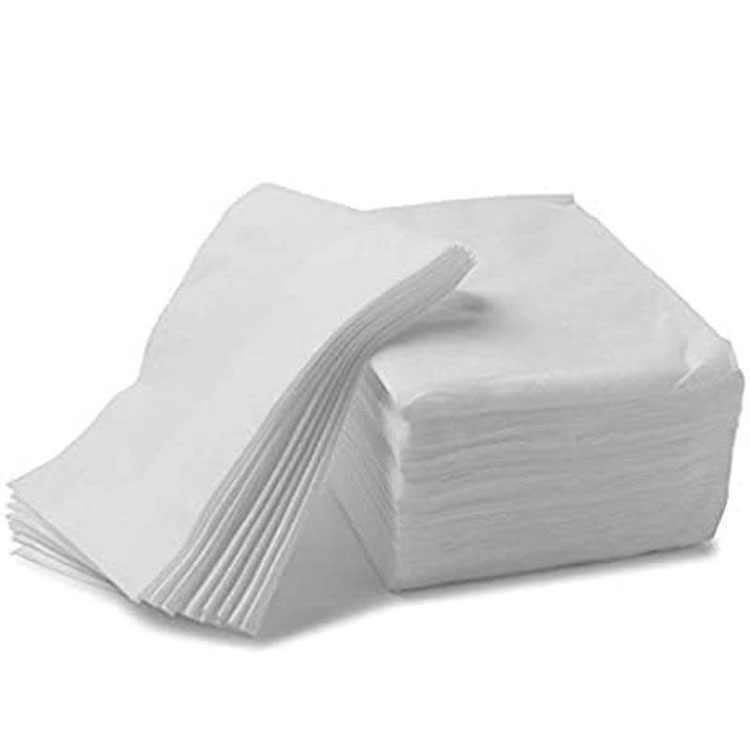
Fragrance-free adult wipes are pre-moistened cleansing cloths for incontinence care or full-body hygiene that are formulated without added fragrance ingredients, making them the safer default for repeated skin contact, mixed resident populations, and facilities trying to cut avoidable irritation variables in daily care routines.
In plain English, they remove one nonessential trigger from a product that already has enough jobs to do. In nursing homes, that is usually the smarter bet.
Are unscented adult wipes the same as fragrance-free adult wipes?
Unscented adult wipes are not automatically the same as fragrance-free adult wipes, because “unscented” can still hide formulation choices meant to suppress odor, while fragrance-free is the cleaner procurement standard when you want fewer assumptions and tighter ingredient scrutiny.
I would never treat the two terms as interchangeable without a full ingredient review. Buyers who do that are asking for messy feedback later.
Are fragrance-free adult wipes always better for nursing homes?
Fragrance-free adult wipes are usually the best default for nursing homes, not because every scented wipe fails, but because long-term care involves repeated perineal cleansing, shared product use across residents with different sensitivities, and regulatory exposure when preventable skin problems or care delays stack up.
That word matters: default. A facility can still allow exceptions for resident preference. It just should not build the core standard around perfume.
What specs matter more than scent when buying adult wipes?
Sheet size, GSM or wet strength, alcohol status, pack closure, ingredient disclosure, pH positioning, and trial performance matter more than scent because they determine caregiver efficiency, skin friction, drying risk, contamination exposure, and whether a facility can defend the product choice under pressure.
I would also track wipe count per change, sting or redness reports, closure failure, and dry-out after opening. That is where weak products get exposed.
Should nursing homes ban fragranced wipes completely?
Most nursing homes do not need a total ban, but they do need a fragrance-free default policy with tightly limited exceptions for resident-directed preference, low-frequency use, and clearly documented trials showing no spike in complaints, redness, or workflow waste.
That is the grown-up middle ground. Not ideology. Just discipline.
What I would do next
Write the standard now.
Start with the site’s adult wipes category, compare it against the adult body wipes, pH-balanced and alcohol-free spec, and then use the OEM/ODM services page to lock the non-negotiables into your buying brief: fragrance-free language, alcohol status, sheet strength, pack closure, clear disposal wording, and a 7-to-14-day floor trial.
My advice is blunt because the category deserves it: make fragrance-free adult wipes your nursing-home default, then prove a scented option belongs there before you let it in.