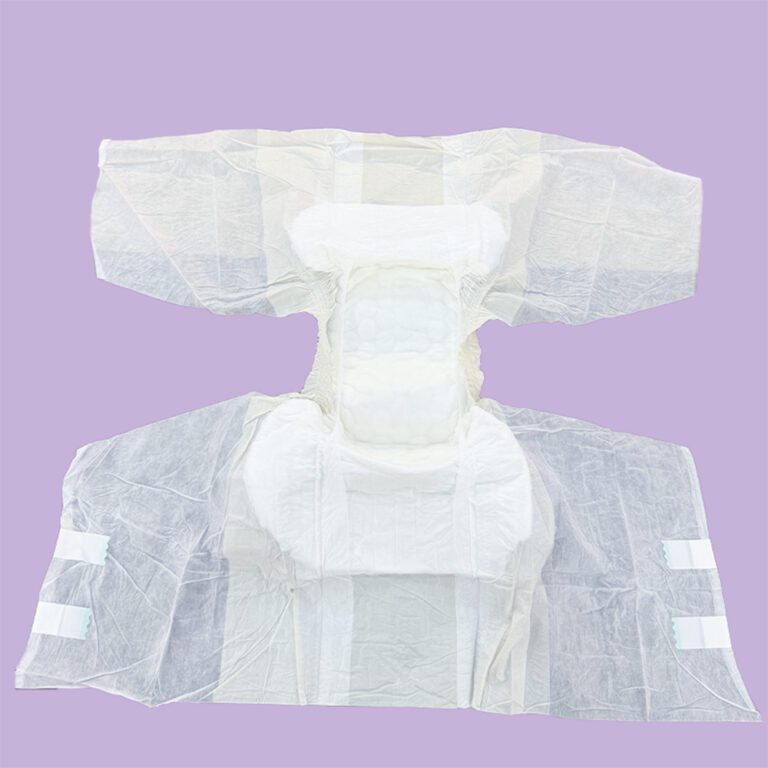
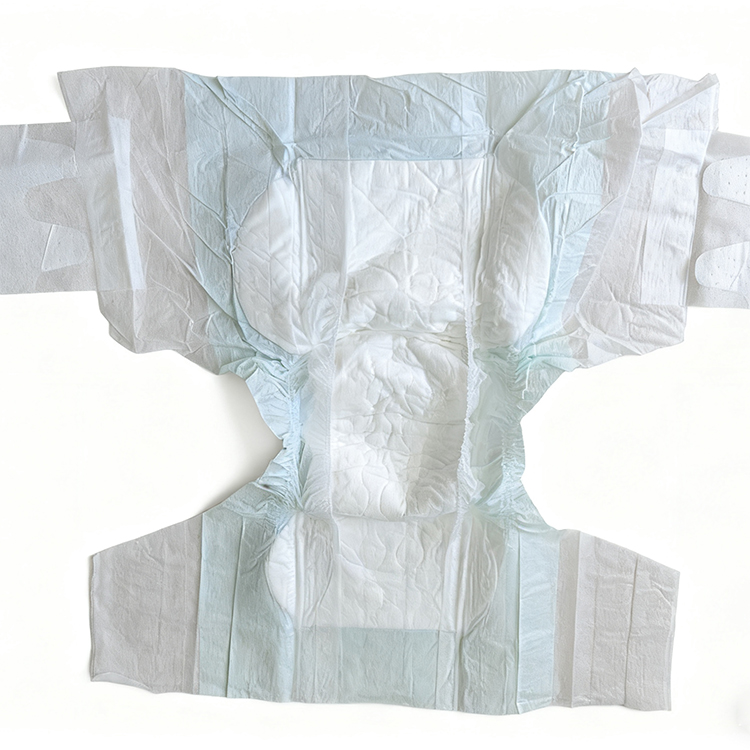
Most people talk about adult diapers as if the category is a softness contest with a few absorbency badges taped on top, but once I strip away the packaging copy and look at who is changing the brief, how fast they have to do it, and what happens when it fails, the market splits into two operating systems that barely resemble each other. Why do brands keep pretending one SKU can serve both?
In institutional care, labor is the product. In April 2024, CMS’s nursing home staffing final rule set a baseline of 3.48 hours per resident day, including 0.55 RN hours and 2.45 nurse-aide hours, plus a 24/7 RN requirement, for facilities covered by the rule. That is not abstract policy talk. It tells me every extra minute during a change now has budget weight. And when Reuters reported in August 2024 that Texas sued over the rule, arguing rural homes could be pushed toward closure, the subtext was obvious: facilities will keep hunting for products that cut workload, not just leaks.
Here is my blunt take.
If a facility brief is marketed on “comfort” before it is marketed on change speed, reseal performance, leg-seal control, and fewer linen turns, someone from marketing won the meeting and nobody from night shift was invited.
Table of Contents
Home care is messier, more emotional, and usually more expensive than people admit
Home care lies.
Not because families are dishonest, but because they routinely understate severity, overestimate mobility, and buy for dignity first, then discover at 2:13 a.m. that “looks like underwear” was never the real decision variable, especially when transfers are hard, bowel events show up, or a spouse is doing the change alone in a narrow bathroom. Sound familiar?
The 2024 Medicare-based analysis in The Prevalence of Incontinence and Its Association With Urinary Tract Infections, Dermatitis, Slips and Falls, and Behavioral Disturbances is a useful reality check. Published in 2024 using 2018 Medicare fee-for-service claims, it found incontinence prevalence at 24.5% among people receiving formal healthcare at home, versus 20.6% in skilled nursing facilities, 16.6% in nursing homes, and 8.6% under self- or family care. The same study found incontinent members had 5 times more UTIs and 2 times as many dermatitis events than those without an incontinence diagnosis. So no, home care is not automatically the “lighter” end of the market.
And the money? Families bleed quietly. AARP’s December 2024 caregiver finance report says nearly 80% of family caregivers cover out-of-pocket care costs averaging $7,200 a year, while direct care workers ranged from $5,700 to $6,300 per month in 2024. That is why home care buyers hate waste, half-used packs, wrong sizing, noisy plastic backsheets, and overbuilt overnight products used in daytime routines. They are not buying units. They are buying fewer bad nights.
If I were guiding a home-care buyer through this site, I would not start with generic category fluff. I would start with the core adult diapers for moderate to heavy needs page, then move straight into tab-style briefs for heavy and bedridden care, because that is where the fit, dignity, and caregiver-assist reality finally shows up in plain language.
Institutions buy workflow, not reassurance
Three hard words.
Faster. Cleaner. Repeatable.
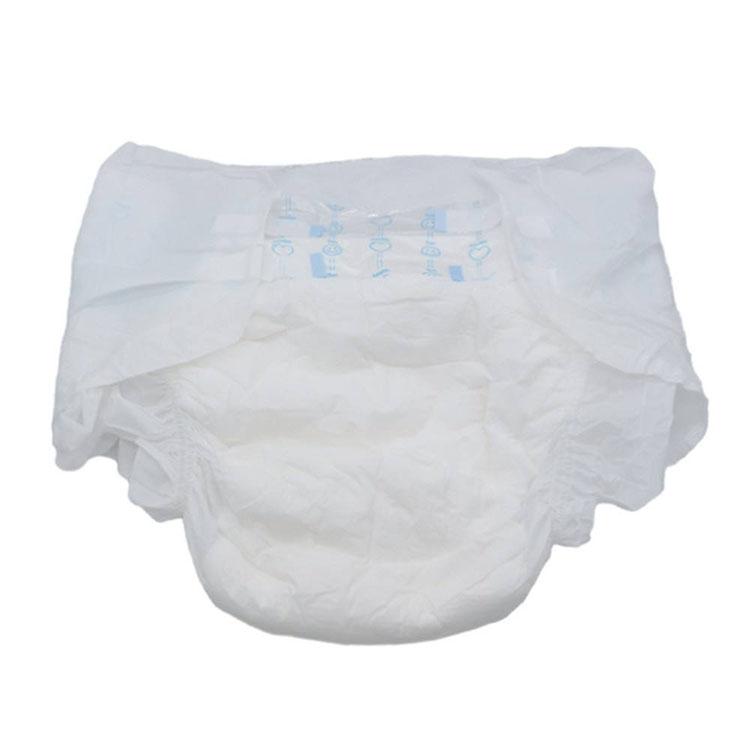
That is the institutional brief brief, and it is why tab-style products keep winning in facilities even when pull-ups look better on a shelf, because the facility is optimizing for open-flat application, quick checks, easy resealing, less lifting, more predictable rounds, and fewer leak incidents that turn into skin issues, linen waste, and charting headaches. The site’s own pull-ups vs briefs by channel guide gets this mostly right: channel decides the winner, and institutions lean toward what protects workflow.
I’ll say something unpopular.
A lot of institutional buyers still get fooled by lab absorbency talk when the real failure point is geometry: tab angle, leg-cuff tension, waist adjustment window, rewet behavior, and whether the product stays sealed during a side turn. That is why a supposedly “premium” brief can lose to a less glamorous one if the tabs reseal better and the caregiver does not need to undress the resident fully. I have seen expensive products lose not because the core was weak, but because the round was slow.
Support SKUs matter too. The site’s disposable underpads for adults page makes a point many suppliers bury: underpads are not side characters in institutional care; they are damage-control tools that protect beds, chairs, mattresses, and staff time when fit is being adjusted or output spikes overnight. I agree. A facility without a brief-plus-underpad system is usually just moving failure from the body to the linen cart.
The comparison table buyers should actually use
I built the table below from the CMS staffing pressure, the 2024 Medicare prevalence analysis, and the 2024 caregiver-cost data, then overlaid it with the site’s own channel and bedside-care content. This is the version I would hand to a procurement lead, a discharge planner, or a family caregiver who is tired of vague advice.
Test reports, compliance docs, stable case packs, repeatability
B2B buyers should ask harder questions
What smart buyers ask before they place the order
Ask better questions.
For home care, I ask whether the user can toilet independently, stand for even 20 seconds, tolerate a pull-up change, sleep on the side, and communicate discomfort before a leak becomes a skin problem. Then I ask about pack waste, not just absorbency. If the family is buying “maximum overnight” for daytime reassurance, there is usually a fit or routine problem hiding underneath.
For institutions, I ask who is doing the change on the worst shift, how many residents need assist, how often checks happen, whether the brief must be reopened without destroying the fit, and how many linen turns per week are being written off as “normal.” Normal is often just expensive failure that got culturally accepted.
And for suppliers? I stop listening when the claims get poetic. If a manufacturer cannot back the product with adult diaper test reports and certifications, a stable OEM/ODM services process, and a coherent category structure across briefs, pull-ups, underpads, and wipes, I assume the absorbency pitch is doing too much work. In this market, paperwork is not decoration. It is a trust filter.
FAQs
What is the main difference between adult diapers for home care and institutional care?
Adult diapers for home care are absorbent products chosen primarily around dignity, fit stability during mixed mobility, small-pack economics, and family labor limits, while institutional-care diapers are selected around change speed, caregiver access, documentation risk, staffing pressure, and bulk procurement discipline. In plain terms, home care buys fewer bad nights; institutions buy fewer bad rounds.
Are pull-ups or tab-style briefs better for nursing homes?
Tab-style briefs are generally better for nursing homes because they open flat, reseal after checks, reduce undressing, and give staff tighter control over waist and leg fit during bed-level or assisted changes, whereas pull-ups work better when the user is mobile and managing toileting more independently. I would still keep some pull-ups for selected residents, but I would not let them define the facility standard.
Why do family caregivers often choose the wrong product?
Family caregivers often choose the wrong product because packaging rewards emotional reassurance and discretion, while the real predictors of success are mobility, caregiver-assist level, side-sleeping, bowel events, skin sensitivity, and whether one person can complete a clean change without turning the whole room into a recovery zone. That is why “maximum absorbency” is so often a panic purchase instead of a good decision.
What should procurement teams demand from adult diaper suppliers?
Procurement teams should demand repeatable specs, tab performance consistency, leak-control evidence, sensible case-pack planning, and verifiable compliance paperwork, because institutional continence products fail less often when buyers evaluate them as systems of labor, skin protection, and replenishment rather than as isolated absorbency claims on a glossy bag. I would also ask for support-SKU logic, especially underpads and wipes, before I sign any volume commitment.