Underpads Manufacturer Guide: Disposable vs Washable
If you buy underpads in bulk, you’ve probably heard the same debate on repeat: “Disposable is cleaner.”“Washable is greener.” Both are true, and both can be wrong—depending on the care setting.
My take: smart buyers don’t pick one. They build a two-lane underpad lineup (disposable + washable) and match each SKU to the workflow on the floor. That’s how you cut leak complaints, calm the laundry room, and keep reorders boring (boring is good).
Below are the core arguments I’m using (with sources) so you can quote them in your own buyer deck.
Key arguments
Argument (what you can claim)
What it affects
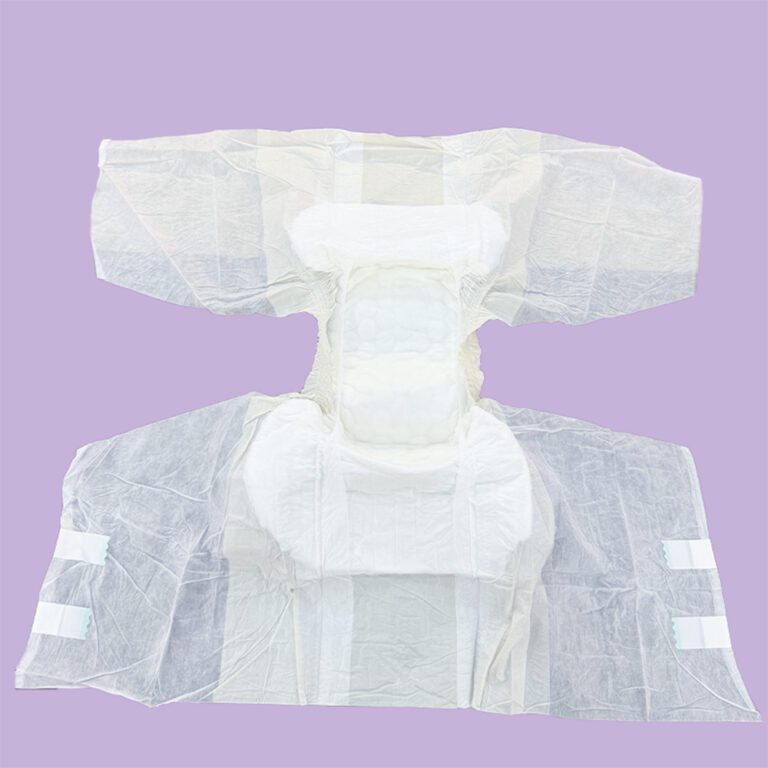
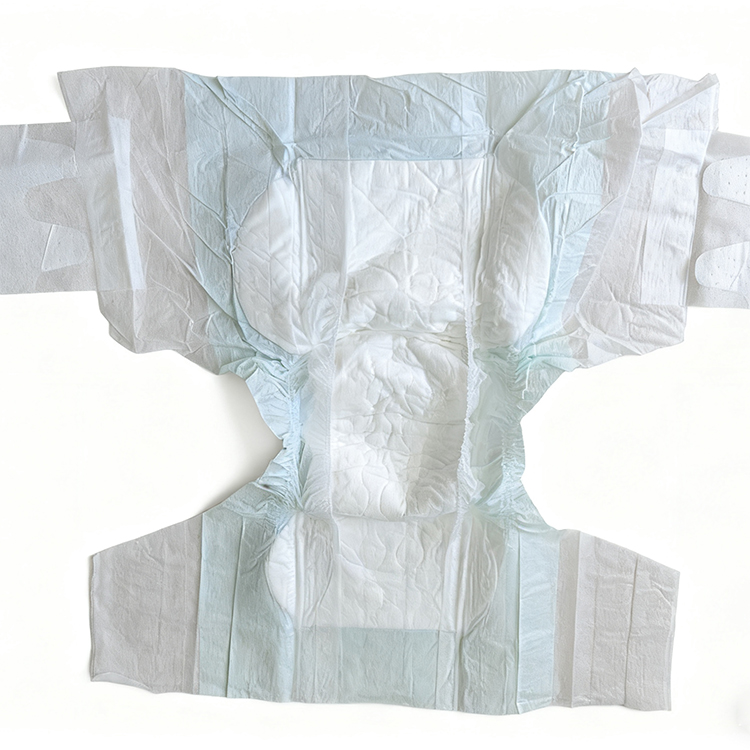
Underpads protect beds/chairs/wheelchairs/exam tables using a topsheet + absorbent core + waterproof backing
Leak prevention, change routine
In real care workflows, performance lives in strike-through time + rewet (wet-back)
“River effect,” edge leaks, skin complaints
LCA results show reusable underpads can reduce energy (71%), GHG (61%), blue water (~56–57%), solid waste (97%) vs disposables (functional-unit adjusted)
Sustainability claims for tenders
One LCA summary notes 2.12 disposables per reusable on an adjusted patient day basis, so 2,120 disposable uses were compared to 1,000 reusable uses
“Apples-to-apples” comparison
A tight underpad OEM spec prevents the “same-same” factory argument and reduces claim drama
QC consistency, reorder stability
LOVINHUG is referenced as the manufacturing team behind Adult-Diaper.com in the OEM workflow context
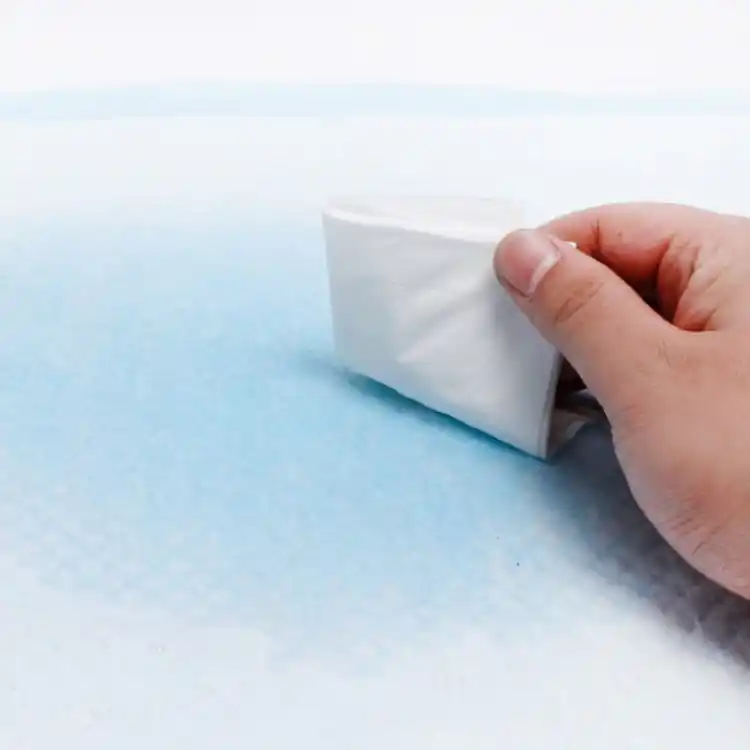
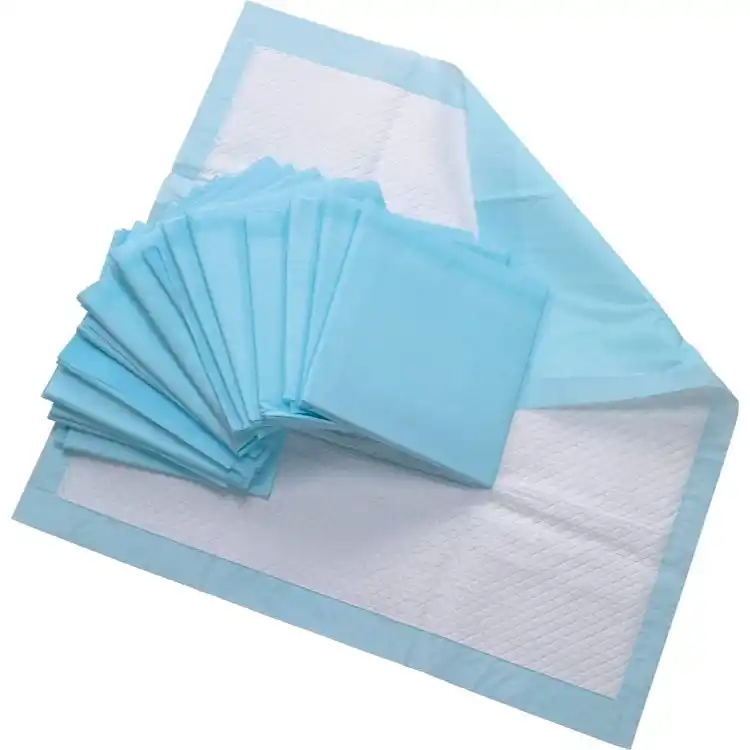
Underpads (bed pads) sit on mattresses, chairs, wheelchairs, and exam tables to block urine, body fluids, and spills. They typically use a soft non-woven topsheet, an absorbent core, and a waterproof backing to stop leaks from reaching the surface below.
If you’re building a B2B assortment, start here: Underpads
Quick “which one” table for real-world scenarios
Scenario (what’s happening)
Disposable underpad
Washable underpad
Why it works
Hospital bed turns, wound care, lots of bodily fluids
✅
⚠️
Single-use keeps cleanup fast and reduces handling of soiled textiles
Nursing home night shift, predictable routines
✅
✅
Mix both: disposable for heavy events, washable for daily protection
Home care agency with tight storage
✅
✅
Disposable for “grab-and-go,” washable when family has laundry capacity
Wheelchair/chair protection, transfers all day
✅
✅
Backing grip + placement matter more than “ultra thick” marketing
E-com private label: want multiple price tiers
✅
✅
You can segment SKUs by absorbency, size, pack-out
Disposable Underpads for Adults: Single-Use Bed & Furniture Protection
Disposable underpads win when you need speed, predictable change routines, and simple hygiene. You place it, smooth it, and you’ve got a clean barrier.
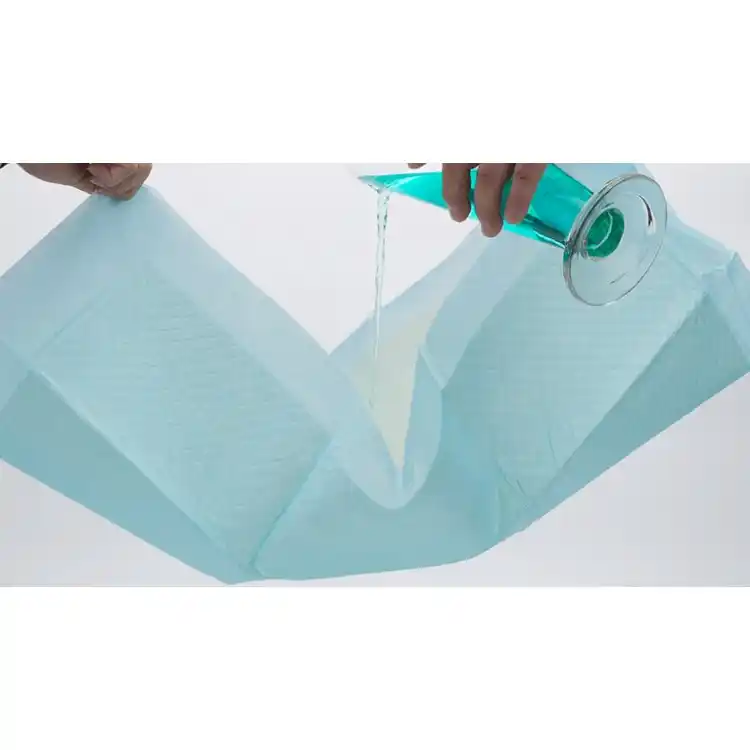
This build sounds basic, but it’s the whole product: topsheet pulls fluid down, core holds it, backsheet blocks leaks. That’s why disposables show up everywhere from hospitals to home nursing.
Where disposables shine
“Fast change” workflow: staff can swap the smallest thing (the pad), not the whole bed.
Lower mess during high-turnover care: think admissions, rehab rooms, wound care, bedside cleanups.
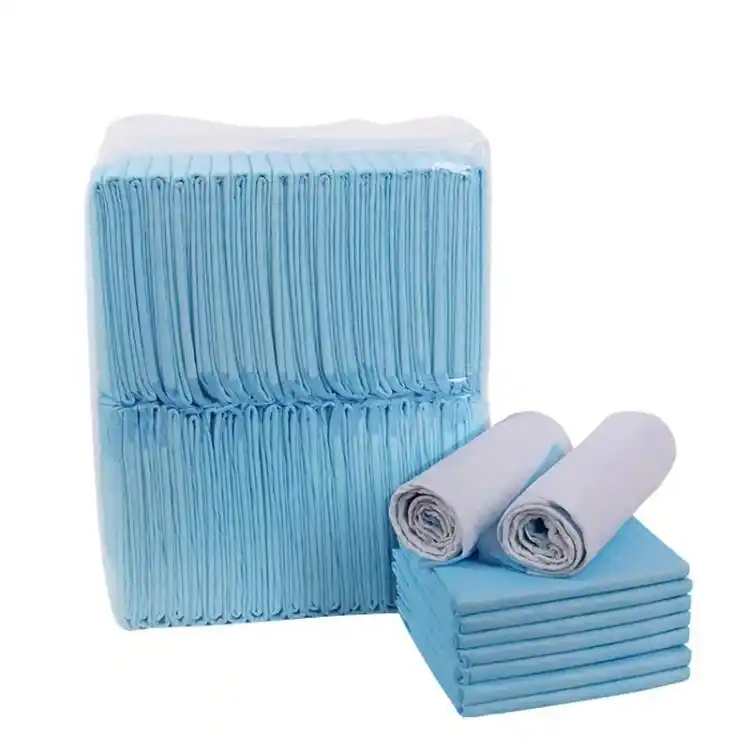
Easy pack-out for wholesalers: you can run multiple case packs without changing the core design too much (buyers love that).
One small warning: if intake is slow, liquid runs sideways and finds an edge. Staff calls this the “river effect.”
Reusable Underpads for Beds and Chairs: Washable Protection
Washable underpads win when you’ve got a working laundry loop and you want to cut daily waste. They protect the surface, then you wash and reuse. Simple.
Reusable pads usually rely on strong stitching, a soft contact layer, an absorbent middle, and a waterproof backing to block leaks wash after wash.
Waterproof backing: PU, PVC, TPU options
From an OEM angle, backing choice is a real lever (and yeah, buyers ask about it). Adult-Diaper.com lists backing choices like PVC, PU, or TPU for reusable underpads.
Here’s the honest part: washable underpads work best when the facility doesn’t “cheap out” on process. If laundry gets overloaded, pads come back damp, and then everything smells… not good.
Strike-Through Time and Rewet: What Care Teams Notice First
Most complaints don’t start with “absorbency.” They start with two specs buyers forget to ask for:
Intake speed (strike-through time): how fast liquid goes down
Retention (rewet / wet-back): whether it stays locked when someone turns, sits, or transfers
If you’re selling into nursing homes, this is your painkiller line: slow intake = river effect = edge leak = linen change = angry calls.
Environmental Footprint: Life Cycle Assessment for Reusable vs Disposable Underpads
If you sell tenders (hospitals, groups, government), sustainability language comes up a lot now. A published LCA summary reports that choosing reusable underpads versus disposables reduced total natural resource energy consumption by 71%, greenhouse gas emissions by 61%, blue water consumption by ~57%, and solid waste by 97%.
Another LCA summary explains the comparison method: 2.12 disposable pads per reusable pad on an adjusted patient day basis, so 2,120 disposable uses were compared to 1,000 reusable uses.
LCA numbers you can use in a tender slide (no cost math)
Metric (LCA summary)
Reusable vs disposable result
Notes
Energy consumption
-71%
Functional unit adjusted
GHG emissions
-61%
Carbon equivalents
Blue water use
~ -56% to -57%
“Blue water” savings
Solid waste
-97%
Huge landfill impact
Comparison basis
2,120 disposable uses vs 1,000 reusable uses
Adjusted patient day logic
Small reality check: sustainability isn’t the only KPI. If a facility can’t manage laundry, washable pads can turn into a workflow mess. So don’t oversell it. Sell the fit-for-setting.
Underpad OEM Spec Basics for B2B Buyers
If you’re doing OEM/ODM, your spec isn’t “paperwork.” It’s a build command. A loose spec creates leakage complaints and endless back-and-forth. A tight spec locks QC and makes reorders stable.
Argument 1: Start with the use case, then lock size and absorbency
Don’t start with materials. Start with where it’s used (bed, chair, wheelchair, exam table) and how often it gets changed. That’s how you stop suppliers from guessing.
A lot of “wrong size” complaints are really wrong coverage—core area, core position, edge seal width, corner curl. That’s why the spec calls out things like effective absorbent zone and core placement (aka “core drift” when it shifts).
Argument 4: Define each layer’s job, don’t just say “X layers”
“4-layer underpad” sounds nice in a meeting. It means almost nothing in a factory. The spec recommends writing layers by function + material (topsheet, ADL, core, wrap, backing).
And yes—LOVINHUG shows up in the OEM workflow context as the manufacturing team behind Adult-Diaper.com, so it fits naturally when you’re talking factory execution.
If you’re sourcing private label at scale, here’s the services hub: OEM/ODM Services