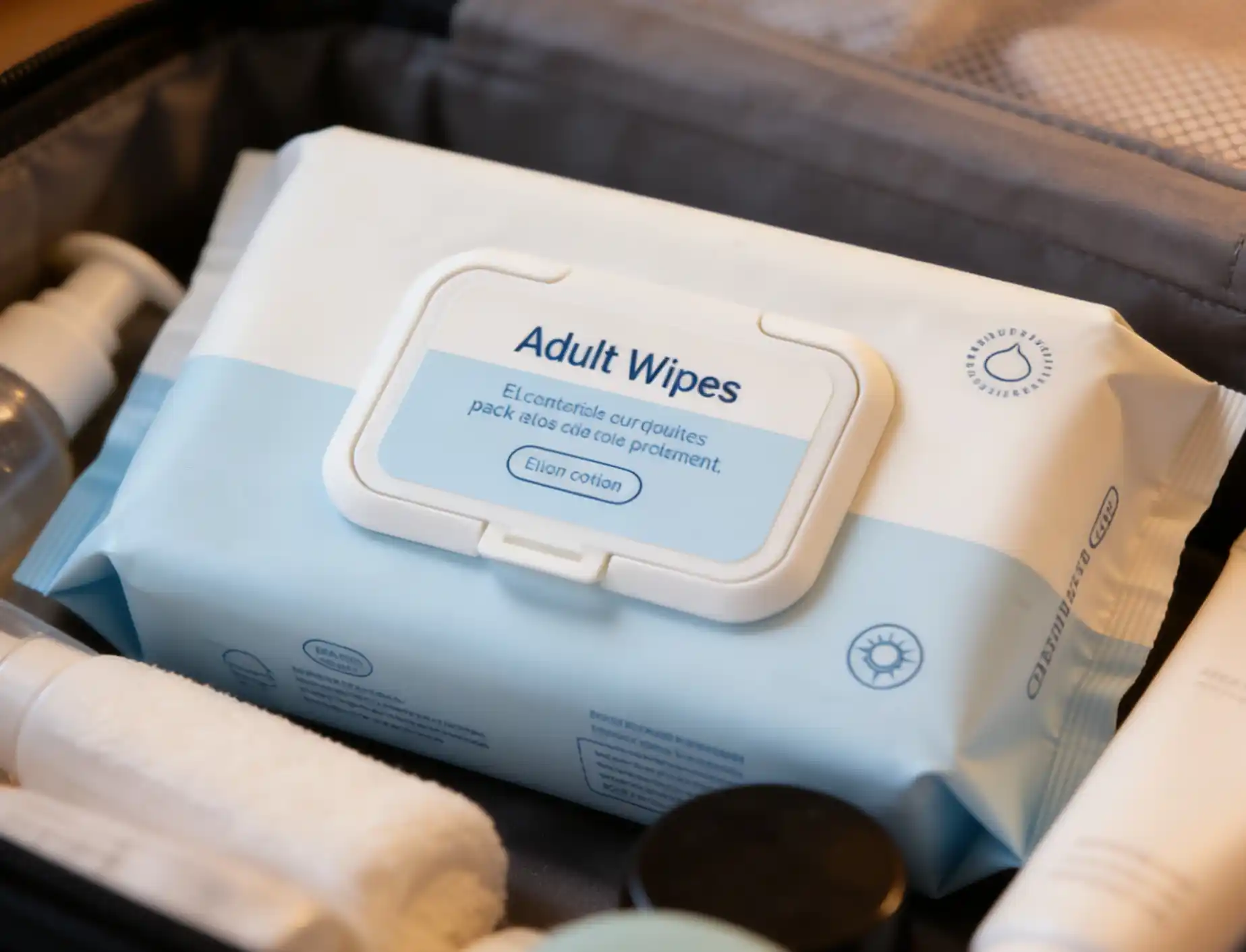
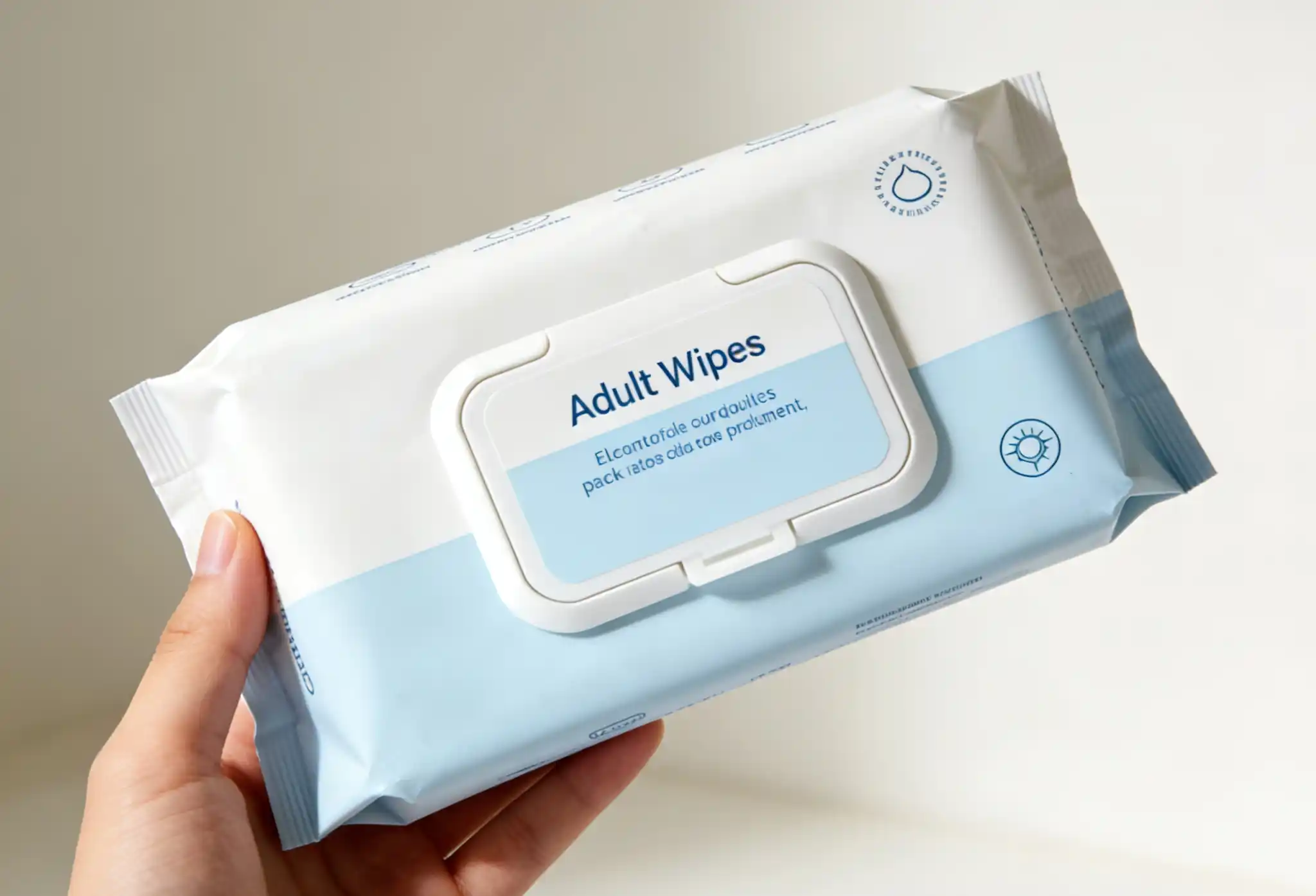
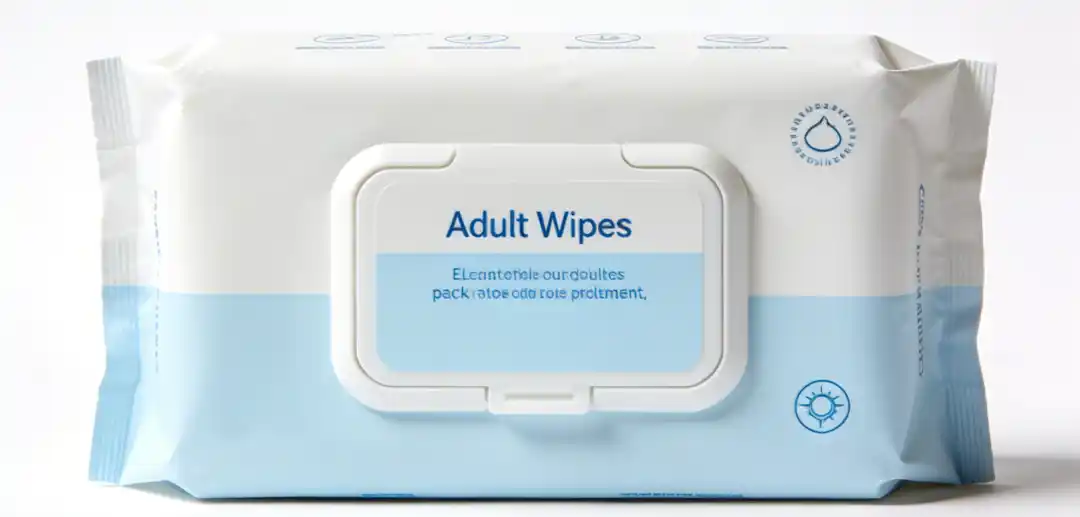
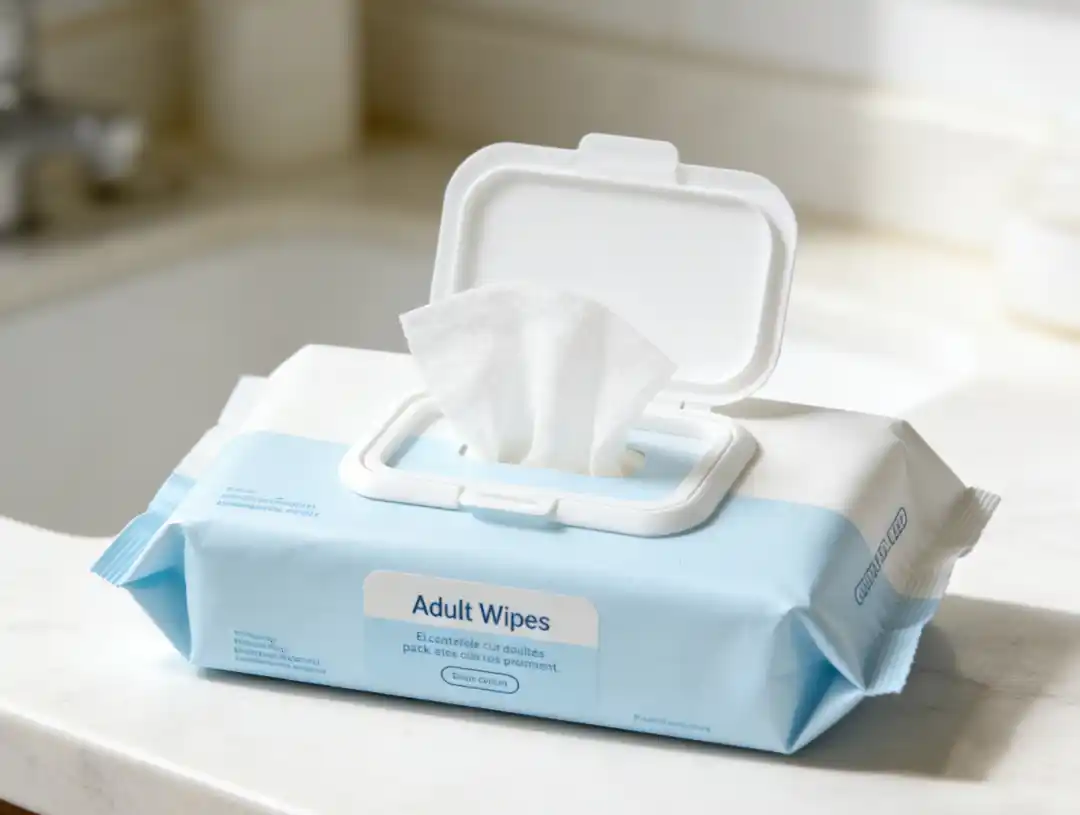
How to Choose Adult Care Wipes: Size, GSM, Lotion Load
If you’ve ever handled adult incontinence care, you already know this: wipes aren’t “just wipes.” The wrong one slows down changes, irritates skin, and burns through inventory like crazy. Then your buyer says, “Why are we using so many sheets per change?” and suddenly you’re in a messy meeting.
So here’s my opinion, straight up. If you pick adult care wipes for B2B (nursing homes, home-care agencies, hospitals, importers, distributors, private label sellers), you should stop chasing buzzwords and lock in three specs:
Size
GSM (basis weight)
Lotion Load
These three are your real levers. They hit caregiver speed, skin comfort, and pack performance. Everything else is just extra seasoning.
For OEM/ODM wipe programs, you can start from your category page here: Adult Wipes
Size for adult care wipes
Adult cleanup has a different “contact area” than baby care. Also, adult episodes can be heavier. That’s why adult wipe sizing matters more than people admit.
Most adult wipes you see in the market commonly land around 8 × 12 in, and “XL” options often go up to 9 × 13 in. Bigger sheets usually mean fewer wipes per change, which reduces friction on skin and saves time on the cart.
Common adult wipe sheet sizes
Size keyword
Typical sheet size
What buyers really mean
Where it fits best
Standard adult wipe
~8 × 12 in
“Do the job without doubling up too much”
Home care, clinics, general nursing use
XL adult wipe
~9 × 13 in
“Fewer sheets per change, faster cleanup”
Nursing homes, care facilities, high-volume shifts
My take: If your customers complain about “wipe count,” go bigger first. Don’t overthink it. A larger sheet is often the simplest fix.
Real-world sizing scenarios
Nursing home cart: Staff want one wipe to cover more area, then fold for clean edges. If they’re grabbing three sheets every time, your size is probably too small.
Home caregiver: They want easy handling. Too big can feel awkward. Standard adult sizing often feels more “controlled.”
Hospital / clinical setting: Consistency matters. If size changes between batches, nurses will notice and complain. They always do.
GSM (basis weight) for adult wipes
GSM sounds nerdy, but it’s the fastest way to avoid wipes that tear. GSM is the basis weight. It means how heavy the wipe substrate is per square meter. (This definition is standard in nonwovens terminology used across the industry.)
Higher GSM often gives you:
better wet tensile (it won’t rip when wet)
a more “washcloth” handfeel
more absorbency and body
Lower GSM often gives you:
softer drape
lighter sheet feel
easier dispensing, sometimes
GSM ranges you’ll see in practice
Here’s a simple way to talk about it with B2B buyers.
GSM level
What it tends to feel like
Typical pain point it solves
Typical pain it can cause
Lower GSM
lighter, more “thin cloth”
good for light cleaning, quick wipe
can shred / tear during pericare
Mid GSM
balanced, stable
everyday changes, general care
can feel “meh” if lotion is weak
Higher GSM
thicker, more robust
heavy cleanup, fewer sheets used
can feel stiff if fiber/bonding is off
Industry slang buyers use: “I need wet strength.” “No lint.” “Don’t shred.” “No roll-up.” Those are GSM + substrate engineering problems, not marketing problems.
Lotion load for adult care wipes
Now the part people mess up. Lotion load is basically how much liquid you load onto the dry wipe base. Patent and formulation literature often defines it as the weight of lotion relative to the dry substrate weight, shown as a percentage.
Why you should care: lotion load changes the wipe’s glide. Glide changes friction. Friction changes redness risk. It’s not complicated, but it’s easy to ignore.
Lotion load and user complaints
Too dry usually triggers:
“It drags on skin.”
“We needed four wipes.”
“Skin looks red after changes.”
Too wet usually triggers:
“It leaks in the soft pack.”
“The reseal label stops working.”
“Hands feel sticky. Ew.”
So you want “wet enough to glide” but “not so wet that packaging fails.” That’s the sweet spot.
Lotion feel matters as much as lotion quantity
Even with the same load, lotion can feel different:
fast-dry feel = less residue, more “clean finish”
creamy feel = more slip, more comfort, can feel heavier
If your market focuses on skin care positioning, keep it gentle and non-irritating. Your site messaging already matches this direction (adult wipes positioned for hygiene, sensitive skin, and care use).
Adult care wipes spec table
Here’s a simple spec-style table you can use in product planning or for a buyer one-pager.
Spec
What to request
Why it matters in care work
What “good” looks like
Size
unfolded sheet size + fold type
coverage, wipe count per change, handling
adult-appropriate sheet, folds allow clean edges
GSM
basis weight + substrate type
wet strength, thickness feel, absorbency
stable wet tensile, no shredding
Lotion Load
load target + lotion type
glide, comfort, pack performance
stays wet to last sheet, no pooling
Source notes (no black-bar citations):
“Basis weight/GSM” definitions are standard in the nonwovens industry (commonly referenced by EDANA/INDA terminology).
“Lotion load as % of dry substrate weight” appears widely in wipe formulation and patent-style technical descriptions.
Adult wipe market sizing commonly clusters around ~8×12 in with XL around ~9×13 in.
Adult care wipe use cases
Let’s talk about where your buyers live, day to day.
Nursing home and elder care facilities
Their pain point is speed + skin integrity. They don’t want “premium wording.” They want fewer sheets used per resident-day and less skin irritation.
Spec direction that usually works:
larger size
mid-to-higher GSM for wet strength
lotion that glides, not slimy
Also, they love consistent case packs and stable supply. If you do OEM/ODM, they’ll ask about MOQ and lead time in the first call.
Home care service providers
They care about:
easy handling
reliable reseal
gentle feel for repeated cleaning
They’ll also bundle wipes with briefs and pads. If you offer a full line, it makes sourcing easier:
Distributors, importers, and private label sellers
These buyers want a spec that sells. They’ll ask:
“Can you match our handfeel?”
“Can you do multi-language packaging?”
“Can you keep the same substrate batch-to-batch?”
This is where OEM/ODM structure matters. Your positioning is clear: China-based factory, certifications, flexible MOQ, and private-label capability. That’s exactly the pitch distributors look for when they want a stable partner.
If you’re building a private label program, point them here: OEM/ODM
Where LOVINHUG fits naturally
If you’re running B2B channels, you don’t want random one-off stock. You want a wipe that matches the rest of the care routine. LOVINHUG sits well here because the product family can line up together under one manufacturing system: wipes + diapers + pads + underpads.
That matters for branding, but also for ops. Fewer suppliers. Fewer spec surprises. Less rework. More “same same” shipments.