Sensitive skin doesn’t show up on a spec sheet, but it shows up in your inbox. A caregiver complains. A family member says “it burns.” A nursing home buyer asks for a refund because residents keep getting red patches.
So here’s my argument: if you want fewer skin complaints, you need a routine that’s alcohol-free (when it matters), pH-balanced, and moisturizing—plus a diaper system that reduces re-wet. If you only fix one piece, you’ll keep chasing the same problem in a new outfit.
This isn’t about fancy words. It’s about what works at 2 a.m. on a busy ward.
Sensitive Skin Barrier
When people say “sensitive,” they usually mean the skin barrier is tired. It loses water faster, reacts faster, and gets irritated by stuff that never used to bother it.
In continence care, the barrier fights a second enemy: re-wet. If urine stays near the skin, friction + moisture + time will wreck comfort. That’s when IAD (incontinence-associated dermatitis) pops up and everything gets harder: more pain, more staff time, more product switching.
Here’s the simple truth: skin care and product performance are one system. Treat them like they’re separate, and you’ll keep losing.
Alcohol-Free Skincare
“Alcohol-free” sounds like a clear win, but you should still ask: what kind of alcohol are we talking about?
Denatured Alcohol (Ethanol) and Stinging
Denatured alcohol can feel “clean” because it evaporates fast. But on stressed skin, that fast-dry feeling can turn into tightness, sting, and extra dryness. If your users already deal with redness or itch, avoiding denatured alcohol in wipes and leave-on products is often the safer path.
Fatty Alcohols Aren’t the Same
Fatty alcohols (like cetearyl alcohol) don’t behave like ethanol. They’re usually used for texture and moisture feel. So don’t panic when you see the word “alcohol” on an ingredient list.
B2B takeaway: When a buyer says “alcohol-free,” they usually mean no volatile, drying alcohol in products that touch skin often (especially wipes). Keep your claim aligned with the formula, or you’ll get messy feedback later.
If wipes are part of your bundle, keep it simple and gentle. This page already matches the positioning:
Skin sits slightly acidic, often discussed around pH 4.5–5.5. That acidic “acid mantle” supports barrier function and helps the skin stay calm.
Now imagine what happens in long-term care: frequent cleansing, quick wipe-downs, sometimes harsh soap, sometimes hot water. If the routine pushes skin toward alkaline again and again, the barrier can struggle. That can increase TEWL (transepidermal water loss), meaning skin dries out faster and gets irritated easier.
My argument here is simple: if you want fewer complaints, stop “over-cleaning” with harsh stuff. Use pH-friendly cleansing, then moisturize. That combo is boring, but it’s consistent.
If you need a fast-care workflow that staff will actually follow, pair pH-balanced wipes with a basic moisturizer step (no strong fragrance, no complicated actives).
Moisturizing Options
Moisturizing isn’t “make it greasy.” It’s water + seal.
Humectants pull and hold water (like glycerin).
Occlusives lock it in (like petrolatum).
Emollients smooth rough skin (many creams use these for comfort).
For sensitive skin, thicker textures often work better than thin lotions, especially when skin is dry or cracked. And timing matters: moisturize right after cleansing or bathing, not 30 minutes later when the water already left.
In continence care, this is where teams mess up. They cleanse, then get pulled into the next task, then the skin sits unprotected. If you want fewer issues, build a routine that’s easy to repeat.
Fragrance-Free vs Unscented
This one causes drama because the labels confuse people.
Fragrance-free usually means no added fragrance.
Unscented can still include masking chemicals.
If your customer base includes elderly residents, post-op patients, or anyone with reactive skin, fragrance-free is safer. It reduces the “mystery rash” problem where nobody can prove what caused it, but everybody’s unhappy.
This matters for wipes, creams, and even diaper materials if you’re using scented components.
Ceramides and TEWL
Ceramides are part of the skin’s lipid structure. Think of skin like a brick wall: cells are bricks, lipids are mortar. When the mortar is weak, water leaks out.
Studies on ceramide-containing creams often show improvements in hydration and barrier function markers like TEWL (results depend on formula and study design, but the direction is consistent enough to be useful for product positioning).
How to use this in your messaging (without overpromising):
“Supports the skin barrier”
“Helps reduce dryness”
“Comfort-focused for frequent cleansing routines”
Don’t call it a miracle. Call it what it is: practical support for stressed skin.
Evidence Snapshot Table
Keyword claim
What it means in daily care
Source (plain text, no links)
pH 4.5–5.5 is commonly cited for the acid mantle
Choose pH-friendly cleansing for frequent use
Dermatology review articles on acid mantle / skin surface pH
Alkaline cleansing can weaken barrier and raise TEWL
Reduce harsh soap cycles; use gentle wipes
Dermatology barrier function literature (TEWL + pH topics)
Moisturizing right after bathing helps trap water
“Clean → pat dry → moisturize” as a standard step
Allergy/dermatology patient guidance on dry/sensitive skin
Creams/ointments often help more than lotions for very dry skin
Stock thicker textures for high-risk users
Dermatology association guidance for dry skin/eczema care
Fragrance-free is safer than “unscented” for sensitive users
Use fragrance-free SKUs for sensitive-skin bundles
Dermatology association guidance on fragrance irritation
Ceramide creams can support barrier metrics like hydration/TEWL
Add barrier-support moisturizer in frequent-clean routines
Clinical studies on ceramide-containing moisturizers
Incontinence Care Routine for Sensitive Skin
Here’s a routine that works in real facilities and home care. It’s not fancy. It’s repeatable.
Step 1: Clean Gently and Fast
Use gentle wipes for quick cleanup, especially when bathing isn’t possible.
Don’t scrub. Don’t do five passes when two will do. Friction makes irritation worse.
Step 3: Moisturize and Protect
Moisturize right after cleansing. If the user is high-risk, consider a barrier layer (facility protocols vary, so keep it aligned with clinical guidance).
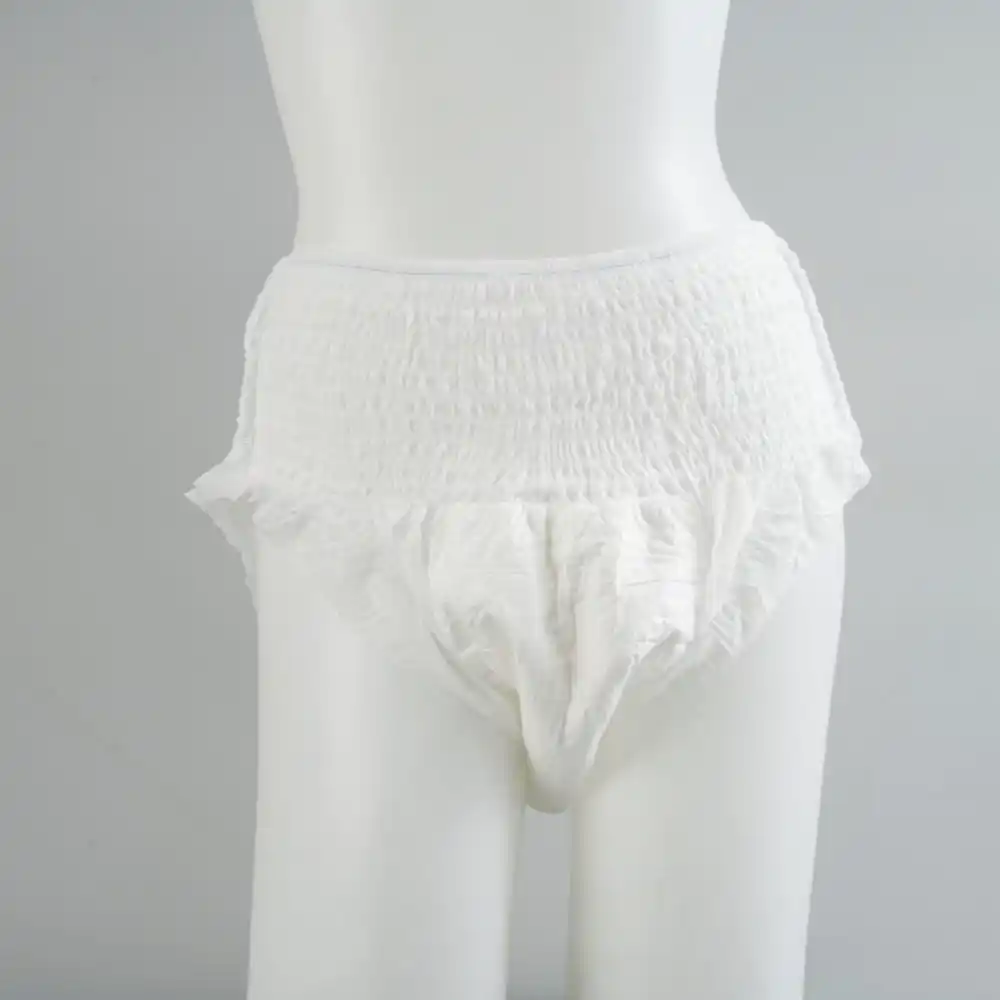
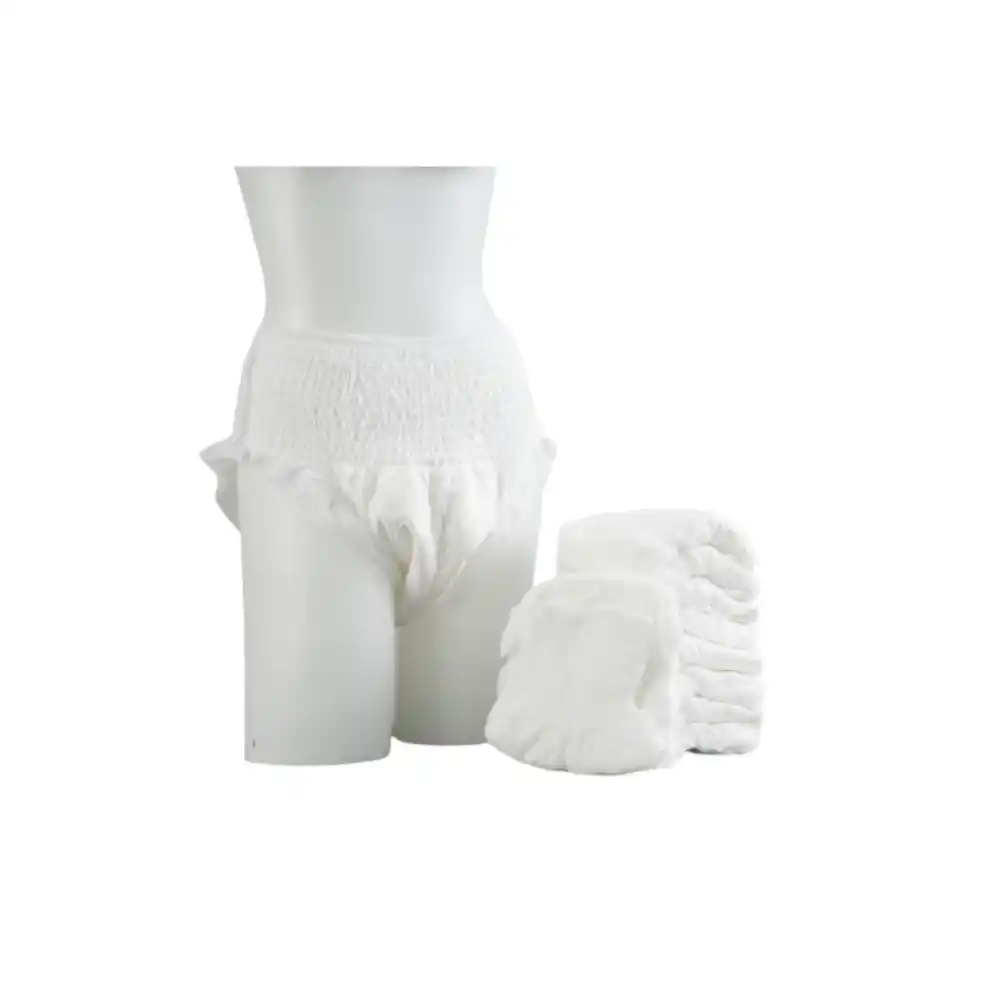
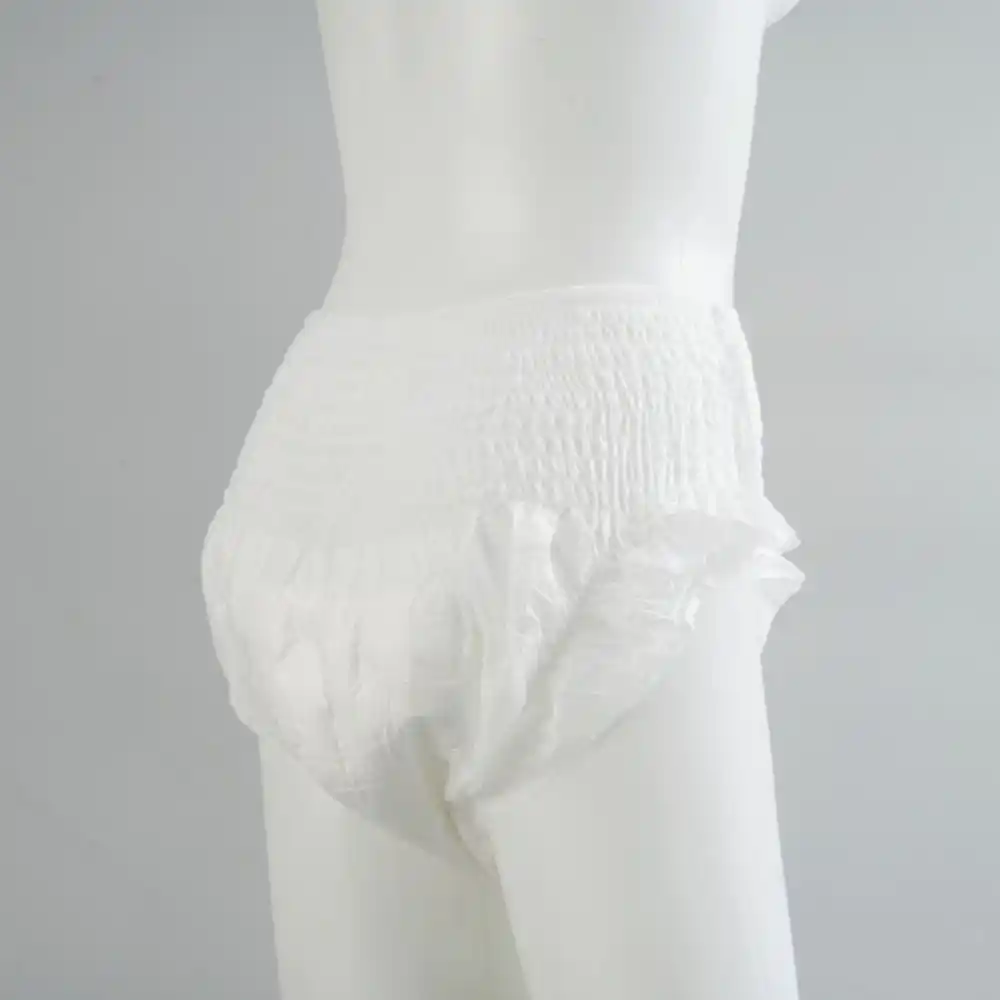
Step 4: Reduce Re-wet with the Right Absorbency Setup
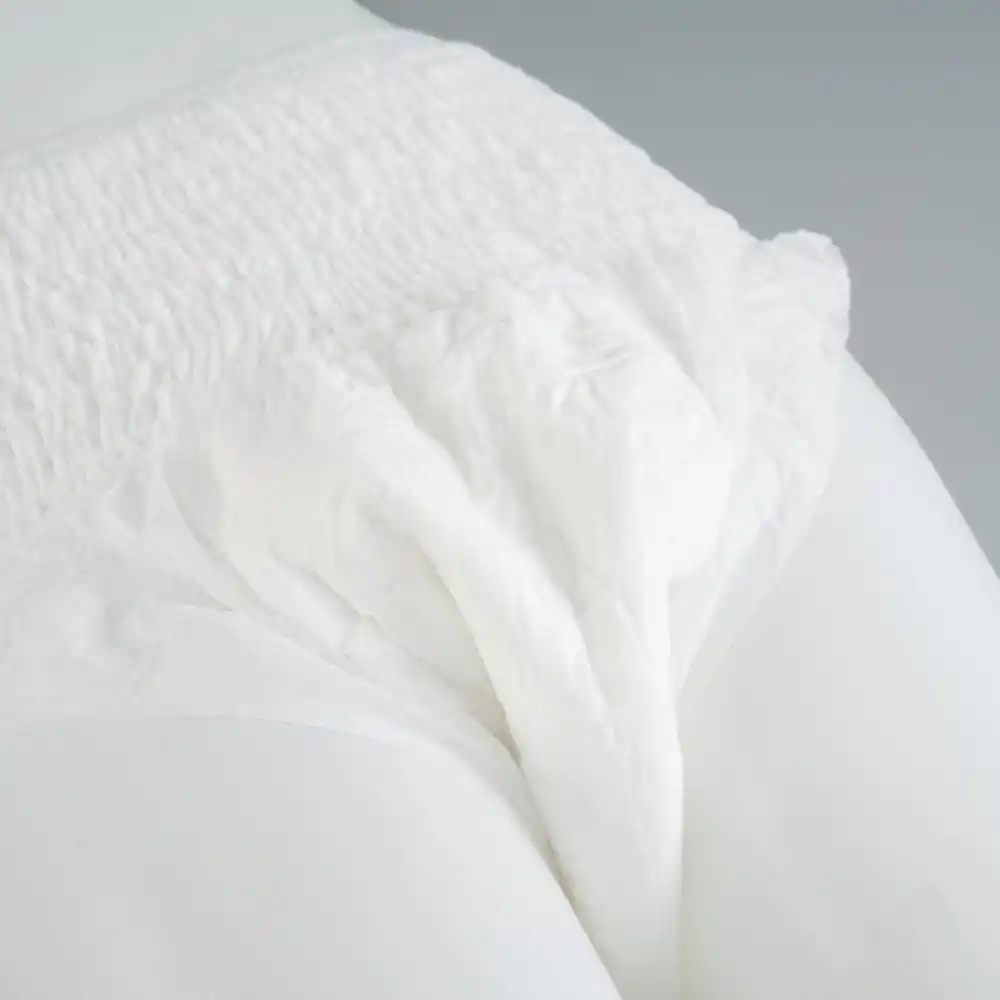
This is where many “skin care articles” go silent, but it matters a lot. If the brief re-wets, you can moisturize all day and still lose.
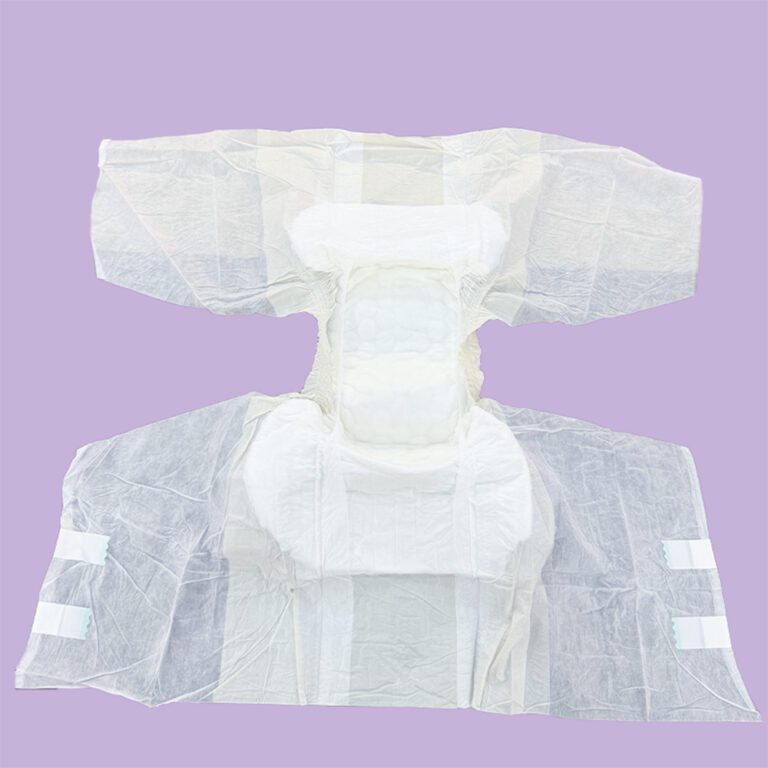
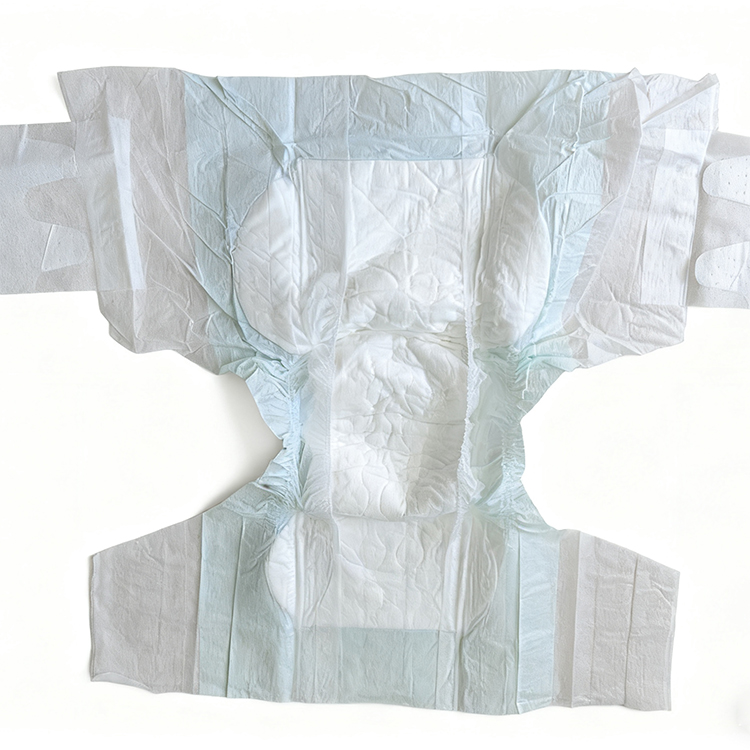
For heavy care settings, tabs styles often help because staff can fit them tighter and change faster:
If you’re doing private label, LOVINHUG can plug into this as a manufacturing partner under your brand. And since you’re doing B2B, you care about things like flexible MOQ, certifications, delivery windows, sampling, and consistent QC—not random one-off retail packs.