Adult Diapers Sizing to Reduce Leaks: Waist, Leg Openings & Fit
Leaks don’t happen because someone “didn’t buy the max absorbency.” Most of the time, leaks happen because the diaper never sealed in the first place. You get a tiny gap. Then motion + gravity do the rest. Next thing you know, it’s 3 a.m., the bed is wet, staff is annoyed, and your brand gets blamed.
So yeah—this is an argument piece: fit beats “more capacity” when your goal is fewer leak complaints, fewer returns, and calmer care routines.
If you’re building a B2B line (nursing homes, hospitals, home-care routes, importers, private label), start here:
Adult diaper sizing to reduce leaks: fit and leak control
Here’s the blunt truth: absorbency can’t fix bad geometry.
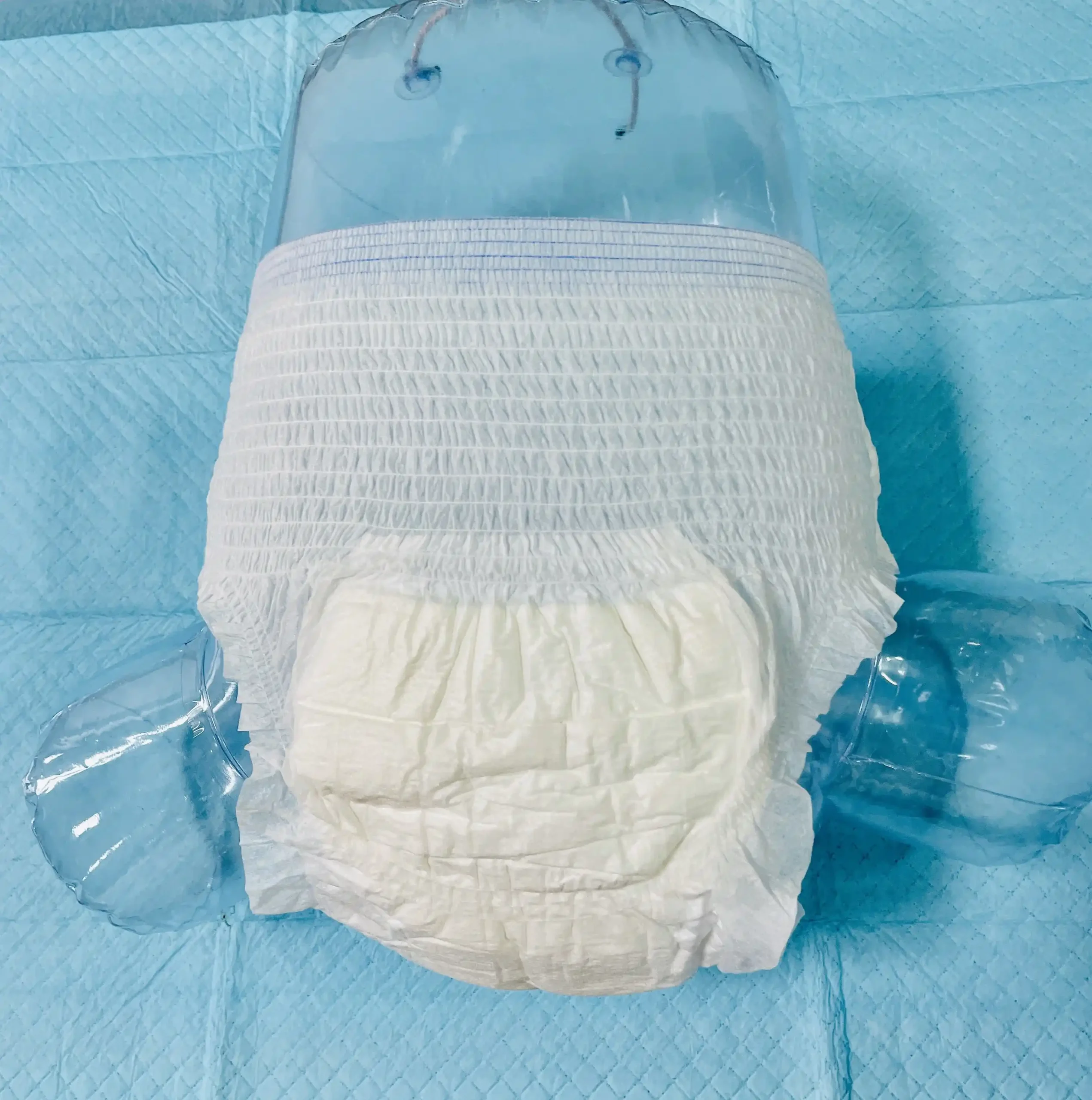
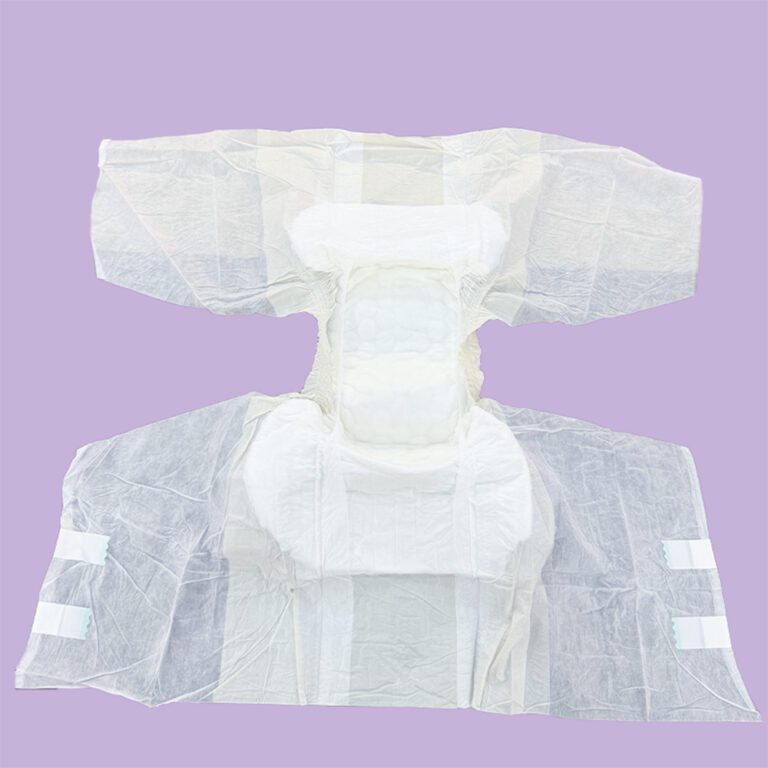
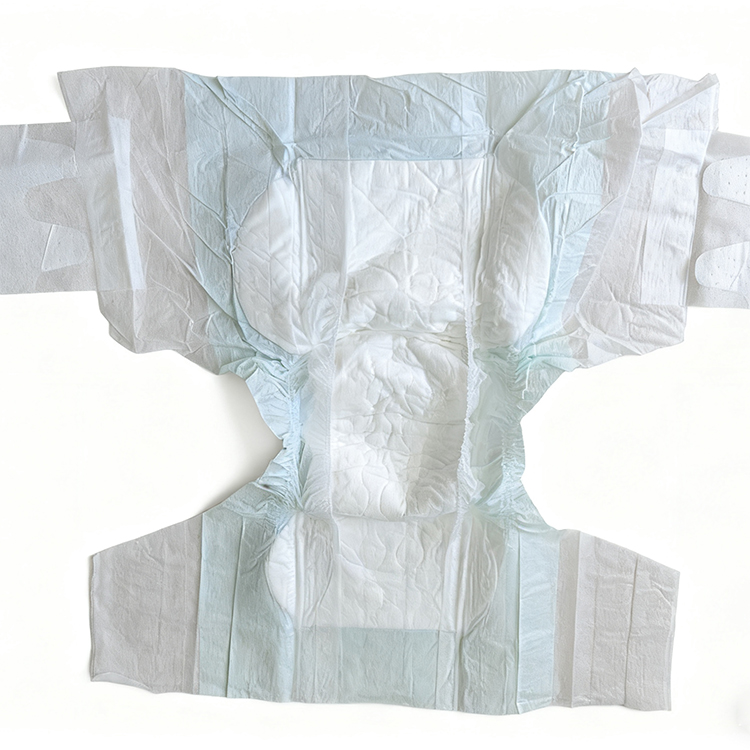
A diaper works like a “soft gasket.” The waist seal and leg seal keep liquid inside long enough for the core to pull it down and lock it. Break that seal, and the liquid takes the easy exit. That’s why care teams say stuff like “it leaks on the sides” or “it blows out when he turns.” They’re describing fit failure, not core failure.
Measure waist and hips, then use the brand size chart
Don’t guess size by pants. Don’t guess by “looks big enough.” Grab a tape.
Measure waist (where the waistband will sit).
Measure hips (widest point).
Use the larger measurement to pick the size on that product’s chart.
That’s not “extra work.” That’s how you stop ordering the wrong SKU for a whole facility.
Sizing up is a common mistake: bigger can leak more
A larger diaper can look safer, but it often leaks more. Why?
It sags.
It opens up at the legs.
The rise shifts, so coverage slides off the target zone.
In buyer slang, this becomes “high complaint rate” and “returns.” On the floor, it becomes “why are we changing sheets again?”
Too tight can leak too
Going smaller isn’t a magic fix either.
If the brief is too tight, you can:
crush the core (slower intake)
cause red marks and rubbing (hello IAD risk)
create weird folds that channel liquid right to the edge
You want snug, not strangling. If you see deep marks or the person complains, that’s your sign.
Waist measurement for adult diapers: waist seal and comfort
The waist does two jobs: it seals and it stabilizes. When the waist is loose, the diaper slides. When it slides, the leg openings shift. Then the “side leak” starts.
Right fit = flat waist + no gaps + no deep marks
Quick waist check (takes 5 seconds):
Waist sits flat, not rolled.
No “back gap” when the user sits or lies down.
No deep red grooves after wear.
If you’re buying tab-style briefs for heavy care, tab placement matters a lot. Example SKU pages you can reference when talking fit features with your sourcing team:
Leg openings and leg cuffs: stop side leaks at the source
If there’s one place you should obsess over, it’s the legs.
Leg opening fit often matters more than the waist number
People blame the waist because it’s easy to see. But leg gaps cause most “mystery leaks.”
Loose leg openings = side leaks during:
turning in bed
wheelchair transfers
side sleeping
coughing / repositioning
This is why many pros say: if you leak at the legs, you often need a smaller size or a different cut, even if the waist “fits.”
Leak guards and standing cuffs: fix the “folded edge” problem
A lot of leaks aren’t size. They’re setup.
Stand up the leak guards
If the inner leak guards (standing cuffs) are folded inward, they can’t do their job. Don’t overthink it:
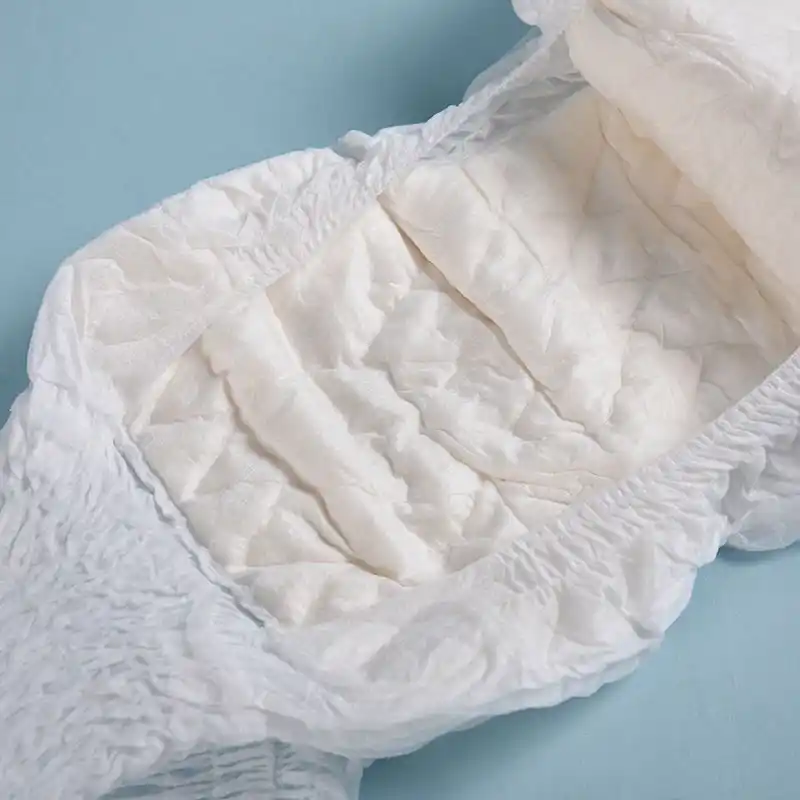
Before fastening, open the brief fully.
Run your fingers along the inner cuffs. Pop them up.
After fastening, check both legs. No twists. No tucked-in edges.
It sounds too simple, but it saves alot of “why is it leaking?” moments.
Absorbency isn’t size
This one matters for distributors and private label teams:
Absorbency level is a core build choice (SAP load, acquisition layer, distribution, etc.).
Size is a fit choice (waist range, leg geometry, rise).
Mixing them up creates the classic buyer problem: “We upgraded to higher absorbency and complaints didn’t drop.” Of course they didn’t. The seal still failed.
Tab-style briefs vs pull-up incontinence underwear: choose by care setting
People love pull-ups because they feel normal. Cool. That works—until it doesn’t.
Body shape affects tabs vs pull-up choice
Pull-ups fit best when the user can step in/out and has moderate output. Tab briefs win when you need control.
If your customers include nursing homes and hospitals, it helps to carry both:
Real-world leak scenarios: nursing homes, hospitals, home care, ABDL
Let’s make this concrete.
Nursing homes: Staff moves fast. If sizing is confusing, people grab “close enough.” Then leaks jump. Standardize your sizing logic across your adult diaper line so staff don’t have to think mid-change.
Hospitals / rehab: Higher turns, higher output, more repositioning. A tiny leg gap becomes a big leak. This is where tab angle, landing zone size, and leg cuff tension stop being nerd talk and start being savings.
Home care (family): They often overtighten because they’re scared of leaks. Then you get marks and skin issues. Teach the “snug, not crushing” rule and the leak guard check.
ABDL / long wear: Users care about comfort, prints, and long sessions. But the same physics applies: if the leg openings gap, it leaks. A thick core doesn’t forgive sloppy fit.
For skin routines, wipes matter more than people admit:
OEM/ODM adult diaper sizing system: how B2B buyers cut complaints
If you’re doing OEM/ODM, sizing isn’t only “S/M/L.” It’s a system.
Use a real size chart example for clarity
When you brief a factory, don’t just say “make XL.” Say what XL means:
waist range planning (so the seal works across bodies)
tab placement optimization (so staff can fasten fast and consistent)
leg cuff tension balance (so you seal without cutting in)
This is exactly the type of detail that lowers complaint rates and keeps reorders boring.
And yes, here’s where LOVINHUG fits naturally: LOVINHUG is the manufacturing team behind Adult-Diaper.com, so when you talk spec, samples, and mass production, you’re talking to the people who build it. That’s helpful when you’re doing private label and don’t want spec drift.
Argument summary table: leak causes, fixes, and sources
Argument title
What you should do tomorrow
Source type
Leg opening fit often matters more than the waist number
Prioritize leg gap checks, adjust cut/size to seal legs
NAFC guidance; Adult-Diaper.com fit notes
Measure waist and hips, then use the brand size chart
Tape measure + chart, no guessing
TENA sizing guidance
Sizing up is a common mistake: bigger can leak more