I’ve seen too many buyers chase the thickest brief on the shelf, only to discover that nighttime leakage has less to do with cartoonish bulk and more to do with fit geometry, acquisition speed, side-sleeper pressure, back coverage, and whether the product was chosen for the actual body in the bed.
So why does the industry still sell “maximum absorbency” like it solves everything?
Here is my blunt answer: because “thicker” is easy to market. Real overnight performance is harder. A good overnight adult diaper has to survive long wear time, repeated voids, compression against the mattress, hip rotation, caregiver checks, sweat, skin friction, and the quiet humiliation of waking up wet. That is not a softness claim. That is engineering.
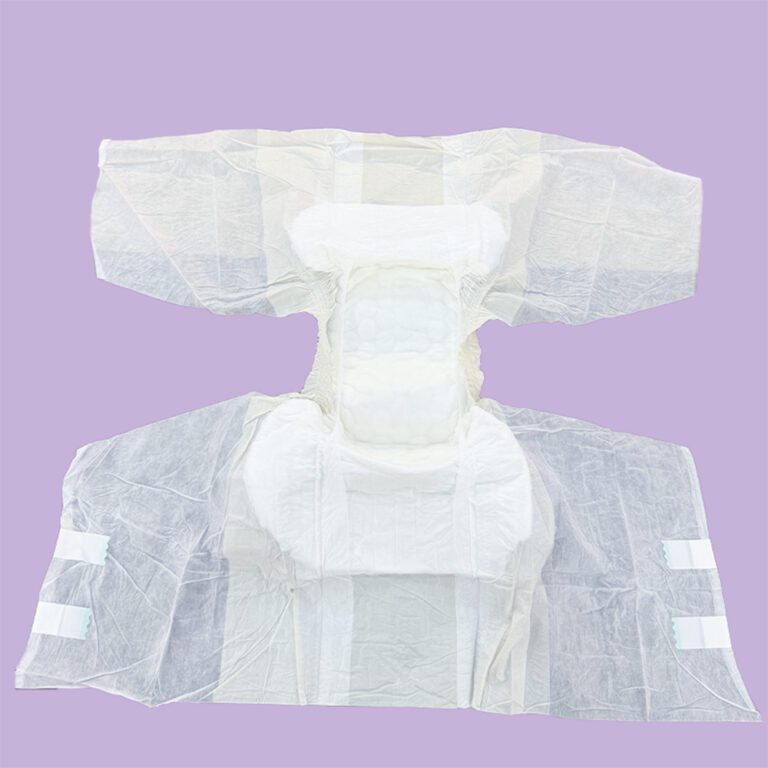
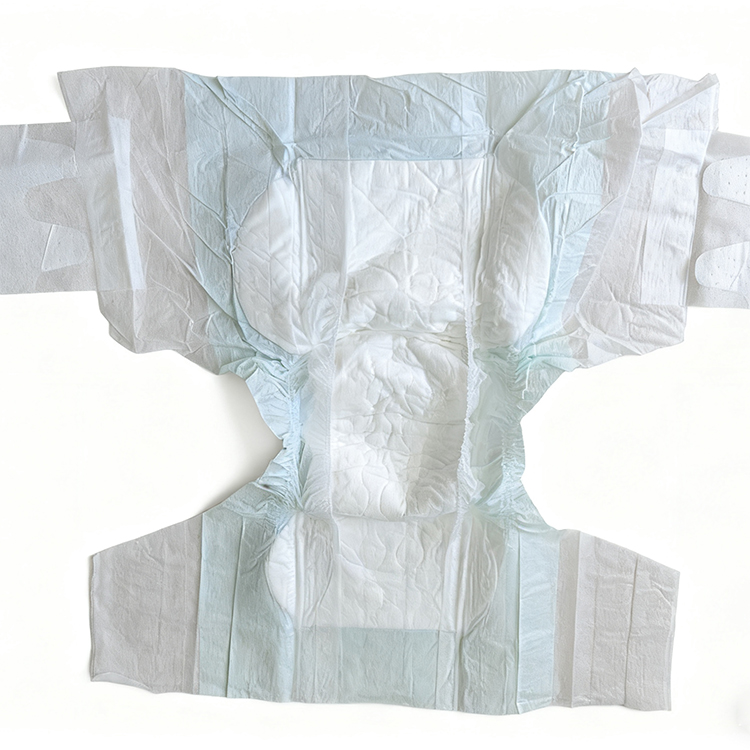
For buyers building a care-focused line, I would start with a broad adult diapers manufacturer portfolio and then narrow the decision by use case, not by the prettiest pack design. The site’s own XL adult diapers with tabs built for day and night protection page gets one thing right: overnight protection needs refastenable tabs, tall leak guards, heavy absorbency, and a breathable cloth-like backsheet, not just a bigger claim printed on the bag.
Table of Contents
What “Good” Really Means in Nighttime Incontinence Protection
A good overnight adult diaper is a system, not a sponge.
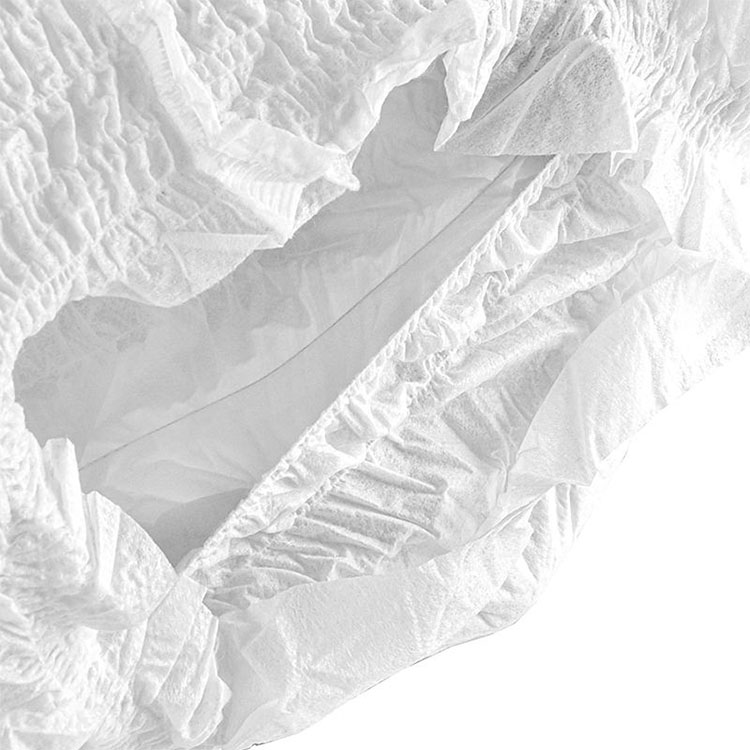
The absorbent core matters, of course. Most disposable briefs rely on fluff pulp plus SAP, usually sodium polyacrylate, a superabsorbent polymer that traps liquid inside the core. But if the acquisition layer is slow, urine pools before it moves down. If the leg cuffs collapse, liquid exits sideways. If the backsheet traps heat, skin gets angry. If the tabs lose grip after one check, the whole chassis drifts.
That is the dirty little secret.
Nighttime failure often starts before the first leak. It starts when a buyer measures only waist size and ignores thigh shape. It starts when a caregiver puts a pull-up on a bedbound person because the packaging looks more “dignified.” It starts when procurement demands one SKU for everyone because spreadsheets look cleaner than real bodies.
The Centers for Medicare & Medicaid Services is brutally plain about the reimbursement side: incontinence garments such as briefs and diapers coded A4520 are treated as statutorily non-covered under the cited Medicare LCD, and disposable underpads are also listed as non-covered in that policy context. That does not make the product unimportant; it means many families and institutions are forced to behave like cash buyers while managing a medical-risk problem.
And the market knows this is not a fringe issue. Reuters reported in July 2024 that Japan’s adult diaper market was projected to grow 16% to ¥98.9 billion by 2027, while its baby diaper market was expected to shrink 8% to ¥84.6 billion; Daio Paper also said adult diaper revenue was already double baby diaper revenue.
The Overnight Adult Diaper Scorecard Buyers Should Use
Forget the slogan. Score the failure points.
Feature to Check
What Good Looks Like
What Fails at Night
Buyer’s Hard Question
Absorbent core
Fast SAP/fluff intake with enough capacity for repeated voids
Slow pooling, swelling in one zone, damp surface
Does it absorb fast under real void speed?
Acquisition layer
Pulls fluid down before it reaches cuffs
Surface flooding during first gush
Does the top layer buy time for the core?
Rewet control
Surface stays relatively dry under body pressure
Moisture pushes back onto skin
What happens after 4–8 hours of compression?
Leg guards
Tall, stable cuffs that stay upright during turning
Folded cuffs, side leaks, thigh gaps
Does the seal survive side sleeping?
Back coverage
Higher rear coverage for bed use
Rear waistband leaks when lying flat
Is it built for beds, not just standing photos?
Tabs
Strong refastenable tabs for checks and adjustment
Tabs tear, curl, or lose hold
Can caregivers check without wasting a brief?
Backsheet
Breathable, quiet, and strong
Heat buildup, sweating, plastic noise
Is comfort maintained through the night?
Fit range
Waist and leg opening work together
Correct waist, wrong thigh seal
Are sizes based on real body shapes?
The table is not glamorous. Good.
Overnight adult diapers are not supposed to be glamorous; they are supposed to keep urine away from skin, sheets, clothing, caregivers’ hands, and the user’s dignity. When I audit an overnight incontinence brief, I do not start with the absorbency number. I start with the leak path.
Tabs Matter More Than Marketers Admit
Adult diapers with tabs for overnight use usually beat pull-ups when the user is bedbound, caregiver-assisted, or dealing with heavy incontinence.
That opinion will irritate some retail marketers. Fine. The truth is still the truth.
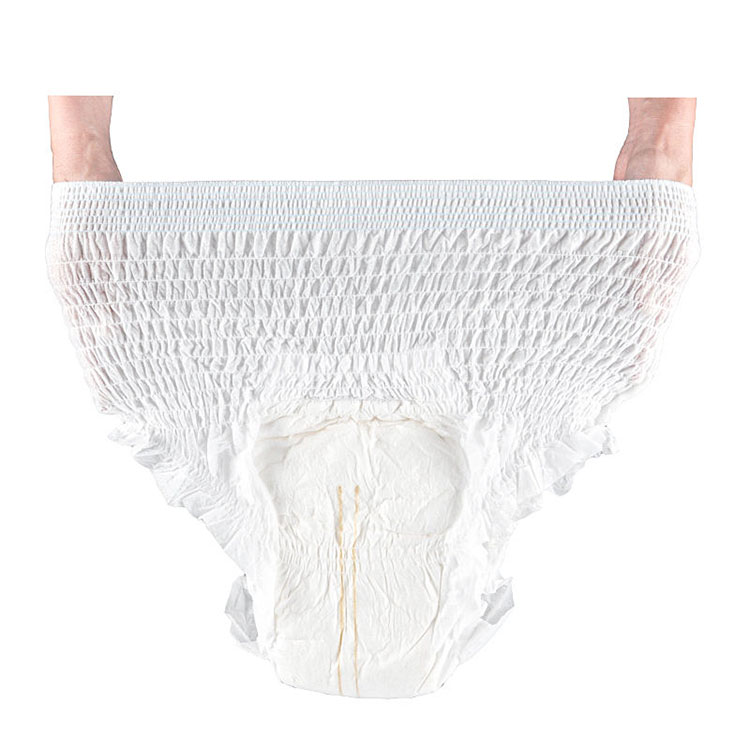
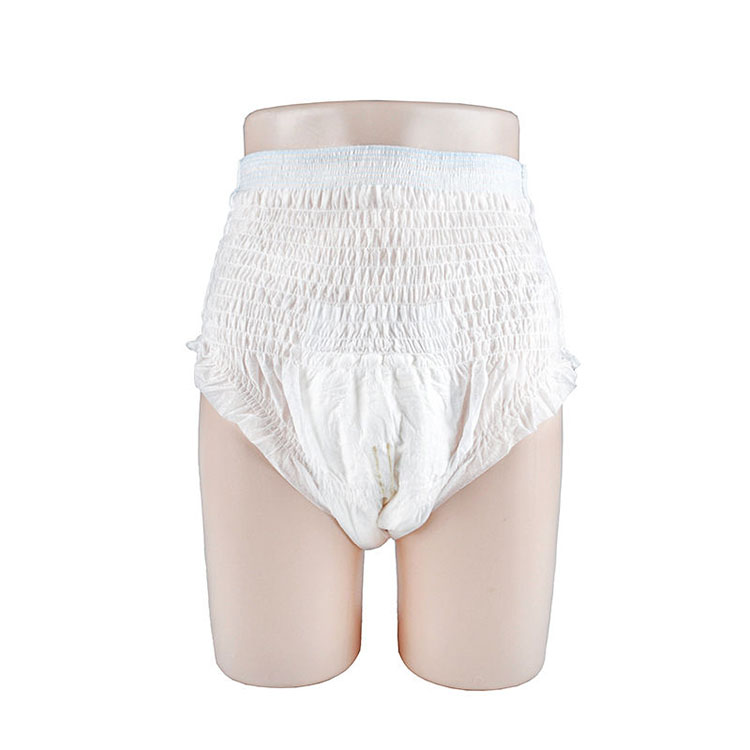
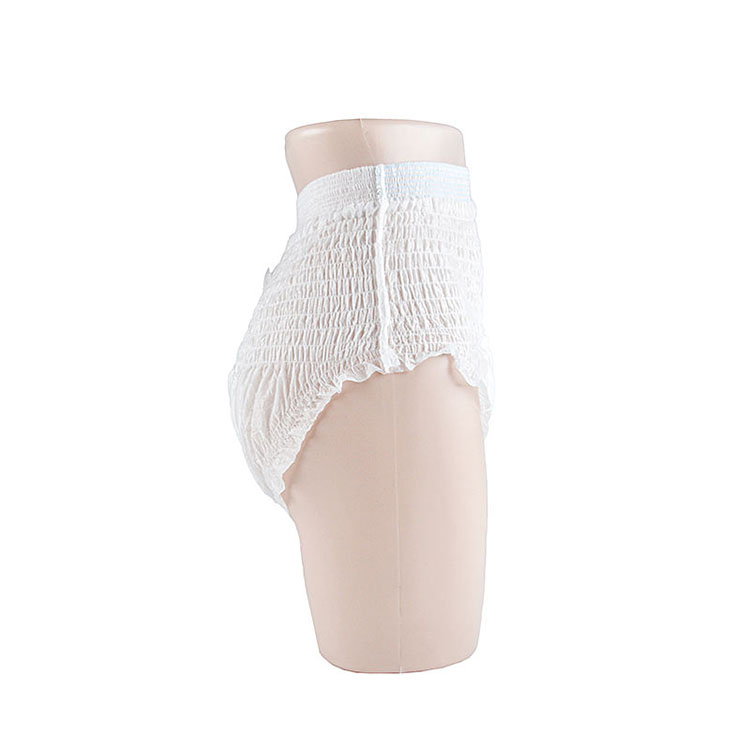
Pull-ups work well for mobile users who can stand, step in, and self-manage. But when someone is lying down, a pull-up becomes a wrestling match. You have to lift, undress, pull, shift, and sometimes disturb the person more than necessary. A tab-style brief opens flat. It can be placed under the hips. It can be checked, resealed, and corrected.
That is why the article on why bedridden users often need tab-style briefs is a smart next read for caregivers and product teams. It frames the issue around skin checks, bowel cleanup, resealing, and bed-level care rather than pretending all incontinence products solve the same job.
“Maximum Absorbency” Is Not Enough
Maximum absorbency adult diapers can still leak.
There. Said it.
The problem is that capacity claims often describe what the core can theoretically hold, not what the product can handle during a real nighttime event: a sudden void, a side-sleeping position, body weight pressing into the core, and a leg opening that loosens after two turns. If the diaper cannot acquire fluid quickly, distribute it evenly, and keep the surface dry under pressure, the number on the package becomes theater.
For heavy nighttime users, booster pads for adult diapers can help when they use a flow-through backsheet and sit inside the primary brief correctly. But I do not like boosters as a lazy patch for bad fit. Add absorbency when the chassis is right. Do not use a booster to compensate for collapsed cuffs or the wrong size.
Skin Safety Is Where Cheap Overnight Briefs Get Expensive
Skin remembers everything.
An NIH-indexed review on incontinence-associated dermatitis reported prevalence ranges from 4.3% to 42% and incidence ranges from 3.4% to 50%, which should make every buyer pause before treating overnight adult diapers like disposable commodities.
This is where I get opinionated. A cheap overnight brief that causes wet-surface exposure, friction, sweating, or repeated linen changes is not cheap. It just moves the cost from the invoice to the caregiver, the laundry room, the skin barrier cream budget, and sometimes the wound-care consult.
A good overnight adult diaper should support skin safety in five ways: rapid intake, low rewet, breathable materials, soft topsheet, and fit stability. Add pH-balanced cleansing and barrier protection when care plans require it. And yes, pair the brief with bed protection when the leak pattern demands it. The site’s guide on how to pair briefs with underpads to reduce linen changes fits that care logic better than the fantasy that one heroic diaper should do everything alone.
The Legal Signal: Incontinence Supplies Are Not “Embarrassing Extras”
The law is catching up slowly.
In 2024, Disability Rights Florida announced that Florida Medicaid now covers medically necessary incontinence supplies for people over age 21, following class-action litigation against the state Medicaid agency over adult coverage exclusions. That is not a small policy footnote. It is a public admission that adult diapers, pads, liners, and protective underwear can be medically necessary supplies, not lifestyle accessories.
What does that mean for brands?
It means sloppy claims are getting harder to defend. It means “overnight” should describe measurable product behavior: capacity, intake speed, rewet performance, cuff structure, sizing, and intended care setting. It also means distributors and OEM buyers should stop treating adult incontinence as a low-scrutiny category. The buyer may be private-pay. The use case is still clinical.
If you are building a private-label range, study why hospitals often prefer tab-style adult diapers before you write your claims. Hospitals do not buy romance. They buy time saved, leaks avoided, skin checks completed, and fewer messy changes at bad hours.
How to Choose an Overnight Adult Diaper Without Getting Fooled
Start with the body.
Then the bed.
Then the output pattern.
Only after that should you talk about absorbency tier. I would choose overnight adult diapers in this order:
Mobility level: independent, assisted, bedbound, wheelchair user
Leakage pattern: single heavy void, repeated voids, bowel involvement, side leakage
Sleep position: back, side, restless turning, elevated bed
Measurements: waist, hips, thigh seal, rise, back coverage
Care workflow: self-change, caregiver change, scheduled checks, nighttime staffing
Product format: tab-style brief, pull-up underwear, pad-plus-brief system
And here is the hard truth: if the user is bedbound or needs caregiver checks, I would usually choose tabs before pull-ups. If the user walks independently and values discretion, I would test pull-up incontinence underwear. If the leak happens only at the edge of the mattress side, I would look at cuff geometry and side-sleeper fit before buying a thicker core.
For product teams, this is where the site’s incontinence underwear vs briefs SKU strategy becomes useful. Overnight briefs, pull-ups, booster pads, and underpads should not be random catalog items. They should be a controlled system with clear jobs.
FAQs
What makes a good overnight adult diaper?
A good overnight adult diaper is a high-absorbency incontinence brief designed to manage long wear time, repeated urine output, body-pressure compression, side-sleeping leaks, and skin exposure while maintaining a secure waist and leg seal through the night. The best products balance absorbent capacity with fast intake, low rewet, breathable materials, and stable fit.
In plain English, it should keep the user dry, the bed dry, and the skin safer without forcing caregivers to fight the product at 3 a.m.
Are adult diapers with tabs better for overnight use?
Adult diapers with tabs are often better for overnight use when the wearer has heavy incontinence, limited mobility, bowel involvement, or caregiver-assisted changes because they open flat, reseal after checks, and allow better fit correction while lying down. Pull-ups may still work for mobile users who can self-manage and need lighter protection.
My rule is simple: independence favors pull-ups; heavy nighttime care usually favors tabs.
How do I choose the best overnight adult diapers for heavy incontinence?
The best overnight adult diapers for heavy incontinence are chosen by matching absorbency level, body measurements, leg-cuff seal, sleep position, mobility, and change schedule rather than relying only on “maximum absorbency” wording. A strong product should absorb fast, distribute fluid evenly, resist rewet, and stay sealed during turning or compression.
If the leak happens at the leg, do not blame capacity first. Blame fit.
Why do overnight adult diapers leak at night?
Overnight adult diapers usually leak because the product cannot absorb fluid fast enough, the leg cuffs collapse, the size is wrong, the back coverage is too low, the user sleeps on the side, or body pressure forces liquid toward weak points. Leakage is often a mechanical failure before it is an absorbency failure.
That is why thicker adult diapers can still fail badly.
Should booster pads be used with overnight incontinence briefs?
Booster pads can be used with overnight incontinence briefs when the primary diaper fits correctly but needs extra absorbency for longer wear, travel, repeated voids, or heavy nighttime output. The booster should have a flow-through backsheet so liquid can pass into the diaper rather than pooling against the skin.
Use boosters to extend a good system, not to rescue a bad one.
Your Next Step: Stop Buying Absorbency Blind
If you are a caregiver, test fit before you buy cases. If you are a distributor, stop building overnight adult diaper lines around vague “max” claims. If you are a private-label buyer, demand proof on intake, rewet, cuff design, tab strength, breathable backsheet, size range, and real overnight use cases.
Start with the core brief. Add boosters only when needed. Pair with underpads when the bed is part of the risk. And if the user is assisted or bedbound, give tab-style overnight incontinence briefs a serious look before pretending pull-ups can do every job.
Ready to build a smarter overnight protection system? Review the adult diapers with tabs category and request OEM/ODM guidance from Adult-Diaper.com before your next product decision becomes another wet-sheet complaint.