Adult Pull-Ups vs Tab-Style Briefs: Key Differences Explained
The Industry Truth Most Product Pages Avoid
Leaks ruin trust.
I have watched buyers obsess over package count, “maximum absorbency” claims, and soft-touch wording while ignoring the one thing that decides whether an adult incontinence product works in real life: the user’s body position, mobility, change routine, and whether the product can stay sealed under stress. Why do so many brands still pretend one format fits everyone?
Here is my blunt take: the debate over adult pull ups vs diapers is usually framed wrong. Pull-ups are not simply weaker briefs. Tab-style briefs are not just bulkier underwear. They are different tools.
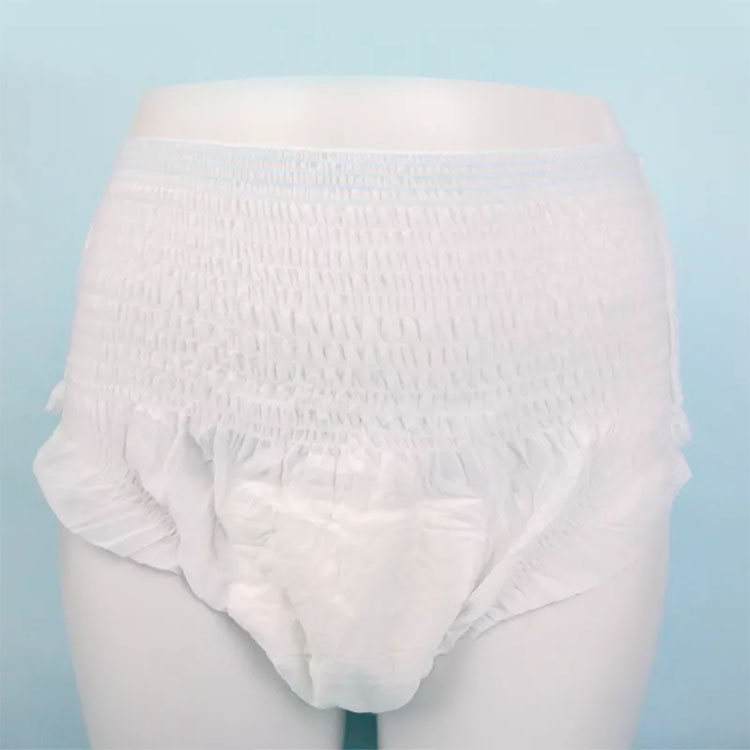
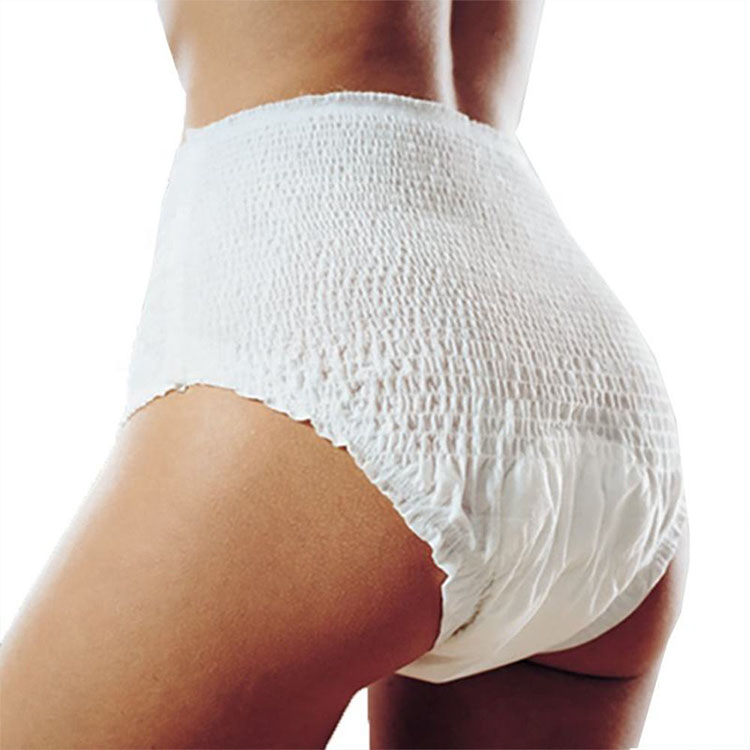
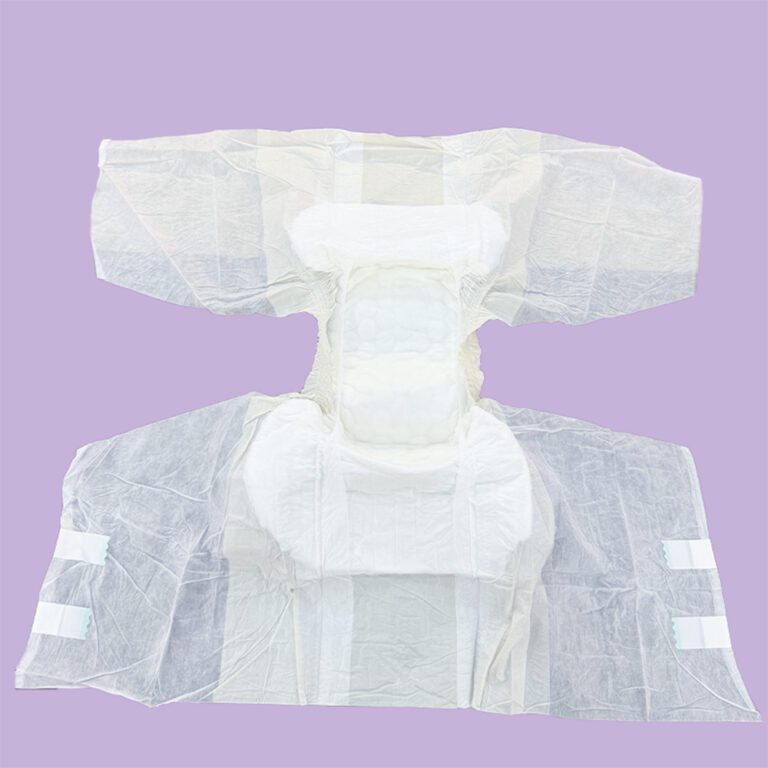
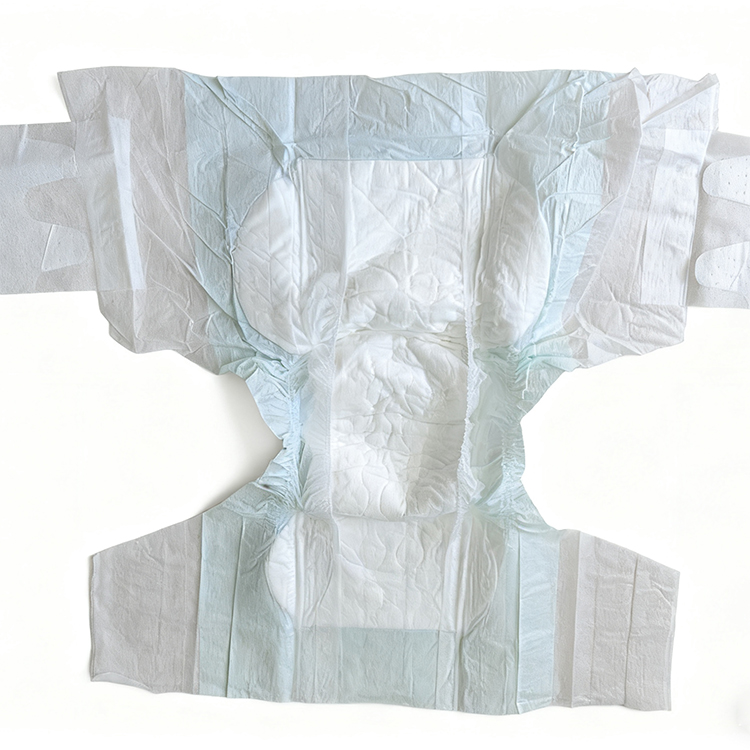
Adult pull-ups, often marketed as protective underwear or disposable incontinence underwear, are built for users who can stand, step in, pull the garment up, and manage changes with some independence. Tab-style briefs, also called tape-on briefs, open-style briefs, or adult diapers with tabs, are built for assisted care, heavier leakage, nighttime use, bowel incontinence, and situations where caregivers need access without forcing a full clothing change.
The NIDDK 2024 Urologic Diseases in America report estimated claims-based urinary incontinence prevalence among people aged 65+ at roughly 6–8% annually from 2012 to 2021, while also noting likely underreporting. Translation: the visible medical data probably understates the real product demand sitting inside homes, hospitals, pharmacies, and care facilities.
And the market is not waiting for people to get comfortable talking about it. Reuters reported in July 2024 that Japan’s adult diaper market was projected to grow 16% to ¥98.9 billion by 2027, while the baby diaper market was expected to shrink 8% to ¥84.6 billion. That is not a niche anymore. That is demographic gravity.
Table of Contents
Adult Pull-Ups: Discretion Wins, But Only When the User Can Move
Adult pull-ups work best when the wearer is mobile, alert, and able to participate in changing. That sounds obvious. It is not obvious in procurement meetings.
A pull-up looks and behaves more like underwear. The user steps into it. The elastic waist provides a close body fit. The product can feel more dignified because it does not scream “medical brief” when folded, stored, or worn under clothing.
That is why pull-ups dominate self-care conversations. They are easier to explain. Easier to sell online. Less emotionally loaded.
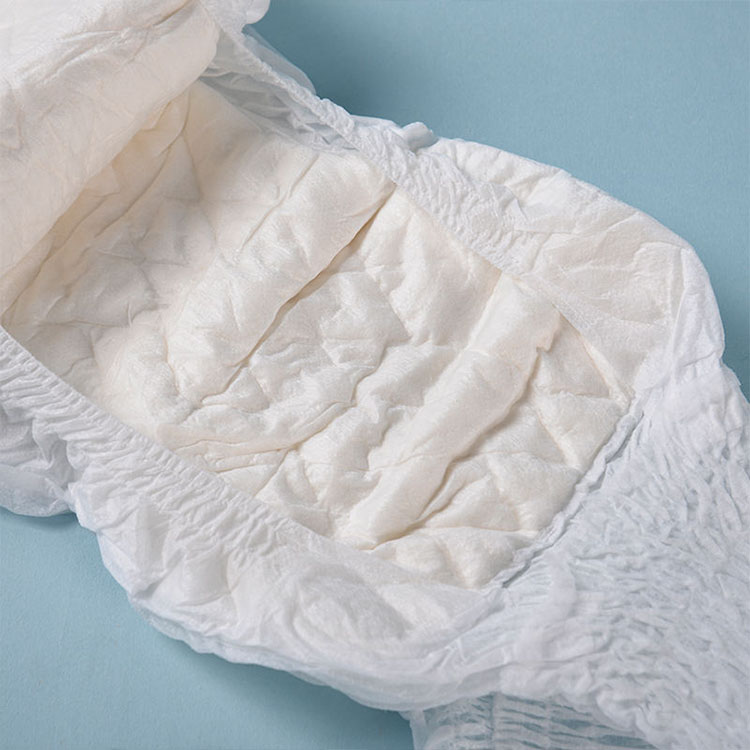
For active users, a well-built bladder control underwear for adults can make sense for daily bladder leakage, errands, travel, work, and social settings. The better versions usually combine a fast-acquisition topsheet, sodium polyacrylate superabsorbent polymer — often written as (C₃H₃NaO₂)n — leg cuffs, elastic waist panels, and a quieter cloth-like backsheet.
But here is the hard truth: pull-ups fail when buyers confuse “easy to wear” with “easy to manage.”
If someone cannot stand safely, cannot lift their hips, has fecal leakage, needs frequent checks, or requires caregiver-assisted changes in bed, pull-ups become work. Expensive work. The caregiver may need to remove trousers, shoes, or compression garments just to change one product. That is not efficiency. That is a bad shift waiting to happen.
This is why movement testing matters. Static absorbency numbers do not tell the whole story because walking, sitting, twisting, sweating, and repeated sit-to-stand movement can shift the seal. For active-user assortment planning, the site’s guide to movement leak testing for pull-ups is the kind of technical content brands should read before writing another lazy “maximum protection” claim.
Tab-Style Briefs: Less Pretty, More Controllable
Tab-style briefs are open-style incontinence briefs with side tabs. They open flat. They wrap around the body. The tabs can usually be adjusted and refastened.
That design is not fashionable. It is functional.
When the user is lying down, bedridden, wheelchair-dependent, post-surgery, or receiving facility care, tabs give caregivers control. The brief can be changed from the side. The waist can be adjusted. The leg seal can be checked. Bowel cleanup is easier. Skin can be inspected without wrestling the product down like underwear.
This is why adult diapers with tabs show up so often in hospitals, nursing homes, long-term care, and heavier home-care routines. The format is not chosen because it is glamorous. It is chosen because bad access costs time, skin integrity, and linen.
The CDC’s older-adult incontinence report found that difficulty controlling the bladder was reported in 50.9% of hospice care recipients in residential care facilities or nursing homes, compared with 35.8% in private homes or apartments. That is a care-setting problem, not just a product-label problem, and it explains why open-style access matters in institutional use.
For bed-level care, I would rather see a correctly fitted tab-style brief plus skin-safe cleanup and surface protection than an oversized pull-up pretending to be a clinical solution. The site’s article on why bedridden users often need tab-style briefs gets this point right: the format is part of a care system, not a miracle sheet of fluff pulp.
Pull-Ups vs Tab-Style Briefs: The Comparison Buyers Actually Need
Factor
Adult Pull-Ups / Incontinence Underwear
Tab-Style Briefs / Adult Diapers with Tabs
Best user profile
Mobile, partly independent, able to stand and step in
Sagging, leg gap leaks, difficult changes for immobile users
Poor tab placement, wrong size, bulk heat, over-reliance on thickness
The Absorbency Trap: More Bulk Does Not Always Mean Fewer Leaks
I do not trust absorbency claims unless I know the test method.
There, I said it.
A product that performs well in a beaker-style capacity test may still leak on a living body. Why? Because adult bodies move, sweat, sit, twist, and create pressure. Urine does not politely land in the center of the core every time. It travels toward leg openings, waistbands, and weak cuffs.
A good incontinence product has to manage at least four things:
Intake Speed
The topsheet must pull liquid down fast enough to prevent pooling. If liquid sits on the surface, the user feels wet and leakage risk rises.
Retention Under Pressure
The core must hold fluid when the wearer sits, turns, or lies on the product. Rewet is not just uncomfortable; it is a skin-risk signal.
Fit Geometry
Leg cuffs, waist elastics, and chassis shape matter as much as absorbent grams. A loose pull-up leaks. A badly taped brief leaks. Physics does not care about marketing copy.
Skin Exposure Time
Moisture against skin increases irritation risk, especially when urine, stool, friction, heat, and repeated cleansing all collide. This is where product choice connects directly to care routines.
For heavier users or overnight care, a tab brief may still need a system around it: underpad, wipes, barrier protocol, scheduled checks, and correct size selection. If the bed or chair is part of the leakage zone, pair the primary brief with the right disposable or washable underpads instead of pretending one garment should protect every surface.
When Pull-Ups Are the Better Choice
Choose pull-ups when independence matters and leakage severity is manageable.
I would lean toward pull-ups when the user can walk, dress, and toilet with minimal help. They are also better when embarrassment is a major barrier, because the underwear-like format reduces psychological friction. For retail and e-commerce channels, that matters more than engineers like to admit.
Pull-ups are often the better front-line product for:
Active adults with light to moderate bladder leaks
Users who can stand and change independently
Daytime wear under normal clothing
Travel, errands, and social settings
Customers who reject anything called a “diaper”
Pharmacy shelves where dignity and self-selection drive purchase behavior
But do not oversell them.
If the user is changing five times per night, leaking through leg openings, or needing caregiver help during every change, the pull-up may be the wrong format. Not a bad product. The wrong format.
When Tab-Style Briefs Are the Better Choice
Choose tab-style briefs when access, adjustment, and containment matter more than underwear-like discretion.
Tab-style briefs usually make more sense for heavy urinary incontinence, bowel incontinence, overnight protection, post-operative care, long-term care, bariatric sizing, and users who need assistance changing. In those cases, the brief’s open structure is not a drawback. It is the advantage.
For buyers comparing adult pull ups vs briefs, the deciding question should be brutally simple: can the user change safely without help?
If the answer is no, tabs deserve serious consideration.
This is especially true in hospitals and care homes, where labor time and skin outcomes drive real costs. A brief that saves 90 seconds per change can matter when multiplied by 6 changes per day, 40 residents, and 30 days per month. That is 10,800 change events. Small inefficiencies become payroll and complaint problems fast.
And after the change, cleanup quality matters. Pairing tab briefs with large, alcohol-free adult wipes is not an upsell gimmick when stool, fragile skin, or repeated cleansing is involved. It is basic care design.
How to Choose Adult Diapers Without Getting Fooled
Here is the buying framework I use when reviewing incontinence assortments.
Start With Mobility, Not Absorbency
Ask whether the user is walking, transferring, wheelchair-bound, bedridden, or fully assisted. Mobility predicts change method. Change method predicts product format.
Match Format to Leakage Type
Urinary leakage and bowel leakage are not the same job. Bowel incontinence usually pushes the decision toward tab-style briefs because cleanup access matters.
Check Size Before Capacity
A size error can ruin a good product. Too small creates pressure and gaps. Too large creates sagging and channel leaks. The right waist range matters more than buying the thickest-looking pack.
Read the Use Case, Not Just the Label
“Overnight,” “maximum,” and “super” are not standardized across every supplier. Ask for absorbency method, rewet performance, cuff height, backsheet type, SAP/fluff ratio, and whether the product was tested under movement or only under static lab conditions.
Build the System
For heavy care, the best adult diapers for incontinence are rarely used alone. The better setup may include tab-style briefs, booster pads where appropriate, underpads, adult wipes, barrier cream, scheduled changes, and staff training.
The Commercial Angle: Why This Comparison Matters for Brands and Distributors
This is not just a caregiver article. It is a margin article.
Retail buyers like pull-ups because they look familiar, ship well, and convert with dignity-led copy. Care channels like tab-style briefs because they solve labor, access, and containment problems. E-commerce can sell both, but the landing page must segment users honestly or returns will punish the brand.
The smart SKU split is simple:
Channel
Safer Lead Product
Why It Works
Pharmacy retail
Pull-ups / incontinence underwear
Easier self-selection, less stigma, more discreet packaging
Online DTC
Pull-ups plus heavy briefs
Search demand includes both dignity and severe-leakage terms
If a distributor only stocks pull-ups, they lose the high-need care buyer. If they only stock tab briefs, they lose the independent user who refuses medical-looking products. The money is in segmentation.
FAQs
Are pull-ups better than tab-style briefs?
Pull-ups are better than tab-style briefs when the wearer is mobile, can stand safely, and wants discreet underwear-like protection for light to moderate urinary leakage during daytime activity. They are not automatically better for heavy leakage, bowel incontinence, overnight care, or caregiver-assisted changes where access and resealable fit matter more.
The mistake is treating “better” as a universal answer. Better for whom? A retired golfer managing urgency leaks may prefer pull-ups. A bedbound dementia patient on overnight rounds probably needs tabs. The product should follow the care reality, not the shopper’s discomfort with the word “diaper.”
What is the difference between adult pull-ups and adult diapers with tabs?
Adult pull-ups are disposable absorbent underwear that users step into and pull up like regular underwear, while adult diapers with tabs are open-style briefs that wrap around the body and fasten at the sides. Pull-ups prioritize independence and discretion; tab-style briefs prioritize caregiver access, adjustability, and heavier containment.
That design split changes everything: dressing time, leakage points, skin checks, bowel cleanup, and whether pants must be removed during changes. In short, pull-ups behave like clothing. Tab briefs behave like care equipment.
How do I choose adult diapers for overnight incontinence?
Choose adult diapers for overnight incontinence by matching absorbency, fit, user position, change frequency, and caregiver access rather than buying the thickest product available. Heavy overnight users often need tab-style briefs with strong leg guards, reliable retention under pressure, breathable materials, and sometimes underpads for backup surface protection.
Night care is where weak product matching gets exposed. Lying down shifts leakage pathways. Longer intervals increase saturation risk. Turning creates pressure. If the product cannot manage those forces, the bed pays for it.
Are tab-style briefs better for bedridden adults?
Tab-style briefs are usually better for bedridden adults because caregivers can apply, remove, inspect, and refasten them while the user remains lying down or turned to one side. This reduces unnecessary movement, improves access for bowel cleanup, supports skin checks, and can make repeated changes faster than pull-up underwear.
This is not about making the user look more clinical. It is about reducing strain. When someone cannot safely stand or bridge their hips, a pull-up can turn a routine change into a wrestling match.
Can adult pull-ups handle bowel incontinence?
Adult pull-ups can handle limited bowel incontinence only when the product is specifically designed for fecal leakage and the user can be changed quickly, but tab-style briefs are often more practical for repeated bowel cleanup. Full-opening access, wider coverage, and easier inspection usually make briefs the safer choice in assisted care.
Some pull-ups are marketed for bowel leakage, and some do a decent job. But cleanup is the hidden issue. If every change requires stripping clothes and repositioning the user awkwardly, the “discreet” product is no longer discreet in practice.
Final Thoughts: Choose the Format That Matches the Care Reality
If you are choosing between adult pull-ups and tab-style briefs, stop asking which one is “best” and start asking who is wearing it, who is changing it, where leaks happen, and what failure costs.
For active, independent users, start with discreet pull-up protection. For heavy leakage, overnight routines, bedridden users, bowel incontinence, or caregiver-assisted changes, start with tab-style briefs and build a complete care system around them.
Need a practical next step? Compare your current user profile against mobility, leakage type, change routine, and skin risk today; then build your product mix around the right format instead of forcing one SKU to solve every incontinence problem.