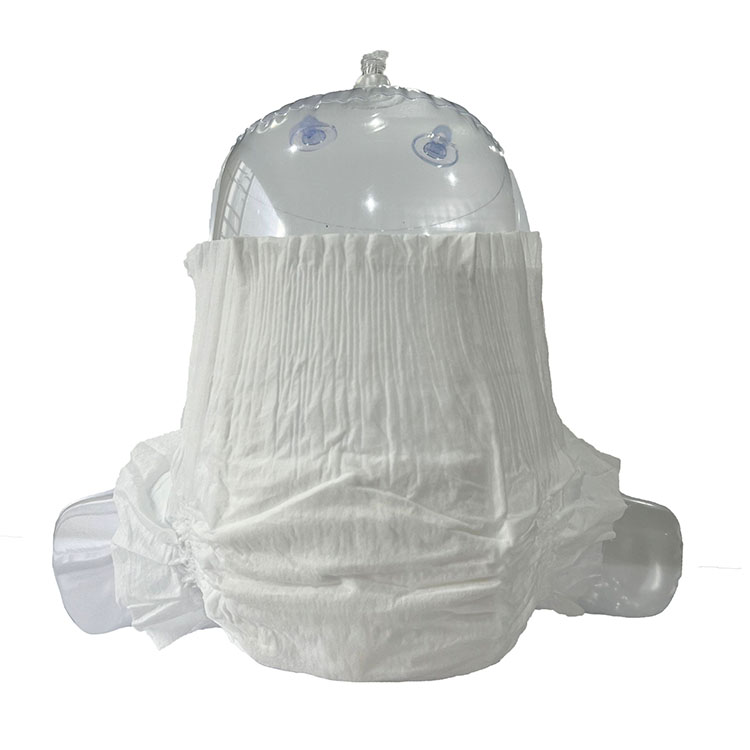
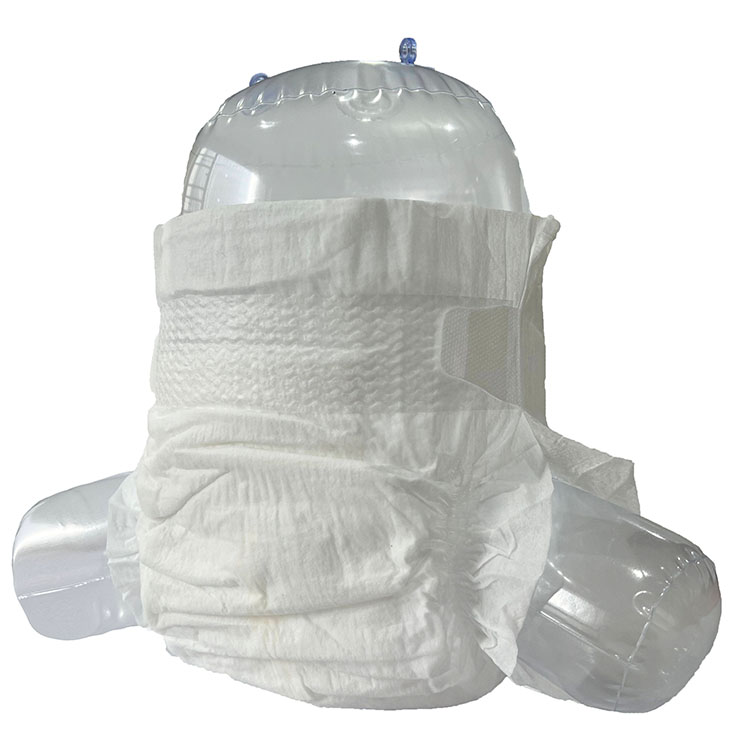
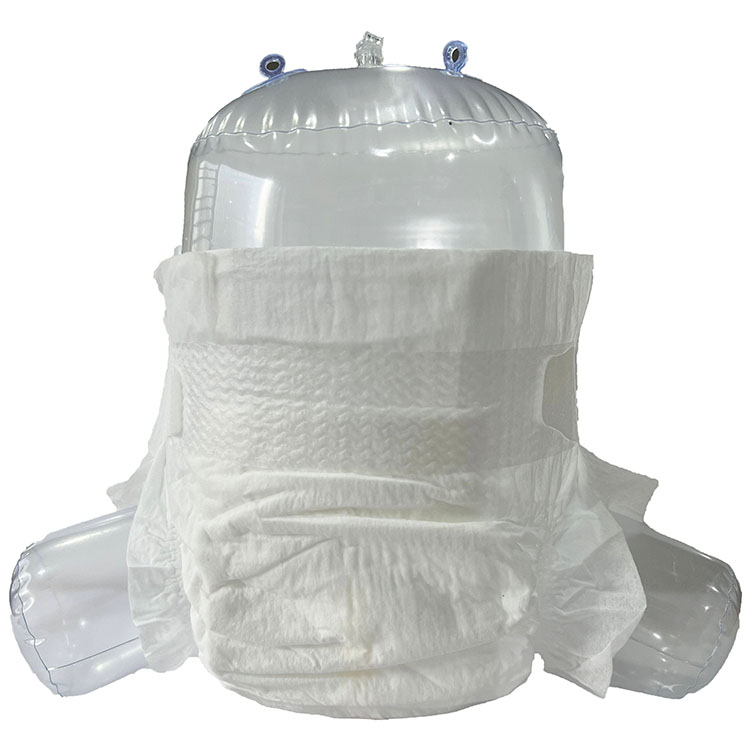
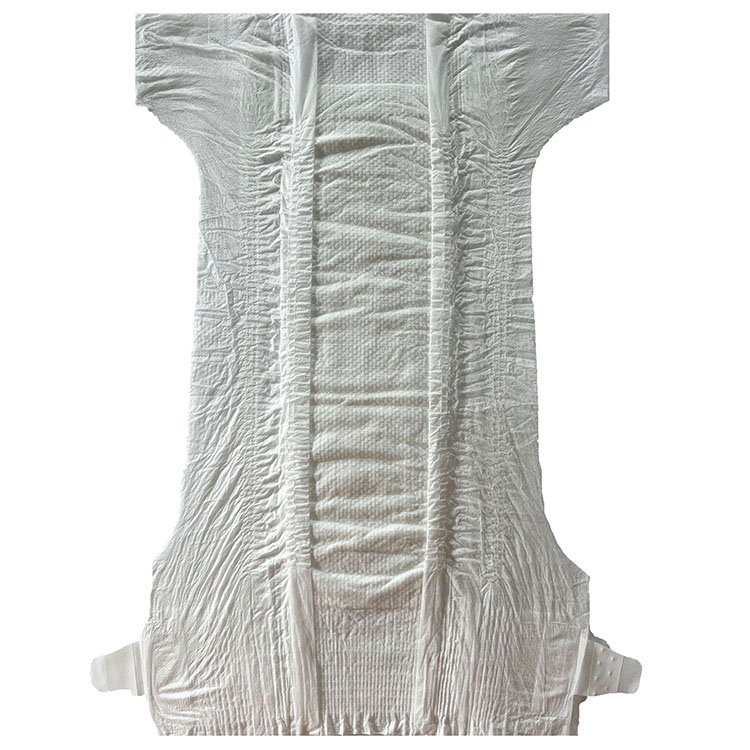
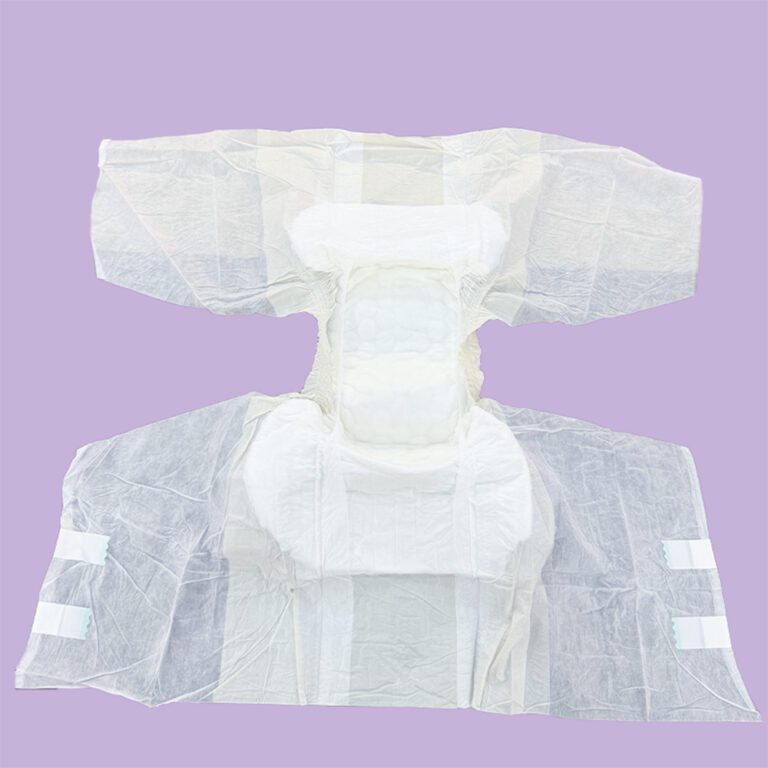
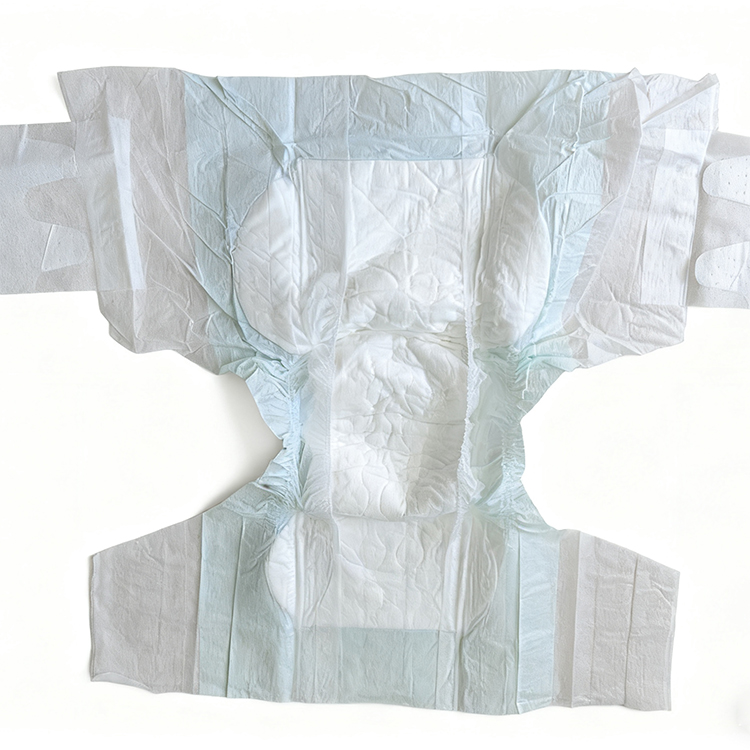
When a person cannot stand, pivot, or reliably manage their own clothing, the product stops being a lifestyle purchase and starts becoming a care tool judged by open-flat application, refastenable tabs, cleanup speed, seal recovery after turning, and whether the skin can survive long nights without getting punished by moisture and friction. Isn’t that the part this industry keeps trying not to say?
I will say it. A lot of “discreet” marketing around incontinence products is nonsense once the user is bedbound. In that situation, tab-style briefs vs pull-up incontinence underwear is not a cosmetic debate. It is a workflow debate. And workflow decides whether a 2:00 a.m. change takes 90 seconds or turns into a full-bed disaster.
Why pull-ups lose once the user is lying down
Physics wins.
If the wearer is fully assisted, needs frequent checks, or deals with bowel incontinence as well as urine, a pull-up often forces extra lifting, extra undressing, and extra product distortion, while why hospitals often prefer tab-style adult diapers and the site’s core adult diapers with tabs page both make the opposite case: tabs open flat, reseal quickly, and fit the hospital-care, care-home, and home-care setting far better than underwear-style products do. Why keep pretending the bedridden user should shop like an independent walker?
Table of Contents
The comparison buyers keep dodging
Care reality
Tab-style briefs
Pull-ups
Change while lying down
Easy to apply flat under the hips
Awkward and often requires more lifting
Refastening after a check
Built for repeated opening and closing
Usually not designed for repeated resealing
Bowel cleanup
Faster access, less fabric wrestling
Slower, messier, more removal burden
Skin inspection
Easier to check perineal and sacral areas
More steps before the skin is visible
Fit after repositioning
Tabs can be re-tensioned after a turn
Seal often degrades once stretched or shifted
Best match
Bedridden, caregiver-assisted, heavier output
Mobile, self-managing, underwear-seeking users
That table is the ugly truth in plain English. Pull-ups are fine when a person is active and values step-in convenience. But for adult briefs for bedridden patients, the winner is usually the format that lets a caregiver correct the fit after the body moves.
Skin damage is where bad product matching gets expensive
Skin breaks fast.
A 2025 NIH review on incontinence-associated dermatitis in older adults says incontinence in geriatric and long-term care settings occurs in roughly 60% to 80% of older adults, while AHRQ’s pressure-ulcer prevention guidance tells staff to check incontinence pads every 2 to 3 hours, change them as needed, and turn bedfast patients every 1 to 2 hours. That is not ad copy. That is care protocol. How many “premium” product pages tell you that?
And here is the hard truth I have learned from this category: absorbency alone does not save skin. A swollen core full of superabsorbent polymer, usually sodium polyacrylate, (C₃H₃NaO₂)ₙ, means very little if the product cannot be reopened for a check, re-centered after a turn, or kept snug at the leg after the user shifts onto one hip. The best tab-style briefs for bedridden patients are the ones that let caregivers keep control of the seal, not just the grams.
Most readers do not need a thicker brief. They need a smarter system.
Bulk lies.
I keep watching buyers respond to leaks by buying more fluff, when the better move is usually to fix the format first, then the support layer, then the change routine, because a bad chassis with a giant core is still a bad chassis and a poor seal will beat absorbency every single night. Why is “thicker” still the industry’s favorite excuse?
That is why this site should keep readers moving in a sane direction. If someone lands here still comparing formats, the next click should be incontinence underwear vs briefs, because it explains why pull-ups serve independence while briefs serve assisted care. If the format is already right but the overnight window is still too aggressive, the natural support pages are booster pads for adult diapers and underpads for hospitals and nursing homes. That internal flow makes sense because it moves from product type to protection system instead of pretending one SKU can solve mobility, output pattern, and bed microclimate at the same time.
And yes, I feel strongly about this. The question “tab-style briefs vs pull-ups” gets framed like a lifestyle preference because that sells nicer packaging. But for bedridden users, the real issue is boring and expensive: fewer transfers, fewer leaks, fewer wet sheets, fewer skin setbacks, and less caregiver strain. I would take boring and effective over “looks like real underwear” every day of the week.
FAQs
Are tab-style briefs better for bedridden patients?
Yes, tab-style briefs are usually better for bedridden patients because they open flat, can be applied while the person is lying down, allow fast skin checks and bowel cleanup, and can be refastened after repositioning without forcing a full undress or a standing transfer. That is why hospitals and assisted-care settings keep coming back to them.
What are adult diapers with tabs?
Adult diapers with tabs are open-style incontinence briefs with refastenable side tabs, a full waist panel, standing leak guards, and a flat chassis designed for caregiver-assisted changes, heavier urinary or bowel incontinence, and situations where fit must be adjusted repeatedly during the day or night. In other words, they are built for management, not theater.
Tab-style briefs vs pull-ups: what is the real difference?
Tab-style briefs vs pull-ups is a format decision: briefs are open-flat, refastenable products made for assisted care and repeated adjustment, while pull-ups are step-in protective underwear made for users who can stand, toilet, and manage most of their own clothing and changes. That single difference changes everything once a user is bedbound.
How often should tab-style briefs be changed for bedridden users?
Tab-style briefs for bedridden users should be changed based on wetness, stool exposure, skin condition, and the care plan, but the practical standard is frequent checking with prompt changes after bowel episodes and far more vigilance than the lazy “just wait until it feels full” approach. AHRQ’s every-2-to-3-hour checking rhythm is a better starting point than wishful thinking.
How to change tab-style briefs for bedridden users?
Changing tab-style briefs for bedridden users means rolling the person safely to one side, removing the soiled brief without dragging it across the skin, cleansing and drying the area, positioning the fresh brief flat under the hips, then fastening the lower and upper tabs to rebuild the seal. And yes, this is exactly why open-style briefs beat pull-ups in bed care.
What should caregivers look for in the best tab-style briefs for bedridden patients?
The best tab-style briefs for bedridden patients combine flat-open application, reliable refastenable tabs, fast intake, low rewet, standing inner leak guards, enough back coverage for side sleeping or turning, and a size that seals at the leg without cutting into the groin or floating away from the body. If the fit drifts after one turn, it is not the best brief.