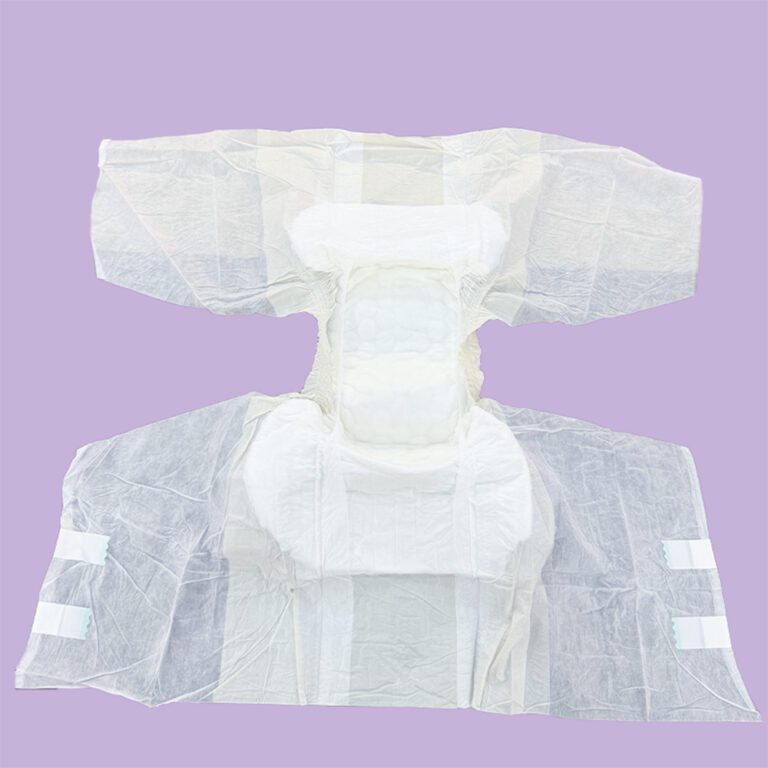
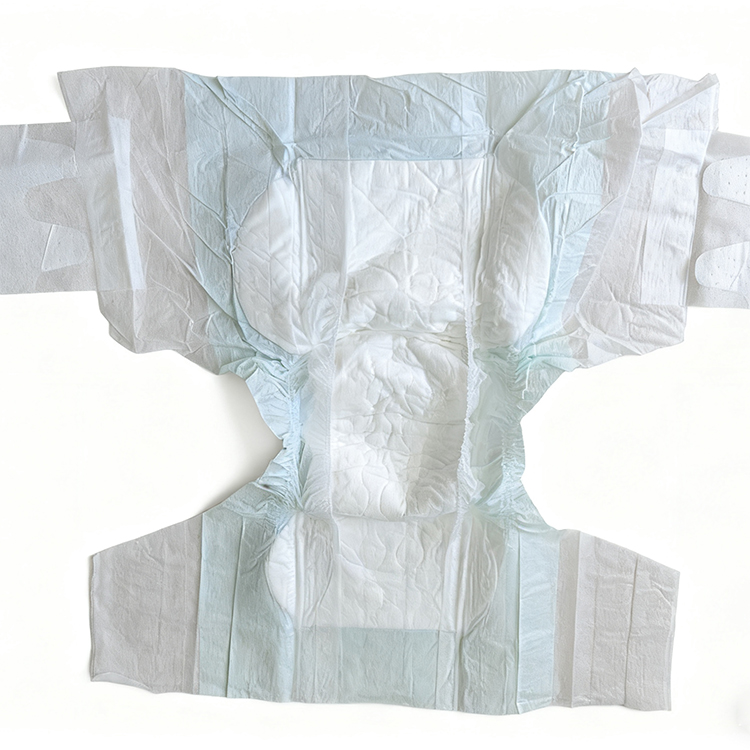
Buyers learn late. A home-care cart built around one diaper or pull-up SKU looks neat on a spreadsheet, but the first overnight leak, bowel cleanup, chair transfer, or mattress stain exposes the lie: body containment, surface protection, and skin cleanup are three separate jobs, and one product almost never handles all three well. Why do so many people still buy as if it does?
I’ll say the quiet part. I have watched too many buyers spend serious money on the “main” absorbent product and then act shocked when linen costs, odor complaints, and skin irritation show up anyway, as if underpads and incontinence wipes were decorative extras instead of the cheap insurance that keeps the whole routine from falling apart.
The demand is real. The 2024 Urologic Diseases in America report from NIDDK says claims-based urinary incontinence prevalence among adults 65 and older ran about 6% to 8% from 2012 to 2021 and likely reflects underreporting, while AARP’s Valuing the Invaluable report says family caregivers delivered 36 billion hours of unpaid care worth $600 billion and absorbed more than $7,200 a year in out-of-pocket costs on average. Add those numbers together and the buying logic gets brutally simple: underpads protect time and surfaces, and wipes protect skin and labor.
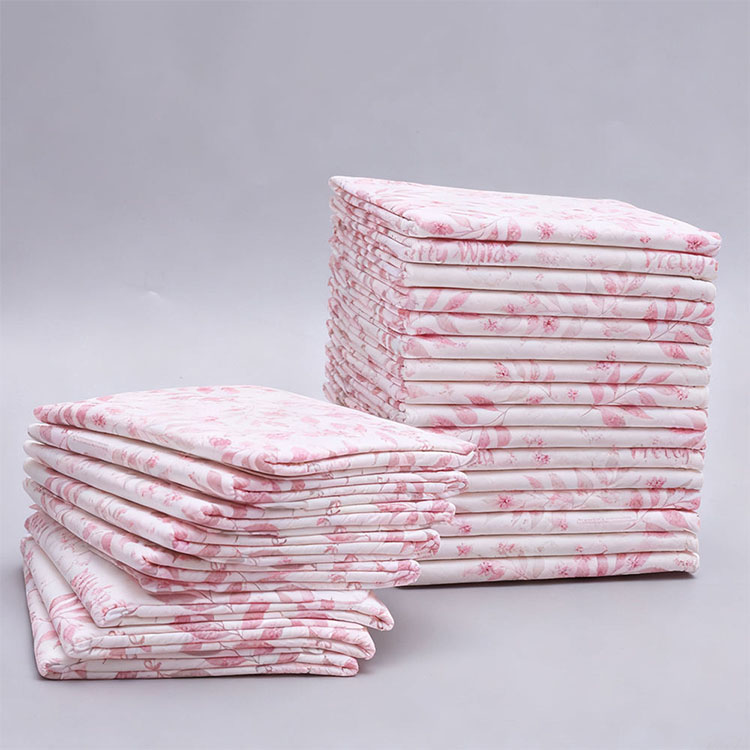
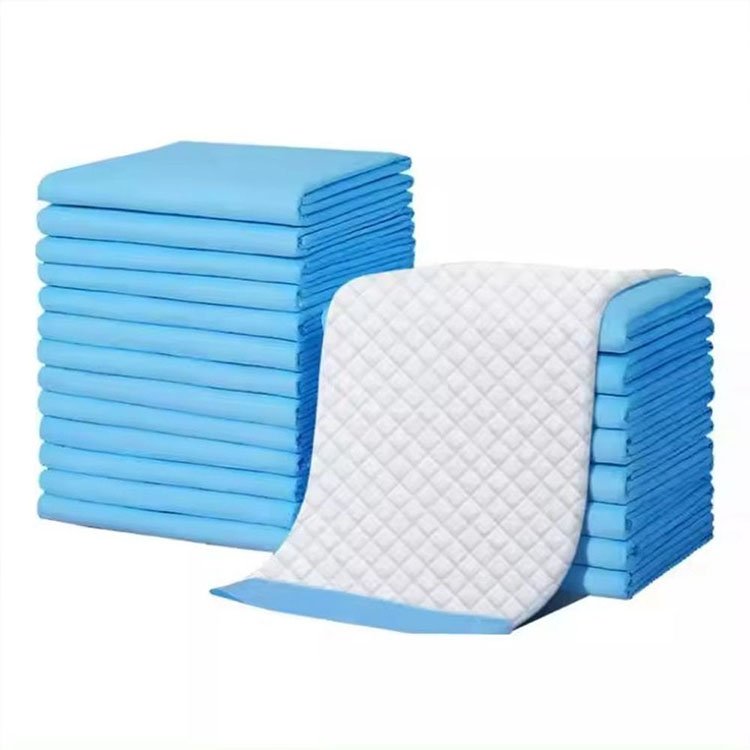
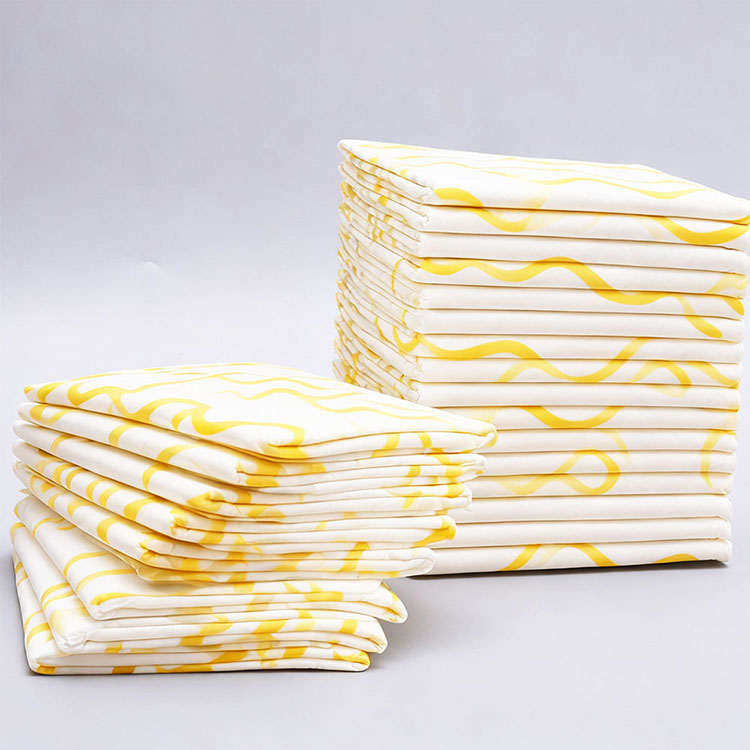
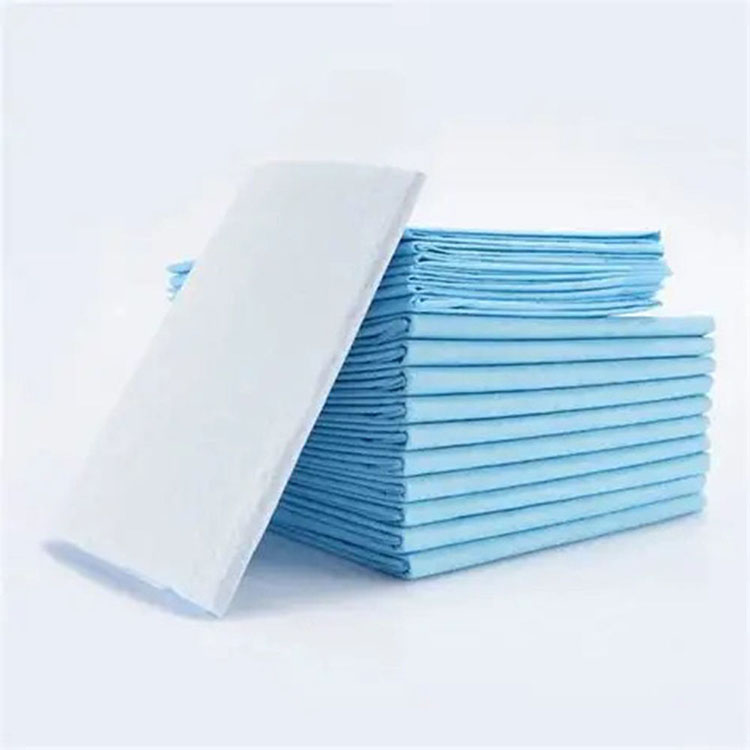
Call them underpads. Call them bed pads. Call them chux pads. The job is the same: catch what the primary absorbent product misses before it reaches the mattress, recliner, wheelchair cushion, or transfer surface.
This matters fast. The AHRQ pressure-ulcer toolkit is unusually direct: to minimize skin exposure to moisture during incontinence, underpads should be used to absorb moisture, and the epidermis should remain clean and dry. That is not fluffy marketing language. That is care-process language.
I think buyers miss the economic angle. A missed leak that lands on a disposable underpad is annoying; the same leak landing on fitted sheets, a mattress protector, a recliner seam, or a wheelchair pad becomes laundry, disinfection, drying time, and another 20 to 40 minutes of work that nobody budgeted properly. That is why disposable underpads for adults deserve to be treated as a workflow product, not an optional add-on.
And no, thicker is not always better. Even the site’s own care logic points out that pads fail when liquid runs sideways instead of moving down into the core, which is why fast intake and low rewet matter more than lazy “ultra-thick” bragging. I agree with that. Thickness sells. Performance saves labor.
Disposable underpads vs washable underpads
This is where buyers get religion.
If a household has a stable laundry loop, one primary user, reliable drying capacity, and a caregiver who can actually manage turnover, disposable vs washable underpads is a real decision. If not, it is fantasy. Washable underpads can cut recurring unit spend, but they push cost into wash frequency, odor control, storage, backup inventory, and missed turnarounds. Disposable underpads cost more per use, but they are brutally efficient when you need a fast swap and no debate.
Here is the version I trust:
Product add-on
What it really buys
What buyers usually underestimate
Best fit
Disposable underpads
Fast surface protection and quick change-out
Linen changes, chair cleanup, overnight chaos
High-frequency changes, mixed caregivers, travel, short staffing
Washable underpads
Lower repeat purchase volume
Laundry labor, drying time, backup stock, odor retention
Stable home routines with dependable laundry access
I have a strong opinion here: people who treat adult wipes for incontinence care like a cosmetic accessory have not done enough real cleanup. Urine, stool residue, sweat, zinc oxide, dimethicone, and odor do not care about your brand story, and a weak wipe that forces three extra passes is not “gentle” just because the pack is pastel.
AHRQ is plain about the routine. In pressure-injury prevention materials, it recommends keeping skin clean and dry, using packaged cleanser wipes, checking incontinence pads every 2 to 3 hours, and not treating urinary catheters as a substitute for skin care, skin barriers, and other ways to manage incontinence and limit skin breakdown. That is the piece amateur buyers hate, because it turns wipes from a “nice-to-have” into a labor-control tool. (ahrq.gov)
That is why adult body wipes and how adult wipes balance cleansing power and gentleness fit this topic so well. The better buying question is not “Are the wipes soft?” It is “How many passes does one cleanup take on day 10, with barrier cream already on the skin, when the caregiver is tired and the user is sore?”
The label trap most buyers deserve to be warned about
Words mislead. Specs matter more.
The FDA’s 2024 disposable wipes guidance says “unscented” may still include masking fragrance, while “fragrance-free” should not contain added fragrance ingredients; it also tells consumers to keep packs tightly closed, discard used wipes immediately, and remember that some wipes have been recalled for bacteria or mold contamination. Then there is the legal mess: Reuters reported in March 2026 that a federal judge in New York approved legal fees in the long-running Kimberly-Clark “flushable” wipes class action, years after the suit accused the company of mislabeling wipes as flushable despite possible plumbing damage. I do not care how attractive a wipe pack looks; vague labeling is a procurement risk. (U.S. Food and Drug Administration)
My rule is boring. Buy fragrance-free first for repeated perineal use, older skin, and any setup where one irritation complaint can trigger family distrust or product returns. Let scented or “unscented” positioning prove itself later, after a 7-to-14-day trial that tracks wipe count per change, sting reports, redness, closure performance, dry-out, and compatibility with barrier products. That is not glamorous. It is how professionals avoid dumb losses.
Why home care buyers bundle underpads and wipes together
Because one solves where the leak lands. The other solves what the leak leaves behind.
I think the smartest home-care buyers understand that underpads and wipes are not two separate categories at all. They are one operational system. Underpads keep urine and smears off the environment. Wipes remove moisture, residue, and friction from the body. When you split those jobs properly, the main absorbent product can do its own job better.
This is also why the best underpads for elderly at home are not always the cheapest bed pads on the page. A bedbound adult with assisted transfers, bowel events, and overnight changes has a very different risk profile from an ambulatory user who mainly wants chair protection during the day. Same category. Very different buying logic.
Underpads are absorbent surface-protection sheets placed on beds, chairs, wheelchairs, or exam tables to catch urine, stool smears, sweat, and transfer accidents before they soak linen or upholstery, which is why smart home-care buyers treat them as workflow protection rather than as a substitute for a diaper. They matter most when cleanup speed and surface protection drive cost.
Are disposable underpads or washable underpads better for home care?
Disposable underpads are single-use absorbent bed pads built for fast removal and contamination control, while washable underpads are reusable textile pads built for repeat laundering, so the better option depends less on sticker price and more on laundry capacity, caregiver time, drying speed, odor control, and backup inventory. In unstable home routines, disposable usually wins because it removes too many failure points at once.
What are adult wipes for incontinence care?
Adult wipes for incontinence care are large, pre-moistened cleansing wipes used to remove urine, stool residue, sweat, barrier cream, and odor from intact skin during routine changes, which makes them a time-saving and friction-reducing tool rather than a cosmetic extra in serious home care. The best ones stay strong when the cleanup gets ugly, not just when the sample feels soft in hand.
How do I choose underpads and wipes for home care?
Choosing underpads and wipes for home care means matching surface-protection needs, change frequency, mobility level, skin sensitivity, laundry access, wipe strength, fragrance policy, pack closure quality, and caregiver workload into one system, because buying each item in isolation almost always creates hidden labor, odor, or skin problems later. I would test by routine, not by marketing claim: overnight bed use, recliner use, bowel cleanup, and barrier-cream cleanup.
Are chux pads the same as underpads?
Chux pads is a common market term for disposable underpads used to protect beds, chairs, and other surfaces from moisture and light fluid exposure, so in practice most buyers use the names interchangeably even though brand, size, absorbency, and material specs can vary sharply between products. The label is not the decision. Intake speed, backsheet reliability, and rewet are the decision.
Your Next Move
Do the ugly audit. For one week, track nighttime linen changes, wipe count per cleanup, redness complaints, pack dry-out, chair contamination, and minutes per change. Then rebuild the basket around one primary absorbent product, one underpad standard, and one wipe spec that survives repeated use.