Pull-Ups or Pads: Better Entry Point for New Distributors?
The category mistake I see all the time
Pads look easy.
I have watched first-time distributors choose pads because the carton math feels friendlier, the product looks less technical, and the supplier pitch usually frames it as a broad-volume item, only for those same buyers to discover that pads attract lighter users, lower switching costs, and uglier price pressure than they planned for. Is that really the smart opening move?
My blunt answer is no. For most new distributors, pull-ups are the better entry point because they sit in the sweet spot between dignity, repeat purchase, and price tolerance. Pads still matter. But as a first bet, they often trap you in a weaker lane.
The macro demand is not subtle anymore. In June 2025, the U.S. Census said the 65+ population reached 61.2 million, up 3.1% in a year, while the child population slipped, and Reuters reported that Japan’s adult diaper market is projected to grow 16% to 98.9 billion yen by 2027 even as the baby diaper market contracts. That is not a niche story. That is a mature demand shift with money behind it.
And demand is not just “aging” in the abstract. NIDDK’s 2024 annual report says claims-based urinary incontinence prevalence among people 65 and older was about 6% to 8% from 2012 to 2021, rising sharply with age, and reaching 10.6% in the 85+ group in Medicare fee-for-service in 2021. The real number is likely higher because underreporting is built into this category.
Table of Contents
Pull-ups win where new distributors actually make money
This is the hard truth.
New distributors do not win by stocking the cheapest absorbent thing they can import; they win by owning the format that users are willing to stay with, trade up within, and repurchase without feeling punished every time they open the pack. Why pretend otherwise?
A PubMed review on absorbent products found that for moderate to severe urinary incontinence, there is no single universal winner, but both women and men preferred pull-ups to disposable insert pads. That matters more than people admit, because preference is a proxy for compliance, confidence, and repeat purchase.
The official care language points the same way. CMS guidance still separates pads and panty liners for slight leakage from protective underwear for moderate to heavy leakage, then notes that product selection should track severity, gender, fit, and ease of use; it also warns that prolonged moisture exposure can lead to dermatitis, erosion, and skin damage. In plain English, format mismatch gets expensive fast.
So when I compare pull-ups vs pads for distributors, I do not start with factory cost. I start with whether the format gives me a stronger ladder: daytime, night, overnight, gender split, waist-size expansion, and premium upgrades. Pull-ups usually do. Pads often do not.
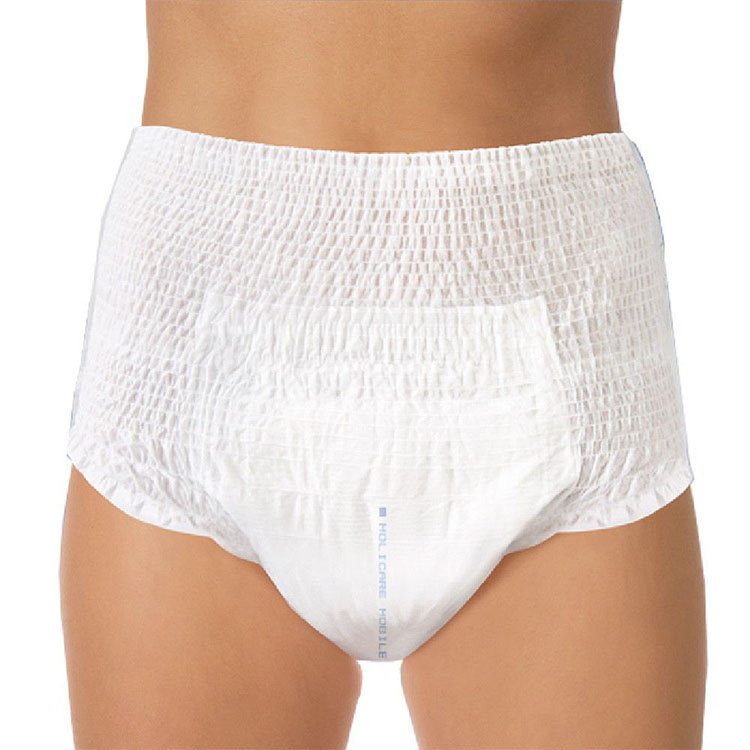
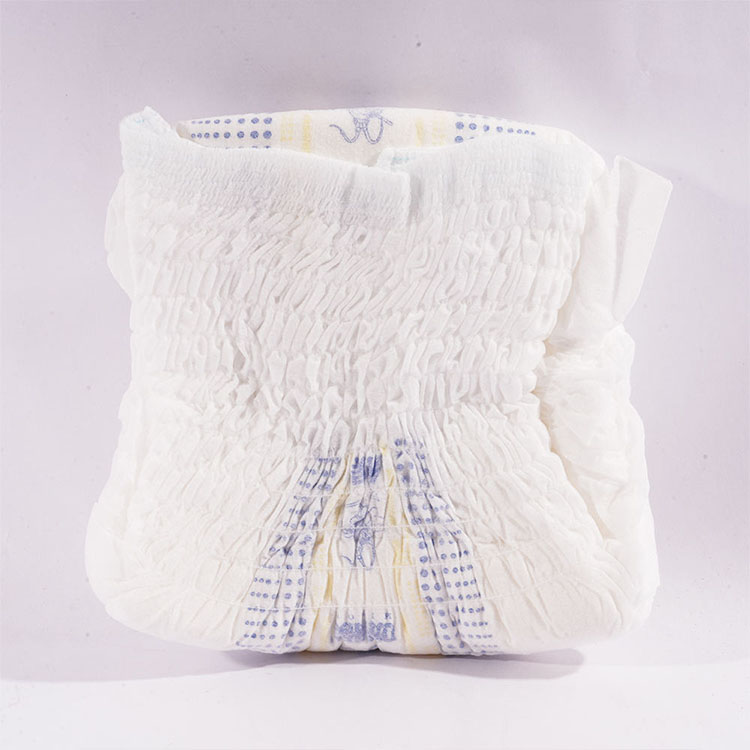
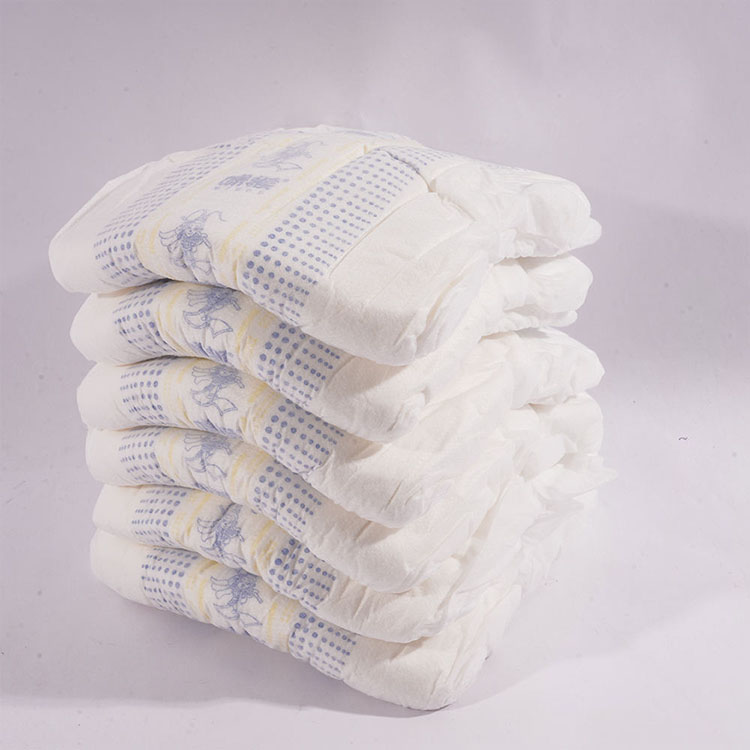
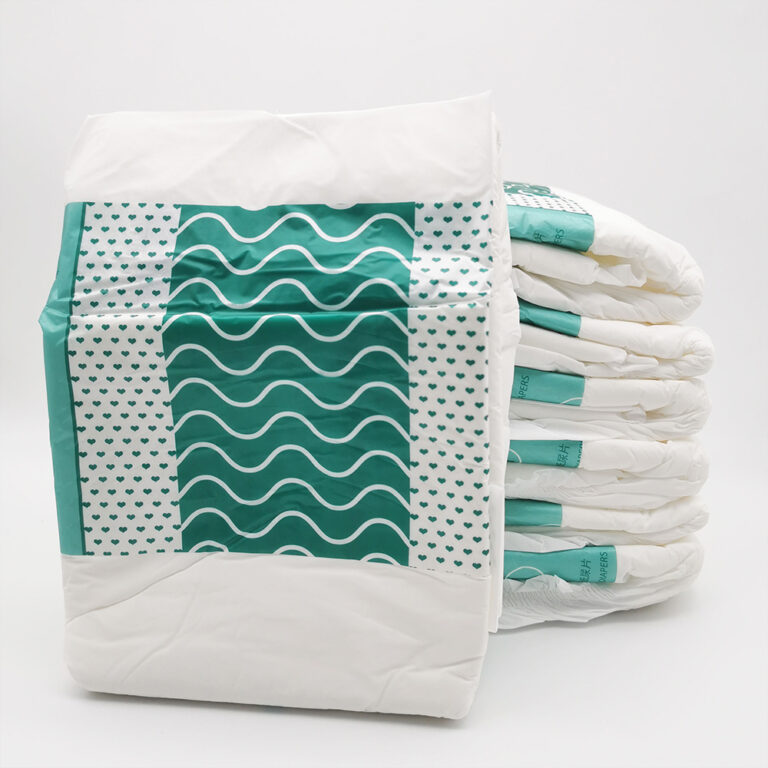
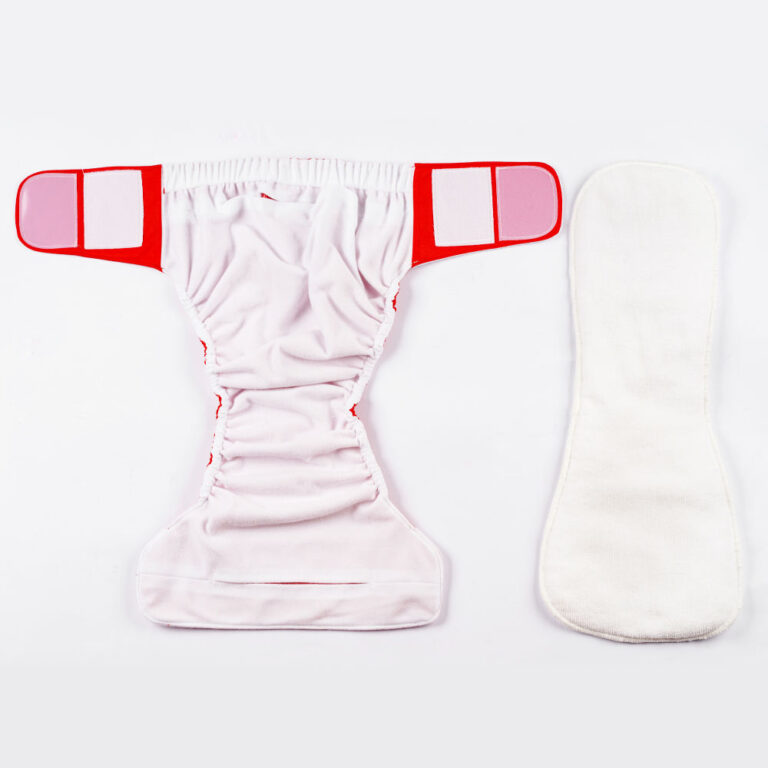
If you want to see how the site itself frames the format, the product page for wholesale pull-up underwear positions pull-ups as soft, quiet, absorbent, and suited for retail, home care, and pharmacy-style channels, while the incontinence pads supplier page keeps pads grounded in light-to-heavy leakage inside regular underwear. That difference is not cosmetic. It is the core of your entry strategy.
Pull-ups vs pads by the numbers that matter
I hate fluffy comparisons.
So here is the version I would actually use in a distributor meeting, where someone has to sign a PO and live with the complaints.
Entry-point factor
Pull-ups
Pads
My read
Typical leakage fit
Moderate to heavy, especially mobile and independent users
Light to moderate, sometimes heavy daytime
Pull-ups cover the fatter middle of the market
User psychology
Feels closer to underwear, less “medical”
Feels lighter and less intimidating
Pads lower the first barrier, but pull-ups hold users longer
Price architecture
Higher selling price and clearer premium tiers
Lower selling price, easier to commoditize
Pull-ups usually give better gross dollars per user
Complaint pattern
Fit drift, leg leaks, waistband tearing, overnight misuse
That table is not theory. CMS explicitly maps product type to leakage severity, and the site’s own content goes further by separating day and night pad logic from movement leak testing for pull-ups, including the ugly truth that ISO 11948-1 absorbency alone does not tell you what happens when a body sits, walks, or twists.
Why pads still matter, and why I still would not start there
Pads have a job.
They are often the cleaner first purchase for light leaks, post-procedure drips, cautious older adults, and users who are not ready to buy a full protective garment, which is exactly why they belong in your catalog. But should they be your opening flagship?
Usually, no. Pads tend to be easier to switch out, easier to underprice, and easier for competitors to imitate. A buyer can jump brands over a tiny unit-price gap or a slightly better adhesive strip. Pull-ups, by contrast, create more reasons to stay: waist fit, discretion, nighttime confidence, motion performance, and the awkward fact that people hate experimenting once they have found underwear that does not betray them in public.
The specs that separate a smart launch from a refund machine
Three words first.
Fit beats fluff.
I do not care how loudly a supplier talks about grams, SAP loading, or “premium softness” if the pull-up collapses under motion or the pad walks sideways after two hours; the site’s pull-up testing content makes that point well, and I agree with it because movement leaks are where reputation dies. Who wants a product that only works on a lab bench?
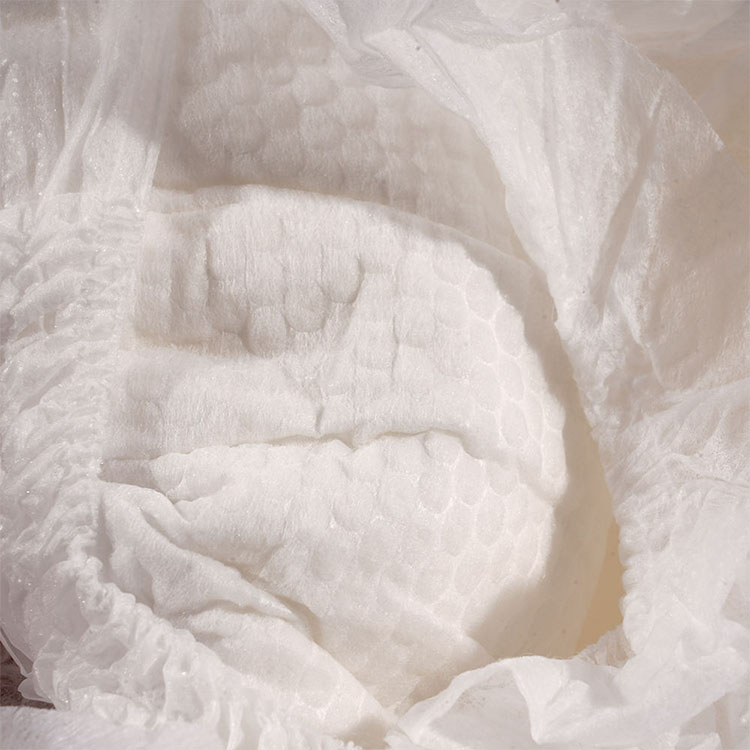
For pull-ups, I look at leg cuff integrity, elastic recovery, noise level, rewet, absorbent-core placement, and how the product behaves during sit-to-stand cycles. For pads, I look at adhesive reliability, edge curl, odor control, contour, and whether the absorbent zone matches the actual loading pattern. And if a supplier wants serious distributor business, they should not stop at pretty samples; they should show batch discipline and paperwork.
That last point is not glamorous, but it is where beginners get burned. LOVINHUG’s OEM/ODM page says it supports repeatable supply for importers and distributors, and the studies page says the documentation package can include ISO 13485-aligned quality system evidence, EU support where applicable, FDA-related documentation for the U.S., and REACH/SVHC materials transparency. For a new distributor, that is not a side issue. That is survival.
And one more uncomfortable opinion. If your first line has no route to heavier or more assisted care, you are leaving money on the table. The adjacent category page on why bedridden users often need tab-style briefs is useful here because it reminds buyers that pull-ups are not the final answer for every body or every care setting. Good distributors build a ladder, not a slogan.
My verdict for first-time distributors
I will say it plainly.
Start with pull-ups, then add pads.
That sequence gives you a better price umbrella, a broader severity window, stronger private-label storytelling, and a cleaner road into overnight, gendered, and premium variants. Pads should come second, where they work as gateway SKUs, basket builders, or a light-leak extension under the same brand.
The only time I would flip the order is when your channel is heavily biased toward light leakage, your customer base is extremely price-sensitive, or you already have a locked-in retail partner asking for liners and slim pads first. Outside that scenario, I think new distributors who lead with wholesale pads are usually choosing the easier sales pitch instead of the better business.
FAQs
Are pull-ups better than pads for new distributors?
Pull-ups are usually the better entry point for new distributors because they serve a broader band of moderate-to-heavy users, support higher selling prices, create clearer day-to-night product ladders, and are harder to commoditize than insert pads that compete mostly on absorbency claims and unit cost.
That does not make pads irrelevant. It means pads are more effective as the second move, not the opening one, unless your channel is dominated by light-leak, price-first demand.
When do wholesale pads make more sense?
Wholesale pads make more sense when a distributor is targeting light bladder leakage, post-procedure drips, pharmacy shelves with lower opening price points, or cautious first-time users who are not ready to buy protective underwear and are more likely to start with something slim and less visible.
I would also consider pads first when you already have a retailer asking for a simple, low-risk entry SKU and there is no appetite yet for sizing complexity or overnight claims.
What should buyers compare in pull-up pants vs pads?
Buyers comparing pull-up pants vs pads should focus on leakage severity fit, motion stability, rewet, odor control, sizing logic, adhesive reliability, night-use performance, complaint risk, and the supplier’s batch consistency documentation, because those factors shape returns, repeat orders, and whether the product can scale into a profitable private-label line.
If the supplier only talks about theoretical absorbency and never shows how the product behaves on a moving body or in real wear time, I get suspicious fast.
Should a first-time distributor launch both pull-ups and pads together?
A first-time distributor should launch both pull-ups and pads together only when the supplier can support tight MOQ planning, clear product positioning, and documentation that prevents overlap and channel confusion; otherwise, a focused one-format launch is usually cleaner, cheaper, and easier to optimize after first feedback.
My default play is one hero pull-up line, one controlled pad extension later, then boosters or tab briefs only after the complaint data comes back.
Your Next Steps
If I were in your chair, I would do three things this week.
First, request samples for one pull-up day SKU and one pull-up overnight SKU from a supplier that can also show OEM/ODM support and compliance documentation. Second, keep pads in the plan, but treat them as a follow-on line tied to a very specific light-leak use case through pages like incontinence pads and the day/night pad range guide. Third, force every supplier conversation back to complaint prevention: fit, motion leakage, rewet, and batch repeatability. That is where your margin lives.
If you want the shortest version, here it is. Pads are the easier PO. Pull-ups are the better business.