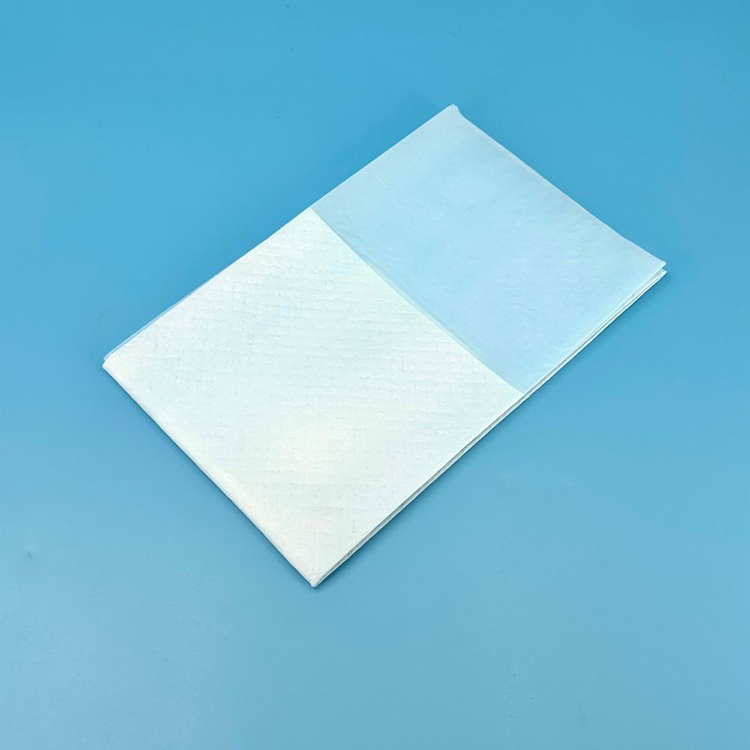
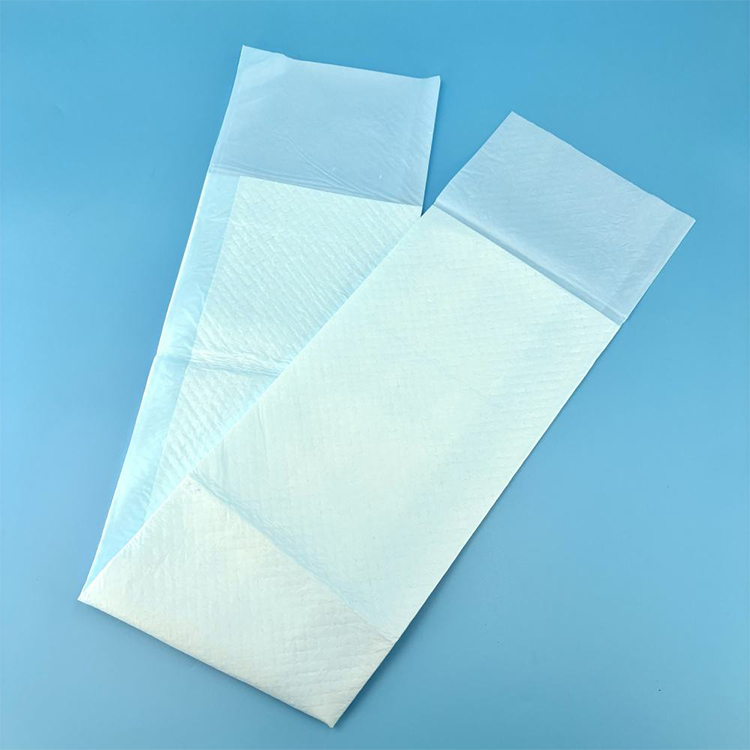
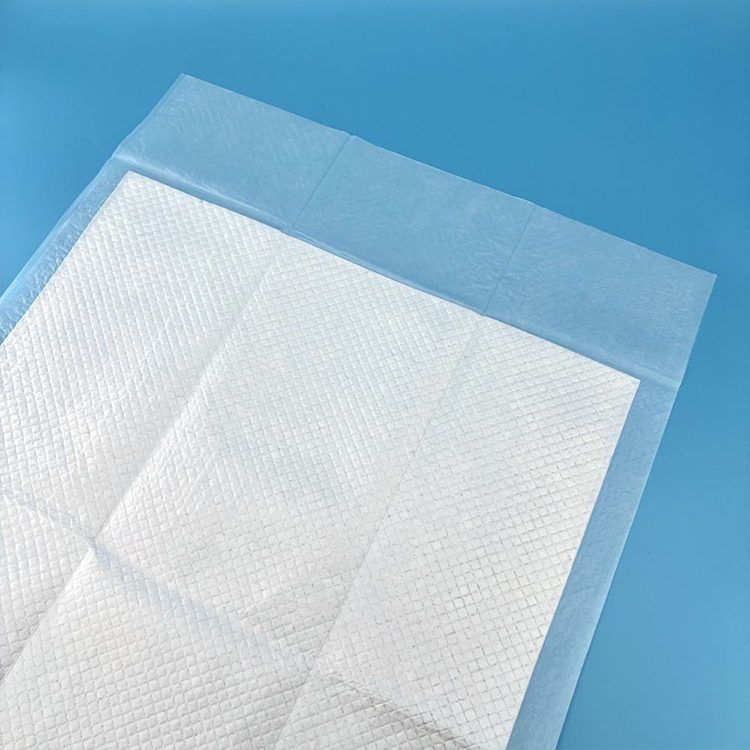
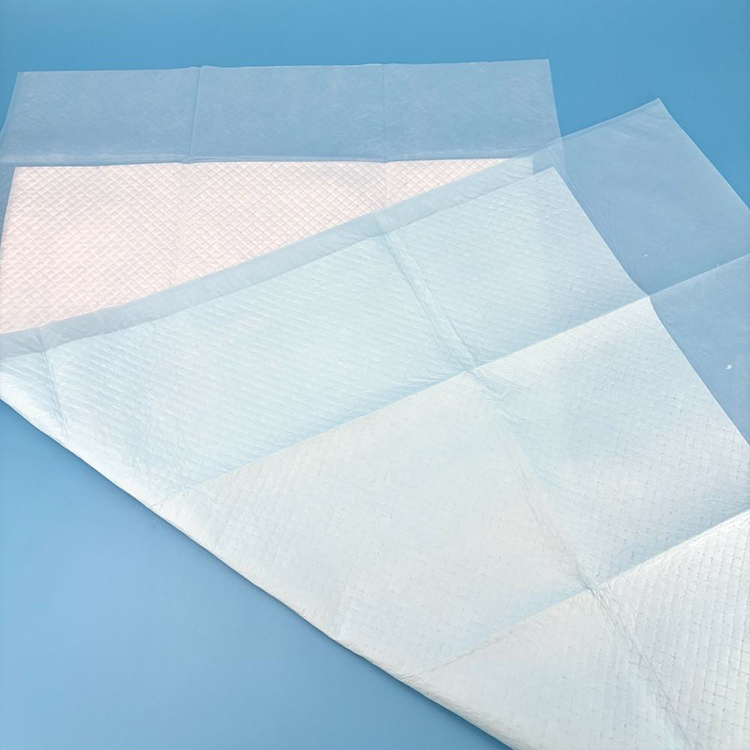
Which Institutions Need High-Absorbency Underpads?
Leaks reveal systems.
I have actually viewed procurement teams argue over dimes per pad while overlooking the even more expensive mess sitting downstream: wet bed linens, bed mattress contamination, delayed room turn over, team aggravation, odor grievances, skin exposure, and the quiet loss of count on when a member of the family sees a soaked bed at 6:40 a.m.. So that truly needs High-Absorbency Underpads?
The blunt response: establishments that manage immobile, semi-mobile, incontinent, post-operative, palliative, or high-turnover clients require them. Not every center needs the thickest pad. However healthcare facilities, nursing homes, lasting treatment facilities, hospice service providers, rehabilitation facilities, assisted living operators, dialysis systems, and home-care firms all require a major underpad method.
And yes, I stated method. Since acquiring “whatever underpad is least expensive this quarter” is not method. It is rejection with an order attached.
For standard item preparation, facilities should begin with disposable underpads for grownups and afterwards choose whether they need light, tool, hefty, or overnight absorbency based on actual treatment situations, not pamphlet adjectives.
Table of Contents
Why Health Centers Utilize Disposable Underpads In A Different Way Than Nursing Residences
Medical facilities melt with medical underpads for health care facilities since patient activity is uncertain. Emergency departments, surgical healing spaces, pregnancy wards, ICU units, imaging divisions, and general wards all handle body fluids, wound drainage, post-procedure leakage, and unexpected urinary incontinence episodes.
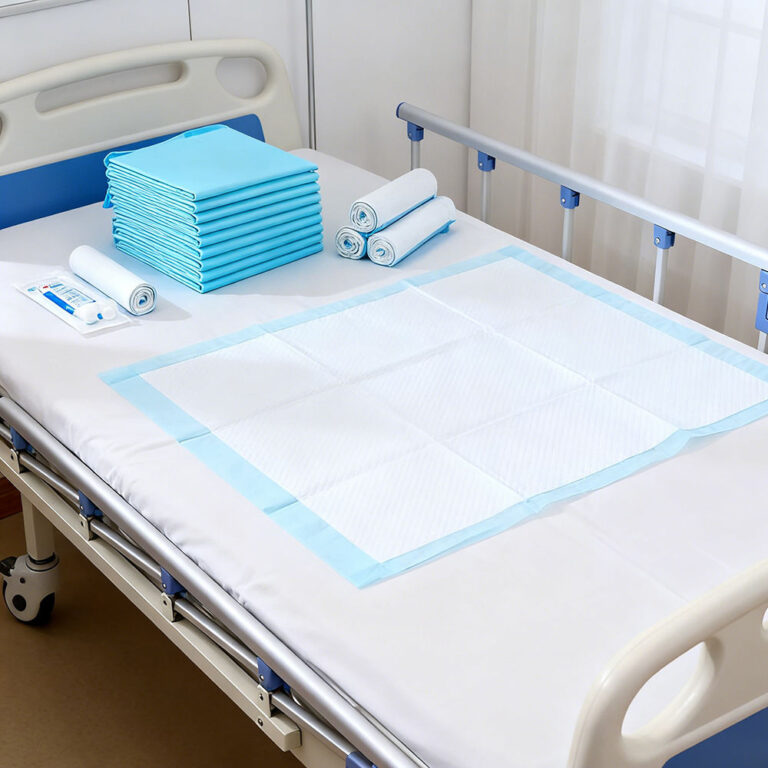
A health center underpad is not simply an incontinence item. It is a non reusable work surface.
That matters.
In acute-care settings, disposable underpads for healthcare facilities are used on beds, stretchers, examination tables, chairs, procedure surfaces, and often as temporary transfer protection. A thin economic climate pad may look appropriate in a tidy storage room. Under body weight, after 300– 600 mL of fluid, with an agitated client shifting across the pad? That is where cheap items level.
I would certainly never ever spec one global hospital underpad SKU unless the hospital has exceptionally straightforward use. The majority of do not. A much better mix generally appears like this:
Institution Kind
Main Liquid Risk
Suggested Underpad Type
Difficult Fact Buyers Neglect
Acute-care hospitals
Pee, injury water drainage, treatment fluids
Non reusable clinical underpads with fast consumption and PE or cloth-like backsheet
One affordable SKU will fail in high-output departments
Assisted living facility
Repetitive bladder/bowel incontinence
Hefty absorbency underpads for beds and chairs
Layering 2 low-cost pads is normally much more wasteful than acquiring one better pad
Long-lasting treatment facilities
Over night leak, stability, skin direct exposure
Absorbing bed pads for long-term care with low rewet
Surface dry skin matters as much as total capacity
Nursing Residences and Long-Term Treatment: Where Underpad Top Quality Obtains Political
Retirement home underpads are where the market gets unpleasant.
Why? Due to the fact that underpad top quality touches staffing, documentation, family members grievances, smell control, pressure-injury danger, laundry expense, and study anxiety. Nobody wants to state that aloud in a supplier conference. I will.
The CDC record showed that among nursing home citizens aged 85 and over, the share not in total control of bladder or digestive tract feature reached 60.3% for short-term homeowners and 82.2% for lasting locals. That solitary information factor discusses why absorbing bed pads for long-term treatment can not be dealt with like a commodity.
CMS has actually likewise folded up digestive tract and bladder incontinence into assisted living facility top quality measurement. Its MDS 3.0 Top quality Steps products include the “Percent of Residents with New or Worsened Digestive Tract or Bladder Urinary Incontinence (Long Keep)” step, applied in the Retirement home Quality Initiative effective October 1, 2023.
That does not mean underpads treatment incontinence. They do not.
But dampness control, quick changes, surface security, and correct product matching definitely affect the daily treatment chain. The underpad is not the care plan. It is one of the devices that either supports the care strategy or quietly undermines it.
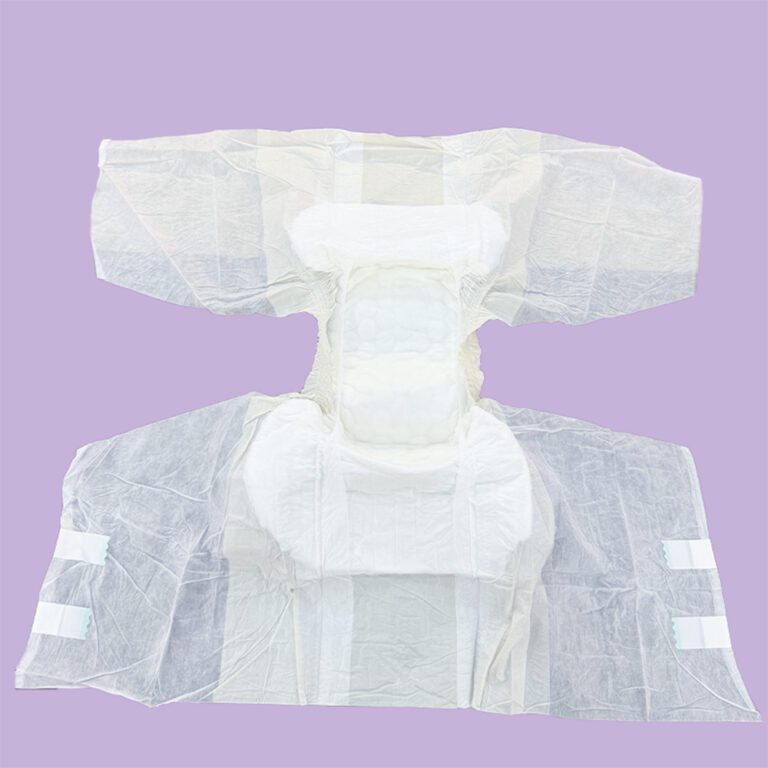
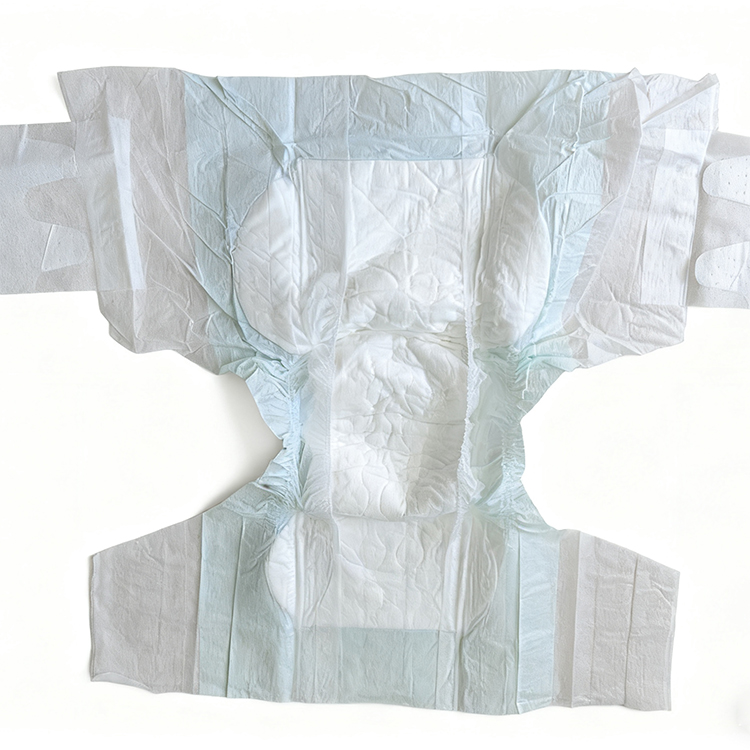
This is why lasting treatment purchasers must link underpads with body-worn items such as heavy absorbency grown-up diapers with tabs when residents are bedbound, bariatric, completely assisted, or dealing with over night leak. Underpads secure the environment. Briefs manage output at the body. Confusing the two produces leaks.
The Facilities Many Purchasers Forget
Aided living facilities are commonly under-spec ‘d. They may not market themselves as “clinical,” however many residents still need incontinence bed pads for institutions, especially over night, throughout illness, after falls, or throughout movement decline.
Hospice suppliers are another ignored classification. In hospice, the underpad is not only concerning absorbency. It is about dignity. A loud, plastic-feeling, perspiring pad can make a passing away individual unpleasant and make the space really feel institutional in the worst feasible method.
Rehab centers need a split system: bigger underpads for beds and smaller pads for wheelchairs, therapy chairs, and transfer factors. I have no perseverance for centers folding extra-large bed pads right into chairs and claiming that is reliable. It numbers. It moves. It creates pressure factors. And it looks careless.
Home-care firms likewise require high-absorbency underpads, but in a various layout. They need items that work across mismatched bed mattress, recliner chairs, rental beds, mobility devices, and household caregiving regimens. The product has to be simple to discuss in one sentence: soft side up, water-proof side down, adjustment when damp, dirtied, bunched, torn, or no more dry.
For wider product-system preparation, buyers must review the site’s Underpads category and set it with grown-up wipes for urinary incontinence care when the treatment pathway consists of digestive tract cleanup, breakable skin, or duplicated changes.
What I Would certainly Place in an Actual Institutional Underpad Spec
Here is where I obtain opinionated: most underpad specification sheets are too careless.
“High absorbency” means virtually absolutely nothing unless the buyer asks how the pad acts under stress. A pad can soak up fluid in a lab demo and still rewet badly under a citizen’s hip. A pad can look thick and still have bad consumption rate. A pad can claim “heavy absorbency” and still leakage with the edge due to the fact that the core map is as well narrow.
For institutional sourcing, I would ask for these specifications before authorizing a vendor:
Core construction
Search for fluff pulp plus SAP, not simply vague “absorbing material.” SAP is usually salt polyacrylate, a superabsorbent polymer that catches liquid inside the core. Extra SAP is not automatically much better, however a well-balanced fluff/SAP core typically does much better than a low-cost fluff-heavy build in high-output usage.
Rewet performance
Rewet issues since the user’s skin is not floating above the pad. It is pressing into it. If the topsheet remains wet under pressure, the facility may still have a skin-risk issue even when the cushion stays dry.
Backsheet stamina
Low-cost backsheets tear throughout rearranging. That is not a small defect. In a ward or assisted living home, torn backing indicates fluid transfer, team clean-up, and a product that fell short exactly when it was taken care of.
Size matching
A 60 × 90 cm bed pad is not a wheelchair pad. A chair pad is not an overnight bed pad. A full-bed underpad folded into a smaller surface is a workaround, not an option.
Product packaging and replenishment
Institutional customers should care about carton labeling, pallet planning, pack count, shelf area, and reorder tempo. If a facility uses 8,000– 50,000 pads per month, unpleasant product packaging develops into labor waste.
For combined resident populations, centers should likewise take into consideration adjacent items such as urinary incontinence underclothing for mobile grownups rather than forcing every individual into the exact same care model.
The Infection-Control Angle Nobody Need To Oversell
Allow’s be precise.
High-Absorbency Underpads do not prevent infections on their own. Any kind of supplier stating or else is playing with claims they might not be able to safeguard. But underpads do sustain cleaner surface areas, faster liquid isolation, less complicated disposal, and more predictable adjustment routines.
The CDC mentions that individuals residing in assisted living home, aided living facilities, and various other long-term treatment facilities have a greater danger of obtaining an infection in its long-term treatment infection prevention advice. That is the context. Not scare methods. Context.
So when I hear a purchaser state, “We just require a low-cost pad,” I ask: economical compared with what? A second linen adjustment? A mattress-cleaning cycle? A grievance? A wet transfer sheet? A night-shift assistant investing additional time cleaning preventable leak?
The cheapest underpad is occasionally expensive by 2 a.m.
That Requirements the Best High-Absorbency Underpads for Medical Care Facilities?
The Institutions that require the best high-absorbency underpads for health care centers are the ones with duplicated fluid exposure, vulnerable customers, aided transfers, high bed linen prices, infection-control methods, or family-visible treatment environments. That consists of hospitals, competent nursing facilities, long-term treatment homes, hospice companies, rehab facilities, helped living communities, and home-care supply programs.
Yet “ideal” is not one product.
Best for a healthcare facility ED may mean fast consumption and tear resistance. Best for an assisted living facility may suggest reduced rewet and over night capacity. Best for hospice may indicate soft qualities and peaceful handling. Best for a distributor might mean stable OEM/ODM quality, container consistency, absorbency rates, and fewer complaints.
For procurement teams that need private-label or bulk planning, the smarter following step is to relocate from generic category searching to requirements control via OEM/ODM adult urinary incontinence item manufacturing.
Frequently asked questions
What are High-Absorbency Underpads?
High-Absorbency Underpads are non reusable or multiple-use safety pads designed to take in pee, light body fluids, wound drainage, and care-related spills while protecting beds, chairs, wheelchairs, examination tables, and linens from contamination. They typically incorporate a soft topsheet, absorbing fluff/SAP core, and waterproof support.
In institutional care, they are used as surface area protection, not as a replacement for grown-up baby diapers, pull-ups, briefs, catheter treatment, rearranging schedules, or skin checks. Their work is to reduce fluid spread and make treatment changes quicker.
Which institutions require high-absorbency underpads most?
The establishments that require high-absorbency underpads most are medical facilities, taking care of homes, long-term care facilities, hospice providers, rehabilitation centers, aided living communities, dialysis centers, and home-care firms taking care of individuals with urinary incontinence, immobility, post-operative leakage, wound drainage, or repeated bed and chair exposure.
The stronger the liquid risk, the more crucial the underpad specification ends up being. Facilities with bedbound users, over night leak, bariatric treatment, mental deterioration treatment, or high bed linen costs ought to not depend on slim economy pads as their default SKU.
Are disposable underpads for medical facilities various from taking care of home underpads?
Non reusable underpads for healthcare facilities are often chosen for fast intake, tidy treatment surfaces, stretcher defense, and short-term liquid control, while taking care of home underpads are normally chosen for duplicated urinary incontinence occasions, longer use windows, chair protection, overnight leakage, and reduced rewet under body stress.
That distinction issues due to the fact that medical facilities often deal with faster individual turnover, while nursing homes deal with repeated direct exposure over months or years. The very same pad may operate in both setups, yet the buying logic need to not be identical.
How should centers choose heavy absorbency underpads?
Facilities should pick heavy absorbency underpads by matching pad size, intake speed, rewet control, backsheet stamina, core layout, and packaging layout to real care circumstances such as bedbound over night use, mobility device resting, assisted transfers, injury care, hospice convenience, or high-volume institutional replenishment.
Do not buy from the absorbency claim alone. Ask just how the product does under pressure, how quickly it draws liquid down, whether the backsheet splits during handling, and whether the carton format fits your storage and team process.
Can underpads decrease stress aching threat?
Underpads can not avoid stress sores on their own, however the ideal underpad can sustain a pressure-injury avoidance program by reducing wetness exposure, shielding bedding, limiting wet bed linens, and helping caretakers transform polluted surfaces quicker alongside rearranging, nourishment, skin assessment, and professional guidance.
The wrong underpad can develop the opposite problem. If it lots, catches warmth, stays wet on the top, or shifts under the individual, it may include friction, moisture, and pain. That is why rewet control and in shape issue.
Are multiple-use or disposable underpads much better for Institutions?
Non reusable underpads are usually much better for high-turnover, infection-sensitive, and labor-constrained establishments, while multiple-use underpads might fit lower-volume treatment settings with strong laundry systems, clear handling methods, and sufficient team time to manage collection, washing, drying out, storage space, and substitute.
The sincere solution depends upon total operating cost. Non reusable pads elevate product invest but lower laundry handling. Recyclable pads decrease single-use waste but need laundering self-control. Facilities ought to design labor, water, electricity, loss rate, odor problems, and contamination risk.
Last Thoughts: Quit Buying Underpads Like They Are Paper Towels
High-Absorbency Underpads belong anywhere institutional care fulfills unchecked liquid direct exposure. Medical facilities require them. Assisted living home require them. Long-lasting care centers require them. Hospice suppliers, rehab centers, aided living drivers, and home-care companies require them also.
Yet the getting inquiry is not, “That requires underpads?”
The much better question is: “Which treatment situations are costing us greater than the pad?”
Start with genuine use cases. Separate bed, chair, mobility device, overnight, hospice, wound-care, and high-turnover requirements. After that develop a product requirements around absorbency, rewet, backsheet strength, size, softness, product packaging, and replenishment volume.
If you are sourcing for a treatment organization, distributor, or private-label brand name, examine the complete underpads product array and request a specification-based quote instead of getting one more obscure “heavy absorbency” SKU that no one on the floor asked for.