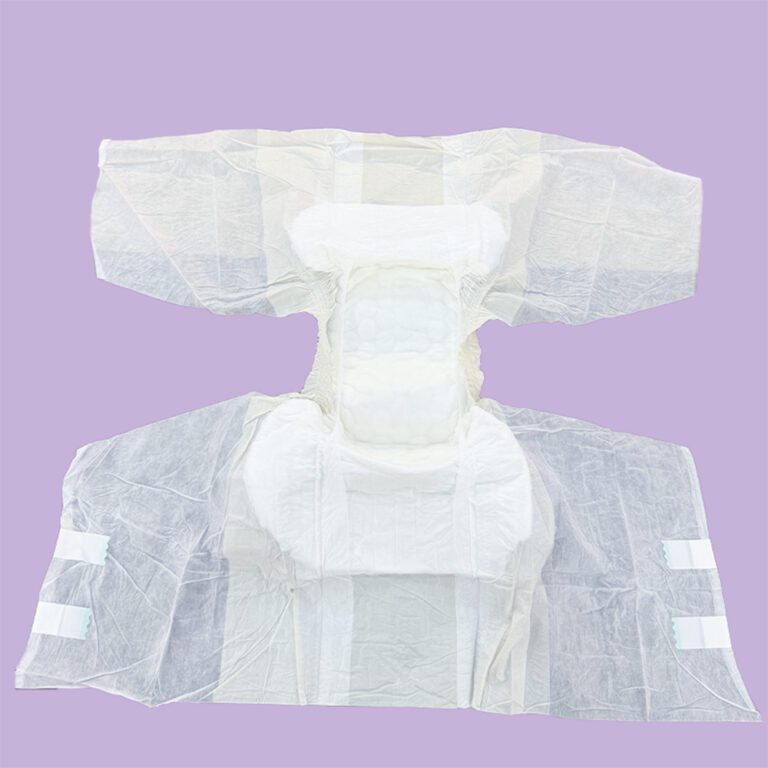
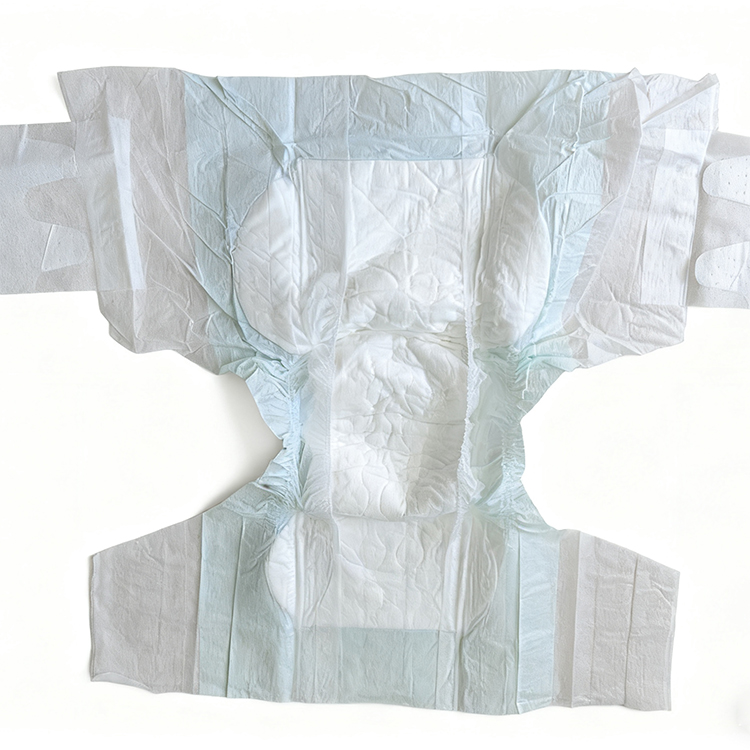
I have seen customers squeeze a sample grown-up diaper in between 2 fingers, nod like they found the truth, and accept a container order worth 10s of countless dollars.
That is lazy sourcing.
Gentleness exists. A baby diaper can really feel silky in the hand, photograph magnificently for a shopping listing, and still rub the internal upper leg raw after six hours since the leg cuff, topsheet, waistband, and wet core act in different ways under temperature, pressure, pee load, and duplicated activity. So what are we truly gauging when we say “soft”?
We are determining skin tolerance. We are determining rubbing. We are determining whether a grown-up with delicate skin, diabetic issues, minimal flexibility, menopause-related skin dry skin, post-surgery level of sensitivity, or lasting treatment direct exposure can put on the item without feeling penalized by it.
The marketplace is not tiny, and it is not getting quieter. A CDC/NCHS report on incontinence amongst older Americans found that 50.9% of noninstitutionalized individuals aged 65 and over reported urinary system leak and/or unexpected digestive tract leakage in 2007– 2010. Reuters additionally reported in July 2024 that Japan’s grown-up diaper market was expected to grow 16% over five years to ¥ 98.9 billion by 2027, while the infant diaper market was forecasted to reduce 8% to ¥ 84.6 billion, according to Fuji Keizai information cited in the report: Japan’s baby diaper makers want to adult market for profits as births drop.
That development develops temptation. Brand names start offering “cloud soft,” “cloth-like,” “skin-friendly,” and “breathable” like those words have lawful force. They do not.
For U.S. regulative context, adult urinary incontinence safety garments are recognized under 21 CFR 876.5920 as devices made of absorptive cushioning and a fluid barrier meant to secure an incontinent individual’s garment from excreta. Notice what is missing out on: the policy does not accredit that a baby diaper is mild, premium, low-friction, or comfy. That concern falls on the customer.
And yes, that need to make procurement teams awkward.
Table of Contents
The 4 Places Soft Grownup Diapers Normally Fail
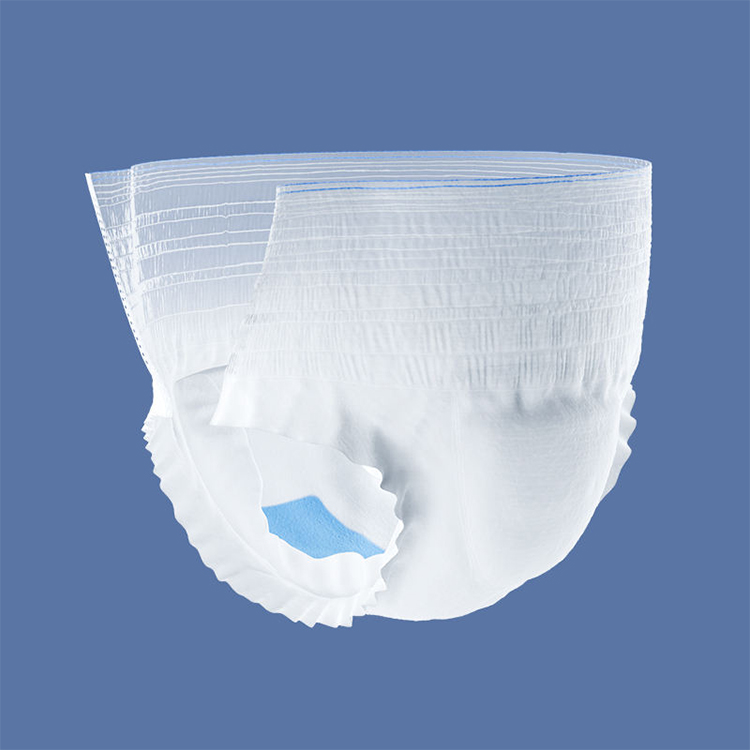
A soft grown-up diaper is not one material. It is a stack: topsheet, acquisition-distribution layer, absorbing core, leak guards, waistline flexible, side panels, attaching system, and backsheet. One rough part can wreck the whole using experience.
Many issues I have actually seen do not originate from the center of the diaper. They come from the edges.
1. The Topsheet: The First Contact Layer
The topsheet is the layer touching the skin. In adult diapers, it is frequently a nonwoven material made from polypropylene (PP), polyethylene (PE), bicomponent fiber, spunbond, hot-air-through nonwoven, or softer hydrophilic-treated materials. Some costs briefs utilize embossed, perforated, or air-through frameworks to reduce surface area get in touch with.
Below is the difficult truth: a topsheet that feels soft when completely dry might transform sticky, rough, or clammy after wetting.
A good topsheet ought to pass 3 checks:
Dry handfeel: smooth, not papery or scratchy
Wet handfeel: low cling, low drag, no abrasive SAP fragments moving upward
Rewet control: skin must not feel moist after pressure is applied
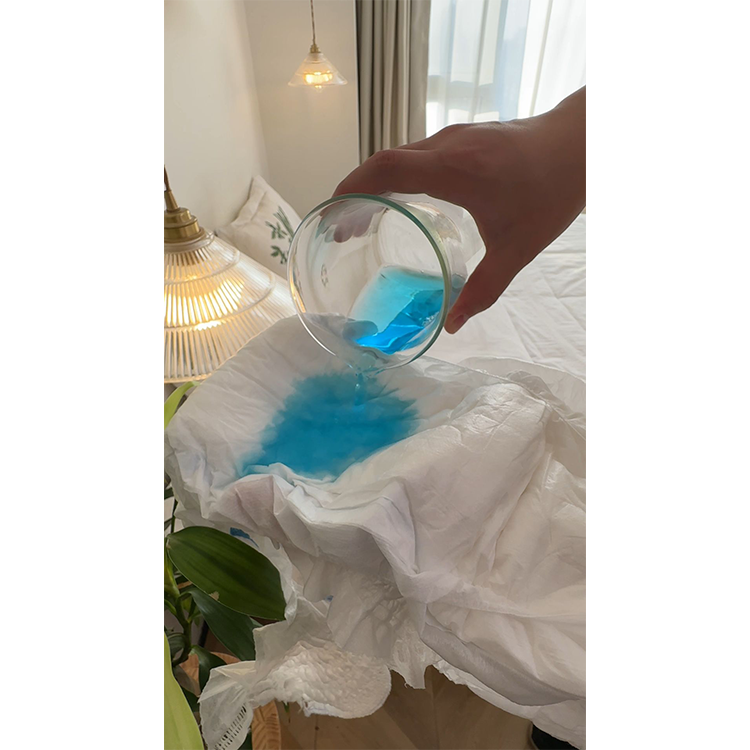
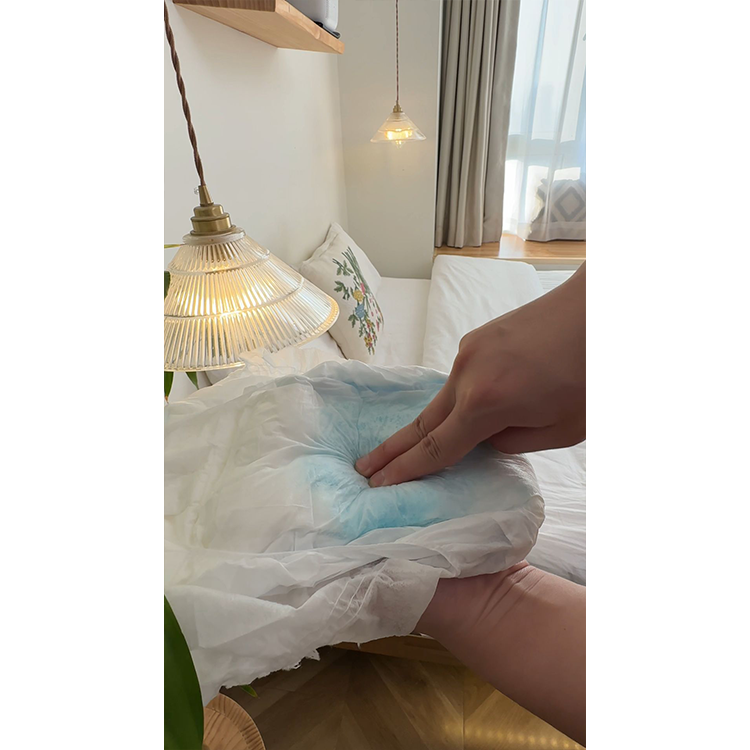
If you are sourcing grown-up baby diapers for heavy absorbency programs, do not authorize softness from a completely dry example alone. Load the brief with 0.9% saline service, wait 10 minutes, apply pressure, and check whether the topsheet still really feels calmness against skin.
2. The Leg Cuffs: Where “Soft” Becomes Rubbing
Leg cuffs are the peaceful bad guys. They protect against leak, so manufacturing facilities make them tighter. However grown-up individuals are not babies. Adult thighs develop even more stress, sweat, warmth, walking rubbing, and extended compression.
The cuff should stretch back cleanly without cutting into the skin. It ought to really feel soft at the fold line. If the cuff side feels like a plastic thread, decline it.
For grown-up diapers with tabs, I pay unique focus to the standing leak guard and external leg cuff. Caretakers often adjust taped briefs while the customer is resting, and a cuff that looks penalty on a flat table can explore the groin once the user rolls, rests, or rests sidewards.
3. The Waist and Side Panels: Soft Qualities Under Stress
A waistband does not need to seem like a cushion. It requires to stretch without attacking. That is different.
Soft qualities under tension is one of one of the most under-tested attributes in grown-up incontinence briefs. Pull the waistband to 50%, 75%, and near-full expansion. Then really feel the side. Does it crinkle? Does it rope? Does it produce a hard ridge?
This is where cheaper adult diapers subject themselves. The example feels fine until the flexible is extended. Then the waistband develops into a pressure line.
4. The Backsheet: Cloth-Like Is Not Constantly Comfortable
“Cloth-like backsheet” is just one of one of the most over used cases in the adult diaper sector. Sometimes it implies breathable and peaceful. Often it suggests a harsh nonwoven laminated to a PE movie.
A much better backsheet needs to be:
Reduced noise during walking
Soft versus bedding and clothing
Breathable enough to decrease heat accumulation
Solid enough not to tablet, tear, or fuzz under motion
For energetic users, urinary incontinence undergarments requires an even higher softness requirement because the product moves more like underwear. A pull-up that feels acceptable for a bedridden user might feel abrasive for someone strolling, flexing, or travelling.
The Gentleness Audit: What Purchasers Must Actually Examine
I do not trust “soft-touch” cases without a bench examination, a wear simulation, and a wet-state check. A serious purchaser must examine grown-up diapers like medical-adjacent convenience products, not like asset paper goods.
Softness Element
What to Examine
Excellent Indication
Warning
Topsheet completely dry feeling
Scrub inner wrist and lower arm for 30 seconds
Smooth, reduced drag, no scratch points
Papery feeling, irritable fiber, surface area fuzz
Topsheet wet feeling
Lots with saline, wait 10 mins, press, then touch
Dry-back experience, low stick
Damp surface area, sticky drag, SAP bits
Leg cuff gentleness
Stretch and massage cuff edge against skin
Versatile, rounded, mild
Sharp edge, hard elastic, red stress line
Waist really feel
Stretch to working stress
Soft recovery, no roping
Crinkling, cutting, tight tension
Backsheet comfort
Rub against textile and skin
Peaceful, cloth-like, reduced warm
Plastic noise, warm feeling, harsh laminate
Breathability
Put on simulation or WVTR-style supplier information
The NCBI Shelf testimonial of incontinence-associated dermatitis avoidance and therapy summarized organized care strategies that included correct cleansing, skin protectants, and correct use baby diapers or underpads. It additionally noted polymer absorbing items performed better than non-polymer products in avoiding particular skin failure symptoms in one randomized test. Translation for customers: gentleness without dry skin is theater.
Convenience is design.
A Better Means to Compare Grownup Diaper Softness
The adult diaper market suches as solitary adjectives. I like a scoring sheet.
Give every example a 1– 5 rating across 7 areas. Do it completely dry. Do it damp. Do it after motion. After that place the sample.
Grown-up Diaper Soft Qualities Scorecard
Test Location
Weight
What I Look For
Buyer Keep in mind
Dry topsheet soft qualities
15%
Smooth first-touch feeling
Helpful for rack perception, insufficient alone
Wet topsheet gentleness
20%
Reduced cling and reduced rewet
More crucial than completely dry feeling
Internal thigh friction
20%
Mild cuff and side get in touch with
Trick for strolling customers
Midsection stress comfort
10%
No elastic bite
Vital for plus-size and over night individuals
Breathability
15%
Much less warm and humidity
Strong variable for sensitive skin
Noise and backsheet feel
10%
Cloth-like, silent activity
Vital for self-respect and discretion
Odor/fragrance irritation risk
10%
Reduced chemical aroma
Strong scent is not care; it is camouflage
A sample scoring 4.5/ 5 completely dry and 2.5/ 5 wet is not a premium adult diaper. It is a display room diaper.
I have actually viewed factories over-optimize the topsheet due to the fact that buyers touch that initially. Yet the individual deals with the entire item. The user feels the cuff. The caregiver hears the backsheet. The skin struggles with moisture. That is why major OEM purchasers need to examine material construction before authorizing product packaging insurance claims via grown-up diaper OEM/ODM growth.
The “Delicate Skin” Trap: Soft qualities Is Not the Same as Safety and security
The phrase “ideal Adult Diapers for sensitive skin” threatens when it is treated as a marketing group instead of a performance requirement.
Sensitive skin does not simply need gentleness. It needs reduced rubbing, low moisture direct exposure, breathable style, reputable absorbency, and marginal toxic irritants.
That implies asking unpleasant questions:
Is the product fragrance-free?
Are dyes used near skin-contact zones?
What hydrophilic therapy is applied to the topsheet?
Is the lotion insurance claim backed by formula data?
What is the rewet worth after lots?
Does the item pass cytotoxicity, inflammation, or sensitization testing when positioned for health care networks?
Is the pH of wipes or buddy products skin-appropriate?
The chemistry issues. Superabsorbent polymer, typically sodium polyacrylate with the repeating unit commonly represented as (C3H3NaO2)n, is useful because it secures fluid far from skin. However if the core distribution is poor, the diaper can come to be lumpy, rigid, and unpleasant after wetting. That “soft” baby diaper becomes a damp brick.
For females’s products, anatomical fit issues also. A slim crotch, mild leg flexible, and smooth side seams can make an actual difference in women’s incontinence products, specifically for customers handling postpartum leak, menopause-related dry skin, or overnight protection.
For men, front-loaded absorbency and pressure-free fit issue greater than brand names frequently confess. A product constructed around guys’s urinary incontinence products ought to not simply resize a unisex quick and call it done.
What Manufacturers Do Not Constantly Inform You
Right here is my unpopular sight: several grown-up diaper soft qualities cases are designed for customers, not users.
The purchaser touches a dry example. The user uses a wet one.
The customer sees “breathable.” The customer really feels heat after 4 hours.
The buyer sees “cloth-like.” The caregiver hears plastic rustling at 2 a.m.. The buyer sees “costs.” The homeowner gets upper leg marks.
When evaluating soft grown-up baby diapers, ask for the bill of materials logic, not just the ended up example. You do not need every proprietary information, yet you do need to understand whether the soft qualities originates from actual product upgrades or cosmetic surface area therapy.
Questions Worth Asking a Provider
What topsheet material is made use of: spunbond, hot-air-through, spunlace, or bicomponent nonwoven?
What is the GSM of the topsheet and backsheet nonwoven?
Is the topsheet hydrophilic-treated? If indeed, just how stable is it after storage space?
What is the rewet efficiency at target absorbency?
Is the backsheet breathable PE film, cloth-like laminate, or conventional PE?
Are the leg cuffs hydrophobic and soft-edged?
Can the provider give batch-to-batch QC documents?
Can the vendor assistance different gentleness rates for retail, care home, health center, and over night SKUs?
A buyer that can not answer these concerns is not assessing softness. They are wagering.
Just How to Select Soft Grown-up Diapers Without Succumbing To Packaging Cases
Gentleness must be matched to use case. An over night adult baby diaper for a bedridden user requires different softness concerns than a pull-up for an active grownup. A bariatric brief demands various elastic convenience than a slim daytime item. A medical facility tender might focus on leakage control and caregiver gain access to, while ecommerce clients might penalize sound, mass, and scratchy cuffs in testimonials.
Here is the useful framework I make use of.
For Bedridden Users
Focus on tab-style briefs, soft leg cuffs, breathable backsheet, high absorbency, and reduced rewet. Caretakers require easy adjustments, but the wearer requires security from lengthy contact time.
For Active Grownups
Select very discreet pull-up undergarments with soft side panels, silent backsheet, and low-bulk absorbency. Activity friction matters more here.
For Delicate Skin
Focus on fragrance-free construction, breathable products, reduced rewet, smooth topsheet, and gentle elastics. Do not perplex lotion fragrance with skin safety and security.
For Overnight Usage
Inspect wet-state gentleness, core stability, and waist comfort after swelling. A baby diaper that ends up being rigid after one void will certainly not really feel soft at 3 a.m.
For OEM and Private Label Programs
Construct two or three gentleness tiers. Do not offer one common quick to every network. Retail purchasers, care homes, healthcare facilities, and on-line registration brands have different complaint patterns.
Frequently asked questions
What does soft qualities suggest in adult diapers?
Softness in Adult Diapers implies the product maintains a mild, low-friction feeling across the topsheet, leg cuffs, waistband, side panels, and backsheet throughout both dry and wet usage, while decreasing skin stress and anxiety, heat accumulation, dampness, elastic stress, and harsh contact over extended wear time. It is a performance feature, not just a handfeel claim.
A truly soft grown-up diaper should really feel smooth before use and remain comfortable after wetting. The wet-state test matters most because urine load, temperature, and stress can alter how the topsheet, absorbent core, and leg elastics feel against skin.
Just how do I review grown-up diaper gentleness in the house?
You can examine grown-up diaper gentleness in your home by inspecting dry touch, wet touch, cuff rubbing, waist stress, backsheet sound, breathability, and skin action after practical activity or resting conditions, rather than judging only by just how cosy the extra diaper really feels in your hand. This provides a much more straightforward comfort picture.
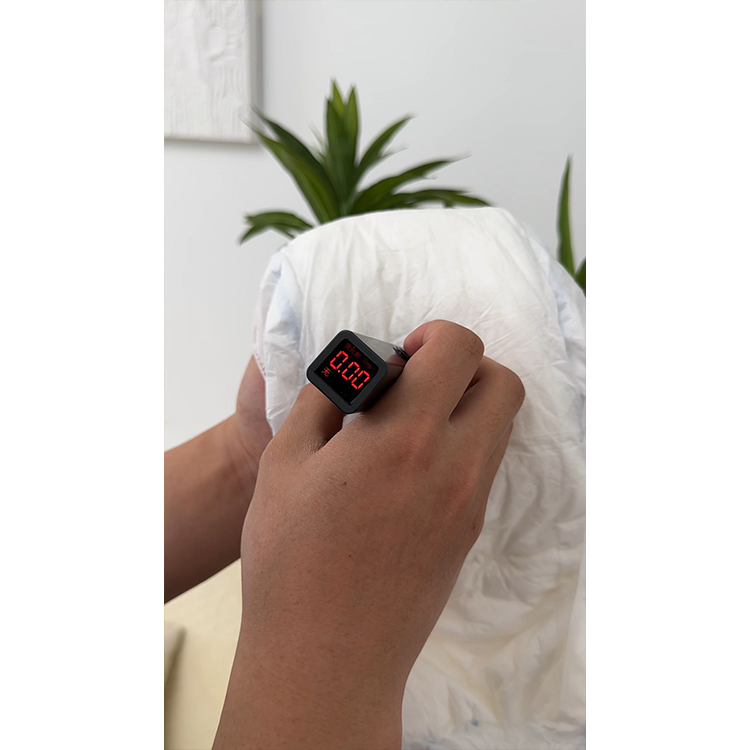
Use the inner wrist or lower arm as a fast sensitivity check. After that pour a gauged amount of saline or clean water into the diaper, wait, press with a towel, and really feel whether the topsheet stays completely dry, smooth, and non-sticky.
Are soft grown-up baby diapers much better for delicate skin?
Soft grown-up diapers are better for delicate skin just when softness is incorporated with reduced rewet, breathable building and construction, gentle elastics, fragrance-free products, and steady absorbency that maintains dampness far from the skin for the designated wear time. Soft qualities alone can not avoid irritation if the baby diaper stays damp or traps heat.
For delicate skin, stay clear of solid scents, rough cuffs, plastic-like backsheets, and baby diapers that feel wet after pressure. The safest-feeling product is normally the one that stabilizes soft qualities, dryness, fit, and breathability.
What is the difference in between soft grown-up baby diapers and breathable Adult Diapers?
Soft grown-up baby diapers concentrate on mild surface feel and low rubbing against skin, while breathable grown-up diapers focus on lowering heat and moisture build-up through air-permeable or vapor-permeable materials, normally in the backsheet or side panels. The most effective items combine both, however one case does not guarantee the other.
A baby diaper can feel soft yet trap warmth. Another can be breathable yet still have rough cuffs. Purchasers should evaluate both comfort measurements independently before approving a product.
How should B2B buyers examination adult baby diaper convenience prior to mass orders?
B2B purchasers should test grown-up diaper convenience through dry handfeel checks, wet rewet testing, leg cuff friction evaluation, waist stretch testing, motion simulation, smell assessment, and set consistency checks prior to approving mass orders or private label product packaging cases. A solitary display room example is not nearly enough for responsible sourcing.
Demand multiple samples from the very same production spec, not just a hand-picked prototype. After that contrast wet-state softness, elastic comfort, and backsheet feel across sizes due to the fact that XL, 2XL, and 3XL briefs can act in different ways under tension.
Your Following Actions: Quit Getting “Soft” and Start Testing It
If you are choosing Adult Diapers for a care center, retail line, supplier catalog, or private tag program, do not accept the product since it feels good for 3 seconds in your hand.
Check it dry. Evaluate it damp. Stretch the cuffs. Draw the waist. Pay attention to the backsheet. Check the rewet. Ask for the material logic. Contrast examples after activity, not simply on a meeting table.
After that construct your item brief around quantifiable convenience: soft topsheet, breathable backsheet, low-friction leg cuffs, steady absorbing core, reduced rewet, gentle flexible stress, and skin-friendly style options.
If you are establishing or sourcing adult diapers, request examples with clear soft qualities, absorbency, fit, and product targets prior to dedicating to bulk production. The right item needs to secure the user’s skin, secure your brand name online reputation, and lower the grievances that quietly ruin repeat orders.