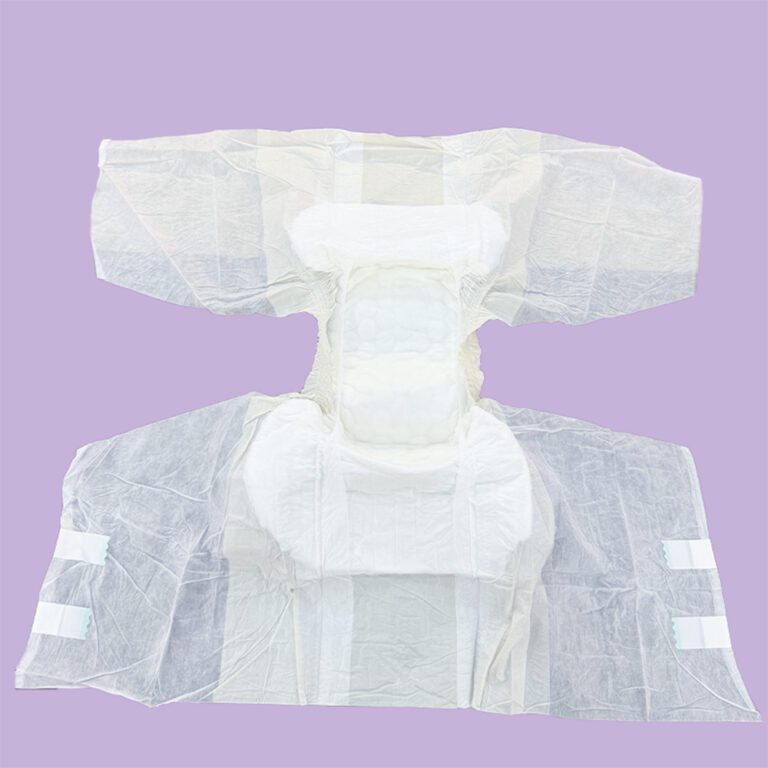
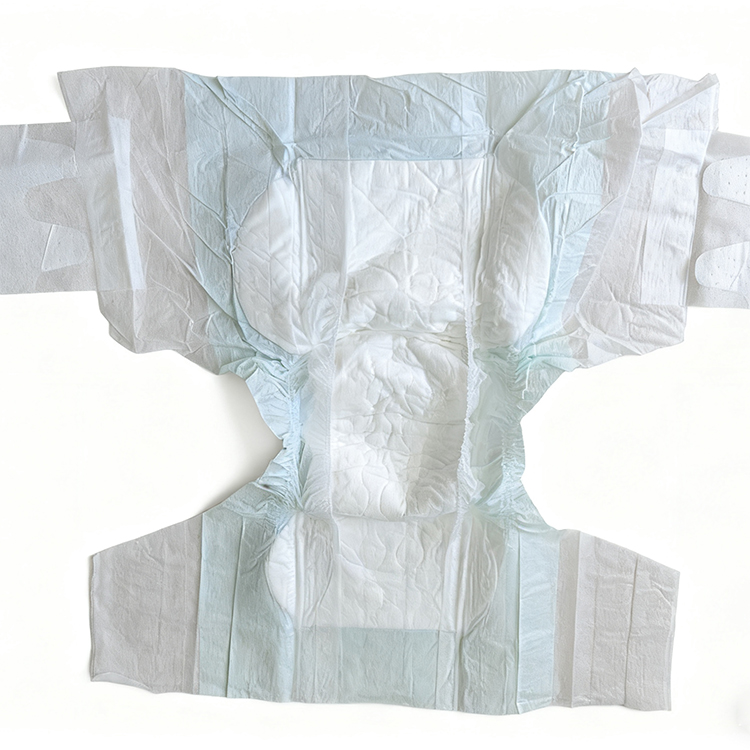
Are Incontinence Underwear Products Better for Daytime or Overnight Use?
Although high-absorbency incontinence underwear can work overnight for some mobile adults with moderate leakage, the pull-on format is fundamentally optimized for independent dressing, regular toilet access, upright movement, and shorter intervals between checks—not eight hours of side-sleep compression.
So why do packages blur the distinction?
Because “overnight” sells. It signals safety, capacity, and fewer interruptions. But a larger absorbent core does not automatically create a dependable nighttime product, particularly when the wearer sleeps on one side, produces a sudden high-volume void, cannot reposition the garment, or needs caregiver-assisted changes.
My hard truth is simple: most incontinence underwear products are better daytime products. Overnight underwear is a specialist variation, not proof that the pull-on format is universally suitable for sleeping.
The Direct Verdict: Daytime for Mobility, Overnight Only When the Conditions Fit
Adult incontinence underwear is generally better for daytime use because it behaves like regular underwear. The wearer can step into it, pull it up, use the toilet independently, and remove it through tear-away side seams.
That matters.
A mobile adult going to work, shopping, attending an appointment, exercising lightly, or moving around the house benefits from the 360-degree elastic waist and discreet silhouette found in modern pull-up incontinence underwear. The garment stays reasonably close to the body while allowing normal movement.
Overnight use asks more of the same structure. The product may remain in place for six to eight hours. The wearer may roll onto one hip, compress the absorbent core, sweat, release urine more than once, or lie in a position that directs liquid toward one leg opening.
That is a very different operating environment.
Overnight incontinence underwear can still be appropriate when all of the following are true:
Leakage is light to moderate rather than consistently heavy.
The product is specifically engineered and labeled for overnight use.
The waist, hip, and leg fit remain secure while lying down.
The wearer is mobile enough to change independently or has timely caregiver support.
There is no uncontrolled bowel leakage.
Morning skin checks show no persistent wetness, redness, burning, or maceration.
Remove two or three of those conditions, and I would stop trusting the underwear format merely because “overnight” appears on the bag.
Table of Contents
Why Daytime Incontinence Underwear Usually Performs Better
Daytime wear gives the product more chances to recover
During the day, users stand, walk, sit, and visit the toilet. They also tend to notice dampness, waistband movement, or fullness earlier.
That creates intervention opportunities.
A daytime product can be changed after a significant episode rather than being expected to absorb repeated output until morning. Clothing may compress the core, but the garment is not pinned beneath the same body area for several continuous hours.
For active users, bladder control underwear in a disposable pull-up format also offers something tab-style briefs struggle to match: normality. It looks and functions more like underwear, which can improve acceptance and reduce embarrassment.
That benefit is not cosmetic. A product that people refuse to wear has an effective absorbency of zero.
Pull-ons favor independent toileting
Daytime incontinence underwear is especially useful for adults who can stand safely, lower and raise the garment, and respond to bladder signals.
This includes many people with:
Stress incontinence during coughing, lifting, or exercise
Urgency incontinence with occasional failure to reach a toilet
Post-prostate-treatment leakage
Postpartum bladder leakage
Mild functional limitations
Early-stage cognitive impairment with retained toileting ability
But the same pull-on construction can become awkward when the wearer cannot stand. Pulling a saturated garment down both legs during an in-bed change is slower, messier, and physically harder than opening a tab-style brief.
That is why the site’s guide to briefs versus pull-ups reaches a conclusion I agree with: pull-ups are mobility products; briefs are control products.
Overnight Use Is an Engineering Problem, Not a Marketing Label
Night changes the physics.
The wearer is horizontal. Gravity redirects fluid. Body weight compresses the core. Movement is less predictable. A loose leg opening that caused no trouble while standing can become a leak channel when the wearer rolls onto one side.
And the exposure period is longer.
According to the 2024 NIDDK Urologic Diseases in America report, claims-based urinary incontinence prevalence among adults aged 65 and older was approximately 6% to 8% annually from 2012 through 2021. The report also states that less than 40% of adults with self-reported incontinence tell their physicians, meaning claims data likely understate the real burden.
The older but still instructive CDC/NCHS report on incontinence among older Americans found that 43.8% of noninstitutionalized adults aged 65 and older reported urinary leakage in the 2007–2010 NHANES data. When researchers restricted the definition to moderate, severe, or very severe bladder incontinence, the figure was 24%.
That gap tells us something important. “Incontinence” covers radically different output patterns.
A person losing a few milliliters while coughing does not need the same overnight system as a person experiencing a full bladder release while asleep. Yet retail absorbency labels frequently compress both users into vague terms such as maximum, ultimate, super, or overnight.
I do not trust those words without test data.
The core must acquire, distribute, and retain
Disposable incontinence underwear usually contains several functional layers:
A skin-facing topsheet
An acquisition and distribution layer, often called an ADL
Fluff pulp
Superabsorbent polymer, commonly sodium polyacrylate, represented as (C3H3NaO2)n
Then the ADL must move it away from the strike zone. The core must distribute it instead of allowing one small region to swell and block further intake. Finally, the polymer must retain liquid while the wearer’s body applies pressure.
A laboratory capacity figure measured without realistic pressure can therefore mislead buyers. A product may hold a large volume when laid flat in a test tray but leak much earlier beneath a sleeping adult.
Side leakage often starts before the core is full
Most consumers blame capacity. I often blame geometry.
The internal leak guards must remain upright. The leg elastics must stay close without cutting into the skin. The waistband must resist rolling. And the absorbent core must remain centered rather than bunching toward the crotch or back.
The site’s examination of leak guards in adult pull-up underwear gets this point right: leakage can occur during the first seconds of a void when liquid moves sideways faster than the acquisition layer can draw it downward.
More SAP will not fix a collapsed cuff.
Daytime vs. Overnight Incontinence Underwear: The Real Comparison
Operating Factor
Daytime Incontinence Underwear
Overnight Incontinence Underwear
When Pull-Ons Become the Wrong Tool
Typical wear pattern
Shorter intervals with toilet access
Longer uninterrupted wear
No reliable change opportunity
User position
Standing, walking, sitting
Back, side, or stomach sleeping
Bedbound or frequently repositioned by caregivers
Leakage pattern
Light leaks or isolated urgency episodes
Repeated or larger nighttime episodes
Heavy full-void or bowel incontinence
Core pressure
Intermittent sitting pressure
Continuous body-weight compression
Severe compression rewet
Fit requirement
Discretion and mobility
Stable waist, hip, and leg seal
Large leg gaps or constant garment shifting
Change method
Usually independent
Independent or caregiver-assisted
In-bed changes requiring full garment removal
Main failure
Front leakage, sagging, waistband roll
Side leakage, saturation, wet bedding
Repeated bedding failure despite correct sizing
Better alternative
Pads or lighter bladder leak underwear
Overnight-rated pull-on for suitable users
Tab-style brief, booster system, or underpad
This is the table retailers should put near the shelf.
They rarely do.
The Best Incontinence Underwear for Overnight Use Is Not Always Underwear
There is an uncomfortable commercial truth here. Brands prefer telling customers to buy a premium pull-on because the product looks familiar and feels less medical.
But sometimes a tab-style brief is the better product.
I would move away from overnight pull-up underwear when the wearer has heavy output, bowel incontinence, poor mobility, dementia-related garment interference, frequent side leakage, or a need for in-bed changes. Adjustable tabs allow caregivers to control waist tension and leg fit without dragging the garment down the legs.
For bedding protection, the better answer may also be a system rather than one thicker garment. The site’s guide to combining adult diapers and underpads explains the division clearly: the wearable product protects the body, while the underpad protects the mattress, chair, or wheelchair.
But an underpad is backup. It should not excuse a leaking primary product.
Skin condition should overrule convenience
Longer wear creates a skin-management problem as well as a containment problem. Urine, stool, heat, friction, and occlusion can contribute to incontinence-associated dermatitis, or IAD.
A 2024 quasi-experimental hospital study assessed 1,897 patients across pre- and post-intervention groups. Among patients with incontinence, hospital-acquired IAD prevalence decreased from 6.71% before an evidence-based care bundle to 4.27% afterward—a 36.3% relative reduction, although the reported difference was not statistically significant at p = 0.159.
The takeaway is not that a specific brand prevents dermatitis. The study did not prove that.
The takeaway is that structured assessment, product selection, cleansing, skin protection, and timely changes matter. A soaked “12-hour” product that remains against irritated skin is not successful merely because the bedsheet stayed dry.
How I Would Test Disposable Incontinence Underwear Before Trusting It
Ignore the front of the package for a moment.
A serious comparison should examine at least these seven points:
First-insult acquisition speed: How quickly does the topsheet and ADL accept a sudden void?
Repeated-insult performance: Does intake slow sharply after the second or third episode?
Rewet under pressure: How much liquid returns to the surface when the saturated core is compressed?
Side-sleep containment: Do the standing guards and leg cuffs remain functional when the wearer lies on one hip?
Core stability: Does the absorbent material clump, split, or sag after walking and turning?
Fit window: Are sizing claims based only on waist measurement, or do they account for hips, thighs, abdominal shape, and mobility?
Removal workflow: Can the garment be removed cleanly and safely under real care conditions?
Ask suppliers for numbers.
“Maximum absorbency” is not a number. Neither is “all-night protection.” A credible manufacturer should be able to discuss test volume, saline concentration, insult rate, pressure load, rewet method, sample size, and pass/fail limits.
That is what professional buying looks like.
Cost Changes the Decision More Than Brands Admit
Original Medicare does not cover routine incontinence supplies or adult diapers, according to the current Medicare coverage page. Beneficiaries generally pay 100% for these non-covered products, although some Medicare Advantage plans may provide additional benefits.
So cost matters. A lot.
But price per garment is a weak metric. A cheap pull-on that leaks may trigger extra laundry, mattress protection, caregiver time, replacement clothing, skin products, and a second garment during the same night.
The proper calculation is cost per successful wear period.
For daytime use, a thinner and less expensive product may be financially rational because it is changed more often and faces lower overnight pressure. For nighttime use, paying more for a validated higher-retention product may reduce total costs—but only when the product fits the wearer and the advertised performance is real.
Buying maximum capacity for every hour of the day is wasteful. Buying daytime protection for a high-output night is false economy.
Warning Signs That the Product-Use Match Is Wrong
Change the product or care plan when any of these patterns repeat:
Wetness consistently appears at the same leg opening.
The core is swollen in one zone but dry elsewhere.
The waistband rolls below the abdomen.
The wearer wakes with damp skin despite a dry-looking exterior.
Bedding is wet while the back of the product remains underused.
The product sags or separates after movement.
Redness, burning, itching, or skin breakdown persists.
Caregivers must cut or tear the product awkwardly during every in-bed change.
Bowel leakage escapes before the wearer can be changed.
And do not treat new or worsening incontinence as merely a supply problem. Sudden leakage, pain, blood in urine, fever, difficulty emptying the bladder, or a major change in nighttime urination deserves clinical assessment.
Products manage leakage. They do not diagnose its cause.
FAQs
Is incontinence underwear better for day or night?
Incontinence underwear is generally better for daytime use because its pull-on design supports independent toileting, walking, discreet wear under clothing, and more frequent changes, while overnight protection demands longer wear time, greater liquid retention under body pressure, stronger side-leak control, and reliable performance during sleep.
An overnight-rated pull-on can still work for selected users. The deciding factors are leakage volume, mobility, fit, sleep position, change access, skin condition, and whether bowel incontinence is present.
Can adult incontinence underwear be worn overnight?
Adult incontinence underwear can be worn overnight when the product is specifically rated for nighttime use, the wearer has light-to-moderate leakage, the fit remains secure while lying down, and a caregiver or user can change it promptly if saturation, stool, discomfort, or skin wetness occurs.
Run a practical trial before buying a full case. Check the skin-facing surface, leg openings, clothing, and bedding in the morning. A product that repeatedly leaks from one side is usually showing a fit or positioning failure, not merely insufficient total capacity.
What is the best protection for heavy overnight incontinence?
The best protection for heavy overnight incontinence is usually a high-absorbency tab-style brief or a clinically appropriate containment system, because adjustable fasteners, fuller coverage, standing leak guards, and easier in-bed changes often manage high-volume output, side sleeping, limited mobility, and bowel leakage better than pull-on underwear.
The correct system may include a tab-style brief, a compatible booster product, a breathable underpad, timely checks, and a structured skin-care routine. More layers are not automatically better; poorly placed inserts can disrupt leak guards and create new escape channels.
How often should overnight incontinence underwear be changed?
Overnight incontinence underwear should be changed when it becomes wet, soiled, saturated, uncomfortable, or unable to maintain a dry skin-facing surface; there is no safe universal eight-hour rule, because output, skin condition, product capacity, medications, mobility, and bowel leakage vary sharply between users.
Never leave stool against the skin until morning. For urinary leakage, change timing should be based on product performance and individual care needs rather than the largest wear-time claim printed on the packaging.
How do I choose between daytime and overnight incontinence underwear?
Choosing between daytime and overnight incontinence underwear means matching the product to the wearer’s leakage volume, mobility, sleeping position, change schedule, body shape, skin condition, and need for caregiver assistance, rather than assuming that a thicker core or a larger printed absorbency claim guarantees fewer leaks.
Start with the failure pattern. Daytime front leaks suggest a different problem from overnight side leaks. Measure the waist, hips, and thighs, inspect cuff contact, record when leakage occurs, and test a small quantity before committing to bulk purchasing.
Choose by Failure Mode, Then Test Before You Scale
Here is my final position: choose daytime incontinence underwear for mobility, independence, discretion, and manageable bladder leakage. Choose overnight incontinence underwear only when the product has enough retention, stable side protection, correct fit, and a realistic change plan for that specific user.
For heavy output, side sleepers, bedbound adults, bowel incontinence, or repeated wet bedding, stop forcing the pull-on format to perform a job it was not built to handle. Compare a tab-style brief and underpad system instead.
Before purchasing cartons or approving a private-label specification, request samples and test acquisition speed, repeated voids, pressure rewet, leak-guard stability, waistband recovery, and real overnight fit. Contact the supplier with the wearer profile, target absorbency, size range, and failure pattern—not merely the words “maximum absorbency.”