How Incontinence Pad Assortments Improve Repeat Purchases
A well-built incontinence pad assortment improves repeat purchases by helping each shopper match leakage volume, body anatomy, mobility, wear time, and price expectations to a clearly differentiated product. Better fit reduces leaks, discomfort, and trial-and-error switching, while consistent naming and packaging make the successful SKU easy to recognize and reorder.
Range design matters.
When a brand forces light leakage, sudden urge leakage, male dribbling, active daytime use, and overnight protection into one so-called universal pad, the catalogue may look efficient on a purchasing spreadsheet, but the customer absorbs every compromise through shifting, wetness, bulk, leakage, or unnecessary cost.
Why would that customer buy the same product again?
Repeat Purchases Usually Fail Before Price Becomes the Problem
The standard explanation for weak customer retention is price. I think that explanation is overused.
A buyer may complain about price because price is easy to describe. The underlying reason for leaving is often more physical: the pad moved during walking, the surface felt wet after sitting, the protection zone did not match the wearer’s anatomy, or the “heavy” product was simply a thicker version of the light pad.
That is product mismatch.
And it is expensive.
The customer must purchase another pack, test another absorbency level, interpret another vague set of droplets, and risk another failure in public or overnight. In an ordinary consumer category, a poor first purchase is annoying. In incontinence care, it can affect clothing, sleep, work, dignity, caregiver workload, and confidence.
The market is also far broader than the stereotype of one elderly female user. The U.S. National Institute of Diabetes and Digestive and Kidney Diseases reports that urinary incontinence affects approximately half of adult women, while as many as one in three men over age 65 may experience accidental urine loss. These populations do not share one anatomy, one leakage pattern, or one wearing routine. NIDDK’s bladder-control overview makes that segmentation problem difficult to ignore.
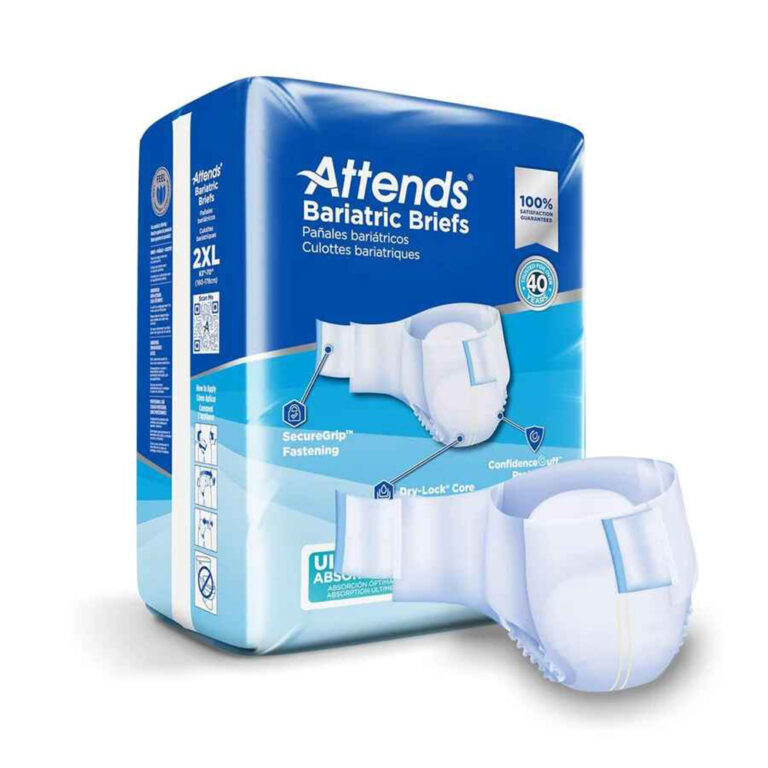
That is why a serious incontinence pad range should not be built around arbitrary terms such as “good, better, best.” Adult-Diaper.com’s existing range separates thin liners for light leakage, heavy pads for moderate-to-heavy use, and flow-through booster pads intended to work inside another absorbent garment. Those are different jobs, not merely different prices.
The first reorder happens when a user thinks, “This one works for me.”
The second happens when the product works again.
Table of Contents
One Universal Pad Cannot Cover Every Leakage Pattern
Here is the hard truth: many incontinence product ranges are packaging ranges, not performance ranges.
The manufacturer changes the wrapper color, increases the stated absorbency, adds another droplet icon, and calls the result an assortment. But if the core geometry, acquisition layer, adhesive area, topsheet, and protection zone remain almost identical, the brand has created visual choice without functional choice.
Customers notice eventually.
Anatomy Changes the Required Protection Zone
Male guards generally need wider, front-loaded absorbency because common leakage placement differs from that of women’s pads. Women’s bladder control pads usually need a longer central absorption zone with stable contact through the crotch area.
A blue wrapper does not create male fit.
The site’s comparison of male guards and women’s incontinence pads explains why geometry, fluid intake, underwear fit, and movement matter more than gendered package graphics.
A unisex liner may be entirely reasonable for low-volume stress leakage. But once volume, movement, or release speed increases, anatomical placement becomes harder to ignore.
Leakage Volume Is Only Half the Specification
Brands love maximum-capacity numbers because they are easy to print.
Yet a pad that holds a large quantity during a static laboratory test can still fail during a rapid release. Liquid may pool before entering the core, travel toward an edge, or return to the topsheet under body pressure.
Capacity is not intake speed.
And intake speed is not dryness.
Most disposable pads use cellulose fluff pulp with a superabsorbent polymer, often cross-linked sodium polyacrylate, commonly represented as (C₃H₃NaO₂)n. Cellulose helps acquire and distribute liquid; the polymer swells and retains it. Increasing SAP may improve retention, but excessive or poorly distributed SAP can contribute to gel blocking and slower fluid movement.
This is why I would not approve light, moderate, and heavy pads based only on total grams or a theoretical millilitre figure. Each level needs a defined job.
The Incontinence Pad Assortment That Encourages Reordering
A profitable assortment does not need 30 nearly identical pads. It needs enough meaningful steps for customers to move up or down without leaving the brand.
The U.S. NIDDK itself distinguishes between disposable pads worn inside underwear, washable absorbent underwear, waterproof underwear, adult briefs, and larger pads used to protect beds or chairs. That is a useful reminder: continence management is a system of use cases, not one universal product. NIDDK’s treatment guidance lists these formats according to how they are used.
Here is the assortment structure I would start with:
Assortment Level
Primary User Need
Product Architecture
Main Reorder Driver
Common Reason for Switching
Light liner
Occasional drips, stress leakage, discreet daytime use
No waterproof backing; liquid passes into primary product
Flexible capacity without changing brief size
Incorrect use as a standalone pad
Underpad add-on
Bed, chair, wheelchair, or examination-table protection
Absorbent core with waterproof backing
Easier cleanup and surface protection
Slippage, noisy film, weak retention
The last two rows are often misunderstood.
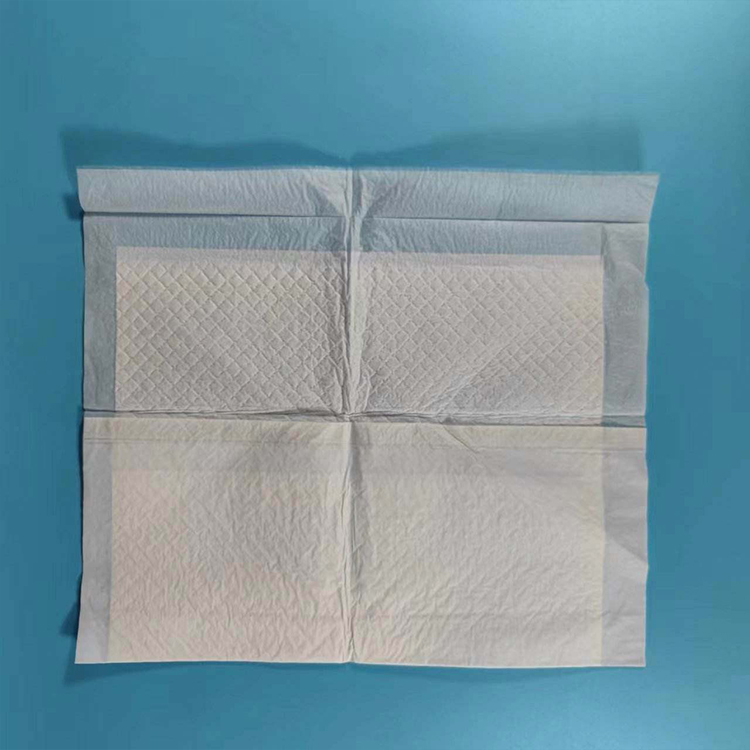
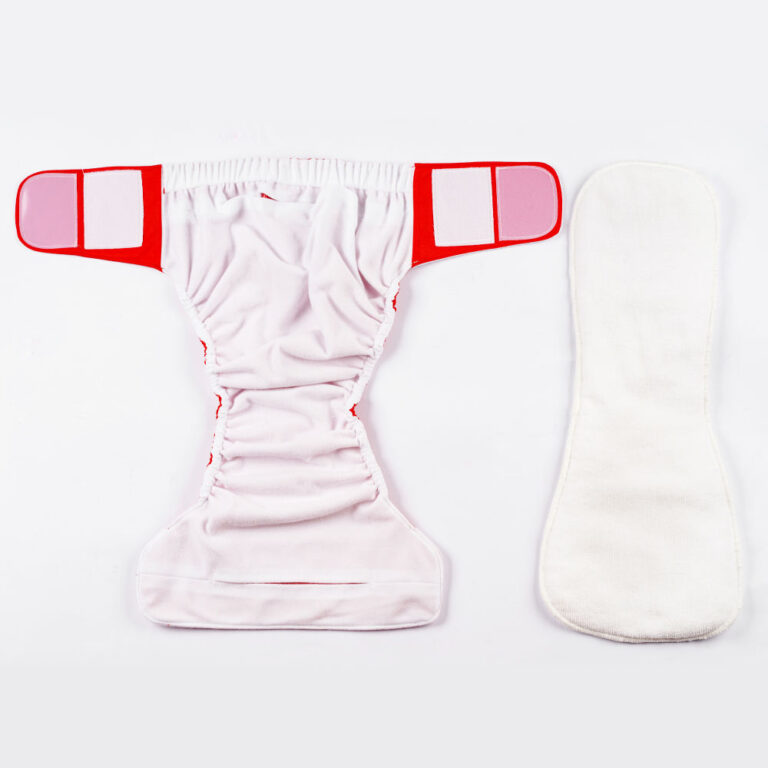
A booster pad should normally allow excess liquid to flow into the primary diaper or brief. Giving it an impermeable backing may block that transfer and create leakage at the edges. An underpad performs the opposite job: it uses a waterproof layer to protect the bed, chair, or other surface.
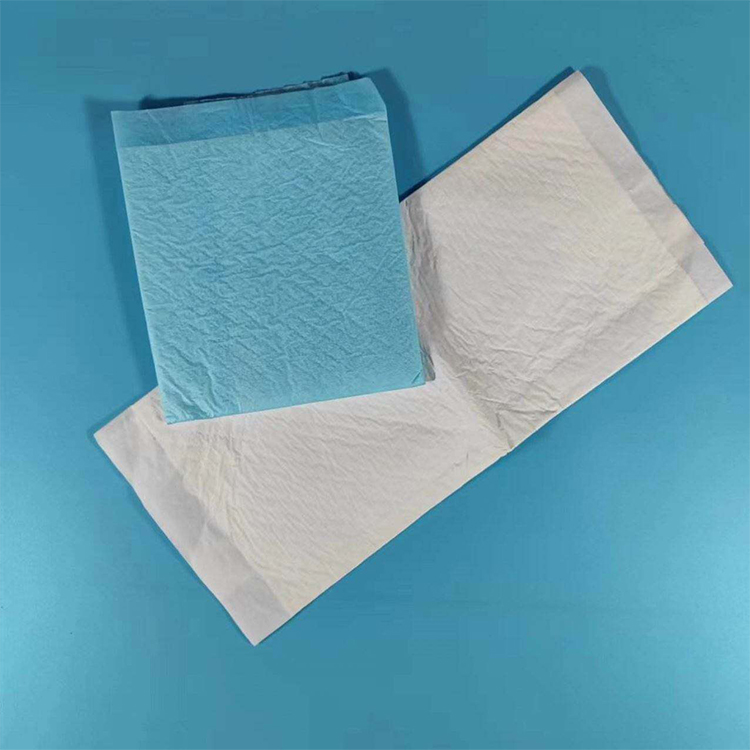
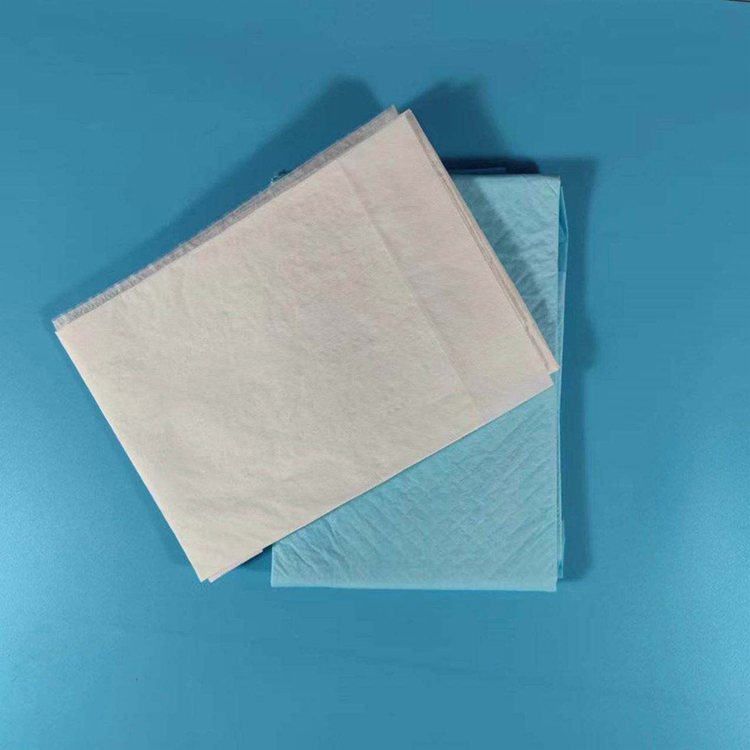
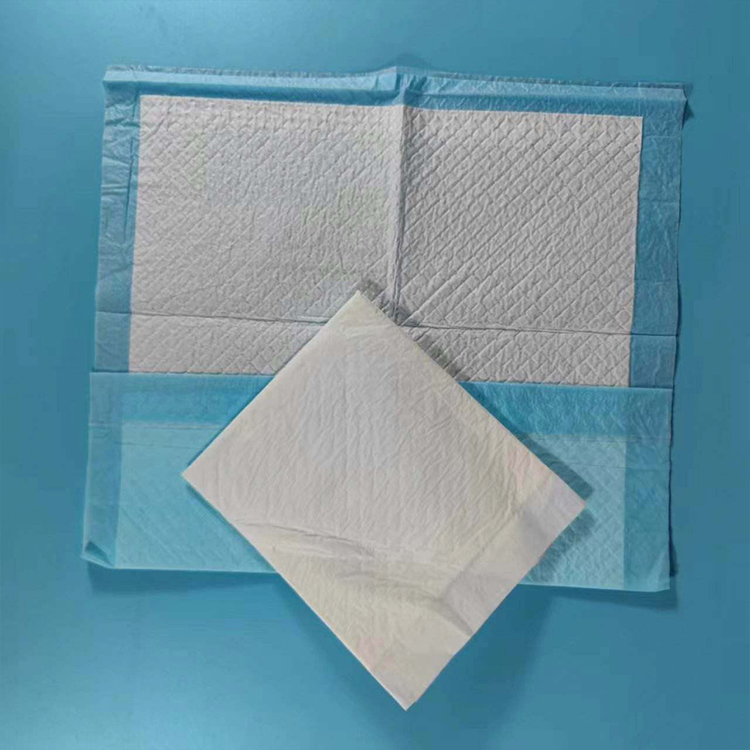
For customers managing heavier leakage, pairing body-worn products with disposable or reusable underpads creates a more complete care system. The site offers multiple underpad sizes, absorbency levels, backing options, and use cases covering beds, chairs, wheelchairs, hospitals, care homes, and home nursing.
That pairing can improve repeat purchasing in two ways. It reduces the consequences of an occasional body-worn product failure, and it gives the customer a logical complementary product instead of forcing them to search another brand.
But the assortment still needs boundaries.
More Choice Can Produce Fewer Purchases
More variety is not automatically better.
In the well-known 2000 Columbia University and Stanford University choice study, shoppers encountered either six or 24 jam varieties. The larger display attracted more attention, but nearly 30% of consumers exposed to the six-variety display purchased a jar, compared with only 3% of those exposed to the 24-variety display. The original paper, When Choice Is Demotivating, does not prove that pad buyers behave exactly like jam shoppers. It does expose the danger of making customers interpret too many weakly differentiated options.
That distinction matters.
The answer is not a tiny assortment that excludes real users. The answer is a curated assortment with obvious decision rules.
A customer should be able to identify the correct product through four or five questions:
Is the leakage light, moderate, heavy, or mainly overnight?
Is the product for a man, a woman, or a use case where a unisex liner is sufficient?
Will the wearer be walking, working, exercising, sitting for long periods, or sleeping?
How long is the normal wear interval?
Is the product worn in regular underwear, fixation pants, or an absorbent brief?
The package and product page should then answer:
Who is this product for?
What type of leakage is it designed to manage?
Where is the absorbency concentrated?
What is the intended wear period?
What is the next stronger or lighter option?
Is the product a standalone pad, booster, or surface-protection item?
Do not hide that information behind four droplet icons.
Droplets are not a specification.
Use a Good-Better-Best Ladder Only When the Differences Are Real
But each tier must solve a different problem. Otherwise, the middle product becomes shelf decoration and the premium product becomes an unsupported margin exercise.
For private-label development, the OEM customization guide for incontinence pads provides a useful technical checklist covering dimensions, core architecture, SAP distribution, topsheet, adhesive, rewet, intake speed, wrapping, labeling, and batch controls.
My rule is simple: never add an SKU unless the team can explain, in one sentence, who should buy it instead of the adjacent SKU.
Repeat Purchase Strategy Begins With Product Consistency
An assortment may win the first order through good segmentation. It earns repeat orders through consistency.
The customer is not reordering an abstract brand promise. They are reordering the exact pad that stayed in place, absorbed at the expected speed, felt acceptably dry, and fitted their underwear.
Then the second production batch arrives.
The adhesive is weaker. The pad is two centimetres shorter. The topsheet feels rougher. The core bunches after movement. The “same” product no longer behaves the same way.
Loyalty disappears fast.
For each SKU, a private-label buyer should freeze the following:
Finished length, width, shape, and weight tolerance
Core dimensions and absorbency placement
Fluff-pulp and SAP quantities
Acquisition-layer material and location
Topsheet and backsheet specifications
Adhesive length, width, and peel target
Intake-speed and repeated-loading test methods
Rewet limit under a defined pressure
Individual-wrapper and retail-pack specifications
Lot coding and change-control requirements
A signed golden sample should sit beside that written specification. Photos are not enough. A photo cannot prove polymer distribution, nonwoven basis weight, adhesive coat weight, or rewet performance.
And do not casually switch raw materials.
The cheaper nonwoven that looks almost identical may change strike-through speed. A different adhesive may behave well on cotton but release from stretch fabric. A faster production-line setting may move the core away from its approved position.
Small changes become customer complaints.
Compliance and Claims Also Affect Retention
In the United States, protective garments for incontinence fall under 21 CFR 876.5920. FDA establishment listings identify products such as adult diapers, disposable underwear, draw-sheets, incontinence pads, and incontinence sheets under product code EYQ, a Class I device classification. FDA’s device listing database shows the classification details.
This does not mean every marketing statement is automatically acceptable.
Claims such as “antibacterial,” “hypoallergenic,” “medical grade,” “prevents infection,” or “dermatologically tested” need defined evidence. “Odor control” is not the same claim as “kills bacteria,” and FDA registration should not be presented as “FDA approval.”
Why does that matter for reorders?
Because trust is part of product performance. A brand that overstates claims may win attention once, but disappointed customers, distributors, and compliance teams rarely reward it with stable replenishment.
Measure the Behaviors That Predict Customer Retention
Sales teams often use total revenue to judge an assortment. That number is too blunt.
A discount can temporarily lift revenue while hiding a weak product range. A large distributor order can mask poor consumer sell-through. A new SKU can cannibalize an existing product without adding a single new customer.
I would monitor these measures by SKU, size, absorbency level, and sales channel:
First-to-Second Purchase Rate
What percentage of first-time pad buyers reorder within the expected consumption window?
For a 20-count pack used twice daily, a plausible repurchase window is very different from a 60-count pack used once daily. Measure according to actual usage assumptions, not one universal 30-day report.
Switching Direction
When customers change SKUs, do they move from light to moderate, moderate to heavy, or leave the brand entirely?
Movement within the range is useful. It means the assortment is helping customers correct their fit. Brand exit usually means the ladder failed.
Complaint Type
Separate complaints into functional groups:
Leakage before saturation
Surface wetness or rewet
Pad movement
Adhesive failure
Bunching or twisting
Skin discomfort
Odor complaints
Wrapper failure
Confusing absorbency labels
Inconsistent product between orders
“Customer dissatisfied” tells the product team almost nothing.
Reorder Concentration
A healthy assortment often develops several clear hero SKUs. That is not a problem.
The problem is a catalogue in which most products generate tiny volumes because the differences are too weak for customers to understand. Keep specialized products when they serve a defined segment, but stop confusing catalogue size with market coverage.
Attach Rate
Track how often customers buying heavy pads also purchase booster pads, underpads, wipes, or protective underwear.
This should not become aggressive cross-selling. The attached product must reduce a real care burden. A relevant add-on strengthens retention; a random add-on merely increases the first basket.
FAQs
How does incontinence pad variety increase repeat purchases?
Incontinence pad variety increases repeat purchases by giving customers clearly differentiated options for leakage volume, anatomy, mobility, wear duration, and comfort, allowing them to identify a product that performs reliably and then reorder it without repeating a frustrating trial-and-error search across competing brands.
The assortment must offer meaningful functional differences rather than cosmetic package changes. Light liners, contoured moderate pads, heavy pads, male guards, overnight products, and boosters should each have a defined user and failure mode.
What incontinence pad absorbency levels should a product range include?
An incontinence pad range should normally include light, moderate, heavy, and overnight protection, with each level defined through intake speed, repeated-loading performance, rewet, core placement, coverage, and intended wear time rather than relying only on an unqualified maximum-capacity number or a row of droplet symbols.
Some markets also need male guards, thin liners, postpartum-style formats, or flow-through booster pads. Add those products only when the target channel and user research justify them.
Can too many incontinence pad SKUs reduce sales?
Too many incontinence pad SKUs can reduce sales when shoppers cannot understand the functional differences, compare absorbency claims, or identify the correct product quickly, creating decision fatigue, abandoned purchases, incorrect selection, and weak confidence that the same product should be reordered after the first pack is consumed.
The solution is not removing necessary options. It is organizing them through clear leakage levels, gender or anatomy guidance, wear-time information, comparison charts, consistent naming, and visible upgrade or downgrade paths.
What should buyers test before approving a private-label incontinence pad assortment?
Buyers should test each private-label incontinence pad for dimensions, weight, intake speed, repeated loading, rewet under pressure, edge leakage, adhesive performance, movement stability, surface integrity, odor-control claims, wrapper strength, and batch consistency using documented methods tied to a signed specification and retained golden sample.
Testing should reproduce the intended use case. A daytime liner, heavy urge-leakage pad, male guard, and overnight product should not be approved through one identical capacity test.
Are booster pads the same as heavy incontinence pads?
Booster pads are absorbent inserts designed to increase the capacity of a compatible diaper or brief, usually through a flow-through backsheet, while heavy incontinence pads are standalone body-worn products that normally include their own secure backing, adhesive system, anatomical shape, and leakage-control structure.
Using a waterproof-backed pad inside another absorbent product can interrupt liquid transfer and increase edge leakage. Product instructions should make the distinction unmistakable.
Build an Assortment Customers Can Reorder With Confidence
Stop adding pads because a competitor has more SKUs.
Start with the wearer. Define the leakage pattern, anatomy, movement level, wear interval, underwear type, target price, channel, and failure the product must prevent. Then build the smallest assortment that covers those needs without forcing customers to decode a wall of near-identical packages.
For a private-label program, prepare these six inputs:
Target user group
Light, moderate, heavy, or overnight performance level
Required pad dimensions and geometry
Packaging count and target sales channel
Destination market and labeling requirements
Estimated monthly order quantity
Submit that brief through the LOVINHUG OEM/ODM manufacturing service and request samples based on measurable performance specifications, not generic claims such as “very absorbent” or “premium quality.” The company states that its development workflow supports pads, briefs, pull-ups, underpads, wipes, packaging customization, sampling, quality controls, and repeat-order production.
A customer does not become loyal because your catalogue looks complete.
They become loyal because the product works, the next pack works the same way, and reordering it is easy.