When Should a User Move from Liners to Higher-Absorbency Pads?
A user should move from a liner to a higher-absorbency pad when the liner repeatedly leaks at the edges, feels wet after sitting, becomes saturated before a convenient change, or requires so many changes that it disrupts normal activities.
Liners have limits.
When a liner starts leaking at the edges, feels wet again after sitting, or demands repeated emergency changes, the problem is no longer a cosmetic inconvenience; it is evidence that the product’s intake speed, coverage, or usable capacity is mismatched to the user’s ordinary day. Why wait for a public leak to admit the specification is wrong?
The objective is not to buy the thickest product available. It is to find the lowest absorbency level that reliably contains the user’s normal leakage while remaining comfortable, stable, and reasonably discreet.
The Real Decision Is About Product Failure, Not Labels
The terms “light,” “moderate,” “maximum,” and “overnight” look precise on packaging. They are not universal measurements. A “moderate” pad from one brand may have a different length, core width, superabsorbent polymer loading, intake speed, and real-world performance from another brand’s product carrying the same label.
That ambiguity matters because urinary incontinence is far more common than purchasing records suggest. The NIDDK summary of national public-health surveys reports that about 54% of women aged 20 or older and approximately 15% of men surveyed experienced urinary incontinence during the previous 12 months.
Yet the NIDDK 2024 Urologic Diseases in America report found claims-based prevalence of only about 6% to 8% annually among people aged 65 or older from 2012 through 2021. In Medicare fee-for-service data, prevalence reached 10.6% among people aged 85 or older in 2021. NIDDK explicitly warns that claims data probably understate the problem.
That gap is revealing. People manage leaks privately, change products quietly, and frequently wait before seeking professional help.
But an absorbent product is containment, not treatment. NICE guidance says absorbent products should be used as a coping strategy, alongside ongoing therapy, or for long-term management after treatment options have been explored. A higher-absorbency pad can prevent wet clothing; it cannot diagnose why leakage has changed.
Incontinence Liners vs Pads: What Actually Changes?
A liner is usually thin, narrow, and intended for small or predictable losses. A higher-absorbency pad normally provides more core material, longer coverage, faster intake, and stronger control around the sides.
More width, contouring, or leak barriers may be needed
Surface dryness
Surface feels acceptably dry at change
Dampness returns when sitting or moving
The core may have poor retention under pressure
Change burden
Changes fit naturally into the day
Emergency changes interrupt work, travel, or sleep
The present tier is operationally inadequate
Night performance
Liner remains stable and dry enough
Back, side, or position-related leaks occur
Longer coverage or a dedicated night design may be needed
Fit
Product stays flat in supportive underwear
Liner curls, bunches, or shifts
Shape and adhesive may be as important as absorbency
Skin condition
Skin stays clean, dry, and comfortable
Persistent dampness, redness, soreness, or friction appears
Product fit, change routine, and clinical review need attention
A modern bladder control pad typically combines a soft nonwoven topsheet, an acquisition or distribution layer, cellulose fluff pulp, and superabsorbent polymer such as sodium polyacrylate, commonly represented as ((C_3H_3NaO_2)_n). A liquid-resistant backsheet and adhesive strip complete the structure.
More polymer is not automatically better. If liquid enters too slowly, pools before reaching the core, or returns to the surface under body pressure, an impressive theoretical capacity will not prevent a leak.
One isolated failure after unusually long wear does not prove that a liner is wrong. Repeated edge leakage during ordinary use does.
A saturated center suggests inadequate capacity. A mostly dry center with wet edges points more toward poor intake speed, placement, width, or body fit. Buying a thicker product without identifying the leak path may simply create a bulkier failure.
2. The liner fills before a practical change
If a user must replace a liner before commuting, finishing a meeting, completing a shopping trip, or reaching the next scheduled care check, the product is no longer supporting the routine.
I regard frequent emergency changes as a stronger upgrade signal than an absorbency word printed on a package. Real protection should work with the user’s day.
3. Leakage has shifted from drops to spurts or gushes
Stress leakage from coughing or sneezing may occur as small drops. Urgency leakage can arrive faster and in a larger episode. A liner that slowly absorbs minor dribbling may be overwhelmed before its total core capacity is technically full.
Flow rate matters.
A pad with a larger acquisition zone and faster distribution may handle the same total volume more effectively because it moves liquid away from the entry point before pooling reaches the edges.
4. The surface feels wet again after sitting
This is commonly described as rewet. Liquid has entered the product but is returning toward the surface when pressure is applied.
Rewet is not just unpleasant. Persistent moisture and friction can contribute to skin discomfort. A higher-performing pad should be evaluated for both intake and retention rather than capacity alone.
5. Changes are becoming excessively frequent
Using several low-capacity liners may look cheaper per piece while costing more per protected hour. It also creates more packaging waste, more interruptions, and more opportunities for rushed placement.
But there is no universal “correct” number of daily changes. Fluid intake, leakage pattern, activity, medications, toileting access, and skin condition vary. The question is whether the current change burden is predictable and acceptable.
6. Odor, dampness, or skin irritation persists
Odor does not always mean the pad needs more absorbency. Delayed changes, concentrated urine, infection, product materials, poor cleansing, and incomplete drying can also contribute.
Persistent redness, broken skin, burning, or soreness deserves professional assessment. Simply buying a stronger pad and extending wear time may increase moisture exposure rather than solve it.
7. Daytime protection works, but nighttime protection fails
Night leakage is not merely daytime leakage with more milliliters. The user is lying down, changing position, and usually wearing the product longer. Liquid can move toward the sides or back rather than remaining in the daytime target zone.
A longer pad, wider rear section, stable adhesive, and stronger barriers may outperform a thick but narrow product. The site’s day-versus-night incontinence pad guide explains why the two use cases should be specified separately.
A Three-Day Trial Produces Better Decisions
I would trust three ordinary days of wear records before trusting a giant capacity claim.
NICE recommends that women undergoing an initial urinary-incontinence assessment complete a bladder diary for at least three days, including work and leisure days. That clinical recommendation can also inspire a practical product-selection trial, although a home product record is not a medical diagnosis or formal pad test.
Record the following:
Product type, size, absorbency label, and change time
Whether leakage was drops, a spurt, a larger gush, or continuous dribbling
Activity and posture when leakage occurred
Time from application to change
Whether liquid reached the front, sides, back, or underwear
Whether the surface felt dry, damp, or wet
Any bunching, edge curling, adhesive movement, or discomfort
Skin condition after removal
Whether the change was planned or urgent
Test the liner during normal life. Do not deliberately extend wear until it fails.
Then trial one absorbency level higher while keeping the underwear, placement method, activity, and change schedule as consistent as possible. Changing five variables at once produces a useless result.
My practical rule is straightforward: if correct application still produces repeated leaks, rewet, or disruptive emergency changes across normal days, test the next protection tier. This is a product-screening rule, not a clinical severity scale.
How to Choose the Right Incontinence Pad Absorbency
Select for usable capacity
Usable capacity is the amount a product can contain during actual wear before leakage, excessive rewet, discomfort, or instability occurs. It is not necessarily the maximum amount the core can hold in a laboratory.
ISO 11948-1, also called the Rothwell method, measures maximum absorption capacity under standardized conditions. A PubMed-indexed clinical-correlation study evaluated 138 disposable diapers and inserts because theoretical capacity and clinical leakage performance are not the same question.
I would never buy a pad range from one capacity number alone.
Match the pad to the leakage pathway
Look for:
Adequate length for the user’s anatomy and posture
A wider absorbent zone where leakage usually lands
Fast acquisition for sudden episodes
Low rewet under sitting pressure
Stable adhesive and supportive underwear
Side barriers for repeated or heavier leakage
Wider rear coverage for nighttime use
Breathable materials where appropriate
A topsheet that does not cause friction or sensitivity
Compare performance by situation
A large 2008 Health Technology Assessment indexed by PubMed used randomized crossover designs involving 85 women with light incontinence, 85 community-dwelling adults with moderate or heavy incontinence, and 100 nursing-home residents.
Disposable inserts performed well for light incontinence. Among users with moderate or heavy incontinence, however, inserts had worse leakage performance than several garment-style designs, while preferences differed between men, women, community users, and nursing-home residents.
The research is old, so it should not be used to crown a current brand. But its central lesson has aged well: there is no single best product for every body, severity level, and care setting.
When a Bigger Pad Is the Wrong Answer
Sometimes the user does not need a larger pad. The user needs a different product format.
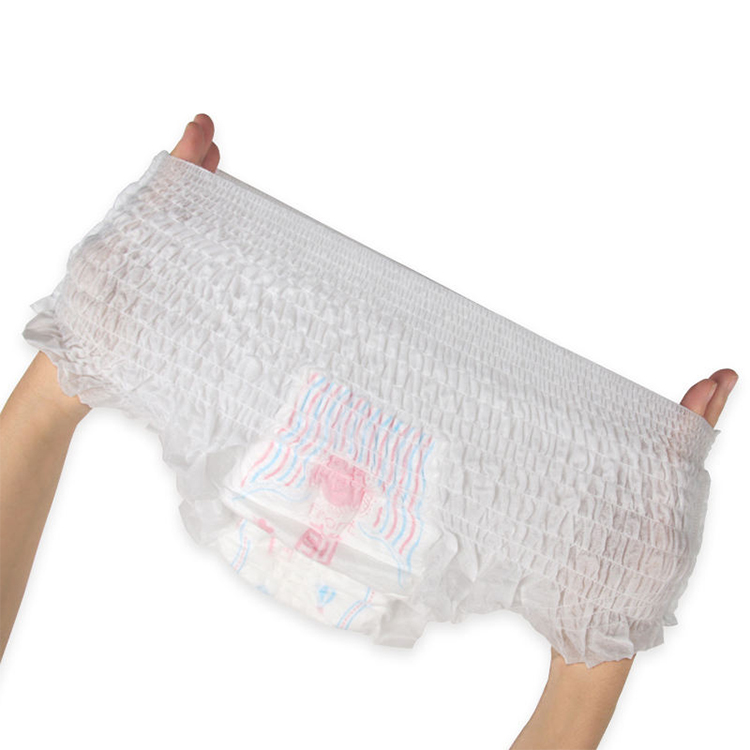
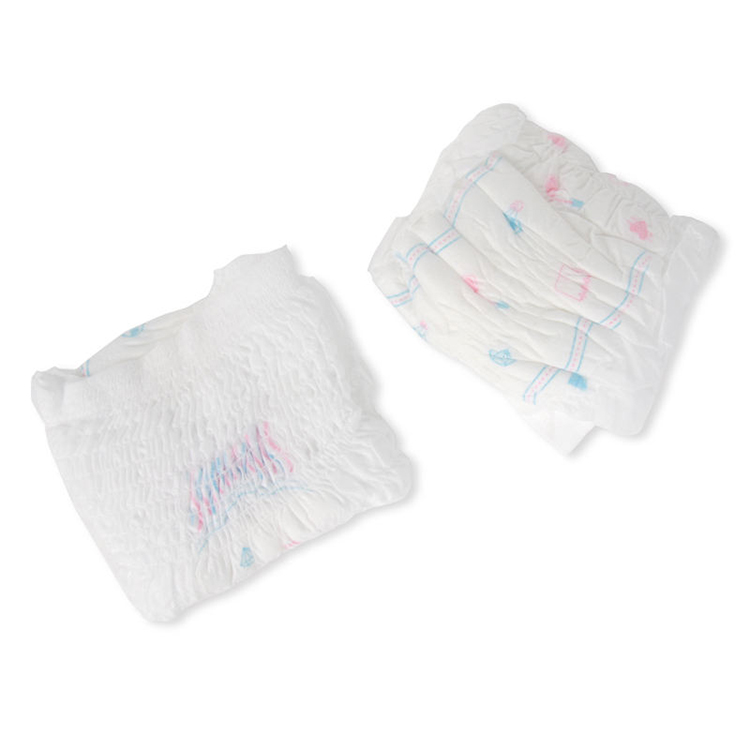
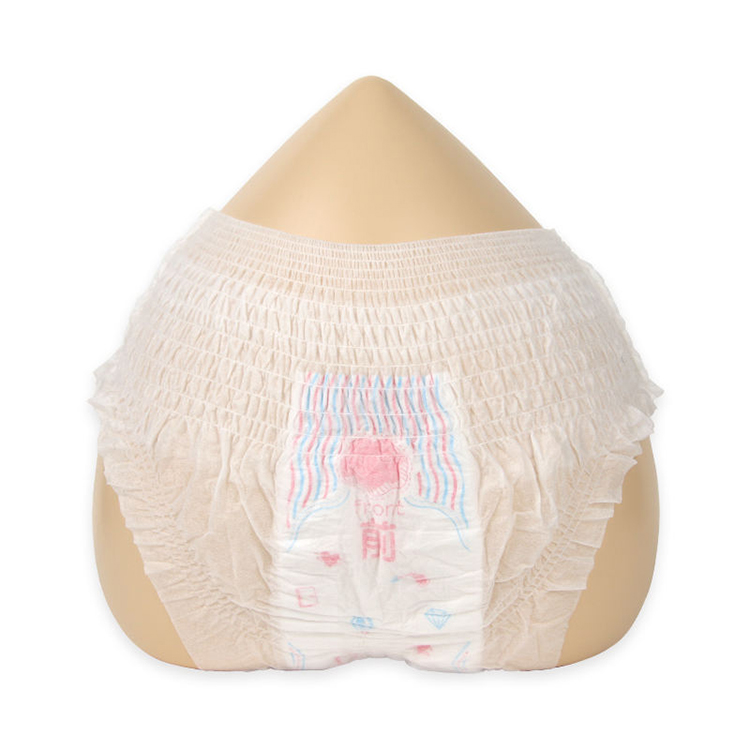
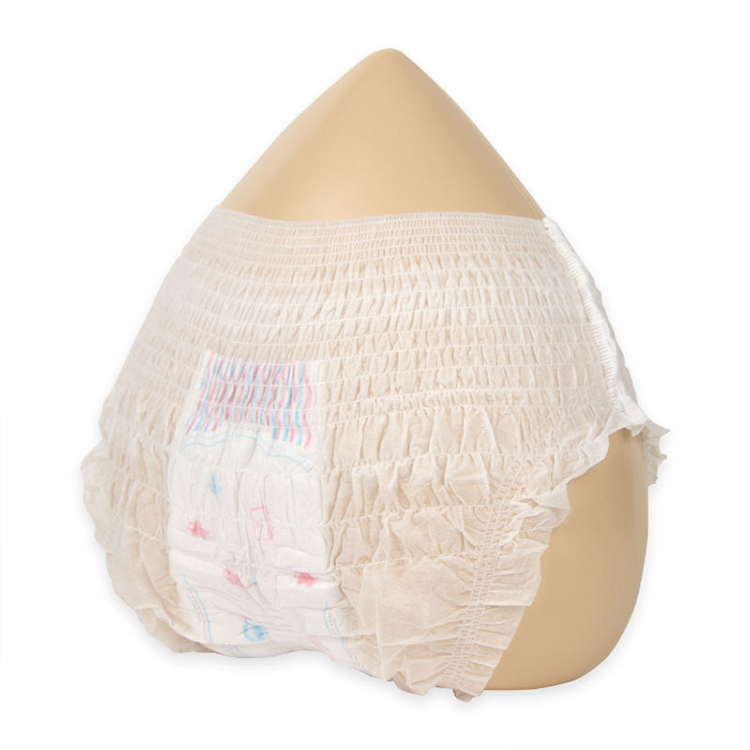
If a heavy pad keeps moving because ordinary underwear cannot hold it securely, pull-up incontinence underwear may provide better body contact and all-around stability.
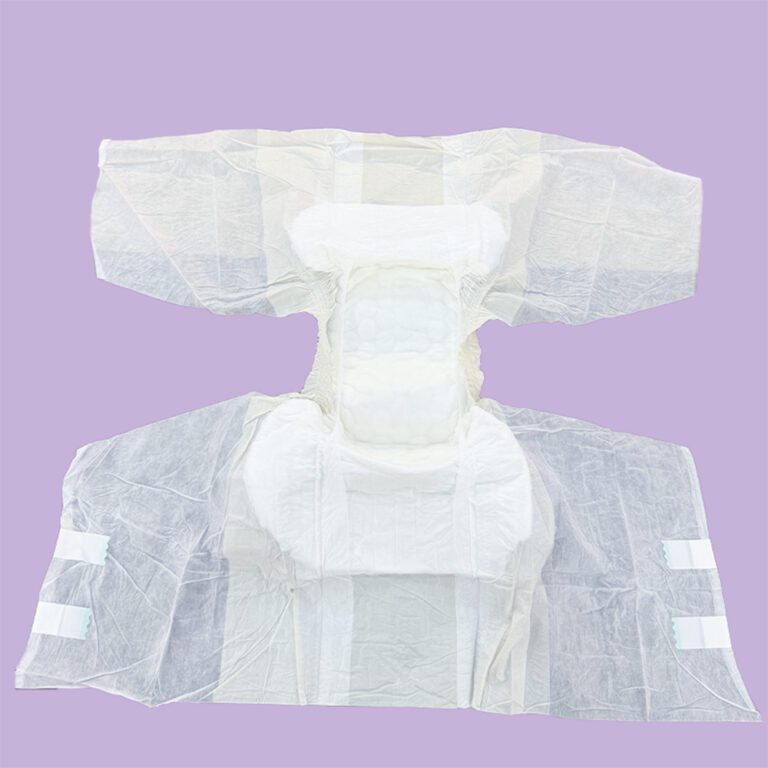
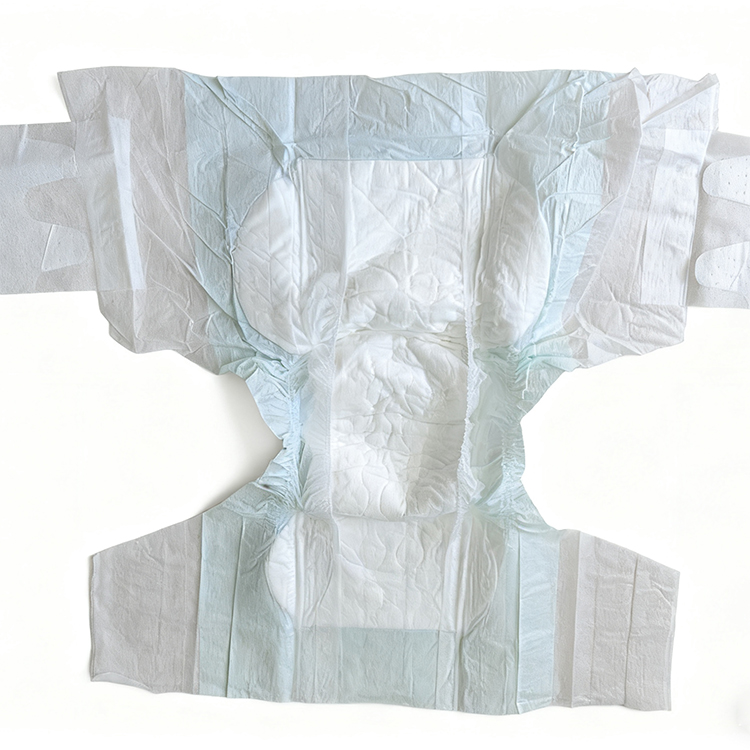
For a bedbound person, someone requiring caregiver-assisted changes, or a user managing urinary and bowel incontinence together, the decision may move beyond pads entirely. The care logic behind tab-style briefs for bedridden users is built around flat application, adjustable fit, skin inspection, and easier changes while lying down.
Do not stack two waterproof-backed pads. The upper pad can block liquid from reaching the lower product, while the added bulk creates gaps and friction. A purpose-built flow-through booster is different, but it must be used inside a compatible primary brief or pull-up according to the manufacturer’s instructions.
And do not let product escalation hide a health change. New or rapidly worsening leakage, pain, blood in the urine, recurrent urinary infections, difficulty emptying the bladder, bowel leakage, or suspected neurologic symptoms should be discussed with a qualified healthcare professional.
FAQs
When should a user switch from incontinence liners to pads?
A user should move from a liner to a higher-absorbency pad when ordinary leakage repeatedly reaches the liner’s edges, wets underwear, causes noticeable rewet during sitting, or forces inconvenient changes despite correct placement, because those patterns show that the current product’s intake speed, coverage, or usable capacity no longer matches daily needs.
A single unusual leak may not justify a change. Look for a repeatable pattern across normal activities and then trial one absorbency tier higher.
What is the difference between incontinence liners and pads?
Incontinence liners are thin, low-profile inserts intended for small, predictable bladder leaks, while higher-absorbency incontinence pads usually add a larger core, faster acquisition layers, wider coverage, stronger adhesive, and sometimes standing leak guards, making them better suited to repeated spurts, moderate leakage, longer wear periods, or posture-related leaks.
Product names vary by manufacturer, so dimensions, construction, and real-wear performance matter more than the label alone.
How do I choose the right incontinence pad absorbency?
The right incontinence pad absorbency is the lowest level that contains the user’s normal leakage without edge leaks, damp rewet, urgent unscheduled changes, or skin exposure, while still fitting securely and comfortably inside supportive underwear during the person’s real activities, including sitting, walking, work, travel, and sleep.
Use a three-day diary, compare one tier at a time, and avoid judging performance solely from a laboratory capacity number.
Are higher-absorbency pads better for overnight bladder leaks?
Higher-absorbency pads can be better overnight when the user experiences longer intervals between changes, larger urgency episodes, or back and side leakage while lying down, but an overnight label alone is not enough; the pad also needs suitable length, rear coverage, intake speed, leak barriers, and stable positioning.
If a pad cannot remain close to the body during sleep, a garment-style product may provide better containment.
Can a user wear two incontinence pads at once?
Wearing two incontinence pads at once is generally a poor solution because waterproof backing on the upper product can stop liquid from reaching the lower one, while the extra bulk creates gaps, bunching, friction, and unstable placement that may increase leakage and skin exposure instead of providing dependable additional protection.
Use one correctly selected pad or a compatible flow-through booster designed for a containing brief.
When is a higher-absorbency pad no longer enough?
A pad is no longer enough when even a correctly sized heavy pad shifts, leaks around its edges, cannot manage large or bowel episodes, or depends on underwear that cannot hold it close to the body; at that point, pull-up incontinence underwear or a tab-style brief may provide more stable containment.
Mobility, toileting independence, caregiver access, body shape, nighttime posture, and bowel leakage should guide the next format.
When should changing bladder leakage be medically assessed?
New, suddenly worsening, painful, bloody, or difficult urination should be assessed by a qualified healthcare professional because changing absorbency only manages the leakage and may conceal a urinary tract infection, retention, medication effect, pelvic-floor problem, prostate issue, neurologic condition, or another cause that deserves diagnosis and treatment.
Absorbent pads protect clothing and dignity. They do not replace assessment or treatment.
Choose the Next Protection Tier and Test It
For users and caregivers, start with a three-day record. If the liner repeatedly leaks, rewets, shifts, or requires disruptive changes, test one properly fitted higher-absorbency pad under the same normal conditions.
For distributors, pharmacies, care providers, and private-label buyers, request a matched sample set covering liners, moderate pads, heavy pads, and overnight pads. Compare dimensions, intake speed, rewet, adhesive stability, barriers, packaging, and repeatability—not merely theoretical capacity.
LOVINHUG’s OEM/ODM adult incontinence program supports customized absorbency tiers, materials, sizes, packaging, and sample evaluation for market-specific pad ranges. Define the user scenario first. Then build the product around it.