How Aging in Place Is Changing Demand for Adult Incontinence Products
Aging in place sounds like a housing preference. For the adult incontinence industry, it is something much bigger: a redistribution of care from centralized institutions into millions of bedrooms, bathrooms, delivery routes, pharmacy aisles, and family purchasing decisions.
Home care won.
As more older adults remain in private homes, product selection is no longer controlled mainly by nursing-home procurement teams that can standardize one brief, one underpad, and one changing protocol across an entire facility; it is increasingly shaped by users, spouses, adult children, visiting nurses, home-care agencies, pharmacies, online retailers, and subscription suppliers.
So why are many brands still building their ranges as though every customer lives in a staffed institution?
My view is blunt: the aging population alone does not explain the coming demand shift. The location of care does. Aging in place changes product formats, pack sizes, discretion requirements, delivery frequency, instructions, absorbency planning, and even the language printed on the bag.
Aging in Place Is Moving Incontinence Care Into the Home
Aging in place means remaining in one’s home or community while growing older rather than relocating permanently to a nursing home or other residential institution. It may involve independent living, unpaid family assistance, home-health visits, mobility equipment, remote monitoring, or paid personal care.
The preference is not marginal. AARP’s 2024 Home and Community Preferences Survey found that 75% of adults aged 50 and older wanted to remain in their current homes, while 73% wanted to stay in their communities. The survey included more than 3,000 American adults.
At the same time, the customer base is expanding. According to the U.S. Census Bureau’s 2024 population estimates, the number of Americans aged 65 and older reached 61.2 million in 2024, an increase of 3.1% in one year. This age group represented 18.0% of the total population, compared with 12.4% in 2004.
That combination matters:
There are more older consumers.
A large majority would prefer to stay at home.
More care decisions are therefore being made outside institutions.
Product failures are being handled by families rather than professional procurement departments.
Incontinence is not an inevitable consequence of age, and responsible companies should never market it that way. But prevalence is high enough to create sustained demand. An NIH-hosted clinical review reports urinary incontinence in approximately 11% to 34% of older men, while daily urinary incontinence has been reported by roughly 9% to 39% of women older than 60.
The numbers become even more relevant in home-health populations. A CDC/NCHS report found that 40.2% of home-health patients aged 65 and older had difficulty controlling their bladder, while 14.2% had difficulty controlling their bowels. Among the patients studied, 90.8% received care in a private home or apartment. The underlying care survey dates from 2007, so it should not be misrepresented as a 2026 market estimate, but it remains a useful indicator of how strongly incontinence and home-based care overlap.
The Buyer Is No Longer a Single Professional Procurement Team
In an institution, a trained employee may select the product, apply it, check it, replace it, record consumption, and report leakage.
At home, those roles split apart.
The user may choose the product but a daughter may pay for it. A visiting caregiver may apply it. A spouse may monitor overnight leakage. An online marketplace may control product discovery. A courier may expose an embarrassingly labeled carton to the entire apartment lobby.
That fragmentation changes demand for adult incontinence products in ways that basic market forecasts often miss.
Independent users want normality, not a clinical uniform
Mobile users generally want a product that looks, feels, and operates like ordinary underwear. They care about noise, bulk, waist height, side-seam removal, disposal, and whether the product is visible under clothing.
This is why demand for discreet pull-up incontinence underwear should grow alongside aging in place. Pull-ups support independent toileting and allow users to dress without waiting for a caregiver.
But the industry frequently oversells discretion and undersells function. A product can look beautifully slim in an advertisement and still fail during a heavy urinary episode because its intake layer, leg seal, core stability, or fit is weak.
Pretty packaging cannot absorb urine.
Family caregivers want fewer steps and fewer surprises
A family member does not usually approach incontinence care with a clinical workflow. They learn under pressure, often after the first serious leak, wet mattress, skin complaint, or difficult night-time change.
They need products that answer practical questions immediately:
Which side is the front?
How tight should the waist be?
Are the standing leak guards fully opened?
Can the tabs be repositioned?
How often should the product be checked?
Is the product intended for light, moderate, heavy, or overnight use?
What should be used on a bed, chair, or wheelchair?
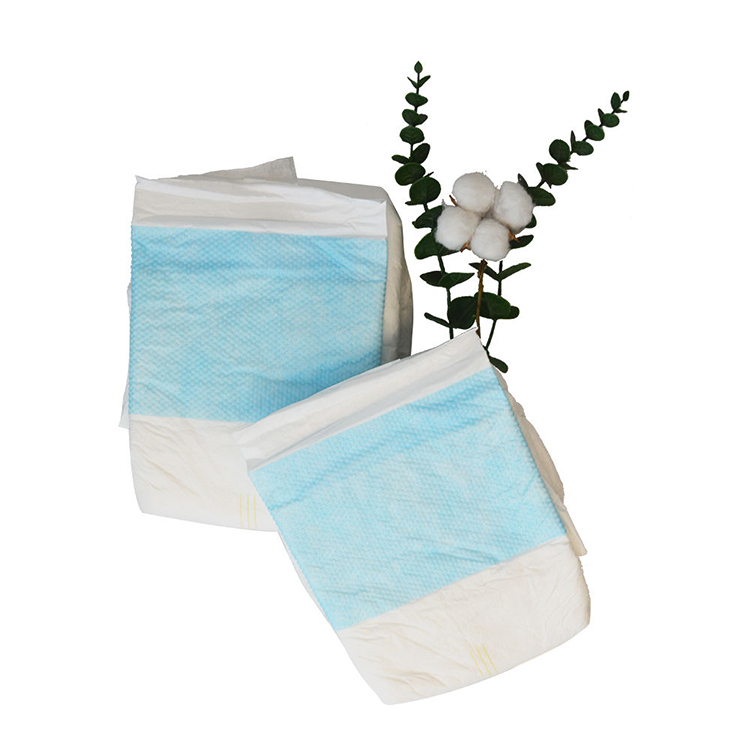
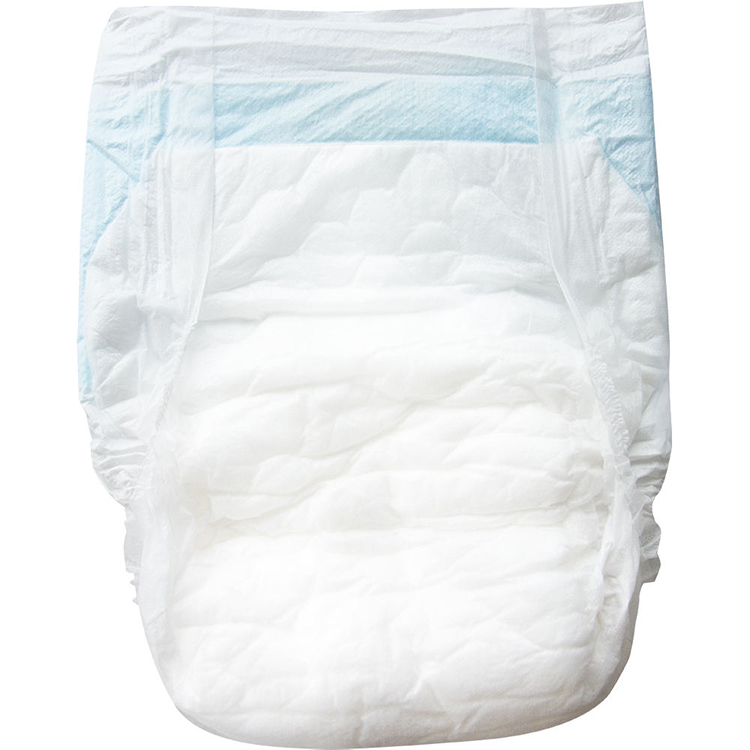
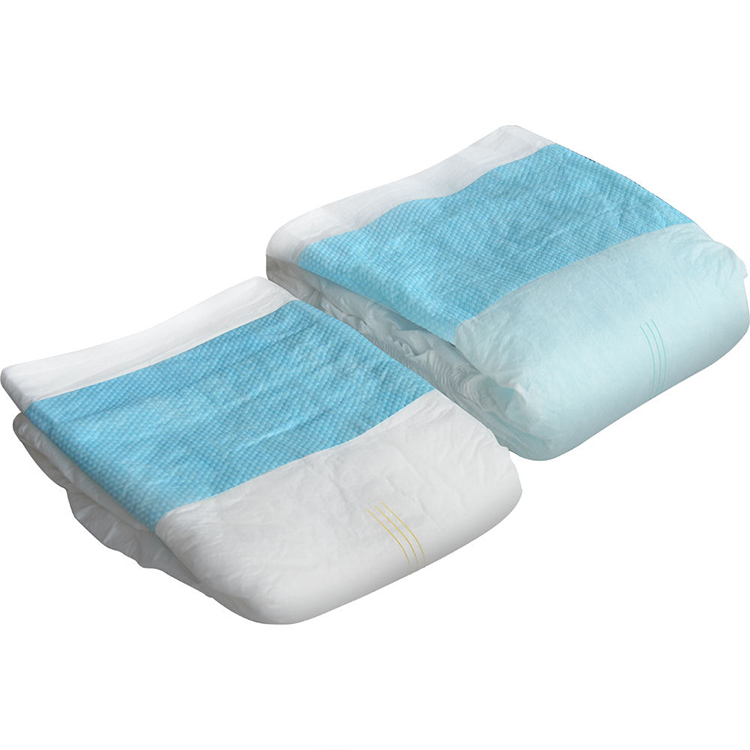
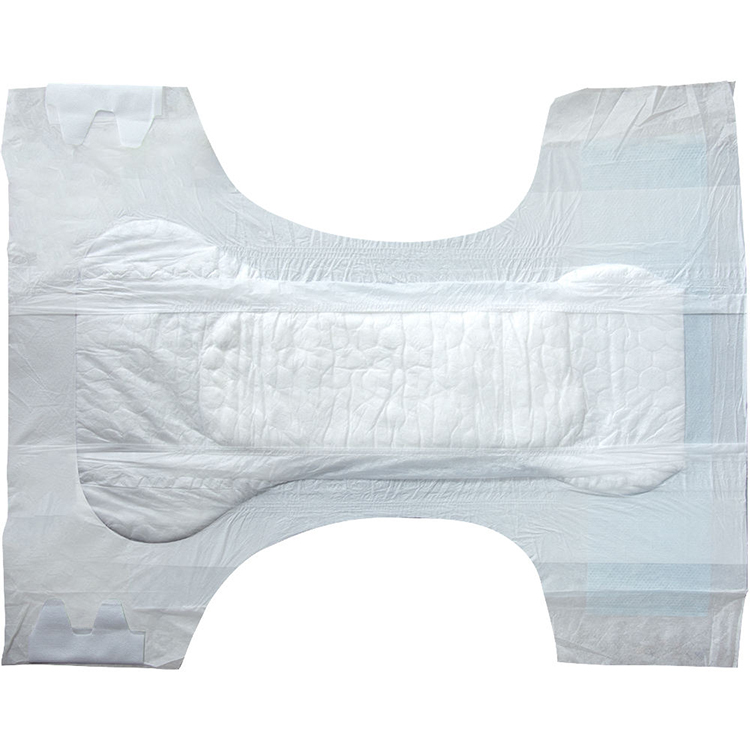
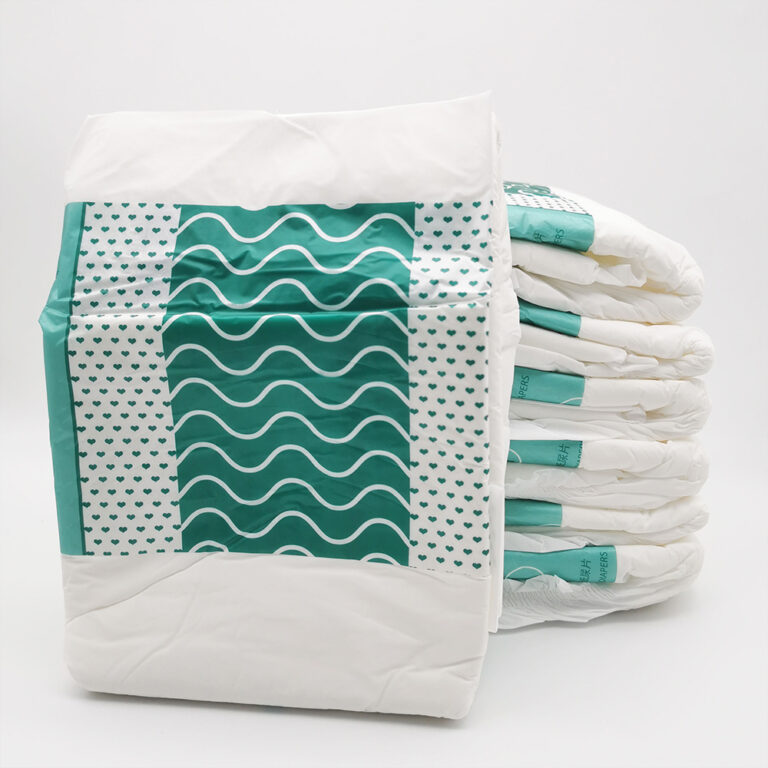
For users who require assisted changes, adult diapers with refastenable tabs can be more practical than pull-ups because they open flat and can be applied while the person is lying down. That distinction is not cosmetic. It can determine whether one caregiver can complete the change safely or whether the task becomes an exhausting two-person procedure.
Home-care agencies want reliable systems
Professional home-care providers face a different problem. They may serve dozens or hundreds of households, each with different body shapes, mobility levels, diagnoses, furniture, family routines, and purchasing arrangements.
They need a product system, not one supposedly universal diaper.
That system may include:
Pull-up underwear for mobile daytime users
Tab-style briefs for assisted or bed-level care
Incontinence pads for lighter leakage
Underpads for mattresses, chairs, and wheelchairs
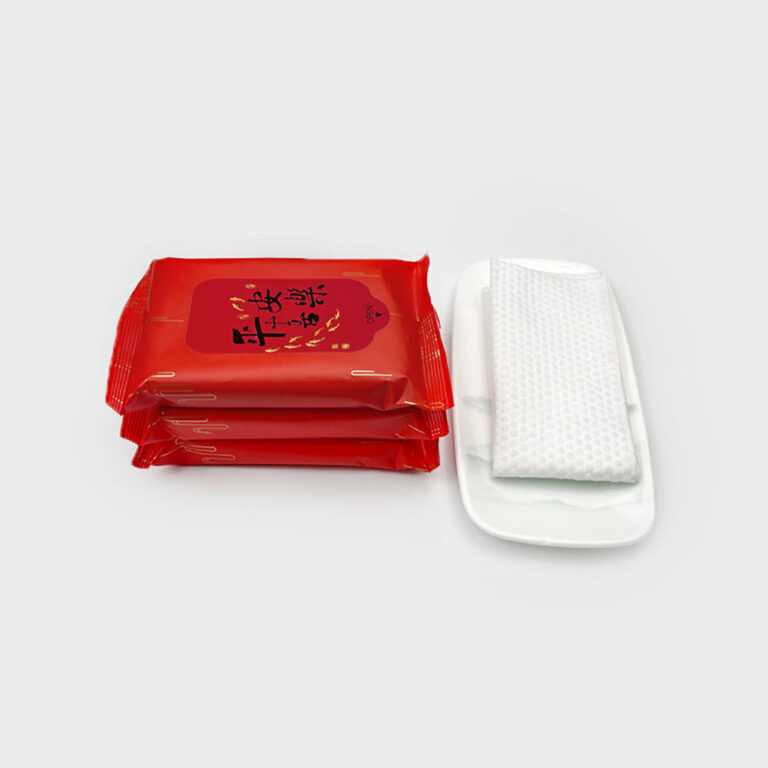
Adult wipes for changes where bathing is impractical
Overnight products with stronger fit stability
Clear size and absorbency identifiers
A strong range reduces improvisation. A weak one forces caregivers to stack products, double briefs, guess sizes, or use bed protection as a substitute for proper fit.
How Home-Based Demand Changes the Product Mix
Demand shift
Old institutional assumption
Home-care reality
Product implication
More independent users
Staff apply most products
Users often dress and toilet themselves
Greater demand for discreet pull-ups and simple size selection
More unpaid caregivers
Trained staff follow a protocol
Spouses and adult children learn during use
Clear instructions, front/back markings and visible absorbency tiers
More bed and chair protection
Facilities manage centralized linen systems
Families want to avoid mattress and furniture damage
Higher demand for disposable and reusable underpads
More online ordering
Cases enter a supply storeroom
Cartons arrive at private homes
Discreet shipping, manageable case sizes and subscription compatibility
Wider variation between households
One approved facility formulary
Every household has different mobility and care conditions
Broader product architecture rather than one “maximum absorbency” SKU
Greater concern about dignity
Clinical appearance is tolerated
Users expect products that resemble normal underwear
Quieter backsheets, slimmer cores and less medical-looking packaging
Less formal product training
Employees receive instructions
Family caregivers may receive none
QR guides, diagrams and plain-language fitting directions
This is where manufacturers often make the wrong move. They see aging statistics and respond by adding more absorbency.
More SAP is not a strategy.
Superabsorbent polymer, commonly sodium polyacrylate with a repeating structure represented approximately as [–CH₂–CH(COONa)–]ₙ, helps retain fluid inside a disposable absorbent core. But higher theoretical retention does not automatically produce better real-world protection.
A thick core may absorb heavily in a laboratory test yet still leak at home if:
The acquisition layer accepts fluid too slowly.
The core bunches during movement.
The leg cuffs do not remain upright.
The waist is too loose.
The user is wearing the wrong size.
Fluid is released back toward the skin under sitting pressure.
A daytime product is worn through a long overnight interval.
The hard truth is that fit failures are regularly misdiagnosed as absorbency failures. Before families or buyers move to a thicker product, they should follow a proper waist, hip, and rise measurement process.
The Best Incontinence Products for Aging at Home Are Situation-Specific
There is no single best product for aging at home. The correct choice depends on mobility, dexterity, leakage volume, toileting ability, caregiver involvement, skin condition, body shape, sleep position, and the length of time between checks.
For active and independent older adults
Pull-up underwear generally makes sense when the user:
Can stand and step into the product safely
Uses the toilet independently
Wants an underwear-like appearance
Needs light-to-heavy bladder protection
Can tear the side seams for removal
Values discretion under everyday clothing
Manufacturers serving this group should stop treating softness as the only premium feature. Waistband recovery, core flexibility, quiet materials, rapid fluid intake, and easy side-seam tearing are equally important.
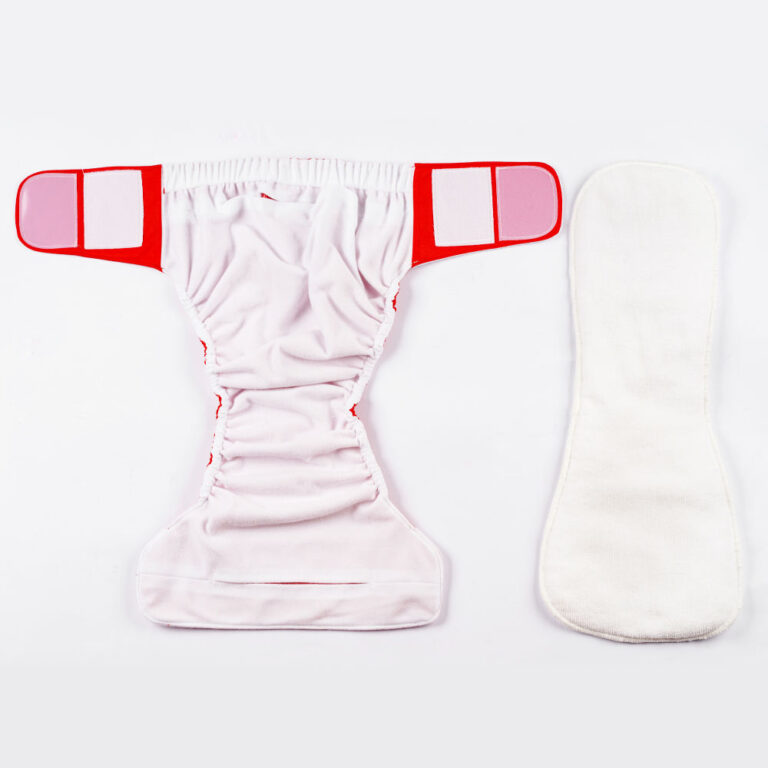
Refastenable tabs matter because the caregiver can check and adjust the brief without destroying it. A wide landing zone can also provide more freedom to change the tab angle around the waist and thighs.
For beds, chairs, and wheelchairs
Protective underpads for home care are becoming more important because aging in place transfers linen and furniture risk from an institution to the household.
Disposable underpads suit travel, temporary use, unpredictable episodes, and situations where laundry capacity is limited. Reusable underpads can make sense for predictable daily use when the household has suitable washing and drying access.
But underpads should not become an excuse for poor wearable protection. A bed pad protects the mattress. It does not correct a loose leg opening, collapsed cuff, overloaded core, or badly selected brief.
Home Delivery Is Rewriting Pack and Carton Design
The institutional carton was designed to disappear into a storeroom. The home-care carton enters a person’s private life.
That difference is commercially important.
A 40-pack may look efficient on a distributor’s spreadsheet but may be difficult for an 82-year-old user to lift, open, store, and move. Oversized cartons create problems in apartments, retirement communities, and homes with narrow storage spaces.
Different colors for daytime and overnight products
Discreet outer shipping cartons
Reorder codes that are easy to read over the phone
Scannable instructions for caregivers
Consistent pack counts across repeat orders
And consistency matters more than many suppliers admit. When the waist elastic, tab adhesion, core thickness, pack count, or printed size indicator changes without warning, the household experiences the change directly.
There is no purchasing department to absorb the complaint.
Aging in Place Will Reward Portfolios, Not Isolated Products
The winning home-care supplier will not simply sell an “adult diaper.” It will help buyers assemble a controlled range around real user situations.
A practical home-care portfolio might include:
Light incontinence pads
Discreet daytime pull-ups
Higher-absorbency overnight pull-ups
Adjustable tab-style briefs
Extended-size briefs
Disposable underpads
Reusable bed pads
Adult wipes
Trial or sample packs
Plain-language fitting guides
This portfolio logic also affects private-label development. Brands need clearer differences between SKUs, not five nearly identical white products with vague names such as “Plus,” “Super,” “Max,” and “Ultra.”
Those labels sound impressive. They tell the caregiver almost nothing.
I would rather see a range organized around visible use cases: Mobile Day, Assisted Care, Heavy Overnight, Bed Protection, and Sensitive-Skin Routine. Buyers can understand that structure. Caregivers can explain it. Retail staff can recommend it.
For manufacturers, this requires tighter control over the bill of materials, size grading, core distribution, acquisition layers, elastics, tapes, pack counts, artwork, and batch consistency. A capable adult diaper OEM/ODM program should therefore begin with the user and channel, not with whichever existing production specification is easiest for, not with whichever existing production specification the factory to sell.
What Distributors and Private-Label Buyers Should Do Now
The aging population and aging-in-place preference are visible years before the demand fully arrives. Buyers have time to prepare, but not unlimited time.
I would start with five decisions.
Separate mobility from absorbency
Do not divide the range only into light, moderate, and heavy. Separate independent pull-on use from assisted tab-style use. Mobility determines application method; absorbency does not.
Test complete care episodes
A laboratory retention number is not enough. Test standing, sitting, side sleeping, walking, dressing, tab adjustment, removal, disposal, and time between changes.
Build around household storage
Measure the retail pack and shipping carton as seriously as the absorbent core. Home-care customers must carry and store what institutions merely receive.
Make size selection difficult to misunderstand
Use waist and hip ranges, diagrams, visible size coding, and trial packs. Returns and leakage complaints often begin before the product is opened because the shopper selects size by body weight or trouser label alone.
Treat caregivers as product users
The wearer is not always the only user. Packaging, instructions, wetness indicators, refastenable tabs, disposal features, and wipe compatibility all affect the person performing the change.
FAQs
What is aging in place?
Aging in place is the practice of remaining in one’s own home or community while growing older, supported by suitable housing, family or professional caregivers, healthcare access, mobility aids, and everyday products that allow the person to manage changing physical needs without moving permanently into an institution.
For the incontinence industry, it means more products are selected, purchased, stored, and used inside private households.
How does aging in place affect demand for adult incontinence products?
Aging in place increases demand for adult incontinence products designed for home use, including discreet pull-ups, adjustable briefs, bed pads, wipes, manageable pack sizes, straightforward instructions, and delivery-friendly cartons that can be used by independent older adults, family caregivers, and visiting home-care professionals.
It also shifts purchasing influence away from centralized institutions and toward households, pharmacies, online sellers, and home-health agencies.
What are the best incontinence products for seniors aging at home?
The best incontinence products for seniors aging at home are products matched to the user’s mobility, leakage level, dexterity, body measurements, toileting ability, skin condition, caregiver support, sleep pattern, and changing schedule rather than products selected only by the largest printed absorbency claim.
Mobile users may prefer pull-ups, while people receiving bed-level care often benefit from tab-style briefs and underpads.
Are pull-ups or tab-style adult diapers better for home care?
Pull-ups are generally better for mobile users who can dress and use the toilet independently, while tab-style adult diapers are generally better for people who require caregiver assistance, in-bed changes, repeated fit adjustment, bowel-incontinence containment, or heavier overnight protection without stepping into and out of underwear.
Many households need both formats: pull-ups during active daytime hours and tab briefs at night.
Why are underpads important for elderly incontinence care at home?
Underpads are absorbent protective pads placed on beds, chairs, wheelchairs, or other surfaces to contain leakage and protect household furniture, reducing the cleaning, laundry, odor, and replacement costs that families may otherwise face when wearable incontinence products leak or are being changed.
They should support a properly fitted wearable product, not replace one.
What should private-label buyers look for in home-care incontinence supplies?
Private-label buyers should evaluate home-care incontinence supplies by application method, size accuracy, acquisition speed, rewet performance, core stability, cuff design, waistband recovery, tab strength, material softness, pack usability, carton discretion, batch consistency, and whether product instructions are understandable to untrained family caregivers.
The strongest specification is the one that survives ordinary home use, not merely a controlled factory demonstration.
Build a Home-Care Product Line Before Demand Outruns Your Assortment
Aging in place is not creating one larger market for one generic adult diaper. It is creating many connected demand segments: independent users, spouses, family caregivers, home-health agencies, pharmacies, online retailers, medical distributors, and private-label brands.
Map your range around mobility, assistance level, absorbency, overnight use, skin exposure, surface protection, storage, and delivery. Then test the entire care routine—not just the core’s laboratory capacity.
For a private-label or wholesale program, prepare your target market, intended user groups, size range, product formats, monthly volume, absorbency positioning, pack counts, and sales channels before requesting samples. A clear home-care brief gives the manufacturer somthing useful to engineer, price, test, and reproduce.